


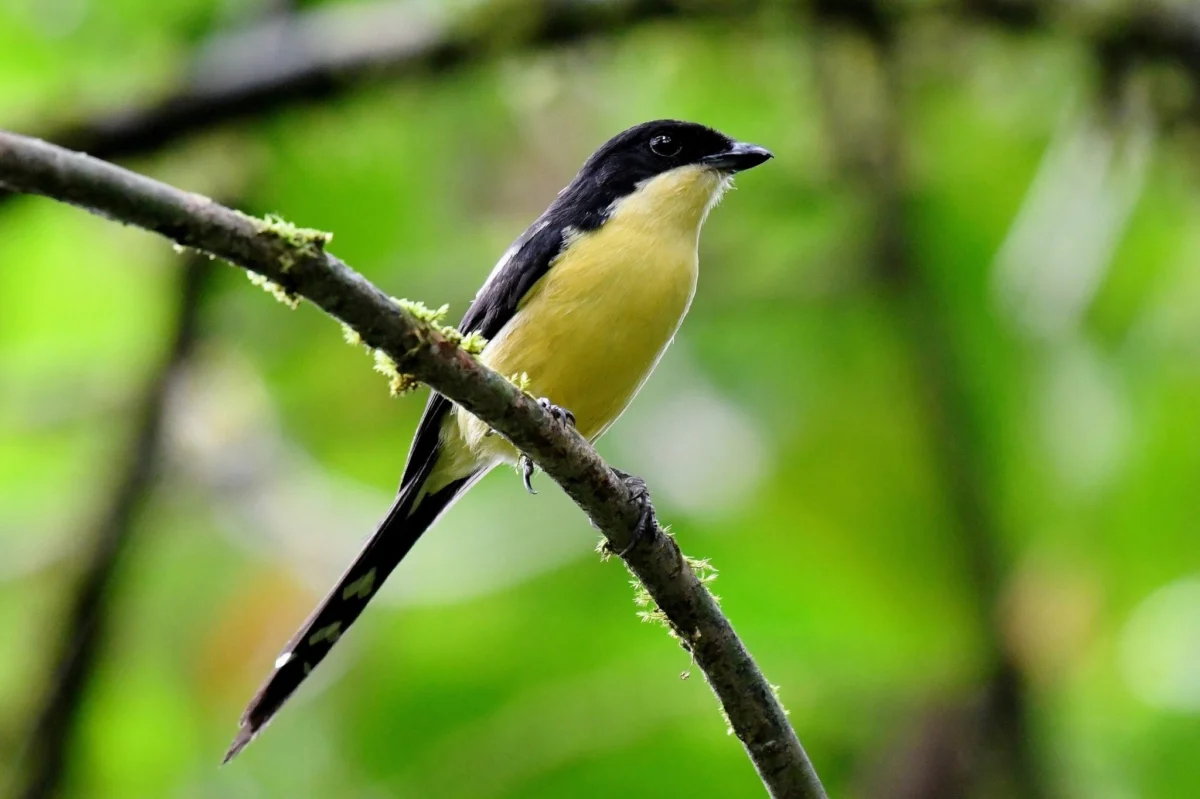
Global Birdfair 2026 is galvanizing support for BirdLife’s critical conservation initiatives aimed at safeguarding the unique avian biodiversity of São Tomé and Príncipe. This partnership underscores a commitment to prevent the extinction of several endemic bird species, highlighting the fragile ecological balance of this island nation and the global significance of its natural heritage. The initiative focuses on a concerted effort to protect species teetering on the brink, leveraging community engagement and scientific research to ensure their survival.
A Fragile Eden: The Plight of São Tomé’s Unique Avifauna
Nestled in the Gulf of Guinea, the volcanic islands of São Tomé and Príncipe harbor a remarkable assemblage of life found nowhere else on Earth. Among the most vulnerable are three iconic endemic species: the Dwarf Ibis (Bostrychia bocagei), the São Tomé Grosbeak (Crithagra concolor), and Newton’s Fiscal (Lanius newtoni). Each of these birds is classified as Critically Endangered on the IUCN Red List, a stark testament to their precarious existence. Their survival is intrinsically linked to the dwindling primary forests of São Tomé, underscoring the urgent need for targeted conservation interventions.
The Dwarf Ibis, a reclusive inhabitant of the island’s dense forests, is characterized by its elusive nature and a distinctive, haunting call. Estimates suggest fewer than 2,000 individuals remain, making every effort to understand and protect their habitat paramount. The São Tomé Grosbeak, a species once feared lost to science for over a century, persists in isolated forest fragments. Current population estimates are alarmingly low, potentially fewer than 250 adult birds, highlighting its extreme vulnerability. Newton’s Fiscal, a striking shrike distinguished by its black-and-white plumage and preference for forest ridges in the island’s interior, faces a similarly dire future. With an estimated population of less than 250 individuals, it ranks among Africa’s rarest avian species.
Persistent Threats to Survival
Despite legal protections afforded to these species, they continue to face relentless pressure from a variety of anthropogenic factors. The primary driver of their decline is habitat loss, predominantly stemming from agricultural expansion, particularly for cocoa and coffee plantations, and unsustainable timber extraction. These activities fragment and degrade the forest ecosystems that are essential for the survival of these endemic birds, reducing the availability of food, nesting sites, and shelter.
Further compounding these threats are hunting, direct disturbance of habitats, and the detrimental impact of invasive mammal species. These pressures, acting in concert, push already fragile populations towards the precipice of extinction. The interconnectedness of the island’s ecosystem means that the loss of one species can have cascading effects, disrupting ecological balances and diminishing the overall biodiversity of São Tomé and Príncipe.

BirdLife’s Long-Term Commitment and Community-Centric Approach
Recognizing the gravity of the situation, BirdLife International, in collaboration with local partners, has been actively engaged in conservation efforts in São Tomé and Príncipe since 2018. The core of this work involves strengthening the management of protected areas, a crucial step in preserving the remaining forest habitats. Simultaneously, the initiative promotes sustainable livelihood alternatives for local communities, aiming to reduce their reliance on activities that directly impact biodiversity. This holistic approach acknowledges that effective conservation requires not only ecological protection but also the active involvement and empowerment of the people who share the landscape with these threatened species.
A Paradigm Shift: Hunters as Agents of Change
A groundbreaking initiative implemented between 2022 and 2024 exemplified the transformative power of community engagement. This project specifically targeted local hunters, recognizing their intimate knowledge of the forest and their potential to become powerful allies in conservation. The program aimed to foster a shift in perceptions, moving away from conservation being viewed as a restrictive force to one where hunters could embrace their role as stewards of the forest.
The results of this collaborative effort were profoundly encouraging. A total of 75 hunters embraced the initiative, becoming recognized as "Agents of Change." Leveraging their profound understanding of the island’s natural environment, these individuals are now instrumental in locating rare species, such as the Dwarf Ibis, and actively reporting instances of illegal bird hunting. Their accumulated skills and extensive experience have become invaluable assets in the ongoing conservation endeavors, demonstrating that traditional knowledge can be effectively integrated into modern conservation strategies.
Empowering Local Communities and Fostering Sustainable Futures
Beyond their role as informants and observers, these local hunters played a pivotal part in the legislative review process. Collaborating with national authorities and biologists, they contributed to the development of a roadmap for the improvement and updating of hunting laws. This inclusive approach ensures that conservation policies are informed by local realities and practical considerations.
Furthermore, a targeted mentoring program was established to support the development of alternative economic activities for 25 selected hunters. This program provided them with the opportunity to explore the potential impact of diversifying their income streams on their families’ financial well-being. It also focused on strengthening essential management and financial literacy skills, equipping them with the tools necessary to establish and sustain their new ventures.
A competitive selection process identified the five most promising ideas, which subsequently received technical and financial support to develop and implement their business plans. This critical phase served as a tangible demonstration of how former hunters could become significant contributors to field conservation, fostering a delicate yet achievable balance between human needs and the imperative of biodiversity protection. These entrepreneurial endeavors are not only providing sustainable livelihoods but also creating local champions for conservation.

Global Birdfair 2026: A Catalyst for Future Action
Building upon this significant momentum, the Global Birdfair 2026 project is poised to address critical knowledge gaps concerning São Tomé’s endangered birds. The initiative will further bolster local capacity for species protection through enhanced training and resource allocation for park rangers and community members. Researchers will collaborate closely with local stakeholders to gain a deeper understanding of species distribution, population dynamics, and the efficacy of various conservation interventions. This collaborative research framework will be essential for adaptive management strategies, ensuring that conservation efforts remain responsive to evolving challenges and new scientific insights.
The project also reaffirms its commitment to fostering robust community involvement. By ensuring that conservation efforts are deeply rooted in local knowledge, participatory decision-making processes, and a culture of long-term stewardship, the initiative aims to create enduring positive change. This approach recognizes that the success of any conservation program ultimately depends on the sustained commitment and active participation of the local communities.
A Symbol of Natural Heritage
The trio of critically endangered birds – the Dwarf Ibis, the São Tomé Grosbeak, and Newton’s Fiscal – transcend their status as mere rare species. They have become potent symbols of São Tomé and Príncipe’s extraordinary natural heritage and its intrinsic ecological value. The protection of these avian treasures is inextricably linked to the preservation of the island’s lush forests, its unique ecosystems, and the vibrant communities that call this island home. Safeguarding these species is, in essence, safeguarding the very identity and ecological integrity of São Tomé and Príncipe.
The organizers extend their profound gratitude to the entire Global Birdfair team for their dedicated support of this vital conservation project. Through continued global collaboration, sustained financial contributions, and an enduring spirit of curiosity from individuals worldwide, the haunting call of the Dwarf Ibis, the quiet presence of the São Tomé Grosbeak, and the watchful silhouette of Newton’s Fiscal can be preserved for generations to come. The collective commitment to these unique avian populations offers a beacon of hope for the future of biodiversity conservation.
Broader Implications for Island Conservation
The success of initiatives like the one in São Tomé and Príncipe offers valuable lessons for island conservation efforts globally. Islands, with their often unique and endemic species, are particularly vulnerable to human-induced threats and climate change. The model of integrating local knowledge, empowering communities, and fostering sustainable economic alternatives has proven effective in building resilience and fostering long-term conservation success. The case of São Tomé and Príncipe underscores the interconnectedness of biodiversity, human well-being, and sustainable development, highlighting that conservation is not an isolated endeavor but an integral part of a nation’s broader socio-economic and environmental future. The ongoing support from events like Global Birdfair plays a crucial role in translating these lessons into tangible conservation outcomes, ensuring that the world’s most vulnerable species have a fighting chance for survival.

