


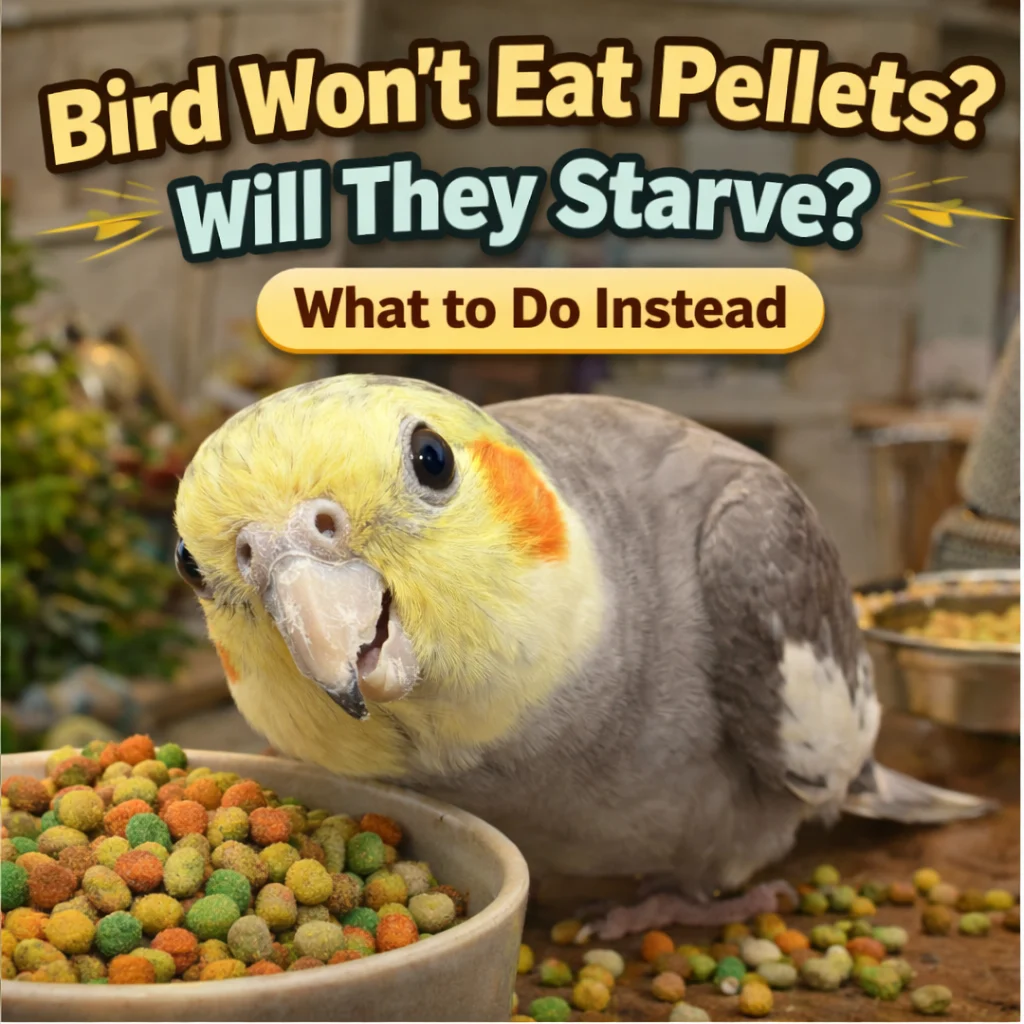
The challenge of encouraging pet birds to adopt a pellet-based diet is a widespread concern among avian enthusiasts, often leading to worries about their feathered companions’ nutritional well-being and even starvation. Despite the widely recognized health benefits of commercial pellets over traditional seed-heavy diets, many birds exhibit a strong reluctance, either ignoring pellets entirely, meticulously picking around them, or drastically reducing their food intake during attempted transitions. This phenomenon, far from being a sign of owner error, is one of the most common yet resolvable hurdles in responsible bird care. This comprehensive guide, informed by insights from avian expert Diane Burroughs and published on April 14, 2026, delves into the nuances of this dietary shift, advocating for evidence-based, force-free strategies that prioritize the bird’s health and trust.
The Nutritional Imperative: Why Pellets Are Paramount
For decades, the standard diet for many captive birds consisted primarily of seeds. While seeds are a natural food source for wild birds, the typical commercial seed mixes offered to pets often lack the complete spectrum of nutrients necessary for long-term health. These mixes are frequently high in fat and deficient in essential vitamins, minerals, and amino acids, leading to a host of preventable health issues. Much like a human subsisting solely on fast food, a bird on an exclusive seed diet is prone to nutritional imbalances that can manifest as serious illnesses.
Avian veterinarians and nutritionists now largely agree that a high-quality, formulated pellet diet should form the cornerstone of a pet bird’s daily intake, comprising at least 60-80% of their diet. Pellets are engineered to provide a balanced nutritional profile, addressing the specific dietary needs of various avian species. This scientific formulation helps prevent common deficiencies and excesses that contribute to conditions such as:
- Hepatic Lipidosis (Fatty Liver Disease): A prevalent and often fatal condition caused by excessive fat intake and nutrient imbalances, common in birds on seed-only diets.
- Kidney Disease: Imbalances in calcium and phosphorus, often found in seed diets, can strain kidney function over time.
- Hypovitaminosis A: A deficiency in Vitamin A, critical for immune function, skin, and feather health, which is often lacking in seeds. This can lead to respiratory issues, poor feather quality, and susceptibility to infections.
- Obesity: High-fat seed diets contribute to excessive weight gain, stressing joints and internal organs.
- Feather and Beak Abnormalities: Poor nutrition can result in dull, brittle feathers, stress bars, and overgrown or malformed beaks.
- Compromised Immune System: A weakened immune system makes birds more vulnerable to bacterial, viral, and fungal infections.
The shift towards pellet-based diets reflects a significant evolution in our understanding of avian nutrition, moving away from anecdotal feeding practices to scientifically validated dietary protocols aimed at extending lifespan and improving the quality of life for pet birds.
Understanding Avian Behavior: The Root of Resistance
When a bird refuses to eat pellets, it’s rarely an act of stubbornness. Instead, it’s a deeply ingrained instinctual response rooted in their survival mechanisms. In the wild, parrots and other avian species navigate complex environments where many plants can be toxic. To ensure survival, young birds learn from their parents what is safe to eat through observation and gradual exposure. This process, known as social learning or observational learning, can take weeks or even months.
This innate cautiousness, known as neophobia (fear of new things), is hardwired into their brains. For a bird that has spent its life eating seeds, a pellet, regardless of its nutritional value, is an entirely foreign object. It doesn’t look, smell, or feel like "food" to them. When presented with a sudden dietary change, their primary concern isn’t health benefits but safety.
Consider these common scenarios and their behavioral interpretations:
- "Won’t eat pellets at all": The bird simply doesn’t recognize pellets as a food source, viewing them as inert objects rather than sustenance.
- "Picks around or throws pellets out": The bird is actively selecting familiar, trusted foods (seeds) and discarding the unknown. This is a clear preference for perceived safety.
- "Is eating less after the switch": The bird is confused and distressed, not adjusting to the new diet. Their intake drops because they’re not consuming enough of what they recognize as food.
- "Waits for seeds or old food": The bird’s instinct tells them the new food is unsafe, prompting them to hold out for what they know and trust.
This highlights a crucial distinction: the goal is not to force an abrupt diet change, but to intentionally teach the bird what is safe and healthy to eat over time. This process leverages their natural learning instincts, fostering acceptance without causing stress or compromising their intake. The owner becomes a trusted guide, demonstrating the safety of new foods, much like a parent bird in the wild.
The Peril of Abrupt Transitions: Why "Waiting Them Out" is Dangerous
The notion that a hungry bird will eventually eat anything presented to it is a dangerous misconception in avian care. A sudden, drastic switch from a familiar diet to pellets, often referred to as "waiting them out," can have severe, even fatal, consequences. Birds have a high metabolic rate and cannot go long without food. Prolonged food refusal can lead to:
- Rapid Weight Loss: A bird’s weight can plummet quickly, leading to weakness and muscle wasting. Daily weigh-ins are crucial during any transition period.
- Hepatic Lipidosis (Fatty Liver Disease): When a bird isn’t eating, its body starts to metabolize fat reserves. In species prone to this condition (e.g., Amazon parrots, cockatiels), this rapid fat mobilization can overwhelm the liver, leading to irreversible damage.
- Hypoglycemia: Critically low blood sugar can lead to lethargy, seizures, and death.
- Compromised Immune System: Stress and malnutrition severely weaken a bird’s immune response, making them highly susceptible to secondary infections.
- Psychological Trauma: Forced dietary changes can erode the bird’s trust in its owner and cause significant psychological stress, potentially leading to behavioral issues.
Avian veterinarians universally caution against such methods. Dr. Eleanor Vance, a board-certified avian specialist, emphasizes, "Starvation is never a training tool. Any diet transition must be gradual and closely monitored to ensure the bird maintains a healthy weight and disposition. The moment a bird shows signs of significant weight loss or lethargy, the transition must be re-evaluated and adjusted immediately." The good news is that birds, even older rescues with entrenched eating habits, can be safely taught to accept pellets and other healthier foods through patient, evidence-based, and force-free approaches.
The 3-Phase Pellet Transition Reset: A Step-by-Step Guide
A successful pellet transition is a marathon, not a sprint. It relies on consistency, patience, and positive reinforcement, mimicking the natural learning processes of birds. The following 3-phase approach is endorsed by avian professionals and focuses on building trust and familiarity without resorting to deprivation.
Phase 1: Introduction and Familiarization (Weeks 1-3)
The primary goal of this phase is to introduce pellets as a safe and interesting item, rather than directly as food.
- Passive Exposure: Place a small, separate dish of pellets near your bird’s existing food bowl. Do not mix them yet. The bird needs to see them, perhaps peck at them curiously, and realize they pose no threat.
- Owner as Role Model: Birds are highly observant. Pretend to eat pellets yourself, making positive noises and gestures. Offer a pellet to your bird as if it’s a prized treat. While they might not eat it, this models safe behavior.
- Foraging Opportunities: Integrate pellets into foraging toys. Start with simple toys where pellets are easily accessible, then gradually increase difficulty. This taps into their natural foraging instincts and makes pellets rewarding.
- Textural Variety: Experiment with different forms. Some birds prefer moistened pellets (pellet "soup"), while others like them dry. You can also crush pellets into a fine powder and sprinkle a tiny amount over a favorite moist food (like mashed sweet potato or cooked quinoa) that your bird already enjoys. This subtly introduces the taste and smell.
- Different Brands and Shapes: If your bird consistently rejects one brand, try another. Pellets come in various colors, shapes, and sizes. A different texture or flavor profile might be more appealing.
During this phase, the bird’s primary diet remains unchanged. The focus is solely on building positive associations with pellets.
Phase 2: Gradual Integration and Preference Building (Weeks 4-8, or longer)
Once your bird shows some curiosity or occasional pecking at pellets, you can begin the slow integration. This is the most delicate phase, requiring careful monitoring.
- Morning Pellet Offering: Birds are often hungriest in the morning. Offer a bowl of pellets first thing for 30-60 minutes. After this period, if the bird hasn’t eaten, remove the pellets and offer a small, measured portion of their old diet. This teaches them that pellets are available first, but doesn’t deprive them entirely. Gradually increase the pellet-only time.
- Minimal Mixing: If your bird still won’t touch pellets after the morning offering, very slowly introduce a tiny amount of crushed pellets into their familiar seed mix. The ratio should be overwhelmingly in favor of the seeds initially (e.g., 95% seeds, 5% crushed pellets). The key is to make the pellet presence almost imperceptible at first.
- Moistened Pellets and Fresh Foods: Many birds find moistened pellets more palatable. Mix pellets with a small amount of warm water, unsweetened fruit juice, or pureed vegetables. This can be more appealing and easier to digest. Offer this alongside fresh, chopped vegetables and a tiny amount of fruit.
- Scheduled Feedings: Instead of free-feeding seeds all day, implement scheduled feeding times for the old diet. For example, offer seeds for an hour in the morning and an hour in the evening. Pellets can be available all day, or offered for longer stretches. This creates a mild incentive to try the readily available pellets.
- Monitor Intake and Weight: Daily weigh-ins are non-negotiable during this phase. Use a small digital kitchen scale. A consistent weight loss of more than 5-10% of their body weight warrants immediate intervention and consultation with an avian veterinarian. Observe droppings for changes in consistency or color, which can indicate dietary issues.
Phase 3: Reinforcement and Maintenance (Ongoing)
Once your bird is consistently eating pellets, the focus shifts to maintaining the new diet and enriching their overall nutrition.
- Positive Reinforcement: When your bird eats pellets, offer verbal praise, gentle head scratches, or a tiny, healthy treat (like a small piece of fruit or vegetable). Positive association reinforces the desired behavior.
- Continue Foraging: Keep pellets in foraging toys and puzzles to keep mealtime engaging and mentally stimulating.
- Diversify Fresh Foods: While pellets form the base, a varied diet of fresh vegetables, some fruits, and occasional healthy grains or legumes is crucial for optimal health. Continue to offer these daily.
- Regular Veterinary Check-ups: Even after a successful transition, regular check-ups with an avian veterinarian are essential to monitor overall health and ensure the diet is meeting all needs.
Progress comes from consistency, not force. Small, daily exposures and incremental changes build long-term acceptance.
Beyond Pellets: A Holistic Approach to Avian Nutrition
While pellets are the foundational element of a healthy diet, they are not the sole component. A truly holistic approach to avian nutrition integrates a variety of fresh, whole foods to provide enrichment, diverse nutrients, and mental stimulation.
- Fresh Vegetables: These should make up a significant portion of the "non-pellet" diet. Offer dark leafy greens (kale, spinach, romaine), bell peppers, carrots, broccoli, squash, and sweet potatoes. Wash thoroughly and chop into appropriate sizes.
- Fruits: Offer in moderation due to sugar content. Berries, apples (no seeds), bananas, melons, and citrus fruits are good choices.
- Healthy Grains and Legumes: Cooked brown rice, quinoa, barley, oats, and lentils can be offered occasionally.
- Sprouts: Freshly sprouted seeds offer concentrated nutrients and are often highly palatable.
- Foraging and Enrichment: Presenting food in engaging ways (hanging vegetables, food puzzles, hidden treats) encourages natural behaviors and prevents boredom.
The Broader Impact: Long-Term Health and Owner Responsibility
The successful transition to a balanced, pellet-based diet, supplemented with fresh foods, has profound long-term implications for a bird’s health and well-being.
- Extended Lifespan and Quality of Life: Birds on appropriate diets are less susceptible to chronic illnesses, leading to longer, healthier, and more vibrant lives. This translates to fewer costly and stressful veterinary visits for diet-related ailments.
- Improved Physical Condition: Better feather quality, brighter eyes, stronger beaks, and more consistent energy levels are common indicators of a well-nourished bird.
- Enhanced Behavior: A healthy bird is often a happier bird. Nutritional deficiencies can contribute to lethargy, aggression, or feather plucking. A balanced diet supports overall mental and physical health, contributing to a more even temperament.
- Strengthening the Human-Animal Bond: The process of patiently teaching a bird to accept new foods, especially through positive reinforcement, strengthens the bond between owner and pet. It builds trust and demonstrates a commitment to the bird’s welfare, fostering a more harmonious relationship.
This deliberate approach to diet transition embodies responsible "parronting" – patient, consistent, and focused on teaching rather than forcing. It acknowledges the complex needs and natural instincts of these intelligent creatures. For those feeling overwhelmed, specialized resources and guidance from avian veterinarians or certified avian behaviorists can provide tailored, step-by-step systems to navigate this crucial journey without stress, force, or the perilous risk of weight loss. Ensuring optimal nutrition is one of the most significant contributions an owner can make to their bird’s long-term health and happiness.

