


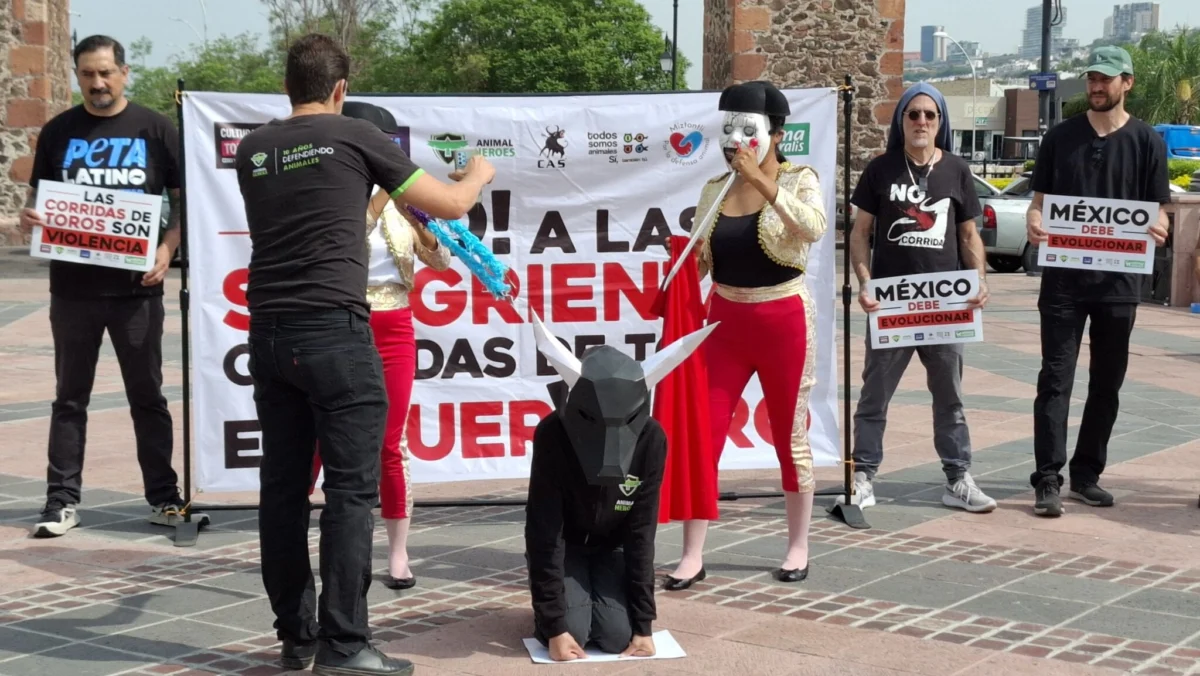
The landscape of Mexican culture is undergoing a profound transformation as one of its most storied and controversial traditions, bullfighting, faces a steady and seemingly inevitable decline. Across the Republic, a combination of landmark judicial rulings, constitutional reforms, and a decisive shift in public sentiment is bringing an end to an industry that has persisted for five centuries. While bullfighting was once considered an integral pillar of Mexican heritage, it is increasingly viewed through the lens of animal welfare, human rights, and modern legal standards. Today, several states—including Sonora, Guerrero, Coahuila, Quintana Roo, Sinaloa, and Michoacán—have enacted full bans on the practice. In the nation’s capital, Mexico City, the industry is embroiled in a protracted legal battle that has rendered the "fiesta brava" virtually impossible to sustain, signaling a nationwide movement toward the total abolition of the spectacle.
The Constitutional Evolution of Animal Rights in Mexico
The primary catalyst for the decline of bullfighting is a series of fundamental changes to the Mexican legal framework. Historically, bullfighting was protected under the guise of cultural heritage, but recent interpretations of the Mexican Constitution have prioritized animal welfare over traditional practices. Following a historic reform, Article 4 of the Mexican Constitution now explicitly mandates that the State must guarantee the protection, proper treatment, conservation, and care of animals. This constitutional shift has provided a powerful tool for activists and legal experts to challenge the legality of bullfights in federal courts.
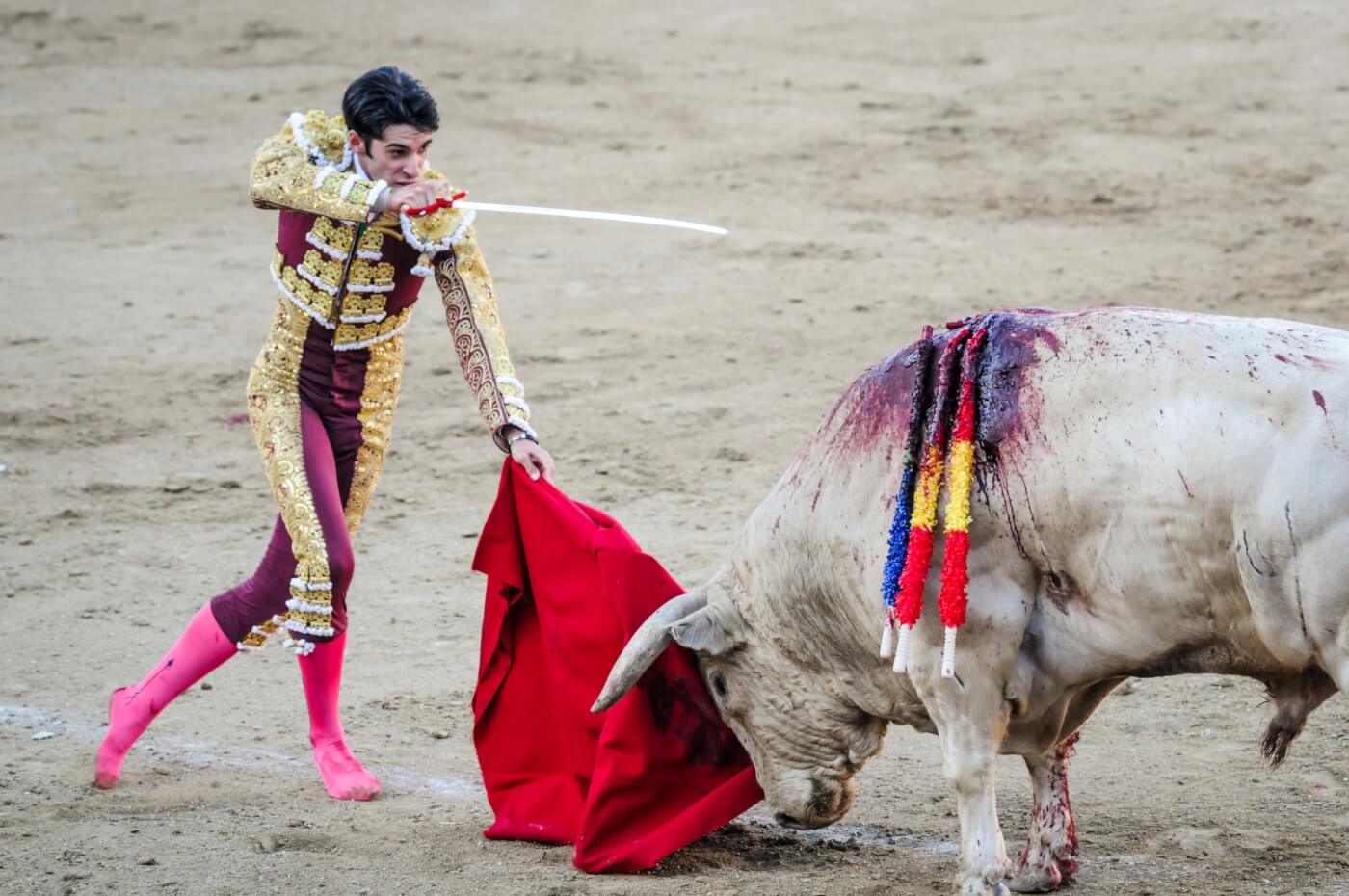
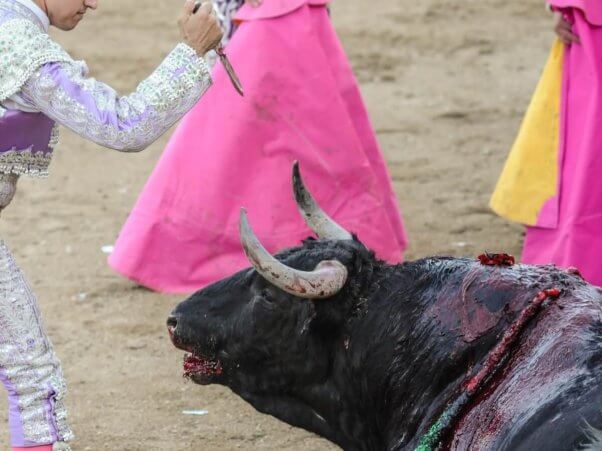
Complementing the constitutional mandate is the Ley Federal de Sanidad Animal (Federal Animal Health Law), which was established to ensure animal welfare and prevent unnecessary suffering. Furthermore, the Official Mexican Standard NOM-033-SAG/ZOO-2014, which dictates the methods for the permanent deprivation of life in animals, establishes minimum standards to prevent prolonged agony. Legal scholars argue that the inherent nature of a bullfight—which involves the systematic weakening of the animal through blood loss and physical trauma—is fundamentally inconsistent with these regulations. In a bullfight, the animal is subjected to the "tercio de varas," where it is stabbed in the neck and back with lances, followed by the "tercio de banderillas," where barbed sticks are jabbed into its shoulders. The process culminates in the "tercio de muerte," where the matador attempts to sever the spinal cord or pierce the heart with a sword. Because these stages are designed to be a public performance rather than a rapid slaughter, they violate the core tenets of Mexican welfare laws.
A Chronology of Legislative Prohibitions
The movement to ban bullfighting in Mexico has gained momentum through a state-by-state approach, creating a patchwork of prohibitions that reflect regional shifts in ethics.
- 2013 (Sonora): Sonora became the first state in Mexico to ban bullfighting, setting a precedent that animal welfare could supersede local traditions.
- 2014 (Guerrero): The state legislature passed the Animal Protection Law, which included a ban on bullfights and other spectacles involving animal cruelty.
- 2015 (Coahuila): Following intense public pressure and advocacy from animal rights groups, Coahuila joined the list of states prohibiting the practice.
- 2019 (Quintana Roo): The state government enacted a comprehensive Animal Welfare Law that effectively ended bullfighting in popular tourist destinations like Cancún.
- 2022 (Sinaloa and Mexico City): Sinaloa banned bullfighting, while in Mexico City, a federal judge ordered a temporary suspension of bullfights at the Plaza de Toros México, the world’s largest bullring. Although this suspension has faced various appeals and temporary reversals, the legal uncertainty has severely crippled the industry’s ability to operate.
- 2024 (Michoacán): Most recently, Michoacán joined the growing list of states to prohibit the torture and slaughter of bulls for entertainment.
This timeline illustrates a clear trajectory. What began as an isolated legislative movement in northern Mexico has expanded into a national trend, reaching the political and cultural heart of the country.
Scientific Consensus on Bovine Sentience and Suffering
The ethical arguments against bullfighting are increasingly supported by rigorous scientific research. A recent analysis conducted by Ciencia UNAM (the science communication wing of the National Autonomous University of Mexico) has challenged the long-held myth that bulls do not feel pain in the same way humans do due to adrenaline or specific biological traits. The study emphasizes that bulls possess a complex nervous system and a high capacity for sentience.
According to the UNAM findings, the physiological response of a bull during a fight is one of extreme stress and acute pain. The study notes that the animals experience significant trauma to the respiratory and circulatory systems as the fight progresses. Furthermore, the research highlights that bulls are social animals with distinct cognitive abilities; when left in their natural environment, they form tight-knit bonds and demonstrate protective behaviors toward their herd. The scientific community’s consensus is that the "fight" is not a choice made by the animal, but a desperate and involuntary response to life-threatening stimuli. This data has been instrumental in swaying public opinion and providing a factual basis for judicial rulings against the industry.
Public Opinion and the Generational Divide
The shift in the legal landscape is a direct reflection of a changing society. National surveys indicate that approximately 70% of Mexicans now oppose bullfighting or view it as an unacceptable form of animal abuse. This represents a dramatic departure from the mid-20th century, when bullfighters were celebrated as national icons and the plazas were consistently filled to capacity.
The decline is particularly evident among younger generations. Millennials and Gen Z in Mexico are significantly more likely to prioritize environmental and animal welfare issues over the preservation of colonial-era traditions. This demographic shift has led to a decrease in ticket sales and a lack of interest from corporate sponsors, who are wary of being associated with a practice that the majority of the population finds distasteful. In Mexico City, interviews with residents reveal a common sentiment: the spectacle is increasingly viewed as an "atrocity" and a "cruel act" that no longer aligns with the values of a modern, progressive society.
Human Rights and the Protection of Minors
Beyond the issue of animal welfare, bullfighting is increasingly scrutinized as a human rights concern, specifically regarding the psychological development of children. The United Nations Committee on the Rights of the Child has issued formal recommendations to Mexico, Spain, and other bullfighting nations, urging them to prohibit minors from attending bullfights or participating in bullfighting schools.
The concern stems from the exposure of children to extreme violence and the normalization of cruelty. In Mexico, "child bullfighters" (becerristas) have historically been common, with some children as young as six years old beginning their training. Expert analyses from organizations such as the Coordinator of Professionals for the Prevention of Abuse (CoPPA) warn that witnessing the ritualized killing of an animal can lead to desensitization and potential psychological harm. CoPPA’s research suggests that exposing minors to such violence can interfere with the development of empathy and may contribute to a "culture of violence." By framing bullfighting as a threat to the well-being of the youth, activists have broadened the debate, drawing support from child advocates and educational experts.
The Economic Reality: Subsidies and Overstated Benefits
For decades, the bullfighting industry has argued that it is a vital contributor to the Mexican economy, claiming it generates thousands of jobs and significant tax revenue. However, recent economic analyses suggest these figures are often inflated. A 2025 report focusing on the state of Querétaro revealed that bullfighting events fell far short of the revenue targets boasted by promoters.
The report concluded that bullfighting events are too infrequent to serve as a primary economic driver for local communities. Instead, the industry appears to survive largely through government subsidies and tax breaks. In many cases, public funds are used to maintain plazas or sponsor festivals, a practice that is becoming increasingly controversial as citizens demand that tax pesos be directed toward education, healthcare, and infrastructure. As private interest wanes and public opposition grows, the industry’s argument for economic necessity is losing its persuasiveness.
Implications and the Path Toward Total Abolition
The decline of bullfighting in Mexico has implications that reach far beyond the borders of the bullring. It represents a significant step in the global animal rights movement and sets a precedent for other nations where the practice persists, such as Spain, France, and Colombia. The dismantling of this industry demonstrates that even the most deeply rooted traditions can be overturned when they conflict with evolving ethical standards and scientific understanding.
As the legal battles continue in Mexico City and other remaining strongholds, the future of bullfighting appears bleak. The combination of constitutional mandates, scientific evidence of animal suffering, concerns for the psychological health of children, and the crumbling economic narrative has created a "perfect storm" for the industry. While bullfighting defenders may continue to appeal to "tradition," the weight of legal and social progress suggests that the era of the bullfight in Mexico is drawing to an inevitable close. The transition toward a "Mexico Sin Toreo" (Mexico Without Bullfighting) is no longer a question of "if," but "when."

