


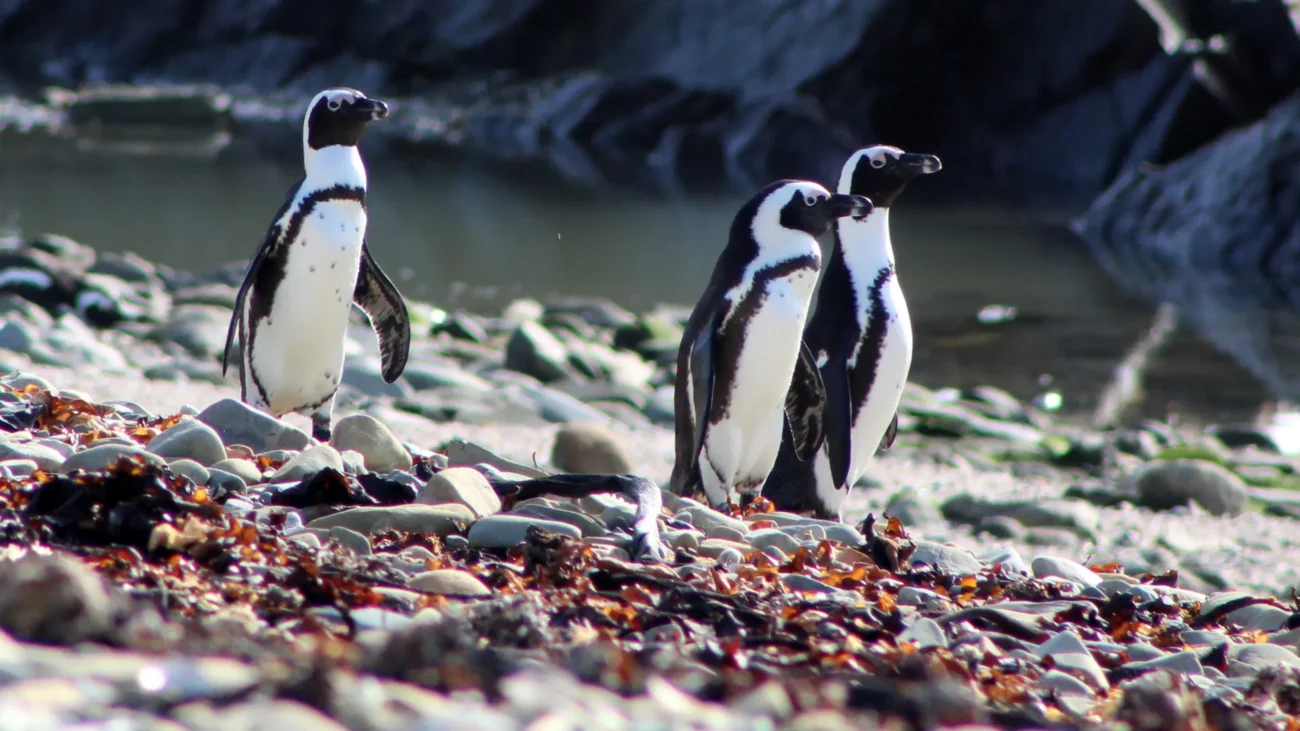
A groundbreaking study led by the University of St Andrews has unveiled a critical dynamic impacting the survival of Critically Endangered African penguins (Spheniscus demersus). The research, published on November 17 in the prestigious Journal of Applied Ecology, demonstrates that these iconic seabirds are significantly more likely to forage in the same waters as commercial fishing vessels during years when their primary prey, sardines and anchovies, are scarce. This amplified overlap directly translates to heightened competition for dwindling food resources, placing even greater pressure on a species already teetering on the brink of severe decline.
The research introduces a novel metric, termed "overlap intensity," which moves beyond simply identifying shared spatial areas between penguins and fishing fleets. Instead, it quantifies the number of penguins affected by this interaction, offering a more nuanced and impactful understanding of the ecological pressures faced by the species. This development is crucial for informing conservation strategies and fishery management, particularly as African penguin populations have plummeted by nearly 80% over the past three decades, with competition from local fisheries identified as a major contributing factor.
The Alarming Decline of the African Penguin
The African penguin, a charismatic species native to the southern African coast, has experienced a precipitous population decline in recent decades. Once numbering in the millions, their numbers have dwindled to a fraction of their former abundance. This dramatic reduction is attributed to a complex interplay of factors, including habitat loss, pollution, disease outbreaks, and, critically, the impact of commercial fishing.
The fisheries in question primarily employ purse-seine nets, a method that involves encircling schools of fish with a vast wall of netting, effectively trapping large quantities of sardines and anchovies. These small pelagic fish form the cornerstone of the African penguin’s diet, providing the essential energy and nutrients required for their survival, breeding, and the rearing of their young. As fish stocks decline due to overfishing or environmental fluctuations, the competition between penguins and fishing vessels intensifies, creating a critical bottleneck for the species.
A New Metric for Understanding Ecological Risk
Dr. Jacqueline Glencross, the lead author of the study and a researcher at the Scottish Oceans Institute at the University of St Andrews, articulated the driving force behind this research: "We wanted a better way to assess how many penguins are potentially impacted when fisheries operate nearby — not just where the overlap occurs." This desire for a more comprehensive understanding led to the development of the "overlap intensity" metric.
Traditional spatial overlap analyses often focus on the geographical proximity of fishing activities and penguin foraging grounds. However, the "overlap intensity" metric delves deeper by considering the density of penguins within these shared areas and the number of fishing vessels operating. This allows for a more accurate estimation of the cumulative pressure exerted on penguin populations, particularly during critical periods like the breeding season when adults need to efficiently forage to provision their chicks.
Tracking Data Reveals Stark Increases in Overlap
The research team meticulously analyzed tracking data from African penguins inhabiting two key breeding colonies: Robben Island and Dassen Island. These islands are vital strongholds for the species and are located in areas with significant fishing activity. The study’s collaborators included esteemed scientists from the University of Exeter, the South African Department of Forestry, Fisheries and the Environment, and BirdLife South Africa, underscoring the collaborative and multi-disciplinary nature of this important research.
The analysis of this extensive dataset revealed a stark and concerning trend. During years characterized by low fish biomass – a direct indicator of prey scarcity – the overlap between penguin foraging areas and active fishing vessels saw a dramatic surge. In 2016, a year notably marked by critically low fish stocks, approximately 20% of the tracked penguins were found to be foraging within the same regions as commercial fishing vessels. In contrast, during years with more robust fish populations, this figure plummeted to a significantly lower rate of around 4%.
This substantial difference highlights the direct correlation between prey availability and intensified competition. When fish are abundant, penguins can more readily find alternative foraging grounds and are less likely to encounter fishing vessels. However, in lean years, they are forced to venture into areas where fishing fleets are active, increasing the likelihood of direct competition for the limited food resources.
The Perilous Impact on Chick-Rearing
The implications of this heightened overlap are particularly severe during the chick-rearing phase. Adult penguins must undertake frequent foraging trips to sustain themselves and their rapidly growing offspring. During periods of prey scarcity, they are forced to travel further, expend more energy, and face greater risks to find sufficient food. The presence of fishing vessels in these critical foraging grounds directly reduces the availability of prey, forcing penguins to either compete directly with the fisheries or abandon their foraging efforts altogether, potentially leading to chick starvation.
This study provides empirical evidence that underscores the vulnerability of African penguins to human-induced pressures, especially when natural environmental conditions are unfavorable. The combination of scarce prey and the presence of competing human activities creates a perfect storm for population decline.
A Crucial Tool for Conservation and Fishery Management
The development of the "overlap intensity" metric offers a powerful new tool for both conservationists and fishery managers. By providing a quantifiable measure of ecological risk, it can inform the implementation of more effective management strategies aimed at safeguarding the African penguin.
This research strongly supports the concept of dynamic marine protected areas (MPAs). Unlike static MPAs, dynamic MPAs can be adjusted in real-time based on shifts in predator and prey behavior, as well as fishing activity. The findings can help identify high-risk areas and times when fishing closures would be most beneficial for penguin populations, ensuring that these closures are scientifically sound and contribute meaningfully to conservation efforts.
Furthermore, the "overlap intensity" metric can be integrated into ecosystem-based fishery management frameworks. This approach considers the broader ecological impacts of fishing activities, moving beyond single-species management to encompass the health and sustainability of entire marine ecosystems. By understanding and mitigating the conflict between fisheries and vulnerable species like the African penguin, managers can strive for a more balanced and sustainable use of marine resources.
Legal Battles and the Path Towards Meaningful Protection
The plight of the African penguin has not gone unnoticed by legal and environmental advocates. Earlier this year, the species became the subject of a significant legal challenge in South Africa, which highlighted the perceived inadequacy of existing fishing restrictions around penguin breeding sites.
Following extensive deliberations and advocacy by conservation organizations and representatives from the fishing industry, a landmark agreement was reached in the South African High Court. This agreement acknowledged the urgent need for more robust and biologically meaningful fishing closures in areas critical to penguin survival. In response to this court decision, the South African government has begun to implement revised fishing regulations, including the reinstatement of more effective no-fishing zones around Robben Island, one of the key colonies studied in this research.
Dr. Glencross emphasized the significance of these legal developments in light of the study’s findings: "This research highlights why those closures are necessary. Previously unprotected areas with high overlap intensity are where the penguins were most at risk." The study provides the scientific evidence to validate the necessity of these closures and to advocate for their effective implementation and enforcement.
Broader Implications for Marine Conservation
The findings from the University of St Andrews study have far-reaching implications beyond the immediate conservation of the African penguin. They underscore the complex interdependencies within marine ecosystems and the need for a holistic approach to resource management.
The study serves as a stark reminder that human activities, even those seemingly focused on resource extraction, can have profound and cascading effects on vulnerable wildlife populations. As climate change continues to alter marine environments and impact fish stocks, the pressure on species like the African penguin is likely to intensify. Therefore, proactive and adaptive management strategies that account for these dynamic interactions are crucial for the long-term survival of marine biodiversity.
The success of the "overlap intensity" metric in providing a clearer picture of ecological risk suggests its potential applicability to other threatened marine species facing similar challenges from human activities. By understanding and quantifying these interactions, we can move towards more informed decision-making that balances human needs with the imperative of conservation. The future of the African penguin, and indeed many other marine species, hinges on our ability to implement science-driven conservation measures and foster a more sustainable relationship with the ocean.

