


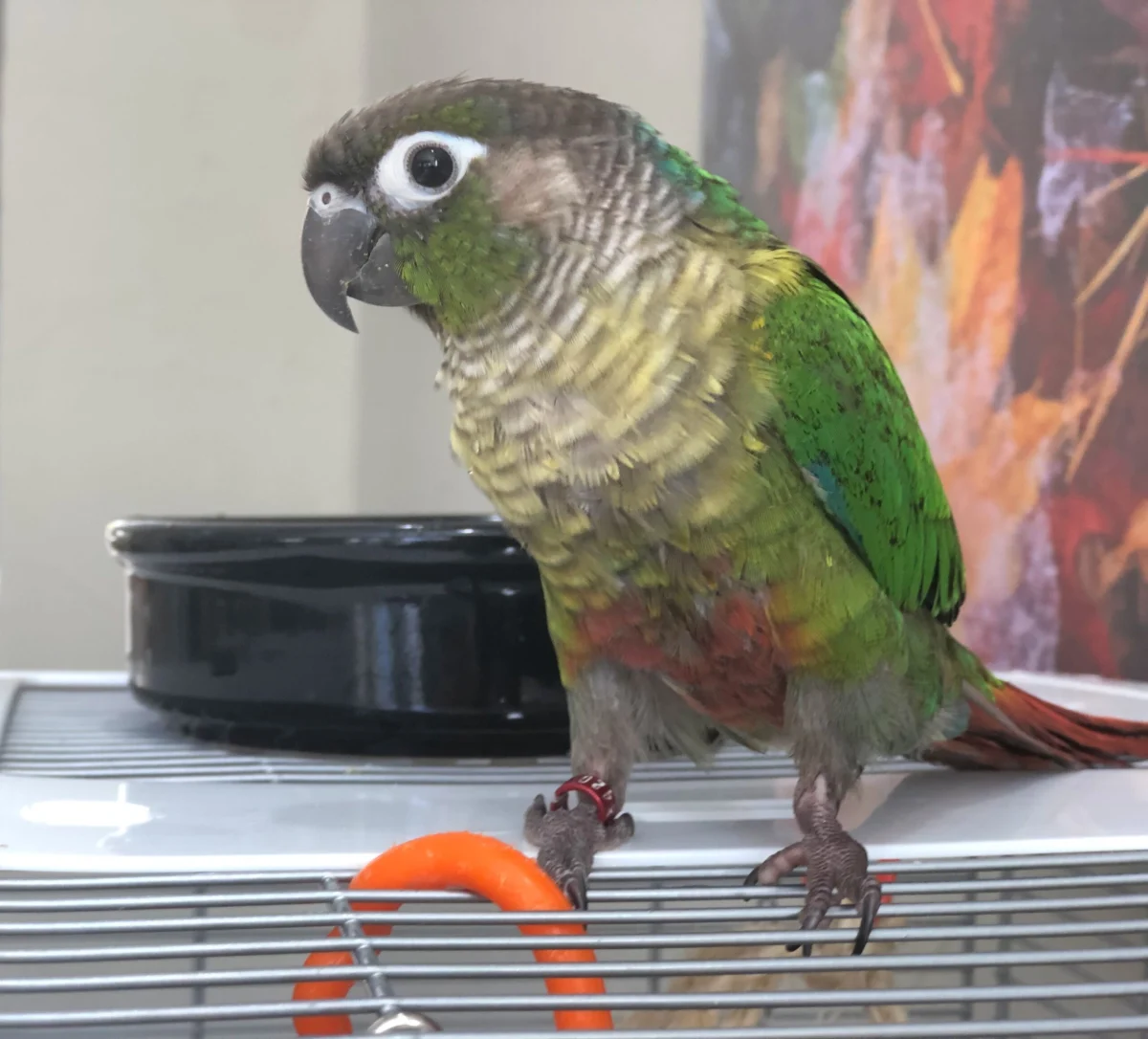
Indoor bird owners frequently encounter periods of increased itchiness, visible feather dust, and more frequent scratching in their avian companions, particularly during colder months or periods of molt. These symptoms, while often appearing concerning, are frequently rooted in environmental factors, primarily dry indoor air. Understanding the distinctions between normal physiological responses and signs indicative of underlying health issues is paramount for ensuring the well-being of pet birds. This article provides a detailed examination of these common challenges, offering practical, science-backed strategies for intervention and clear guidelines for when professional veterinary care becomes essential.
The Silent Scourge of Dry Indoor Air
The modern indoor environment, particularly homes with central heating or air conditioning systems, often presents a stark contrast to the humid, tropical, or subtropical origins of many popular pet bird species. As external temperatures drop, heating systems are engaged, which inadvertently strip moisture from the air, leading to significantly reduced indoor humidity levels. While humans might experience chapped lips or dry skin, birds, with their specialized feather and skin physiology, are profoundly affected. This environmental shift, often unnoticed by owners, can initiate a cascade of discomfort for avian inhabitants.
-
Understanding Avian Skin and Feather Physiology: A bird’s feathers are complex structures, requiring optimal hydration for flexibility, strength, and insulation. The skin beneath, equally vital, needs moisture to maintain its barrier function and prevent irritation. Each feather emerges from a follicle, and during growth, it is encased in a keratin sheath, often referred to as a "pin feather." As these sheaths flake off, they contribute to feather dust, a natural byproduct. However, in dry conditions, these sheaths can become hardened and tight, causing discomfort and intensifying the natural urge to preen and scratch. The uropygial (preen) gland, which produces an oily secretion essential for feather conditioning, may also struggle to maintain its efficacy in excessively arid environments. Research, such as studies published in Frontiers in Physiology by Chen et al. (2020), consistently highlights the intricate relationship between environmental humidity and integumentary health in various avian species, emphasizing that inadequate moisture can compromise feather structure and skin integrity at a cellular level.
-
The Seasonal Shift: Winter’s Impact: The onset of winter typically correlates with a noticeable increase in these symptoms. Without changes to diet or husbandry, the sudden appearance of discomfort strongly suggests environmental factors are at play. While nutritional deficiencies can exacerbate these issues, the immediacy of symptom presentation often points to air moisture as the primary culprit. Pet bird welfare organizations and avian veterinarians globally advocate for proactive measures to mitigate these seasonal challenges, emphasizing that prevention is often simpler and more effective than reactive treatment. The transition from more temperate outdoor conditions to climate-controlled indoor spaces creates an artificial habitat that demands careful management to mirror the birds’ natural ecological needs. Data from veterinary clinics often shows a seasonal spike in consultations related to dermatological and feather issues during the colder months, reinforcing the direct link between indoor heating and avian discomfort.
Distinguishing Normal Discomfort from Veterinary Concerns
It is crucial for owners to differentiate between typical responses to dry air or molting and more serious signs that warrant immediate veterinary consultation. A quick assessment can guide the next steps.
-
Recognizing Early Warning Signs (Usually Normal): These are common indicators that the bird is experiencing mild, environmentally induced discomfort and may benefit from adjustments to its routine or environment.
- Increased Scratching: A common response to dry, itchy skin or tight pin feathers during molt. The bird may use its feet or beak to relieve irritation.
- Visible Feather Dust/Dander: While normal, a significant increase can indicate excessively dry skin and feathers shedding their protective sheaths more rapidly than usual. This powdery residue is often evident on cage surfaces.
- Minor Flakiness on Skin: Particularly noticeable on unfeathered areas like the feet, legs, or cere, indicating epidermal dehydration.
- Slightly Dull or Less Vibrant Feathers: Lack of humidity can affect feather sheen and overall plumage quality.
- Increased Preening: Birds may spend more time meticulously arranging their feathers in an attempt to alleviate discomfort and redistribute preen gland oils.
- Rubbing Face/Head: Against perches, toys, or cage bars to relieve facial itchiness, particularly around the eyes or beak.
-
When to Seek Professional Avian Care (Not Normal, Requires Vet): These signs are typically not caused by dry air alone and should not be managed solely at home. They demand prompt attention from an avian or exotics veterinarian. Delaying veterinary care can lead to worsening conditions, increased pain, and more complex treatments.
- Open Wounds or Bleeding Feathers: Any breach of the skin barrier is a serious concern, potentially leading to infection or further self-mutilation. This includes "blood feathers" that are actively bleeding.
- Bald Patches or Significant Feather Loss: Beyond what is expected during a normal molt, especially if localized, rapidly progressing, or asymmetrical. This could indicate parasites, fungal infections, systemic disease, or severe behavioral plucking.
- Sudden Behavioral Changes: Lethargy, loss of appetite, changes in droppings, unusual vocalizations, aggression, or a significant decrease in activity levels are all red flags for underlying illness.
- Signs of Illness: Ruffled feathers (indicating a bird is unwell and trying to conserve heat), labored breathing, discharge from nostrils or eyes, swelling, or changes in posture.
- Self-Mutilation: Aggressive plucking leading to skin damage, bleeding, or persistent feather destruction. This is distinct from normal preening and suggests significant distress or an underlying medical issue.
- Limping or Difficulty Perching: Indicating potential pain, injury, or neurological issues.
- Consistent Discomfort or Pain: If the bird appears genuinely distressed or in pain, regardless of visible injury, it warrants veterinary assessment.
- Any symptom that persists or worsens despite appropriate environmental adjustments for several days.
If any of these severe symptoms are observed, contacting an avian or exotics veterinarian without delay is critical. Timely intervention can significantly improve outcomes and prevent further complications, aligning with recommendations from leading texts like Cooper & Harrison’s Avian Medicine: Principles and Application.
The Nuances of Avian Hydration: Beyond the Water Dish
While fresh drinking water is non-negotiable, addressing avian skin and feather hydration requires a more comprehensive approach than simply providing a water dish. The distinction between a "dry air problem" and a "bathing method problem" is crucial, as the wrong approach can exacerbate the issue.
-
Dry Air Problem: In this scenario, baths offer only temporary relief, with itchiness returning rapidly, sometimes within hours. Despite regular bathing attempts, the bird may still appear dusty, flaky, or visibly uncomfortable, indicating that the ambient air humidity is insufficient to sustain hydration. The efficacy of bathing is severely limited if the surrounding air immediately wicks away any moisture absorbed by the feathers and skin.
-
When the Bathing Method is the Problem: A bird’s reluctance to bathe is rarely an aversion to cleanliness itself. More often, it signals discomfort with the bathing method. Avian species exhibit a wide range of preferences for how they interact with water. Some birds detest spray bottles but eagerly splash in a shallow dish; others ignore standing water but are captivated by wet leafy greens or the opportunity to perch in steamy environments like a shower. The consensus among avian veterinarians, as often stated in professional guidelines like those in the Merck Veterinary Manual, is not to enforce daily baths, but rather to offer the opportunity daily, especially in dry conditions, allowing the bird to choose. Forcing a bird into a bath can be a traumatic experience, leading to fear and resistance, ultimately undermining the goal of improved hygiene and comfort.
-
Innovative Approaches to Encourage Preening and Bathing: Providing varied options allows birds to engage with water in a way that feels natural and safe to them.
- Shallow Water Dishes: A wide, ceramic or stainless steel dish filled with comfortably warm water (ensure it’s not too deep for smaller birds). The dish should be stable and placed in a comfortable, private location.
- Misting with a Fine Spray Bottle: Use only clean, comfortably warm water. Aim above the bird, allowing a gentle mist to fall like rain, rather than a direct, forceful spray. Many birds respond positively to this simulation of natural rainfall. Introduce it calmly and gradually.
- Wet Leafy Greens: Offer fresh, thoroughly washed, wet greens (e.g., romaine, kale) for the bird to rub against or roll in. This can be particularly appealing to birds hesitant about direct water, as it mimics dew-laden foliage.
- Shower Perches/Steam Exposure: Allow the bird to perch in the bathroom while a shower runs, benefiting from the steam and increased humidity. Ensure the water is not too hot, and there are no drafts. This provides ambient humidity without direct water contact.
- Aviary Foggers/Misters: For larger setups or outdoor aviaries, these can create a more natural, humid environment, simulating tropical conditions.
- Bird Bath Fountains: The gentle sound and movement of water can entice some birds to investigate and eventually bathe.
Key point: Daily access to bathing opportunities is beneficial; forcing a bath is counterproductive and can erode trust. When birds have autonomy, bathing often ceases to be a struggle, transforming a stressful obligation into an enriching activity. This principle underscores the importance of positive reinforcement and respecting avian behavioral ecology.
A Multi-Faceted Approach to Feather and Skin Health
Addressing avian skin and feather discomfort requires a holistic strategy that integrates environmental, behavioral, and nutritional components. This comprehensive approach is more likely to yield lasting results than relying on any single intervention.
-
Environmental Modifications: Humidifiers and Beyond:
- Humidifiers: Investing in a clean, well-maintained humidifier for the bird’s living area is often the most direct way to combat dry air. Cool mist humidifiers are generally preferred for safety, preventing burns or excessive heating. Aim for a relative humidity level of 50-70%, which closely mimics the natural habitat of many pet bird species. Regular cleaning with distilled water and a disinfectant (following manufacturer instructions) is critical to prevent mold and bacterial growth, which can pose respiratory risks to both birds and humans. Pet bird product manufacturers report a significant increase in humidifier sales during winter months, reflecting a growing owner awareness.
- Nebulizers: For targeted humidity or for administering respiratory medications, a nebulizer can be effective. This provides ultra-fine mist directly to the bird, which can be particularly beneficial for birds with respiratory sensitivities or during severe skin dryness.
- Indoor Plants: While certain bird-safe indoor plants can contribute minimally to humidity through transpiration, their primary benefit might be aesthetic or for air purification rather than significant humidity alteration. They should not be relied upon as a primary humidity source.
- Avoid Drafts: While increasing humidity, it is crucial to ensure the bird is not exposed to cold drafts after bathing or in a humidified room, which can lead to chilling and stress. Proper cage placement away from windows and vents is important.
-
Nutritional Foundations for Robust Feathers: If environmental adjustments and gentle bathing practices do not yield significant improvement within several days, dietary assessment becomes the next critical step. Birds on seed-heavy diets are particularly susceptible to nutritional deficiencies that compromise skin and feather quality, as these diets are often incomplete.
-
Essential Nutrients:
- Vitamin A (Retinol): Crucial for the health of epithelial tissues, including skin and mucous membranes. A deficiency can lead to hyperkeratosis (thickening of the skin), squamous metaplasia (abnormal tissue changes), and poor feather quality. Many common seeds are low in Vitamin A precursors, making supplementation or dietary reform essential.
- Vitamin E (Tocopherol): A powerful antioxidant that protects cell membranes from oxidative damage. It works synergistically with selenium and is vital for skin integrity and immune function.
- Omega-3 and Omega-6 Fatty Acids: These essential fatty acids are precursors to prostaglandins and other signaling molecules involved in inflammation and immune responses. A balanced ratio is important for maintaining healthy skin barriers, reducing inflammation, and promoting shiny plumage. Flaxseed, chia seeds, and certain fish oils (like salmon oil in tiny, appropriate doses) are good sources.
-
Dietary Adjustments: Transitioning a bird from a predominantly seed diet to a high-quality pelleted diet supplemented with fresh vegetables, fruits, and appropriate sprouts is foundational for optimal health. Leading avian nutritionists consistently highlight the transformative impact of a balanced diet on feather quality and overall vitality. For owners seeking a simple, conservative approach to supplement existing diets, specifically formulated avian skin and feather kits are available. These products are designed to provide balanced support without over-supplementation, which can be as detrimental as deficiency. For example, the UnRuffledRx™ Healthy Start Feather & Skin Kit aims to support the body during feather growth without replacing proper husbandry or veterinary care. Any supplement use should strictly adhere to package instructions, and the bird’s response should be monitored over several weeks, with adjustments made gradually.
-
-
The Role of Dietary Supplements: A Cautious Approach: While supplements can be beneficial, they should be introduced sparingly and consistently, rather than adding multiple products simultaneously. The goal is to support the body’s natural processes, not to compensate for a fundamentally unbalanced diet. Consulting with an avian veterinarian or a certified avian nutritionist before introducing new supplements is always recommended, as incorrect dosages or combinations can lead to adverse effects.
Molting: A Vulnerable Period Amplified by Environment
Molting is a natural, cyclical process where birds replace old, worn feathers with new ones. This process is energetically demanding and can be inherently uncomfortable, a vulnerability exacerbated by dry indoor conditions.
-
The Energetic Demands of Feather Renewal: During a molt, numerous new feathers, encased in their protective keratin sheaths (pin feathers), push through the skin simultaneously. This requires significant metabolic energy and can be an uncomfortable, even painful, experience for the bird. If the skin is already dry or irritated, this process can become significantly more uncomfortable. Dry indoor air exacerbates this by making the skin less pliable and the pin feather sheaths tighter, causing them to "itch" more intensely as they emerge. The increased scratching and preening observed during a rough molt are often a bird’s desperate attempt to find relief from this discomfort, not a sign of misbehavior. Avian physiology dictates that healthy skin is a prerequisite for healthy feather growth.
-
Preventing the Progression from Itch to Pluck: Early and consistent support for skin comfort during molt is crucial. By reducing the initial urge to scratch and over

