


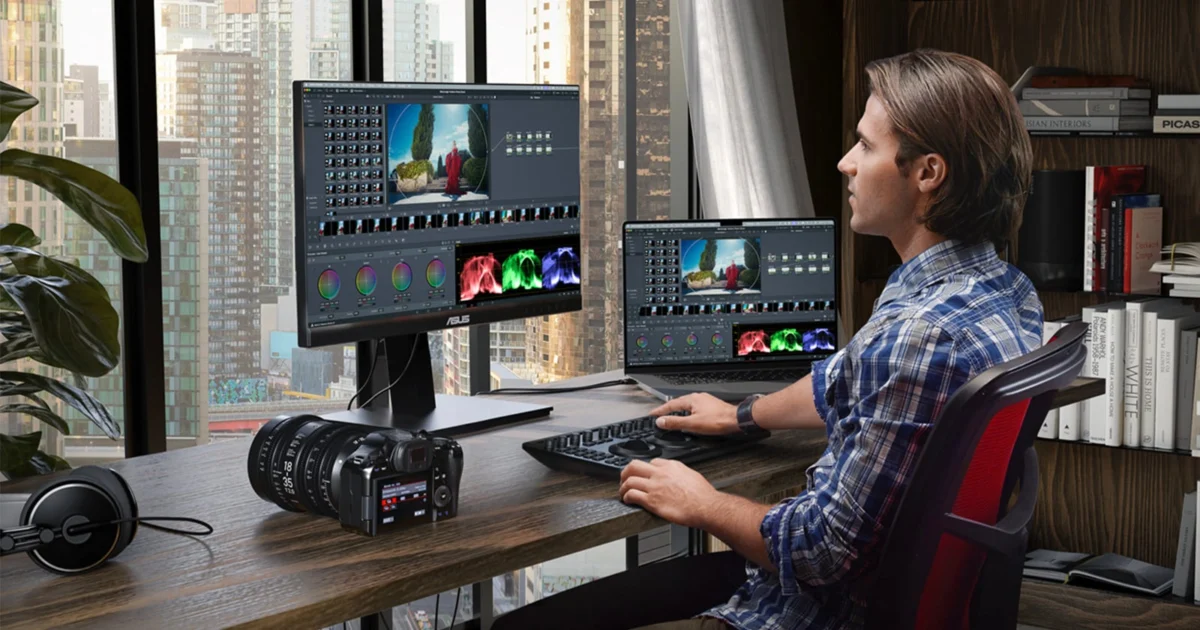
Blackmagic Design has officially launched the second public beta of DaVinci Resolve 21, marking a rapid iteration in the software’s development cycle following its major version announcement earlier this spring. The update, arriving less than a month after the initial unveiling of version 21, focuses heavily on stabilizing the platform’s ambitious new features, specifically the highly anticipated Photo page. By addressing early user feedback and refining the technical foundations of its still-image tools, Blackmagic Design is signaling a significant strategic shift toward a unified post-production environment that treats photography and cinematography as equal pillars of the creative workflow.
The release of Beta 2 comes at a pivotal moment for the software, which has historically dominated the film and television industry as the gold standard for color grading and, more recently, as a formidable competitor in the non-linear editing (NLE) space. With version 21, however, Blackmagic is moving into territory long held by companies like Adobe and Phase One, positioning Resolve as a viable alternative to established photo-centric applications such as Lightroom and Capture One. This latest beta update is designed to smooth over the "friction points" identified by early testers, ensuring that the transition from motion to stills is seamless for the growing demographic of hybrid creators.
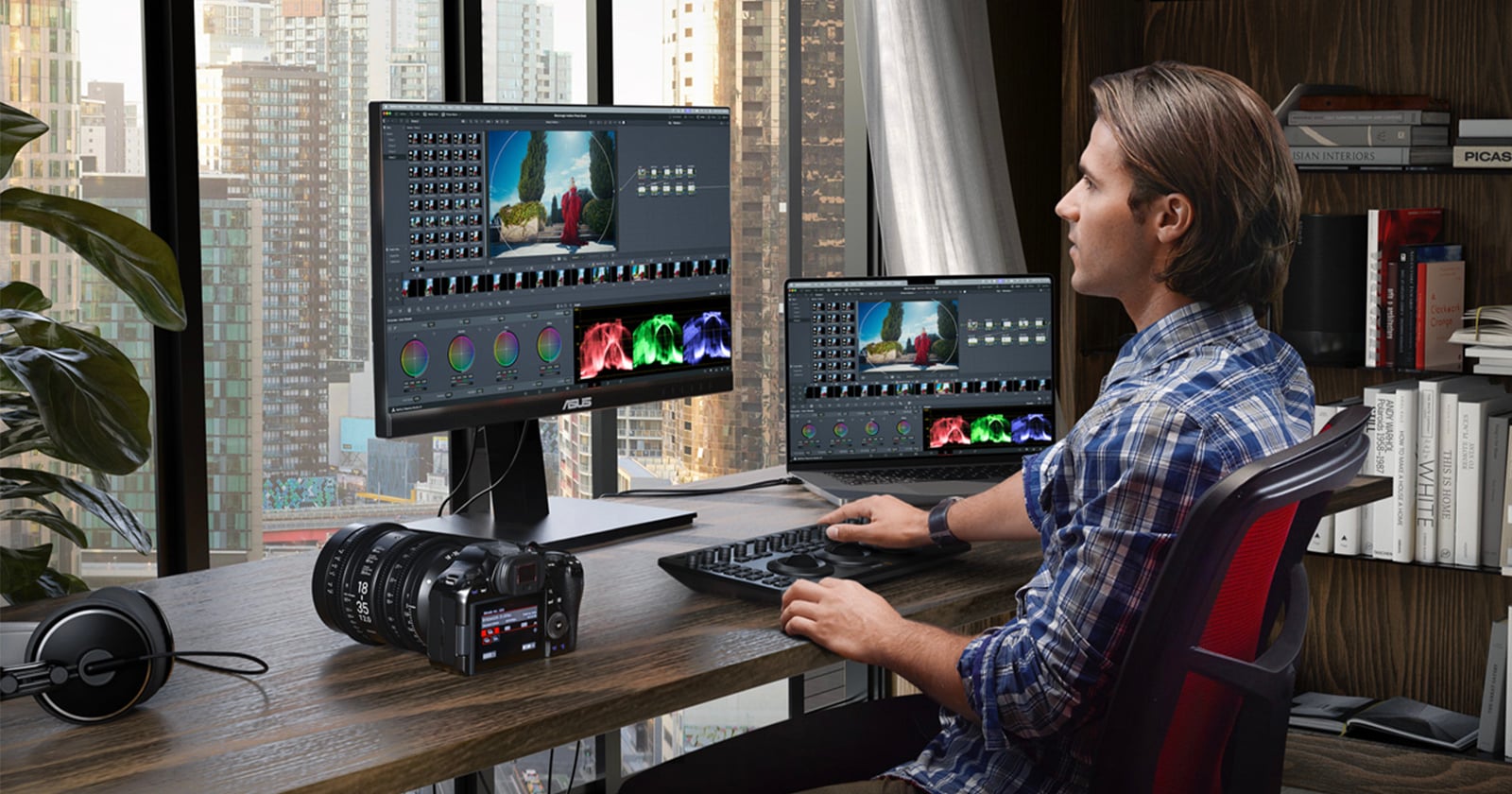
Refinements to the Photo Page and RAW Image Handling
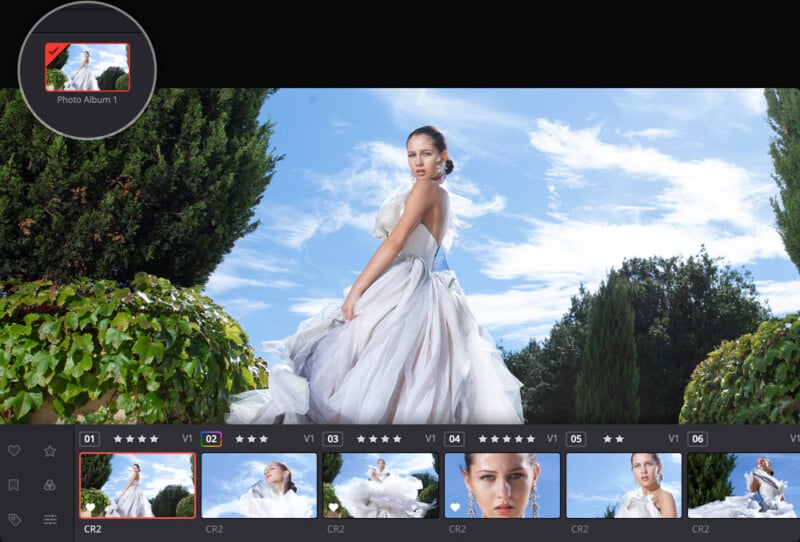
The cornerstone of the DaVinci Resolve 21 Beta 2 update is the enhancement of the Photo page, a dedicated workspace that introduces professional-grade photography tools into the Resolve ecosystem. In this second beta iteration, Blackmagic has prioritized the predictability of core image manipulation tools. Specifically, the update includes significant refinements to crop, flip, and rotate actions. Previously, early testers noted inconsistencies in how these transformations were applied across different aspect ratios; Beta 2 addresses these issues, ensuring that still-image transformations behave with the same precision as Resolve’s industry-leading video transform tools.
Furthermore, the update brings improved handling of crop resolution metadata. For professional photographers, metadata accuracy is critical for maintaining high-quality exports and ensuring that print layouts remain consistent. By refining how the software interprets and stores this data, Blackmagic is catering to the rigorous requirements of commercial photography.
Support for professional RAW formats has also seen a substantial boost. Beta 2 introduces improved decoding for Fujifilm’s RAF files and Nikon’s 12-bit NEF files. This technical improvement is essential for photographers who require the maximum dynamic range and color depth afforded by their camera sensors. By integrating these high-bit-depth formats directly into the Resolve timeline and Photo page, the software allows users to apply the same sophisticated DaVinci Color Science—originally developed for Hollywood feature films—to their still photography.
Workflow Improvements and Media Management
Beyond the aesthetic tools, Blackmagic has introduced several practical workflow enhancements in Beta 2 that address the logistical challenges of managing large-scale photography projects. One of the most requested features included in this update is the ability to export still images using their original file names. This is a vital function for photographers who need to maintain a clear "paper trail" between their edited selects and their original camera backups, particularly during collaborative shoots or high-volume studio work.
The update also refines the software’s animation and timing tools. The default ease profiles for retime curves have been adjusted to provide smoother transitions, and keyframe normalization within the editor has been optimized. While these features are often associated with video editing, their inclusion in a "photo-heavy" update highlights Blackmagic’s philosophy: that the tools used to manipulate time and motion can be equally effective when applied to the subtle transitions and compositions of still-image galleries.
Performance improvements have also been extended to IntelliSearch, a feature powered by the DaVinci Neural Engine. IntelliSearch uses artificial intelligence to analyze and categorize media based on visual content, allowing users to find specific clips or images based on people, objects, or scenery. In Beta 2, the speed and accuracy of this indexing process have been improved, making it easier for creators to navigate the massive libraries of assets that version 21 is designed to accommodate.
Enhancements to Fusion and Spatial Computing
While the Photo page is the headliner of version 21, the Beta 2 update does not neglect the software’s visual effects and motion graphics suite, Fusion. The update includes a series of stability and rendering improvements across the Fusion page, particularly concerning 3D rendering and the handling of Cryptomatte. These technical fixes ensure that Resolve remains a robust tool for high-end VFX work, even as it expands its reach into other creative disciplines.
Perhaps most interestingly, Beta 2 continues to build support for emerging media platforms. The update includes refined foveated rendering controls for Apple Vision Pro workflows. As spatial computing begins to gain traction, Blackmagic is positioning Resolve as the primary tool for creating and finishing immersive content. By allowing editors to fine-tune how images are rendered for the human eye within a VR or AR headset, Blackmagic is staying ahead of the curve in the transition from traditional screens to 3D environments.
The Historical Context of Resolve’s Evolution
To understand the significance of DaVinci Resolve 21 and the rapid release of Beta 2, one must look at the software’s trajectory since it was acquired by Blackmagic Design in 2009. Originally a hardware-based color grading system that cost hundreds of thousands of dollars, Blackmagic transformed Resolve into a software-based solution, eventually adding a full NLE (the Edit page), professional audio post-production (Fairlight), and advanced VFX (Fusion).
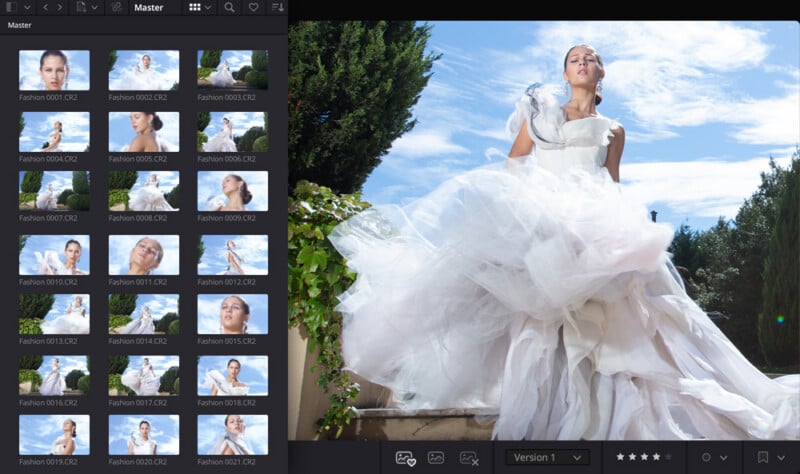
The addition of the Photo page in version 21 is the final piece of the puzzle in Blackmagic’s "all-in-one" strategy. For years, the industry has operated in silos, with photographers using Adobe Creative Cloud and cinematographers using a mix of Resolve, Avid, or Premiere Pro. However, the hardware has converged; modern cameras like the Sony A7R V or the Nikon Z9 are equally capable of shooting high-resolution stills and 8K video. By adding photo-specific tools, Blackmagic is catching up to the reality of the modern creator who is often tasked with delivering both motion and still assets for a single campaign.
Analysis of Implications for the Creative Industry
The aggressive development of DaVinci Resolve 21 Beta 2 suggests that Blackmagic Design is not merely adding a "photo plugin" but is intent on disrupting the photo editing market. There are several key implications for this shift:
- Unified Databases: Unlike Lightroom, which requires importing and exporting between different applications to sync with video projects, Resolve uses a single database. This means a photographer can grade a still image on the Photo page and immediately use that same grade on a video clip in the Color page, ensuring perfect brand consistency across all media types.
- Economic Disruption: Blackmagic Design’s business model—offering a powerful free version and a one-time purchase for the Studio version—stands in stark contrast to the subscription-based models of its competitors. If Resolve becomes a true Lightroom alternative, it could lead to a significant exodus of users from subscription-heavy ecosystems.
- AI Integration: The continued refinement of the DaVinci Neural Engine in Beta 2 indicates that AI will play a central role in the future of photography. Features like object isolation (Magic Mask) and AI-based noise reduction, which are already industry leaders in video, are now being adapted for stills, potentially giving Resolve an edge in "smart" editing.
Looking Ahead: The Path to Final Release
As DaVinci Resolve 21 continues its public beta phase, the focus of subsequent updates will likely remain on performance optimization and the expansion of supported camera formats. Blackmagic Design has a history of using the beta period to actively engage with its community, often implementing feature requests within weeks.
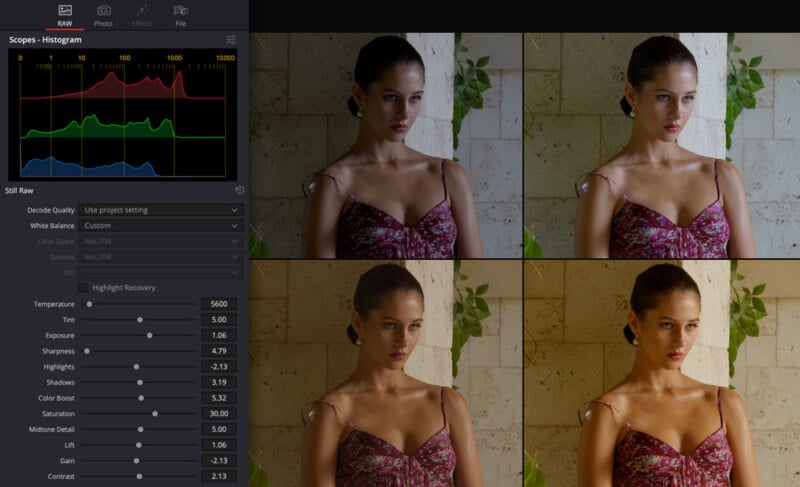
The rapid turnaround of Beta 2 demonstrates that the company is committed to making the Photo page a professional-grade reality rather than a secondary feature. For the photography community, the evolution of Resolve 21 represents a new frontier. While the software still faces the challenge of perfecting the "cataloging" and "library management" aspects that make Lightroom so popular, the technical foundation being laid in these early beta versions suggests that Blackmagic Design is well on its way to creating the most comprehensive post-production tool ever built.
For now, users are encouraged to test Beta 2 with the understanding that it is still pre-release software. However, even in its current state, the update provides a clear window into a future where the line between the still and the moving image is effectively erased.

