


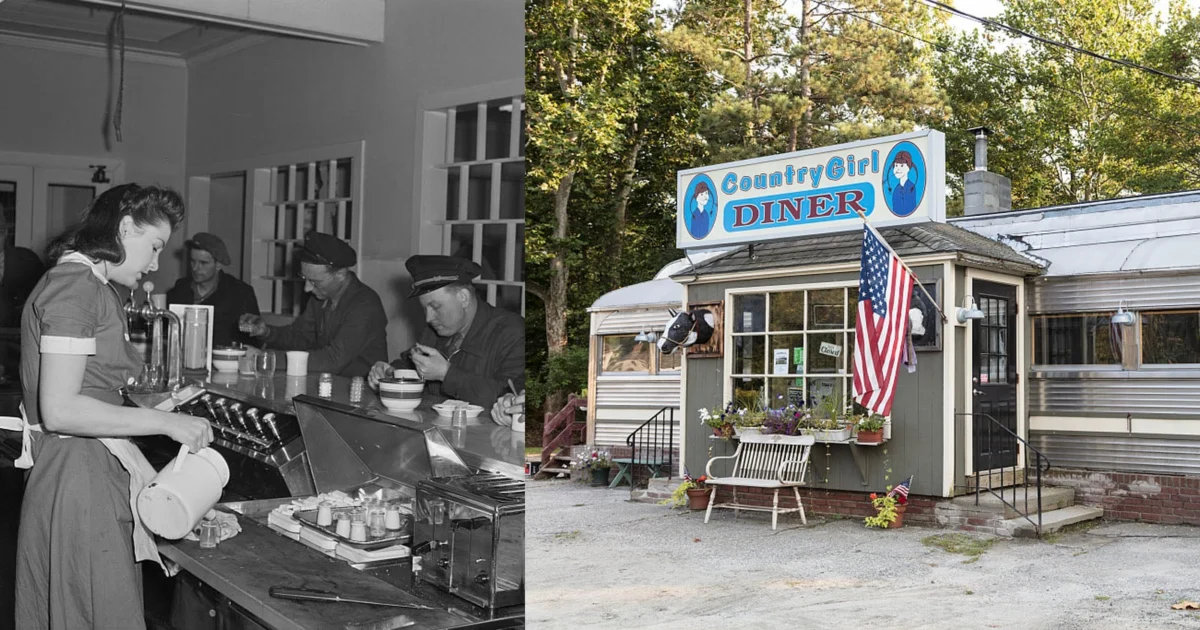
The American diner serves as more than just a culinary destination; it is a structural embodiment of 20th-century progress, social mobility, and architectural ingenuity. Captured through the lenses of prolific photographers and preserved within the archives of the Library of Congress, these "mundane" images of roadside eateries have transformed into vital historical artifacts. What were once ubiquitous lunch cars, seen as temporary fixtures of the American landscape, are now recognized as the precursors to modern fast-food culture and a symbol of a bygone era of communal dining.
The story of the American diner is intrinsically linked to the history of transportation and industrial manufacturing. Originally conceived as mobile food carts in the late 19th century, diners evolved into the prefabricated, stainless steel structures that defined the mid-century American aesthetic. This evolution was not merely stylistic but was born of necessity, as the dimensions of these buildings were dictated by the physical constraints of the rail cars that transported them to their final destinations. Today, as digital archives bring these vintage scenes back to the public eye, they offer a window into the economic realities and social fabric of a developing nation.
The Architectural Genesis: From Night Owls to Rail Cars
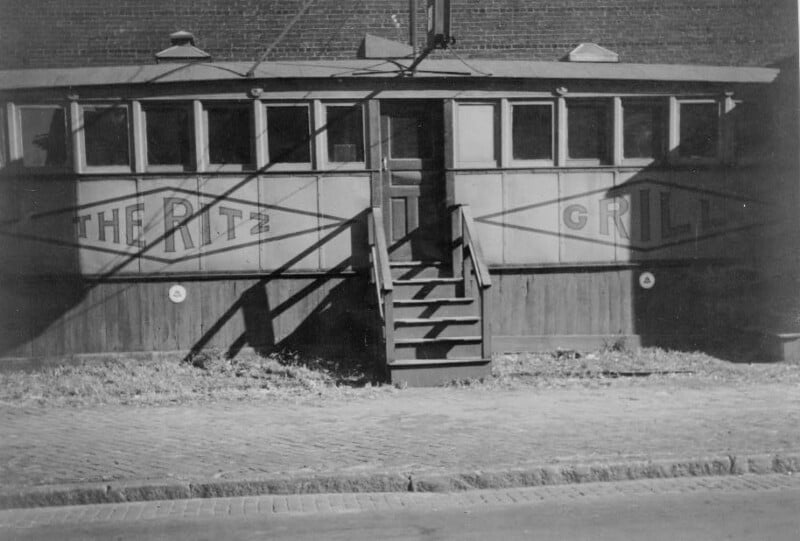
The lineage of the diner can be traced back to 1872, when Walter Scott, a part-time pressman in Providence, Rhode Island, began selling sandwiches and coffee from a horse-drawn wagon to late-night workers. These "night lunch wagons" filled a void in the market, providing sustenance when traditional restaurants were closed. By the early 20th century, companies like the Jerry O’Mahony Diner Company and the Worcester Lunch Car Company began manufacturing stationary versions of these wagons.
The defining characteristic of the classic diner—its long, narrow shape—was a direct result of logistics. Because these units were prefabricated in factories and shipped via railroad to their owners, they had to fit within the standard width of a flatbed rail car. This constraint birthed the "lunch car" design: a central counter with stools, a narrow aisle, and eventually, a row of booths along the windows. This efficient use of space allowed entrepreneurs to set up shop on small, inexpensive lots, often situated at busy intersections or near factory gates.
As the 1930s and 1940s progressed, the design language shifted from wooden, wagon-like structures to the "Streamline Moderne" style. Inspired by the aerodynamic shapes of trains and airplanes, diners began to feature curved corners, neon lighting, and extensive use of stainless steel and porcelain enamel. This aesthetic communicated a sense of speed, cleanliness, and modernity, appealing to a growing population of motorists.
A Chronological Timeline of the American Diner
The rise and transformation of the diner can be categorized into several distinct phases that mirror the broader shifts in American society:
- 1872–1910: The Wagon Era. Mobile food carts serve late-shift workers and "night owls." These were often called "pantry wagons" and were essentially the first food trucks.
- 1910–1930: The Transition to Permanence. Manufacturers began producing stationary structures. Jerry O’Mahony is credited with building the first "true" diner in 1913. During Prohibition, diners thrived as they provided a social space that did not rely on alcohol sales.
- 1930–1945: The Golden Age and Streamline Moderne. Despite the Great Depression, diners remained popular due to their low prices. The Art Deco and Streamline Moderne styles took hold, emphasizing "the look of the future."
- 1945–1960: The Stainless Steel Boom. Post-WWII prosperity led to an explosion of diners along new highways. This era saw the introduction of the "space age" look, with gleaming chrome and large plate-glass windows.
- 1960–Present: The Decline and Resurgence. The rise of the Interstate Highway System bypassed many local roads where diners were situated. Simultaneously, fast-food chains like McDonald’s offered even faster service and lower prices. However, the late 20th century saw a wave of nostalgia, leading to the preservation of many original structures and the construction of "retro" diners.
The Economic Reality: 65-Cent Breakfasts and 10-Cent Burgers
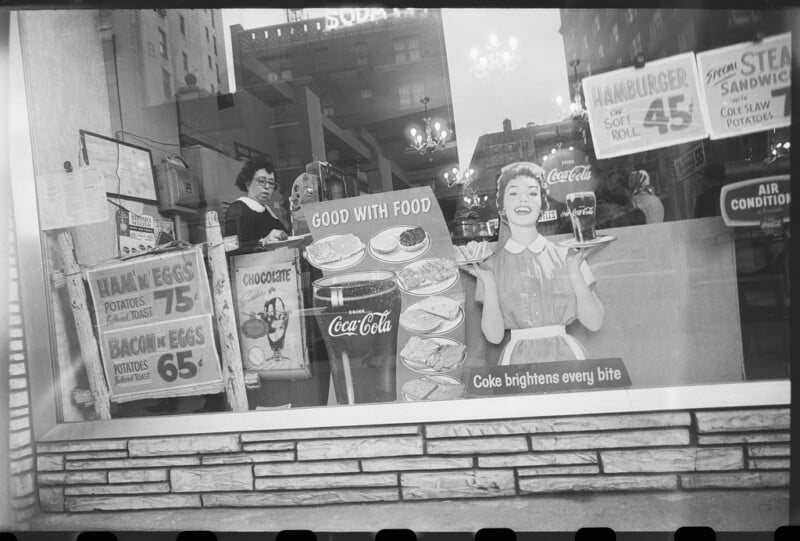
The photographs preserved by the Library of Congress do more than showcase architecture; they serve as a ledger of American inflation and consumer habits. In 1959, a New York City diner captured by photographer Angelo Rizzuto advertised a meal of bacon and eggs for just 65 cents. Adjusting for inflation, this would be roughly $6.80 today—a price point that remains competitive but highlights the diner’s historical role as the primary provider of affordable, high-protein meals for the working class.
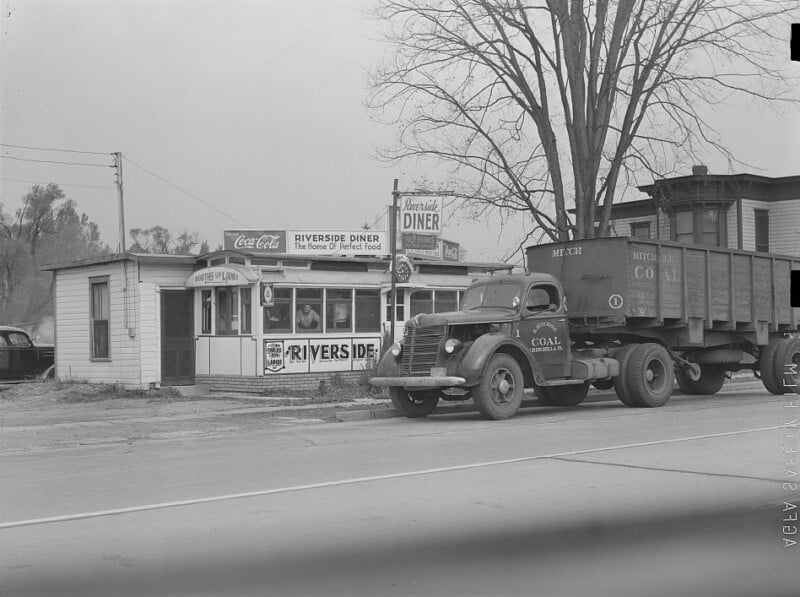
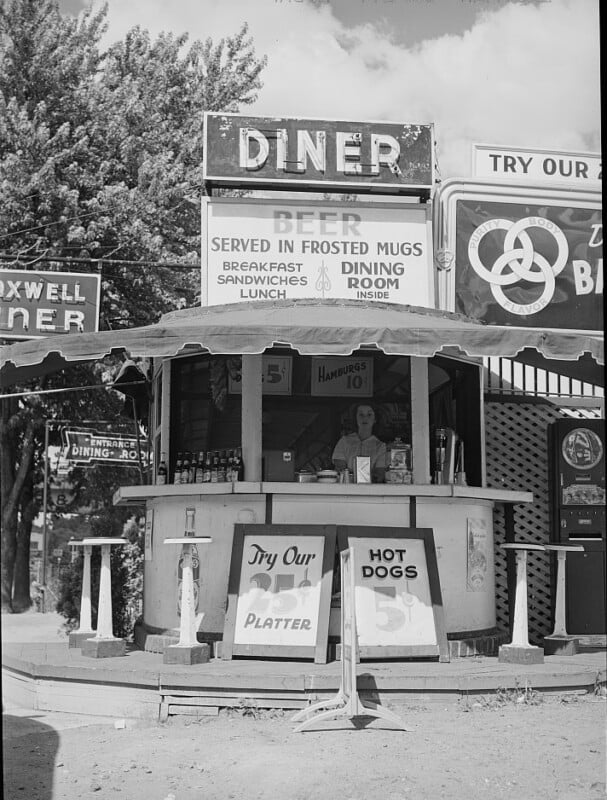
Other archival images from the 1940s show diners in Maryland and New York hawking hamburgers for 10 cents and hot dog platters for a quarter. This affordability was made possible by the low overhead of the prefabricated model. Because the buildings were small and often located on leased land, operators could focus their capital on high-volume food service. The menu was standardized across the country: coffee, milkshakes, club sandwiches, and "blue-plate specials" became the staples of the American diet.
Documentation and Preservation: The Photographer’s Role
The visual record of the American diner is largely thanks to government-sponsored photography projects and dedicated independent documentarians. During the 1930s and 1940s, the Farm Security Administration (FSA) and the Office of War Information (OWI) employed photographers like John Collier Jr., John Vachon, and Jack Delano to capture the "everyday" life of Americans.
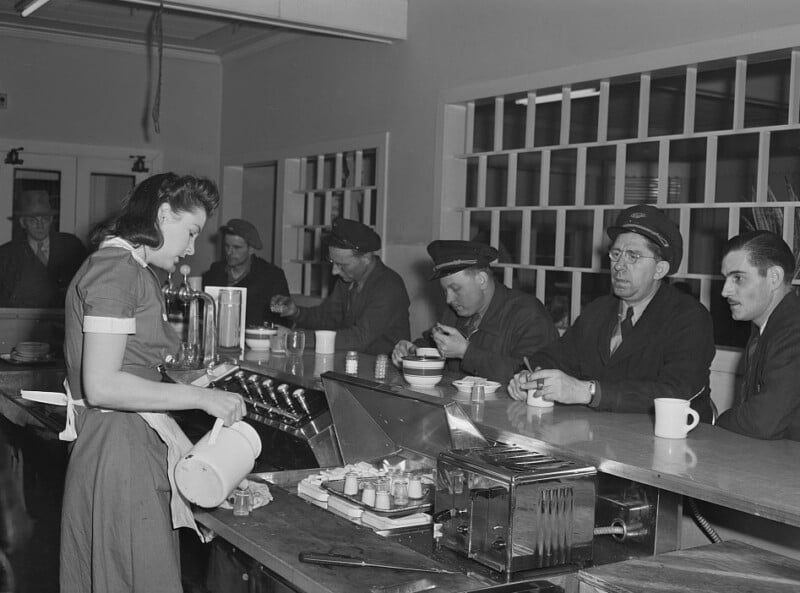
These photographers often stopped at diners—the natural rest stops of the era—to document the people they met. John Vachon’s 1943 photo of truck drivers drinking coffee in Maryland captures the diner as a "third place," a social environment separate from home and work where people of various backgrounds could congregate.
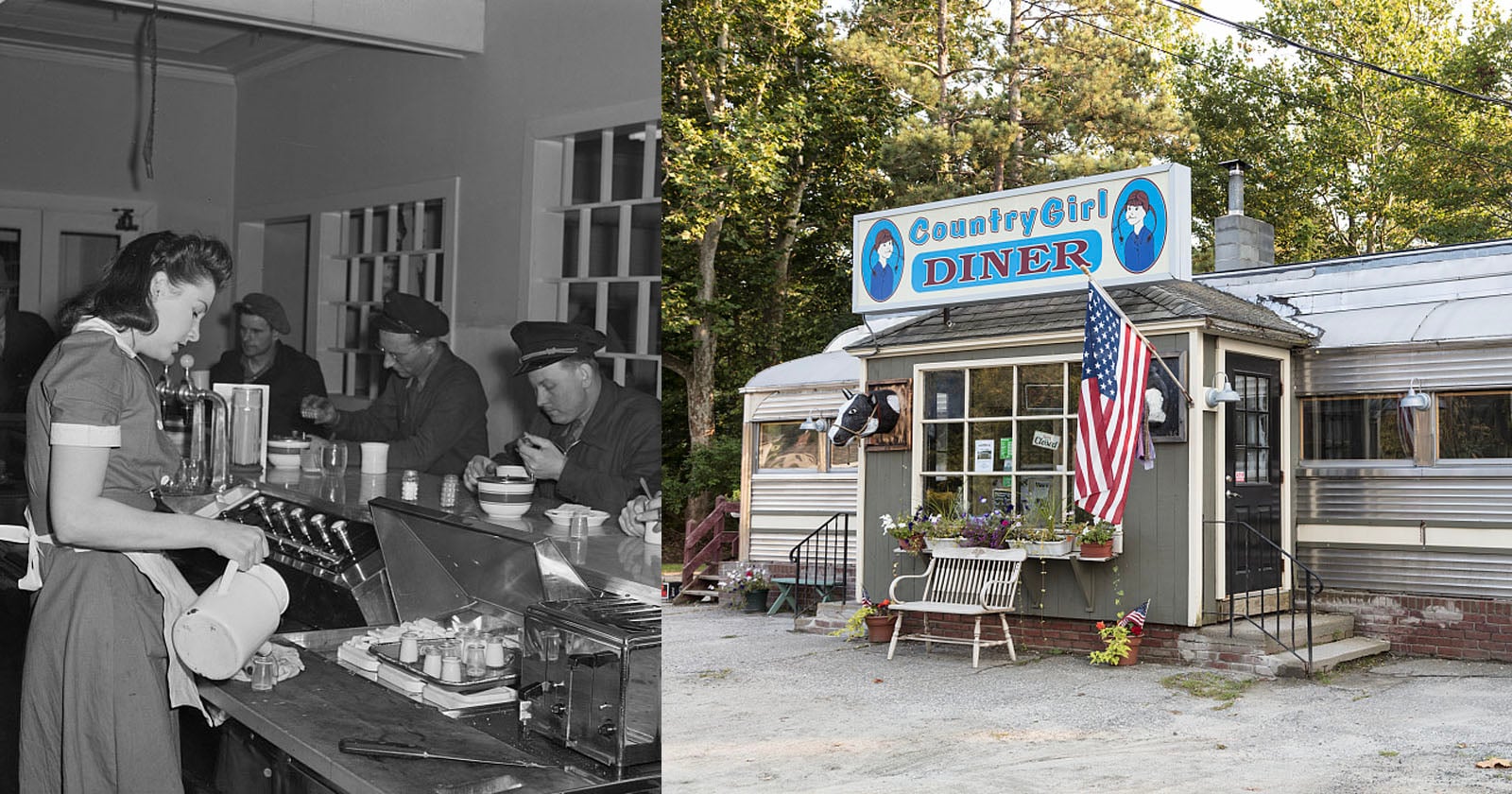
In the latter half of the 20th century, photographers like John Margolies and Carol M. Highsmith took up the mantle of documenting roadside Americana. Margolies spent decades traveling the country to photograph "novelty" architecture and diners before they were demolished. His work, now housed in the Library of Congress, is a primary resource for architectural historians. Carol Highsmith’s 2017 photo of the Country Girl Diner in Vermont demonstrates the enduring legacy of the "streamline" aluminum style, proving that these structures, if maintained, can survive for nearly a century.
Social Implications: The Democratic Table
The diner was one of the few truly democratic spaces in American life. Unlike formal restaurants that required reservations or specific dress codes, the diner welcomed everyone. At a single counter, one might find a corporate executive sitting next to a long-haul trucker, both eating the same meal and drinking the same "cup of joe."
However, this history is also a reflection of America’s social struggles. In many parts of the country, particularly the South, diners were sites of segregation and later, the focal points of Civil Rights sit-ins. The diner counter became a symbolic stage where the fight for equal access to public accommodations was waged. This adds a layer of gravity to the vintage photographs; they are not just images of lunch counters, but records of the spaces where social change was negotiated.
The Shift to Fast Food and the Modern Legacy
The decline of the traditional diner was precipitated by several factors. The Federal Aid Highway Act of 1956 created the Interstate Highway System, which prioritized speed and efficiency over local charm. Diners, which were typically located on older state routes like U.S. Highway 1 or Route 66, saw their customer bases evaporate as traffic moved to the bypasses.
Furthermore, the rise of the franchise model changed the economics of dining. Fast-food chains utilized massive advertising budgets and standardized assembly-line cooking that even the most efficient diner could not match. By the 1970s, many prefab diners were abandoned, repurposed as offices, or demolished.
Despite this, the "diner aesthetic" has never truly disappeared. The concept of the "diner" has been commodified by chains like Denny’s and IHOP, while independent "retro" diners have seen a resurgence in urban centers. Architecture critics argue that the diner’s influence can be seen in the design of modern "fast-casual" restaurants, which emphasize open kitchens and counter service.
Conclusion: A Fascinating Artifact
The preservation of these images by the Library of Congress ensures that the classic American diner remains more than a memory. As the original article notes, a photo that seems mundane at the time of its capture—a simple shot of a woman in a window or a truck parked by a roadside stand—becomes a "fascinating artifact" with the passage of time. These photographs provide a sensory link to the past, allowing modern viewers to imagine the smell of frying onions, the hiss of the espresso machine, and the clatter of heavy ceramic mugs against a Formica counter.
The American diner was an experiment in industrial design and social egalitarianism. It proved that a building could be both a mass-produced product and a unique community hub. Through the work of photographers who saw the beauty in the everyday, the diner continues to stand as a symbol of American resilience, ingenuity, and the simple, universal desire for a hot meal and a place to sit.

