



As school districts across the United States enter the critical procurement and menu-planning phase for the upcoming academic year, animal rights organizations and nutritional advocates are intensifying their efforts to modernize cafeteria offerings. People for the Ethical Treatment of Animals (PETA) has launched a strategic campaign urging parents, students, and administrators to incorporate "JUST Meat"—the latest plant-based innovation from the award-winning food technology company Eat Just—into school lunch programs. This initiative comes at a time when educational institutions are under increasing pressure to balance nutritional requirements, environmental sustainability, and the diverse dietary needs of a modern student body.
The campaign focuses on the immediate window of opportunity in late spring, a period when food service directors finalize contracts and menus for the fall semester. By providing a structured framework for community engagement, advocates hope to transition school lunches away from traditional processed meats toward sustainable, plant-derived alternatives.
The Evolution of Plant-Based Proteins: A Profile of JUST Meat
JUST Meat represents a significant milestone in the trajectory of Eat Just, a company that gained international recognition for its plant-based egg substitute, JUST Egg. Unlike traditional meat alternatives that rely heavily on soy or wheat gluten, the current generation of plant-based proteins utilizes advanced food science to replicate the molecular structure and sensory experience of animal flesh.
According to product specifications, JUST Meat is a vegan chicken alternative designed to provide high protein content without the presence of cholesterol or high levels of saturated fats. In blind consumer taste tests, the product reportedly outperformed conventional chicken in flavor and texture profiles. For educational institutions, the appeal of such products lies in their "one-to-one" replacement capability, allowing cafeteria staff to use existing recipes for nuggets, patties, and strips while significantly altering the nutritional and ethical footprint of the meal.
Eat Just’s entry into the institutional meat-alternative market follows years of research and development aimed at achieving price parity with factory-farmed poultry. As of 2026, the scaling of production has allowed these alternatives to become viable options for large-scale procurement programs, which operate on notoriously thin margins.

Nutritional Landscape and the Crisis of Adolescent Health
The push for plant-based options in schools is rooted in a growing public health crisis. Longitudinal studies have consistently shown that the "traditional" American diet—characterized by high intake of processed meats, saturated fats, and sodium—is a primary driver of early-onset metabolic disorders.
Data from the Centers for Disease Control and Prevention (CDC) indicate that childhood obesity and hypertension rates have reached unprecedented levels over the last decade. Processed meats, often categorized by the World Health Organization (WHO) as Group 1 carcinogens, have long been staples of the National School Lunch Program (NSLP) due to their low cost and ease of preparation.
By introducing JUST Meat, advocates argue that schools can mitigate these health risks. Plant-based proteins are inherently free of dietary cholesterol and typically contain higher fiber content than their animal-based counterparts. Furthermore, the exclusion of antibiotics and hormones—frequently used in the poultry industry to accelerate growth—removes secondary chemical exposures from the student diet. The shift toward "kinder, more inclusive lunch options" is thus framed not only as an ethical choice but as a preventative healthcare measure for the next generation of American leaders.
Ethical and Environmental Implications of Poultry Production
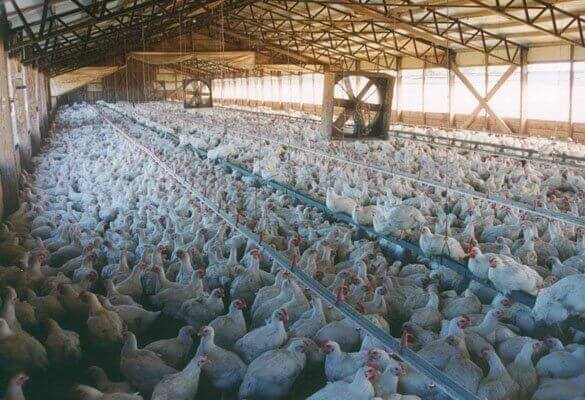
The ethical argument for transitioning to JUST Meat is underscored by the sheer scale of the domestic poultry industry. In the United States alone, approximately 9 billion chickens are slaughtered annually for human consumption. PETA’s advocacy highlights the systemic issues within factory farming, where birds are often confined to high-density sheds with minimal space for natural behaviors.
Beyond animal welfare, the environmental impact of poultry production is a significant concern for climate-conscious school boards. The production of plant-based meat requires substantially less land and water compared to industrial chicken farming. Furthermore, it generates a fraction of the greenhouse gas emissions. As many school districts commit to "Green Initiatives" and carbon neutrality goals, the cafeteria serves as a primary area where measurable reductions in environmental impact can be achieved.
The transition to JUST Meat aligns with the broader "One Health" approach, which recognizes the interconnection between human health, animal health, and the shared environment. By reducing reliance on intensive animal agriculture, schools can play a role in reducing the risk of zoonotic diseases and antibiotic resistance, both of which are exacerbated by high-density livestock operations.

Strategic Implementation via Global Food Service Providers
One of the most significant hurdles for any new product entering the school system is the complexity of institutional logistics. Most public and private schools do not purchase food directly from local vendors; instead, they rely on massive food service management companies such as Aramark and Sodexo.
JUST Meat has successfully navigated these logistical barriers by securing placement within the catalogs of these major providers. This means that for a school administrator, adding the product to the menu does not require a new vendor contract but rather a simple adjustment to their existing ordering list. Eat Just has further lowered the barrier to entry by offering samples for school-wide tastings, allowing students to vote on the menu items before they are officially implemented. This democratic approach to menu planning has been shown to increase student "buy-in" and reduce food waste.
PETA has positioned itself as a facilitator in this process, offering to connect school districts directly with Eat Just representatives to handle technical inquiries regarding nutrition labels, allergen information, and bulk pricing.
Inclusivity and the Changing Demographics of the Student Body
The modern American classroom is more diverse than ever, and dietary requirements are shifting accordingly. JUST Meat offers a solution for several demographic groups simultaneously:
- Vegan and Vegetarian Students: The number of youth identifying as plant-based has grown steadily, driven by concerns over animal rights and climate change.
- Religious Observance: Because JUST Meat is plant-derived, it avoids many of the complexities associated with the ritual slaughter of animals. It is inherently compatible with many Kosher and Halal dietary frameworks, making it a versatile tool for inclusive meal planning.
- Allergy Management: While traditional meat is not a top allergen, the additives and breading in processed chicken often are. Plant-based alternatives allow for more controlled ingredient lists.
By adopting a "universal" protein that satisfies multiple dietary restrictions, school cafeterias can streamline their operations and ensure that no student is marginalized during the lunch hour.
Analysis of Broader Industry Trends
The 2026 push for JUST Meat in schools is reflective of a wider "normalization" of plant-based proteins in the public sphere. What was once considered a niche or "alternative" lifestyle choice has moved into the mainstream of institutional dining.
Market analysts suggest that the success of this campaign will depend on the "taste-parity" and "price-parity" of the product. If JUST Meat can continue to match the cost of subsidized animal poultry, the transition may become inevitable. Furthermore, the USDA has recently updated its guidelines to allow for more flexibility in how schools meet protein requirements, creating a regulatory environment that is more hospitable to plant-based innovation.
The implications of this shift extend beyond the cafeteria. When large institutions like school districts—which serve millions of meals daily—shift their purchasing power toward sustainable alternatives, they influence the entire global supply chain. This "institutional pull" can drive down prices for the general consumer and accelerate the transition toward a more resilient food system.
Conclusion and Call to Action
As the deadline for 2026-2027 menu finalization approaches, the window for community influence is closing. PETA’s call to action emphasizes that school administrators are often responsive to the concerns of parents and guardians when those concerns are presented with clear, actionable solutions.
The provided template for communication with school boards focuses on three pillars: health, ethics, and ease of implementation. By framing the addition of JUST Meat as a low-risk, high-reward upgrade, advocates hope to see a significant increase in plant-based poultry options across the country this fall. The movement signifies a broader cultural shift toward a more conscious and compassionate approach to institutional nutrition, prioritizing the long-term well-being of both the students and the planet.

