


The initiative comes at a time when the exotic pet industry is experiencing a surge in popularity, alongside a corresponding increase in metabolic and dermatological disorders linked to improper lighting. The "Sunburned!" curriculum is designed specifically for veterinarians and veterinary technicians, providing them with the necessary tools to diagnose lighting-related illnesses and advise clients on the complex nuances of artificial solar recreation. To ensure the retention of these high-level concepts, the program includes a rigorous post-test assessment, allowing participants three attempts to demonstrate mastery of the material before receiving their formal certification.
The Critical Role of AAVSB RACE Approval in Veterinary Medicine
The American Association of Veterinary State Boards (AAVSB) plays a pivotal role in maintaining the integrity of the veterinary profession in the United States and Canada. Through the RACE program, the AAVSB evaluates and approves continuing education providers and programs to ensure they meet stringent quality standards. For veterinarians and licensed technicians, these credits are not merely optional; they are a statutory requirement for license renewal in most jurisdictions.
By securing RACE approval, the "Sunburned!" webinar is recognized as an authoritative source of information. This accreditation confirms that the content is free from commercial bias, is scientifically sound, and is presented by experts in the field of exotic animal medicine. In an era where "internet-sourced" husbandry advice often contradicts clinical science, the existence of such accredited programs ensures that practitioners remain at the forefront of evidence-based care.
The Biological Necessity of UVB Radiation
At the heart of the webinar is the exploration of the electromagnetic spectrum, specifically the UVB range (290–320 nm). For many captive exotic species, UVB is not a luxury but a fundamental physiological requirement. It facilitates the cutaneous synthesis of Vitamin D3 (cholecalciferol), which is essential for the regulation of calcium and phosphorus metabolism.
The biological process is intricate: when UVB photons hit the skin, they convert 7-dehydrocholesterol into previtamin D3. Through thermal isomerization, this is converted into Vitamin D3, which is then transported to the liver and kidneys to be hydroxylated into its active hormonal form, calcitriol. Without this pathway, animals cannot absorb dietary calcium, leading to the catastrophic breakdown of bone density—a condition known as Metabolic Bone Disease (MBD) or Nutritional Secondary Hyperparathyroidism.
However, the "Sunburned!" title highlights a darker side of the spectrum. Excessive or inappropriate UVB exposure can lead to photokeratitis (inflammation of the cornea), skin burns, and DNA damage. The webinar delves into the "Evidence-Based" aspect of this balance, teaching clinicians how to calculate the optimal "UV Index" for specific species based on their natural history and ecological niche.
A Chronology of Lighting in Herpetology: From Heat Lamps to Ferguson Zones
The evolution of our understanding of captive lighting has moved through several distinct eras. A historical perspective is necessary to understand the current clinical landscape:
- The Incandescent Era (1970s–1980s): During this period, the focus was almost entirely on heat. Most captive reptiles were kept under standard incandescent bulbs, which provided thermal energy but zero UVB. Consequently, MBD was rampant and often considered an unavoidable aspect of keeping reptiles.
- The Fluorescent Breakthrough (1990s): The introduction of specialized "reptile" fluorescent tubes allowed for the first reliable delivery of UVB without excessive heat. While a major step forward, these early bulbs often lacked the intensity required for desert-dwelling species and degraded quickly.
- The Era of Quantitative Measurement (2000s–2010s): The development of the "Ferguson Zones" revolutionized the field. Dr. Gary Ferguson and his team categorized reptiles into four zones based on their basking behavior and daily UV exposure in the wild. This provided the first scientific blueprint for artificial lighting.
- The Modern LED and Smart-Tech Era (2020s–Present): Today, the industry is moving toward high-output T5 fluorescents and emerging UVB-LED technology. The current challenge, which the webinar addresses, is the precision of these tools and the risk of "over-lighting" or "sunburning" animals with high-intensity equipment.
Technical Analysis of Modern Lighting Hardware
The webinar provides a detailed breakdown of the hardware currently available to pet owners and zoological institutions. Practitioners must be able to distinguish between different bulb types to provide accurate medical advice:
- Linear Fluorescent Tubes (T8 and T5): These remain the gold standard for providing even UVB coverage over a large area. The T5 high-output (HO) bulbs are particularly noted for their ability to project UVB further into deep enclosures, though they carry a higher risk of causing ocular damage if placed too close to the inhabitant.
- Mercury Vapor Bulbs (MVB): These provide both heat and UVB in a single lamp. While convenient, they cannot be used with thermostats and can produce erratic levels of radiation, necessitating regular testing with a Solarmeter.
- Compact Fluorescent Bulbs (CFL): Often criticized in the veterinary community, these "coil" bulbs concentrate UVB into a very small area. The webinar examines evidence suggesting that these bulbs can cause localized "hot spots" of radiation that lead to photokeratitis.
Clinical Implications for Veterinary Practice
For the practicing veterinarian, the data presented in "Sunburned!" translates directly into diagnostic and preventative protocols. When an exotic patient presents with lethargy, tremors, or soft bone structure, the clinician must perform a "lighting audit." This involves asking the client not just what bulb they use, but how old it is (UVB output decays long before the visible light burns out) and what the distance is between the bulb and the animal’s basking spot.
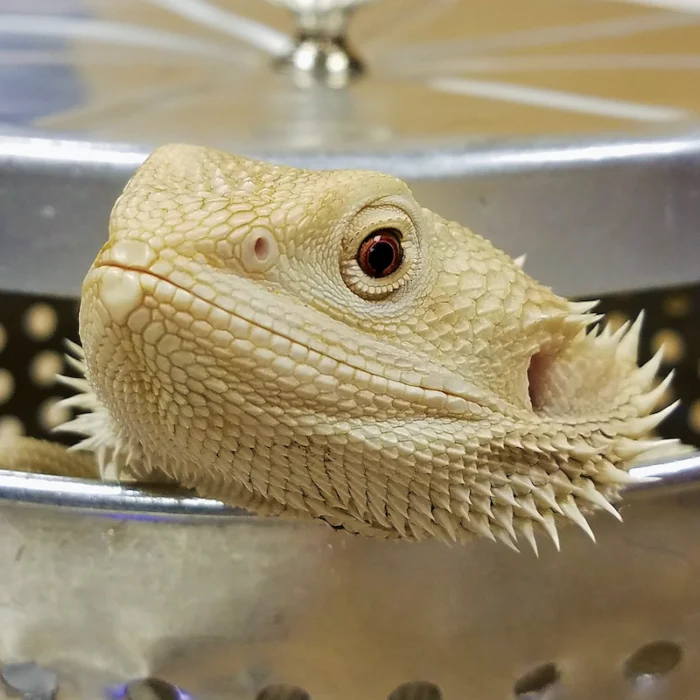
The webinar also touches upon the "Species-Specific" variable. For example, a crepuscular Leopard Gecko (Ferguson Zone 1) requires vastly different UV levels than a diurnal, sun-worshipping Bearded Dragon (Ferguson Zone 3 or 4). Misapplying a high-output desert bulb to a shade-dwelling species is a primary cause of the "sunburned" clinical cases discussed in the course.
Official Responses and Industry Impact
The release of this accredited webinar has been met with positive responses from the exotic veterinary community. Many technicians have noted that the "three-chance" post-test structure encourages a deeper engagement with the material rather than a passive viewing experience.
"Continuing education in herpetological medicine has often lagged behind canine and feline medicine," noted one inferred industry analyst. "By focusing on the physics and biology of lighting, LafeberVet is treating the root cause of the most common ailments seen in exotic clinics. This is preventative medicine at its most fundamental level."
Furthermore, the inclusion of French and Spanish language options underscores the global nature of the veterinary community. As exotic pet ownership grows in Europe and Latin America, the need for standardized, evidence-based lighting protocols becomes a worldwide priority.
Broader Implications and Future Outlook
The "Sunburned!" webinar is more than just a training module; it is a call to action for the standardization of husbandry equipment. One of the broader implications discussed is the need for more transparent labeling from lighting manufacturers. Currently, terms like "10.0" or "Desert Strength" are not standardized across brands, leading to confusion for both owners and veterinarians.
As the industry moves forward, the integration of "Smart" terrarium technology—sensors that can dim or brighten UVB lamps based on real-time Solarmeter readings—represents the next frontier. Until such technology becomes mainstream, the burden of monitoring remains with the keeper and the veterinarian.
In conclusion, "Sunburned! An Evidence-Based Update on UVB Lighting for Captive Exotic Species" represents a vital synthesis of physics, biology, and clinical medicine. By providing RACE-approved education, LafeberVet ensures that the next generation of veterinary professionals is equipped to handle the complexities of the artificial sun. Through rigorous testing and a focus on evidence over anecdote, this program contributes to the overall elevation of welfare standards for the millions of exotic animals currently in human care. For those seeking to maintain their professional licensure while advancing their clinical expertise, the webinar stands as an essential resource in the modern veterinary curriculum.

