


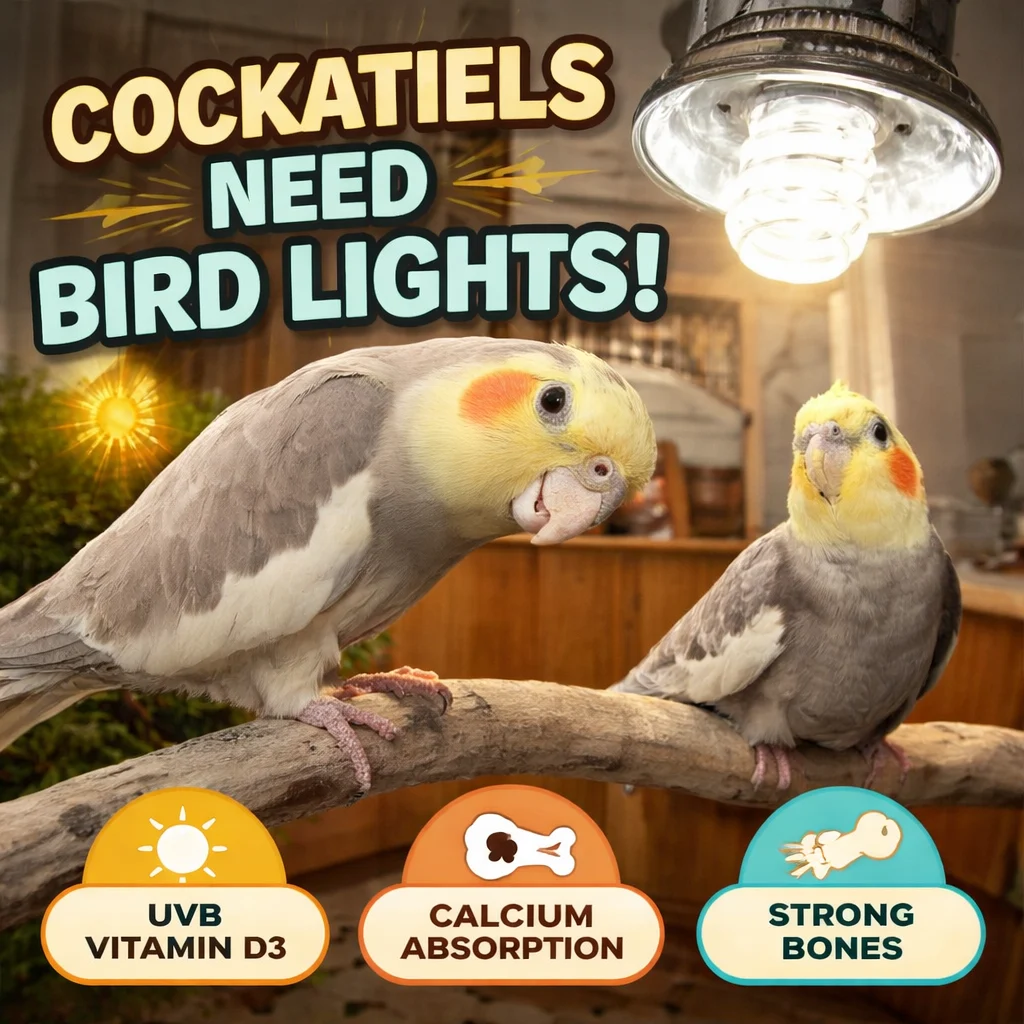
For millions of households worldwide, companion birds represent cherished family members, bringing joy and vibrant energy into domestic spaces. However, the seemingly benign environment of an indoor home often presents an invisible health challenge for these feathered friends: the critical absence of ultraviolet B (UVB) light. While a bright room or a window perch might appear sufficient, the reality is that common architectural glass and standard indoor lighting block the specific wavelengths of UVB radiation vital for avian physiological processes. This deficiency can lead to a cascade of subtle, yet ultimately debilitating, health issues that often go unnoticed until they become severe. This comprehensive guide delves into the necessity, safety, and proper implementation of avian-specific UVB lighting, offering a critical perspective for bird owners on ensuring the long-term well-being of their indoor companions.
The Silent Deficiency: Why Indoor Brightness Isn’t Enough
The fundamental misconception among many bird owners is that a brightly lit room or proximity to a window provides adequate light for their pets. This belief, while intuitive, overlooks a crucial scientific detail: standard window glass effectively filters out almost all beneficial UVB radiation. Unlike humans, whose skin can synthesize Vitamin D3 from sunlight, birds have evolved to rely on specific wavelengths of UVB light to activate a precursor molecule in their preen gland oil, which they then ingest during preening. This process is the primary mechanism for Vitamin D3 synthesis in most avian species. Without this critical UVB exposure, even a bird on an otherwise impeccable diet can suffer from severe nutrient deficiencies, primarily impacting calcium metabolism.
The diagnostic indicators for potential light deficiency are often subtle. A bird habitually sitting near a bright window but receiving no direct, unfiltered sunlight is a prime candidate for UVB deprivation. Similarly, noticeable changes in behavior, such as a duller demeanor, reduced activity levels, or increased irritability, particularly during winter months when natural light is scarcer, frequently point to disruptions in calcium metabolism and circadian rhythms. Even birds receiving a robust, nutrient-rich diet may exhibit symptoms like a weakened grip or a decline in feather quality, indicating that the essential light-dependent Vitamin D3 activation pathway is compromised. For birds already utilizing a proper UVB light setup, evidenced by strong grip, vibrant plumage, stable mood, and coordinated flight, the focus shifts to consistent maintenance of the existing lighting regimen.
The Science Behind Sunlight: Why UVB is Non-Negotiable
To comprehend the profound impact of UVB light, it’s essential to understand its role in avian physiology. Sunlight is composed of various electromagnetic wavelengths, including ultraviolet A (UVA), UVB, and UVC, as well as visible light and infrared. While UVA contributes to a bird’s psychological well-being, enhancing color perception and reproductive behaviors, it is UVB that plays the most critical role in physical health.
When UVB rays strike the skin or, more specifically, the preen gland oil in birds, they convert a precursor molecule, 7-dehydrocholesterol, into pre-Vitamin D3. Through a series of thermal reactions and metabolic conversions in the liver and kidneys, this pre-Vitamin D3 is ultimately transformed into calcitriol, the active form of Vitamin D3. Calcitriol is indispensable for calcium homeostasis, facilitating the absorption of dietary calcium from the gut, its deposition into bones, and its regulation in the bloodstream. Calcium itself is a cornerstone nutrient, vital for bone strength, muscle function, nerve transmission, blood clotting, and eggshell formation in breeding females.
The evolutionary imperative for birds to access direct sunlight is deeply ingrained. In their natural habitats, birds are exposed to varying intensities of sunlight for many hours daily. This continuous, albeit modulated, exposure ensures a consistent supply of Vitamin D3. Domestication and indoor living have inadvertently severed this ancient connection, creating a "light gap" that modern avian care must actively bridge.
The Perils of Insufficient Light: Unseen Health Declines
The absence of adequate UVB exposure does not manifest dramatically overnight. Instead, it initiates a slow, insidious decline in health, often progressing unnoticed for months or even years. The initial signs are frequently non-specific and easily overlooked, such as subtle shifts in mood or activity. However, as the deficiency deepens, more serious, systemic issues emerge.
One of the most well-documented consequences is Metabolic Bone Disease (MBD), also known as rickets in young birds or osteomalacia in adults. In MBD, bones become soft, brittle, and prone to fractures due to inadequate calcium absorption and deposition. Symptoms can range from splayed legs, bowed wings, and difficulty perching to more severe skeletal deformities and paralysis. For breeding females, calcium deficiency can lead to life-threatening egg-binding, where eggs fail to pass through the reproductive tract due to insufficient calcium for proper muscle contraction or soft, malformed eggshells.
Beyond skeletal issues, the ripple effects of insufficient Vitamin D3 and calcium extend to other bodily systems:
- Feather Quality and Molting: Poor calcium metabolism can lead to dull, brittle feathers, abnormal molting patterns, and even chronic feather plucking as the bird attempts to alleviate discomfort or nutritional stress.
- Behavioral Changes: Birds may exhibit lethargy, depression, increased aggression, or anxiety. Circadian rhythm disruptions due to lack of natural light cycles can exacerbate these behavioral issues.
- Immune System Compromise: Vitamin D3 plays a role in immune function. A deficiency can weaken a bird’s ability to fight off infections.
- Neurological Symptoms: In severe cases, hypocalcemia (low blood calcium) can cause tremors, seizures, and other neurological disturbances due to impaired nerve function.
- Reproductive Issues: Beyond egg-binding, male birds may experience reduced fertility, and chicks born to deficient mothers may have poor bone development.
Veterinary experts consistently emphasize that birds are masters of hiding weakness and illness as a survival instinct. By the time overt symptoms like falling from perches, tremors, or egg-binding become apparent, the underlying deficiency has likely been developing for an extended period, making treatment more challenging and outcomes less certain. This underscores the proactive, preventive nature of proper environmental lighting.
Dispelling Myths: Safety and Necessity of Avian Lighting
The question "Are bird lights dangerous?" is a common and valid concern among conscientious pet owners. The answer is nuanced: like any powerful tool, UV sources can be harmful if used incorrectly, but they are profoundly beneficial when applied properly. Bird-safe UVB lights are specifically engineered to replicate the beneficial, short, and controlled exposure found in natural sunlight, without the harmful intensities or wavelengths (like UVC) that can cause tissue damage.
The key to safe and effective use lies in three critical parameters:
- Distance: The intensity of UV light diminishes rapidly with distance. Each lamp manufacturer provides specific recommendations for the optimal distance between the bulb and the bird’s favorite perch. Placing the light too close can cause overexposure, while placing it too far renders it ineffective.
- Duration: Birds do not require 24/7 UVB exposure. Short, daily sessions, typically ranging from 1 to 3 hours, are generally sufficient to stimulate Vitamin D3 synthesis without risking overexposure. This mimics the peak hours of natural sunlight when birds are most active.
- Proper Fixture Type and Lamp: Not all "full-spectrum" lights provide UVB. Owners must specifically seek out lamps labeled as producing UVB for birds or reptiles. These lamps come in various forms, including compact fluorescents and linear fluorescents, each with specific requirements for fixtures and reflectors to maximize efficacy and safety. Furthermore, UVB lamps degrade over time, losing their UV output long before the visible light dims. Most avian UVB bulbs require replacement every 6-12 months, even if they still appear to be working.
The concern "Can too much UV cause cancer?" is also understandable. Excessive, prolonged exposure to any form of UV radiation can indeed damage tissues, including skin and eyes, and in extreme cases, contribute to cellular changes that might lead to neoplastic growth. However, when avian UVB lights are used according to manufacturer guidelines and veterinary recommendations – limiting exposure to short daily sessions and maintaining appropriate distances – the risk is negligible. Implementing a simple timer is a highly effective way to ensure consistent, safe duration, protecting both the bird from overexposure and the owner from forgetting to turn the light off.
Implementing Avian-Safe UVB Lighting: A Practical Guide
For bird owners realizing the critical importance of UVB light, initiating a proper lighting regimen can seem daunting, but it follows a clear, three-step "Light Reset":
-
Assess Your Bird’s Needs and Environment:
- Species-Specific Requirements: Different bird species have evolved in different natural light environments. For instance, a desert-dwelling parrot might naturally tolerate higher UV indices than a forest-dwelling finch. While most companion birds benefit from similar UVB provision, consulting with an avian veterinarian can provide tailored advice.
- Current Symptoms: Observe your bird for any of the diagnostic signs mentioned earlier (dullness, weak grip, feather issues, irritability).
- Cage Placement: Identify the primary perching areas within the cage. The UVB lamp should be positioned to illuminate these areas, creating a "basking zone" where the bird can choose to absorb UV rays.
- Existing Light Sources: Note any current lighting in the bird’s room. Understand that standard household bulbs, including LEDs, while providing visible light, do not emit beneficial UVB.
-
Select the Right UVB Lighting System:
- Choose Avian-Specific UVB Lamps: Do not use reptile UVB lamps without verifying their suitability for birds, as some reptile lamps emit higher intensities. Look for products explicitly marketed for birds. Reputable brands often provide clear specifications on UV output and recommended distances.
- Consider Lamp Type: Linear fluorescent tubes (e.g., T5 or T8) are often recommended for larger cages as they provide a broader light spread. Compact fluorescent (CFL) UVB bulbs are suitable for smaller cages or targeted basking spots.
- Fixture and Reflector: A proper fixture is essential for safety and optimal performance. Reflectors within the fixture can significantly increase the effective UV output directed towards the bird, preventing scattered light and maximizing efficiency.
- Placement Strategy: The lamp should be positioned above or slightly to the side of the cage, not directly in front of the bird’s eyes. It should be placed at the manufacturer’s recommended distance from the bird’s highest perch, typically 6-12 inches, allowing the bird to move closer or further away as desired.
-
Establish a Consistent Schedule and Maintenance Routine:
- Daily Duration: Start with a conservative schedule, such as 1 to 2 hours per day, gradually increasing to a maximum of 3 hours if needed, based on species and veterinary advice. The lamp should be turned on during daylight hours, ideally coinciding with the bird’s most active period.
- Use a Timer: A simple plug-in timer is indispensable. It ensures consistent daily exposure and prevents accidental overexposure.
- Regular Replacement: Mark your calendar for bulb replacement. As previously noted, UVB output degrades significantly over time. Most avian UVB bulbs need to be replaced every 6 to 12 months, regardless of whether they still produce visible light.
- Monitor and Observe: After implementing the new lighting, observe your bird for any changes in behavior, activity levels, and physical condition.
Monitoring Progress: Observing the Benefits of Proper Illumination
Improvements in a bird’s health and demeanor after introducing proper UVB lighting are typically gradual, not instantaneous. This is because you are supporting a fundamental physiological process that takes time to restore balance within the body. Owners should look for a range of subtle but significant indicators:
- Increased Activity and Alertness: Birds may appear more energetic, engage in more playful behaviors, and show a greater interest in their surroundings.
- Improved Mood and Temperament: A reduction in irritability, anxiety, or aggression, and a general increase in contentment.
- Enhanced Feather Quality: Noticeably brighter, smoother, and stronger feathers. Molting may become more efficient and less stressful.
- Stronger Grip and Perching Ability: Improved muscle tone and bone strength can manifest as a firmer grip on perches and more confident movement within the cage.
- Better Coordinated Flight: For free-flighted birds, improved muscle strength and overall vitality can lead to more agile and sustained flight.
- Healthier Appetite and Digestion: A more balanced metabolism can lead to a more consistent appetite and improved digestive function.
These changes reflect the body’s renewed ability to properly utilize essential nutrients, particularly calcium. It’s a testament to the power of environmental enrichment in supporting a bird’s innate biological needs.
Expert Consensus and Veterinary Recommendations
The scientific community and avian veterinary professionals have increasingly recognized the indispensable role of proper lighting in avian health. Leading avian welfare organizations and veterinary associations consistently advocate for the provision of avian-specific UVB lighting for all indoor companion birds. This consensus is built upon decades of research demonstrating the physiological necessity of UVB for Vitamin D3 synthesis and the prevention of widespread deficiency diseases.
Avian veterinarians often highlight that while dietary supplements containing Vitamin D3 are available, their efficacy can be variable. Oral supplements must be absorbed and metabolized correctly, and there’s a fine line between therapeutic and toxic doses of D3. Natural synthesis via UVB light, however, is a self-regulating process; the bird’s body will only produce as much Vitamin D3 as needed, minimizing the risk of overdose. This makes environmental UVB a safer and often more effective approach to ensuring adequate Vitamin D3 levels. Regular veterinary check-ups remain crucial to assess a bird’s overall health, including bone density and blood calcium levels, which can help tailor lighting and dietary recommendations.
The Broader Impact: Elevating Avian Welfare
The growing understanding and implementation of proper avian lighting extend beyond individual bird health; it represents a significant advancement in the broader field of avian welfare. Recognizing and addressing the specific environmental needs of companion birds elevates the standard of care, moving beyond mere survival to thriving.
This shift has implications for:
- Reduced Veterinary Burden: By preventing common and costly nutritional deficiencies, owners can reduce the frequency and expense of veterinary interventions for preventable conditions.
- Ethical Pet Ownership: Providing essential environmental enrichment, including appropriate lighting, is increasingly seen as a fundamental aspect of responsible and ethical pet ownership, acknowledging the complex biological requirements of these intelligent and sensitive animals.
- Public Awareness: Educating the public about avian lighting raises awareness about the specific needs of birds, distinguishing them from other common pets and fostering a more informed pet-owning community.
- Product Innovation: Increased demand for avian-specific lighting solutions drives innovation in product development, leading to safer, more effective, and more energy-efficient options for bird owners.
Looking Ahead: Continuous Improvement in Avian Care
As our understanding of avian physiology and behavior continues to evolve, so too will the best practices in companion bird care. Future research may refine our knowledge of optimal UVB wavelengths, intensities, and durations for different species, potentially leading to even more customized lighting solutions. The integration of smart home technology could allow for dynamic lighting schedules that more closely mimic natural light cycles, adjusting intensity and spectrum throughout the day.
Ultimately, providing appropriate avian UVB lighting is not just about preventing illness; it’s about enriching a bird’s life, supporting its natural behaviors, and contributing to its overall vitality and happiness. It’s a proactive measure that empowers bird owners to offer an environment that truly supports the complex biological needs of their feathered companions, leading to a brighter, healthier future for these cherished pets. This commitment to environmental enrichment underscores a growing recognition that true welfare extends beyond basic sustenance to encompass the complete physical and psychological well-being of every animal under human care.

