


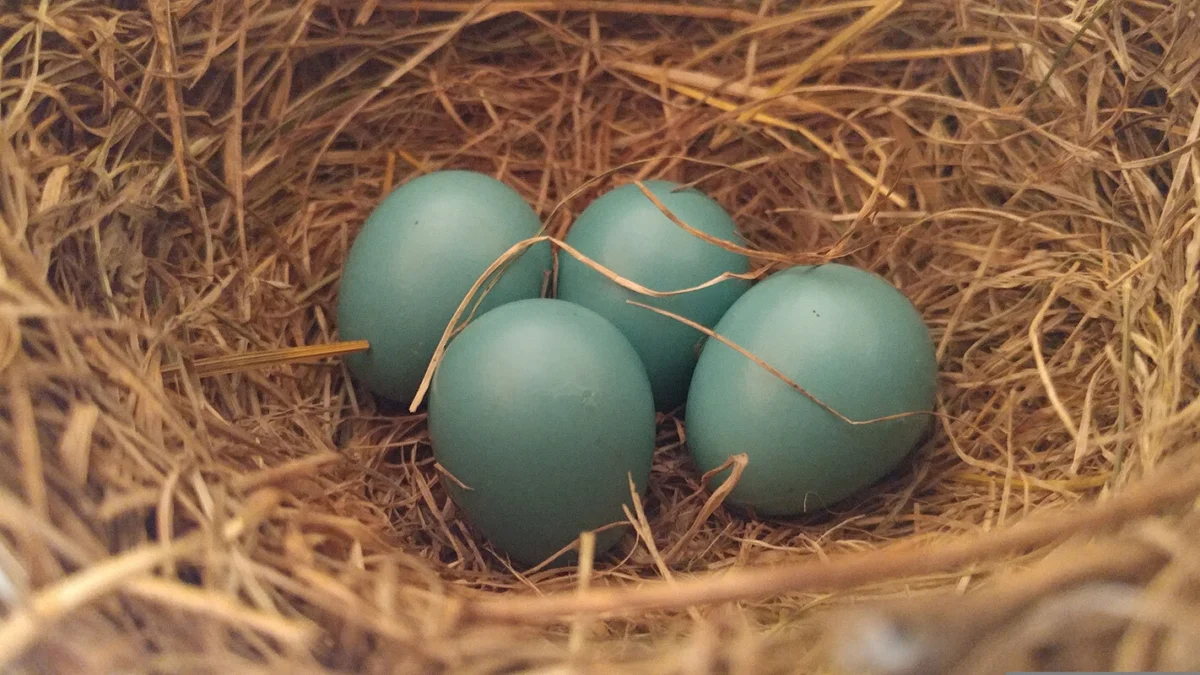
Every spring, a peculiar cultural phenomenon takes hold, perpetuating the charming but biologically unfounded notion that rabbits lay colorful eggs, meticulously secreted and hidden in gardens for eager children to discover. This whimsical narrative, epitomized by the iconic Easter Bunny, stands in stark contrast to the millennia-old reality of avian biology, where birds, the veritable virtuosos of oviparous reproduction, have been naturally crafting eggs of astonishing beauty and functional complexity. While the festive myth captivates imaginations, the scientific truth reveals a natural world far more intricate and compelling, with birds holding the undisputed title of the animal kingdom’s preeminent egg artists.
The Avian Palette: A Symphony of Color and Functional Design
Birds are the undisputed masters of egg production, exhibiting a breathtaking array of colors, patterns, and shapes, each a testament to millions of years of evolutionary refinement. Unlike the artificially dyed eggs of holiday celebrations, the hues found in nature’s nests serve critical biological purposes. The vivid blues, greens, reds, browns, and speckles adorning avian eggs are not merely aesthetic choices but are derived from specific pigments deposited during the egg’s formation within the mother bird’s oviduct. Biliverdin is primarily responsible for the striking blue and green tones, while protoporphyrins contribute to the reds, browns, and intricate speckling often seen.
The functional significance of these colors is multifaceted. Camouflage is paramount, with many ground-nesting birds, such as killdeer and plovers, laying speckled eggs that blend seamlessly with pebbles and dirt, rendering them virtually invisible to predators. Similarly, cavity-nesting birds, whose eggs are hidden from view, often lay plain white eggs, as camouflage offers no advantage in a dark, enclosed space. Conversely, the vibrant blue eggs of species like the American Robin, a widely recognized harbinger of spring, are thought to signal the female’s health and genetic quality to her mate. Studies suggest that males may interpret brighter, more consistent blue coloration as an indicator of a female’s robust immune system and ability to invest heavily in reproduction, potentially influencing paternal care. Beyond direct camouflage or signaling, some research indicates that darker pigmentation, particularly in eggs laid in colder climates, may aid in thermal absorption, helping to keep embryos warm during incubation, a crucial evolutionary adaptation highlighted by findings in Science News.
The diversity extends far beyond color. A comprehensive survey from Birdfy.com, for instance, identifies no fewer than 26 bird species that lay blue eggs, an impressive figure considering that only a handful of these birds themselves exhibit blue plumage. This underscores the independence of egg coloration from the parent bird’s appearance, driven instead by specific ecological pressures and physiological mechanisms. The CornellLab All About Birds blog further showcases the dazzling variety, from the deep, uniform blues to eggs that appear to have been artfully drizzled with chocolate, each pattern unique to its species. Interestingly, parrot eggs, despite the often-flamboyant coloration of the birds themselves, are almost exclusively matte white, emphasizing the contextual nature of egg coloration.
Beyond Color: The Engineering Marvel of Egg Shape and Structure
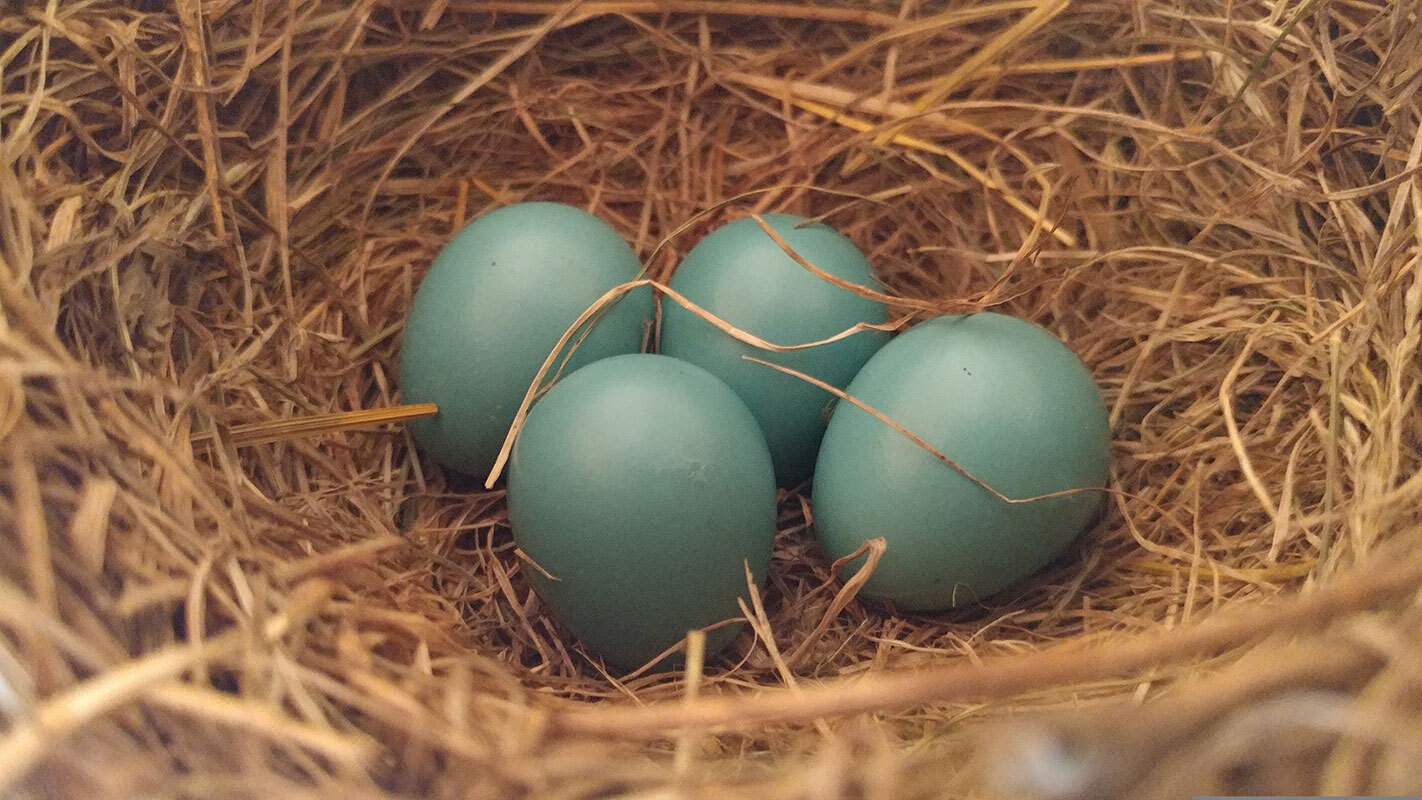
The form of a bird’s egg is as remarkable as its color, an engineering marvel optimized for survival. Egg shapes vary dramatically across species, ranging from the near-perfect sphere of an owl’s egg to the highly asymmetrical, pyriform (pear-shaped) egg of a murre, designed to roll in a tight circle, preventing it from falling off narrow cliff ledges. A groundbreaking study covered by Harvard Magazine delves into the biophysical mechanisms behind egg shapes, suggesting a profound link between avian flight capabilities and egg morphology. Stronger fliers, requiring more streamlined bodies, tend to lay more elliptical eggs, a shape that might be more efficiently packaged within their bodies. Weaker fliers, conversely, often produce rounder eggs. This theory, supported by a biophysical model, posits that variations in the eggshell membrane and internal pressure during formation can generate the full spectrum of natural egg shapes observed.
The strength of an eggshell is another testament to natural engineering. Despite their delicate appearance, eggshells are incredibly resilient, capable of withstanding the weight of an incubating parent while remaining fragile enough for a chick to break through during hatching. This strength is derived from a complex matrix of calcium carbonate crystals, arranged in layers that provide both rigidity and a degree of flexibility. The specific thickness and composition of the shell also play roles in regulating gas exchange and protecting the developing embryo from pathogens and desiccation.
Environmental Adaptations and Reproductive Strategies
The characteristics of bird eggs are intimately linked to the species’ reproductive strategies and environmental adaptations. Clutch size, incubation period, and parental care behaviors are all reflected in the eggs themselves. Birds nesting in open environments, where predation risk is high, often lay larger clutches of well-camouflaged eggs, relying on sheer numbers for offspring survival. Conversely, species with extended parental care may lay fewer, more robust eggs, dedicating greater resources to each individual chick.
The aforementioned research indicating darker pigmentation in eggs from colder climates exemplifies how environmental pressures drive evolutionary adaptations. This "thermal absorption hypothesis" suggests that darker shells, by absorbing more solar radiation, could reduce the energy expenditure required for incubation, thereby improving embryo survival rates in challenging conditions. Scientists continue to explore how factors such as maternal diet, light exposure, and even pollution can subtly influence egg characteristics, offering a window into the health of avian populations and the broader ecosystems they inhabit.
The Myth’s Genesis: Tracing the Easter Bunny’s Origins
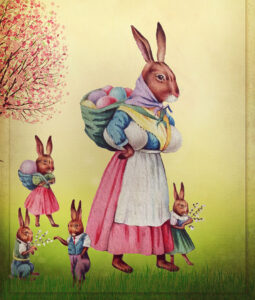
While birds perfected egg-laying over millions of years, the whimsical tale of the egg-delivering rabbit has a much more recent, yet equally fascinating, lineage rooted in ancient European traditions. The Easter Bunny, or more accurately, the Easter Hare, traces its origins back to old pagan springtime festivals in Germany, where symbols of fertility and rebirth were celebrated.
The hare, renowned for its prolific reproductive capabilities, was a natural emblem of fecundity and new life, often associated with the Anglo-Saxon goddess Eostre (or Ostara), a deity of spring and dawn whose festival was celebrated around the vernal equinox. The intertwining of pagan customs with emerging Christian traditions in medieval Europe gradually led to the hare’s association with the Christian celebration of Easter, which also marks a time of renewal and resurrection.
The specific folklore of the "Osterhase" (Easter Hare) bringing colored eggs to well-behaved children solidified in German Lutheran traditions during the 17th century. Historical records from the late 1600s, particularly in southwestern Germany, contain the earliest written accounts of this tradition. Children would build nests out of hats or baskets, hoping the magical hare would fill them with brightly colored eggs overnight. This tradition was not merely a children’s game but carried a moral dimension, as the Osterhase was often depicted as a judge, rewarding good behavior.
The German tradition of the Osterhase made its way to America in the 18th century, primarily with German immigrants settling in Pennsylvania Dutch country. They brought with them their customs, including the "Oschter Haws" (Pennsylvania Dutch for Easter Hare). Over time, this regional folklore spread across the United States, evolving from a hare to a bunny, and eventually becoming the universally recognized Easter Bunny we know today. The shift from hare to bunny likely occurred as rabbits became more common and recognizable domestic animals, making the story more relatable to children. The commercialization of Easter in the 19th and 20th centuries further cemented the Easter Bunny’s place in popular culture, complete with chocolate eggs, elaborate egg hunts, and festive imagery.
Nesting Instincts: A Comparative Look at Birds and Rabbits
Despite the playful association, rabbits and birds exhibit vastly different reproductive strategies and nesting behaviors. While the Easter Bunny myth cleverly merges the two, the reality is that their approaches to rearing young are distinct.
Birds, as discussed, construct diverse and often elaborate nests. These can range from simple scrapes on the ground to intricately woven cups in tree branches, mud structures, or excavated cavities in trees or banks. The primary purpose of a bird’s nest is to hold eggs, protect them from predators and the elements, and provide insulation during incubation. Both parents often participate in nest building and incubation, with continuous presence a hallmark of avian parental care.
Rabbits, on the other hand, build what are known as "kits’ nests" or "nests." These are typically simple, shallow depressions dug into the ground, often in open fields, under bushes, or in dense vegetation. A mother rabbit lines this rudimentary burrow with soft fur she meticulously pulls from her own body, creating a warm, camouflaged haven for her offspring. She then covers the nest with dried grass, leaves, or other plant material to conceal it from predators. Unlike birds, mother rabbits do not sit on their nests continuously. To avoid attracting predators to the vulnerable kits, she makes quick, clandestine visits only once or twice a day, usually at dawn and dusk, to nurse her young. This highly efficient, low-visibility parenting strategy is crucial for the survival of baby rabbits, known as kits, which are born blind and helpless.
Broader Implications and Modern Interpretations
The enduring popularity of the Easter Bunny myth alongside our growing scientific understanding of the natural world highlights a fascinating interplay between cultural tradition and biological reality. While the myth offers a charming narrative for children and a focal point for spring celebrations, it also presents an opportunity for education. By gently debunking the myth, parents and educators can introduce children to the genuine marvels of nature – the true artistry and biological brilliance of bird eggs.
This distinction not only fosters an appreciation for avian biology but also encourages a deeper connection to the natural environment. Understanding the functional significance of egg color, shape, and structure can spark curiosity about evolutionary adaptations and ecological relationships. Moreover, it underscores the importance of conservation efforts aimed at protecting bird habitats and ensuring the continued diversity of these remarkable creatures and their oviparous masterpieces.
In a world increasingly seeking authenticity and connection to nature, celebrating the biological reality of bird eggs alongside the delightful cultural narrative of the Easter Bunny offers a richer, more nuanced understanding of both human tradition and the wonders of the animal kingdom. While the Easter Bunny remains a cherished symbol of spring and joy, the true egg-laying experts of the world continue their silent, ancient artistry, reminding us of nature’s endless capacity for beauty and ingenious design.

