


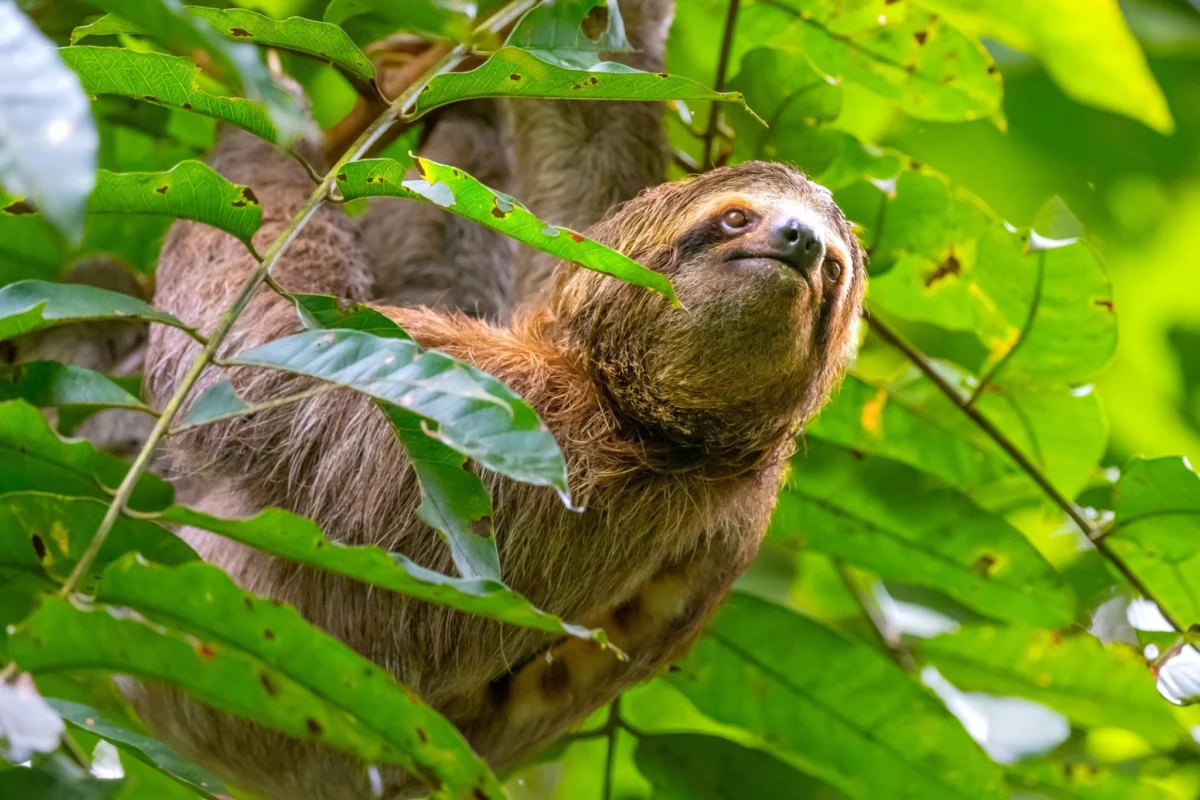
The Florida Fish and Wildlife Conservation Commission (FWC) and animal welfare organizations have brought to light a significant tragedy involving the mass mortality of sloths at a proposed commercial attraction in Orlando. Records recently obtained by People for the Ethical Treatment of Animals (PETA) indicate that as many as 52 sloths have died under the care of an entity known as Sloth World Orlando since December 2024. This facility, which was positioned as a future interactive petting zoo, has faced a "stop work" order and is now the subject of intense scrutiny by state law enforcement agencies. The incident has raised profound questions regarding the regulation of exotic animal imports, the adequacy of facility inspections, and the biological requirements of sensitive tropical species when held in captive environments.
A Chronology of Negligence and Mortality
The timeline of events at Sloth World Orlando reveals a rapid succession of animal deaths following the importation of sloths from South America. According to FWC inspection records, a shipment of sloths arrived from Guyana in December 2024. Within just five days of their arrival at a warehouse owned by company co-owners Peter Bandre and Benjamin Agresta, 21 sloths were reported dead. The warehouse, located in an industrial sector of Orlando, was reportedly not authorized to house live animals and lacked the basic infrastructure necessary for their survival.
Reports from the site indicated that the facility was devoid of electricity, running water, and climate control systems. For a species that relies entirely on external environmental factors to maintain homeostasis, these omissions proved fatal. Following the initial wave of deaths, the mortality rate continued to climb. An additional 31 sloths succumbed to various ailments, including severe vitamin deficiencies and gastrointestinal complications, bringing the total known death toll to 52.
On April 30, 2024, the situation escalated legally when PETA filed a formal complaint with the Florida Department of Law Enforcement (FDLE). The complaint calls for a comprehensive cruelty investigation into the actions of Bandre and Agresta, alleging that the animals were subjected to "prolonged suffering" and "unnecessary pain" due to the failure to provide a suitable environment.
Biological Vulnerabilities of the Sloth
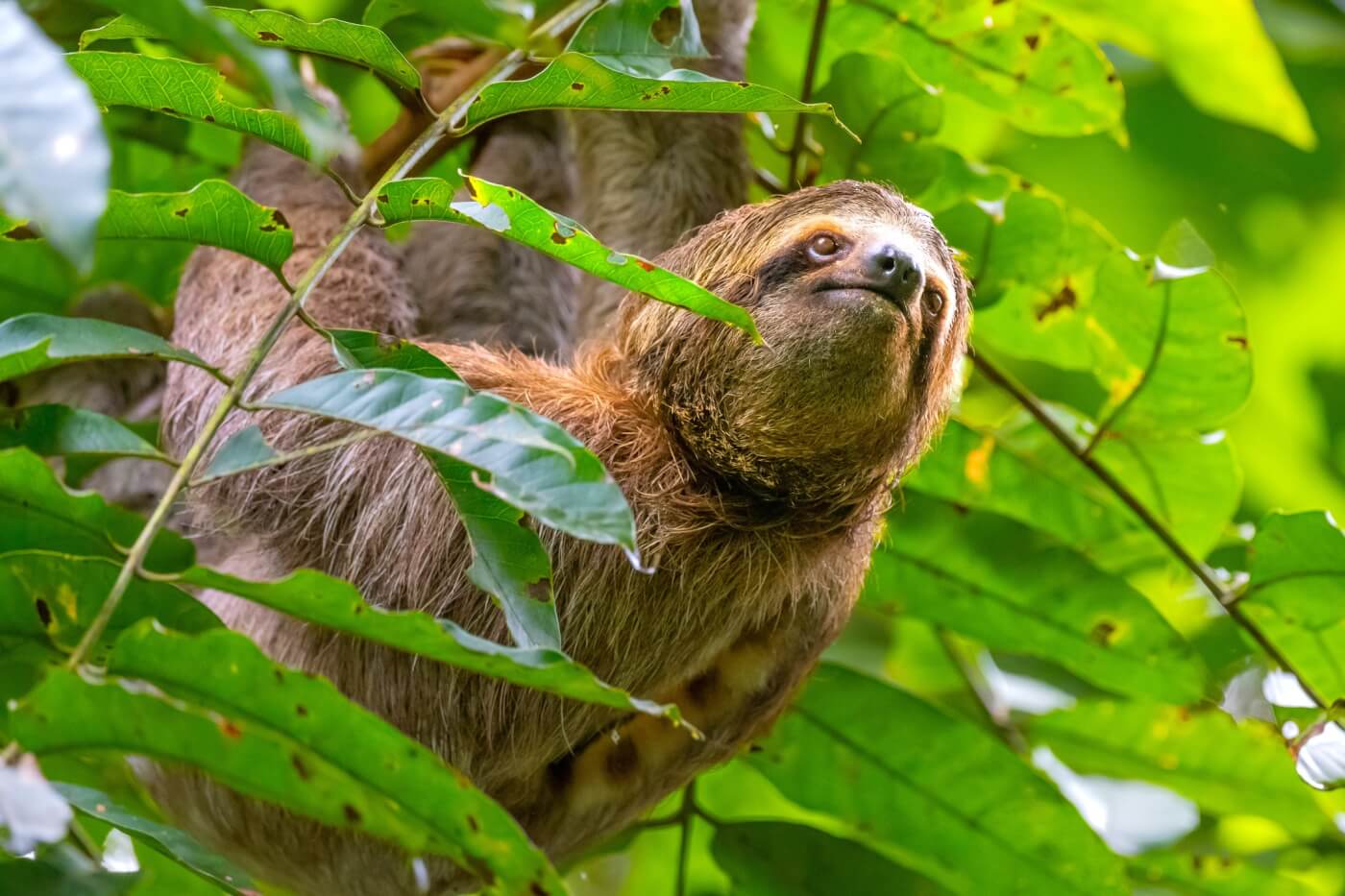
To understand the severity of the conditions at the Orlando warehouse, one must consider the unique biological needs of the sloth. Whether two-toed (Choloepus) or three-toed (Bradypus), sloths are highly specialized arboreal mammals adapted to the stable, humid temperatures of Neotropical rainforests. Unlike most mammals, sloths have a limited ability to thermoregulate. They possess a very low metabolic rate—approximately 40% to 45% of what would be expected for a mammal of their size—and their body temperature can fluctuate significantly based on the ambient temperature.
In a natural setting, sloths maintain their body heat by moving between sun and shade in the forest canopy. In a captive setting, they require precisely controlled thermal gradients. When sloths are exposed to cold temperatures, such as those found in an unheated Florida warehouse during the winter months, their digestive systems effectively shut down. Sloths rely on symbiotic bacteria in their multi-chambered stomachs to ferment the fibrous leaves they consume. If the animal’s body temperature drops too low, these bacteria die. Consequently, the sloth becomes unable to process food, leading to a state of "starvation on a full stomach." This process is not instantaneous; it is a slow, agonizing decline that involves systemic organ failure.
Furthermore, the lack of humidity in a standard industrial warehouse can lead to respiratory issues and skin conditions. Sloths are also highly sensitive to noise and vibration. The industrial environment of a warehouse, combined with the stress of international transport, likely compromised the immune systems of the surviving animals, making them susceptible to the vitamin deficiencies and gastrointestinal issues noted in the inspection reports.
The Global Trade and Transportation of Exotic Wildlife
The 52 sloths that perished in Orlando were part of a larger global trade in exotic wildlife, often fueled by the demand for "encounter" experiences and social media-friendly animal interactions. Guyana, the source country for the December shipment, is a frequent exporter of sloths to the United States. While these imports are often conducted under legal permits issued by the Convention on International Trade in Endangered Species of Wild Fauna and Flora (CITES), the logistics of the "supply chain" often place immense stress on the animals.
The journey from a Guyanese rainforest to an Orlando warehouse involves multiple stages of capture, holding, and long-distance transport. For a species that spends its life hanging upside down in a state of relative stillness, being confined in small transport crates and subjected to the pressures of air travel is traumatic. Industry experts point out that many animals arrive in the United States in a "pre-pathological" state—highly stressed and dehydrated—requiring immediate and expert veterinary intervention. The failure of Sloth World Orlando to provide even the most basic utilities suggests a total lack of preparation for the arrival of such a sensitive cargo.
Regulatory Oversight and Enforcement Gaps
The tragedy at Sloth World Orlando has highlighted potential gaps in the oversight of exotic animal facilities in Florida. The Florida Fish and Wildlife Conservation Commission is responsible for permitting and inspecting facilities that house "Class III" wildlife, a category that includes sloths. However, the Orlando facility was reportedly operating as a warehouse for vehicle storage, not as a licensed zoological park.
The "stop work" order issued by local authorities was a response to the facility’s failure to comply with building codes and zoning laws. However, for the 52 sloths that died, the intervention came too late. Critics of the current regulatory framework argue that the "roadside zoo" and "petting zoo" industry often operates in a legal gray area, where facilities may begin accumulating animals before they have secured the necessary USDA (U.S. Department of Agriculture) licenses or met state-level husbandry standards.
The PETA complaint against Bandre and Agresta seeks to hold the owners accountable under Florida’s animal cruelty statutes. Under Florida law, "unnecessary replacement" or "depriving an animal of necessary sustenance" can be prosecuted as a misdemeanor or a felony, depending on the severity and intent. The investigation will likely focus on whether the owners knowingly placed the animals in an environment that could not sustain life.
The Condition of Surviving Animals and the Role of Accredited Institutions
Following the intervention of state authorities, the surviving sloths—numbering approximately 13 at the time of transfer—were moved to the Central Florida Zoo & Botanical Gardens, an institution accredited by the Association of Zoos and Aquariums (AZA). This transfer underscores the disparity between commercial "petting zoos" and professional zoological institutions.
Veterinary teams at the Central Florida Zoo have been working to stabilize the survivors, many of whom were in critical condition upon arrival. Despite these efforts, one of the rescued sloths has already passed away, illustrating the long-term damage caused by the initial neglect. The remaining 12 sloths continue to receive specialized care, including fluid therapy, nutritional supplementation, and the restoration of a proper thermal environment. The cost of such emergency rehabilitation is significant, often placing a burden on non-profit accredited zoos that step in to clean up the aftermath of failed private ventures.
Broader Implications for the "Animal Encounter" Industry
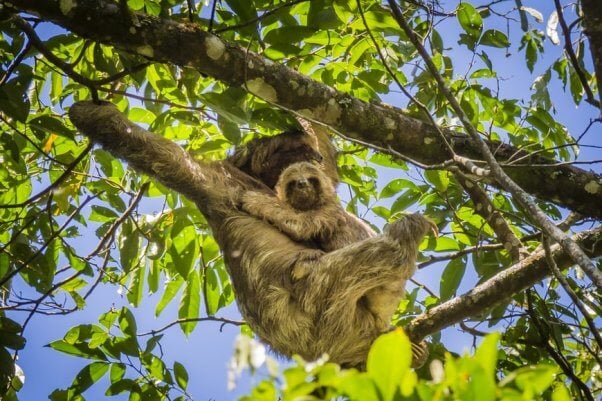
The incident at Sloth World Orlando serves as a cautionary tale for the burgeoning "animal encounter" industry. In recent years, sloths have become one of the most popular species for interactive tourism, leading to a proliferation of facilities offering "sloth selfies" and feeding sessions. While these interactions are marketed as educational, animal welfare advocates argue that they prioritize profit over the physiological and psychological needs of the animals.
The mass mortality in Orlando may prompt a reevaluation of how permits are issued for the commercial display of sloths. There are growing calls for stricter requirements regarding the "proof of facility" before animals can be imported or moved. This would ensure that no animal is ever delivered to a location that lacks electricity, water, or climate control.
Furthermore, the public reaction to the Sloth World scandal reflects a shifting tide in consumer sentiment. As more information emerges regarding the high mortality rates associated with the exotic animal trade, there is increasing pressure on tourists to seek out only those facilities that are accredited and prioritize conservation over entertainment.
Conclusion: A Call for Accountability
As the Florida Department of Law Enforcement reviews the evidence provided by PETA and the FWC, the focus remains on the 52 lives lost in a cold, dark warehouse. The tragedy of Sloth World Orlando was not an unavoidable accident; it was the result of a systemic failure to respect the biological limits of a fragile species. The outcome of the legal investigation will serve as a landmark for how Florida handles animal neglect in the commercial sector. For now, the focus remains on the survivors at the Central Florida Zoo, whose struggle for health serves as a living reminder of the consequences of treating wildlife as mere commodities.

