


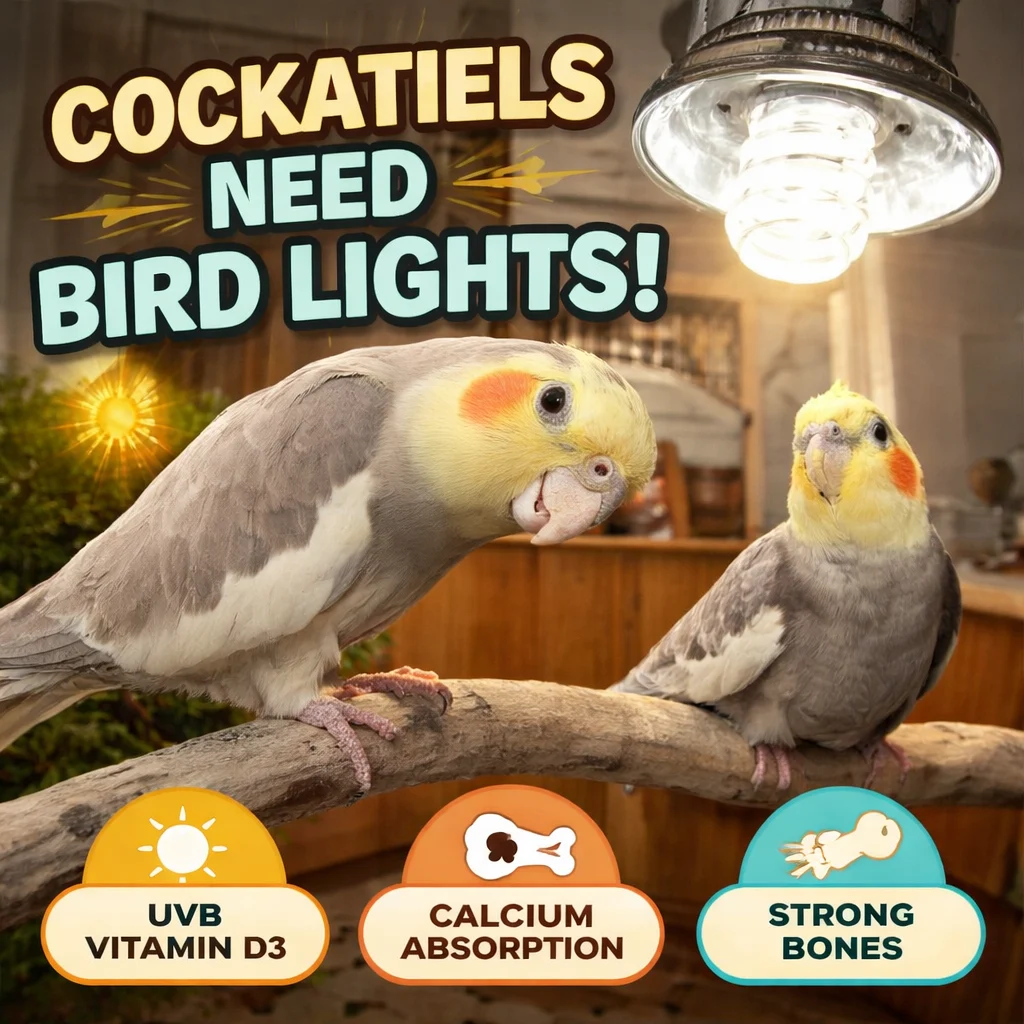
For millions of pet bird owners worldwide, the comfort and safety of an indoor environment are paramount. However, this seemingly ideal setting often inadvertently deprives avian companions of a critical element vital for their health: natural sunlight, specifically its ultraviolet B (UVB) spectrum. The pervasive belief that a brightly lit room or proximity to a window suffices for a bird’s light requirements is a significant misconception, leading to a silent epidemic of health issues in captive birds. This article delves into the scientific necessity of UVB lighting for indoor birds, addressing common questions regarding its safety, implementation, and profound impact on avian well-being.
The Unseen Deficiency: Why Indoor Environments Fall Short
The primary challenge for indoor birds stems from the fundamental difference between natural outdoor light and typical indoor illumination. Natural sunlight is a full-spectrum light source, encompassing visible light, infrared, and ultraviolet (UVA and UVB) wavelengths. UVB radiation, specifically within the 290-320 nanometer range, is indispensable for endogenous vitamin D3 synthesis in birds. When exposed to UVB, a precursor sterol in the bird’s skin (7-dehydrocholesterol) is converted into previtamin D3, which then isomerizes into vitamin D3. This vitamin D3 is subsequently metabolized in the liver and kidneys into its active hormonal form, calcitriol, which is essential for calcium absorption from the gut and its proper metabolism throughout the body.
However, standard window glass, even clear panes, acts as a highly effective filter for UVB rays. While visible light and some UVA might pass through, virtually all beneficial UVB is blocked. This means a bird sitting by a window, no matter how bright the room appears, receives negligible amounts of the critical UVB wavelength needed for vitamin D3 production. Similarly, most artificial indoor lights, including incandescent, fluorescent, and LED bulbs designed for human environments, do not emit UVB. While some may emit UVA (which is also beneficial for avian vision and psychological well-being), UVA alone cannot trigger vitamin D3 synthesis.
The Silent Crisis: Symptoms of Light-Dependent Vitamin D3 Deficiency
The absence of adequate UVB exposure doesn’t manifest as an immediate, dramatic illness. Instead, the effects are subtle and progressive, often mimicking other conditions, making diagnosis challenging without a keen understanding of avian physiology. Avian veterinarians and researchers have identified a clear chronology of symptoms associated with chronic vitamin D3 deficiency:
-
Initial Stages (Months 1-6):
- Subtle Behavioral Changes: Birds may appear less active, more lethargic, or irritable. Their natural curiosity might diminish, and they may show reduced vocalizations.
- Feather Quality Decline: While diet plays a role, poor feather condition (dullness, stress bars, delayed molting) can also be an early indicator of metabolic stress related to calcium imbalance.
- Reduced Grip Strength: Owners might notice their bird’s grip on perches or their hand feels weaker. This is often an early sign of muscle weakness stemming from inadequate calcium for muscle contraction.
-
Intermediate Stages (Months 6-18):
- Bone Density Issues: As calcium is continuously drawn from bones without replenishment, bones become brittle. This can lead to increased susceptibility to fractures, particularly in the legs and wings.
- Neurological Symptoms: Calcium is crucial for nerve function. Deficiency can manifest as tremors, unsteady gait, or even seizures in advanced cases.
- Reproductive Problems: For breeding birds, inadequate vitamin D3 and calcium are devastating. Egg-binding (dystocia), soft-shelled eggs, or eggs with poor viability are common. Chicks from deficient mothers may suffer from rickets and fail to thrive.
-
Advanced Stages (18+ Months):
- Severe Osteodystrophy (Rickets in young birds, Osteomalacia/Osteoporosis in adults): Bones become severely demineralized, leading to deformities, lameness, and chronic pain.
- Hypocalcemic Crises: Acute drops in blood calcium levels can trigger severe seizures, collapse, and potentially death.
- Compromised Immune Function: Vitamin D3 also plays a role in immune system modulation, making deficient birds more susceptible to infections.
- Organ Damage: Chronic calcium imbalance can impact kidney function and other vital organs.
The expert consensus among avian veterinarians emphasizes that birds are masters at concealing illness. By the time overt symptoms like falling, tremors, or egg-binding are observed, the underlying deficiency has likely been developing for months, if not years, making intervention more challenging. Therefore, preventative measures, primarily through proper UVB lighting, are crucial.
Historical Context and Evolving Understanding
The understanding of avian light requirements has evolved significantly over the past century. Early captive bird care often focused solely on diet and basic housing. As scientific knowledge advanced, the importance of vitamin D in human and animal health became clear, leading to the fortification of foods and the recommendation of supplements. However, the unique metabolic pathway of vitamin D3 synthesis in birds, requiring specific UVB wavelengths, was not fully appreciated until later.
Throughout the late 20th and early 21st centuries, research by avian physiologists and veterinarians highlighted the prevalence of metabolic bone disease and other calcium-related disorders in pet birds, even those on seemingly balanced diets. This led to a re-evaluation of environmental factors, culminating in the recognition of UVB lighting as a non-negotiable component of proper avian husbandry. Today, leading avian organizations and veterinary bodies unequivocally recommend providing supplemental UVB lighting for all indoor pet birds.
The Safety Imperative: Using UVB Lights Correctly
Despite the clear benefits, a common concern among owners is the safety of UVB lights, often drawing parallels to human skin cancer risks from excessive sun exposure. It is crucial to understand that, like any powerful tool, UVB lights are safe and beneficial when used correctly, but potentially harmful if misused. The key parameters for safe and effective use are:
- Distance: The intensity of UVB radiation diminishes rapidly with distance. Each bulb comes with manufacturer guidelines specifying the optimal distance from the bird’s perch to achieve the desired UVB output without overexposure. This distance is critical and typically ranges from 6 to 18 inches, depending on the bulb’s wattage and design. Placing the light too close can cause burns or eye damage, while too far renders it ineffective.
- Duration: Birds in the wild are not exposed to direct, unfiltered sunlight for 24 hours a day. Mimicking natural exposure patterns, most recommendations suggest providing UVB for short daily sessions, typically 1 to 3 hours. A common practice is to integrate it into the bird’s regular "daylight" cycle, ensuring the bird also has access to shaded areas within its cage where it can retreat from the light if desired.
- Proper Fixture Type: The fixture should be designed to safely house the specific UVB bulb. It’s often recommended to use fixtures with reflectors to direct the light efficiently towards the bird and prevent scatter. Additionally, the light should be positioned above the cage, not directly in front of the bird’s eyes, to prevent eye damage. A timer is an indispensable tool for consistent and controlled exposure, preventing accidental overexposure.
- Bulb Type and Replacement: Not all "full-spectrum" bulbs emit UVB. Owners must specifically seek out bulbs marketed as "avian UVB" or "reptile UVB" bulbs with a proven track record. These bulbs typically come in compact fluorescent, linear fluorescent, or mercury vapor forms. Importantly, UVB output degrades over time, even if the visible light remains. Most UVB bulbs need to be replaced every 6 to 12 months, regardless of whether they still appear to be working, as their UVB output will have diminished to ineffective levels.
Selecting the Right Avian Lighting System
Choosing the appropriate UVB light involves understanding a few key specifications:
- UVB Percentage: Avian UVB bulbs are often rated with a percentage (e.g., 5.0, 10.0), indicating the approximate percentage of UVB in their total light output. For most pet birds, a 5.0 or 6.0 UVB bulb is suitable, providing a moderate intensity that mimics partial shade conditions. Species with higher natural sun exposure (e.g., desert-dwelling parrots) might benefit from higher percentages, but always with careful consideration of distance and duration.
- Linear vs. Compact Fluorescent: Linear fluorescent tubes (T5, T8) offer a broader spread of light, ideal for larger cages, while compact fluorescent bulbs are suitable for smaller enclosures.
- Mercury Vapor Bulbs: These bulbs provide both heat and UVB, often used for larger enclosures or outdoor aviaries where a heat source is also desired. They typically have a longer lifespan for UVB output but require specific fixtures and careful placement due to their higher intensity.
- Full Spectrum (CRI and Kelvin): While UVB is for vitamin D3, the "full spectrum" aspect (high Color Rendering Index (CRI) and appropriate Kelvin temperature) is also beneficial for avian vision and circadian rhythms. Birds perceive a broader spectrum of light than humans, including UVA, which influences their visual acuity, mate selection, and foraging behaviors. A Kelvin temperature between 5000K-6500K mimics natural daylight.
Implementing a "Light Reset": A Step-by-Step Guide
For owners whose birds have been living without adequate UVB, implementing a "light reset" involves a methodical approach:
- Assessment and Bulb Selection: First, evaluate your bird’s current setup. Identify existing lighting and determine if it provides UVB. Research reputable brands for avian UVB bulbs (e.g., Arcadia, Zoo Med, Avian Sun) and select the appropriate type and percentage based on your bird’s species and cage size. Consult with an avian veterinarian for species-specific recommendations.
- Strategic Placement and Fixture: Mount the UVB light fixture securely above the cage, ensuring it’s not directly over food or water bowls where it could heat them excessively. Position the light so that the bird has access to the recommended UVB zone (specific distance from the bulb), but also shaded areas to retreat to. Use a reflector to maximize efficiency and prevent light spill. Ensure the bulb is positioned so no glass or plastic barrier (like the top of a cage or a light cover) is between the bulb and the bird, as these will block UVB.
- Timed Introduction and Schedule: Begin with short exposure times, perhaps 1 hour per day, gradually increasing to 2-3 hours over a week or two. Use a reliable timer to maintain consistency. Integrate the UVB session into the bird’s natural "daylight" hours, typically during the brightest part of the day. Observe your bird’s reaction; if they seem stressed or agitated, reduce the duration or adjust the distance.
Monitoring Progress and Long-Term Maintenance
Improvements from UVB supplementation are not instantaneous; they are gradual, supporting fundamental physiological processes. Owners can expect to see positive changes over several weeks to months:
- Behavioral Improvements: Increased activity, curiosity, vocalization, and a more stable, less irritable mood.
- Physical Health: Stronger grip, improved feather vibrancy and quality, and enhanced coordination in flight and movement. For birds previously suffering from bone issues, a veterinarian may monitor bone density over time.
- Reproductive Health: For breeding birds, improved egg quality and hatch rates.
Long-term maintenance involves consistent adherence to the daily schedule and, crucially, regular bulb replacement. Mark the replacement date on the calendar when you install a new bulb, typically every 6-12 months, even if the visible light is still working. This proactive approach ensures a continuous supply of therapeutic UVB.
Veterinary Perspectives and Broader Implications
Avian veterinarians universally advocate for proper UVB lighting. They emphasize that while diet and supplements are important, they cannot fully compensate for the lack of endogenous vitamin D3 synthesis triggered by UVB. Many cases of chronic illness, ranging from feather plucking to severe skeletal deformities, have been linked to or exacerbated by long-term UVB deficiency. Veterinarians can help owners select the right bulb, determine appropriate distances, and monitor a bird’s health for signs of improvement or ongoing issues. Blood tests can measure vitamin D3 levels, offering a definitive diagnostic tool.
The broader implications of this understanding extend beyond individual pet owners. It impacts the pet bird industry, driving demand for specialized lighting products and promoting better educational resources for new bird owners. It also raises ethical considerations for animal welfare organizations, highlighting the responsibility to provide environments that meet the complex biological needs of captive animals. As more research emerges, our understanding of avian light requirements will continue to refine, leading to even better standards of care.
Conclusion: Illuminating Avian Well-being
The question of whether a bird light is truly necessary for indoor birds has a resounding answer: yes. It is not merely a luxury but a fundamental requirement for their long-term health and well-being. By understanding the science behind UVB, adhering to safety protocols, and diligently implementing proper lighting systems, bird owners can prevent a myriad of debilitating health issues, ensuring their cherished companions live vibrant, healthy, and fulfilling lives. The seemingly simple act of installing a specialized light can literally illuminate a path to profound improvements in avian welfare, transforming the lives of countless indoor birds from subtle deficiency to thriving vitality.

