


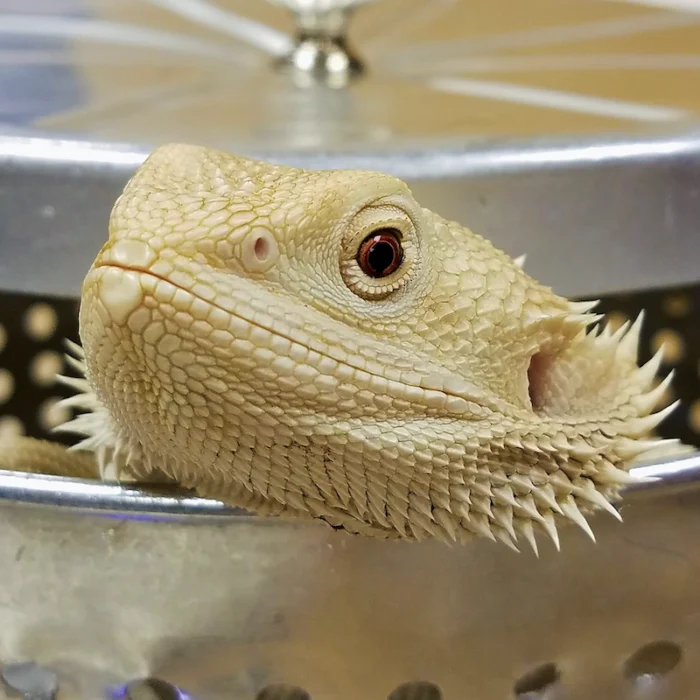
The American Association of Veterinary State Boards (AAVSB) Registry of Approved Continuing Education (RACE) program has officially sanctioned a specialized webinar titled Sunburned! An Evidence-Based Update on UVB Lighting for Captive Exotic Species. This educational initiative provides one hour of continuing education (CE) credit for licensed veterinarians and veterinary technicians across jurisdictions that recognize AAVSB RACE approval. Hosted by the professional resource platform LafeberVet, the webinar represents a significant step forward in the standardization of care for non-traditional companion animals, focusing on the critical yet often misunderstood role of ultraviolet B (UVB) radiation in captive environments.
The program is designed to address the evolving scientific consensus regarding the physiological requirements of exotic species, particularly reptiles, birds, and certain small mammals. As veterinary medicine shifts toward more precise, evidence-based protocols, the necessity for practitioners to understand the nuances of artificial lighting has become paramount. The webinar offers a comprehensive review of current lighting technologies, the biological pathways influenced by UVB, and the clinical consequences of both deficiency and overexposure.
The Critical Role of UVB in Exotic Animal Physiology
To understand the necessity of this webinar, one must first examine the biological role that ultraviolet radiation plays in the health of exotic species. UVB radiation, specifically in the wavelength range of 290 to 315 nanometers, is the primary catalyst for the synthesis of Vitamin D3 in the skin. For many captive animals, particularly diurnal reptiles and certain avian species, this metabolic pathway is the only effective means of regulating calcium levels.
When UVB photons hit the skin, they convert 7-dehydrocholesterol into previtamin D3, which then isomerizes into Vitamin D3. This vitamin is essential for the absorption of calcium from the gastrointestinal tract. Without adequate UVB exposure, these animals develop metabolic bone disease (MBD), a painful and often fatal condition characterized by bone fractures, tremors, and soft shells in chelonians.
However, the "Sunburned" aspect of the webinar’s title highlights an emerging concern in the field: the risk of excessive or inappropriate radiation. Historically, the veterinary community focused almost exclusively on preventing deficiencies. With the advent of high-output T5 fluorescent bulbs and metal halide lamps, the industry has seen an increase in cases of photo-keratoconjunctivitis (eye inflammation) and thermal or actinic skin damage. The webinar aims to provide clinicians with the tools to find the "Goldilocks zone" of lighting—providing enough radiation for health without causing tissue damage.
Chronology of Captive Lighting Research
The history of UVB lighting in herpetology and avian medicine has undergone several distinct phases over the last four decades. In the 1980s and early 1990s, the understanding of UVB was rudimentary. Many hobbyists and even practitioners relied on dietary Vitamin D3 supplements, which often proved insufficient or led to toxicity.
By the early 2000s, the introduction of the first generation of specialized UVB fluorescent bulbs revolutionized the industry. However, early testing showed that many of these bulbs emitted radiation in the UVC range (below 280 nm), which is harmful to living cells and does not occur naturally at the Earth’s surface. This era was marked by trial and error, as researchers worked to develop bulbs that mimicked the solar spectrum more accurately.
The mid-2010s saw the development of the "Ferguson Zones," a landmark classification system developed by Dr. Gary Ferguson and a team of researchers. This system categorized reptiles into four zones based on their basking behavior and daily UV exposure in the wild. This chronology of research serves as the foundation for the current webinar, moving the conversation from general "reptile lighting" to species-specific requirements based on ecological data.
Technical Data and Clinical Implications
The webinar delves into the technical metrics used to measure light quality, such as the Ultraviolet Index (UVI). Veterinarians are increasingly encouraged to use Solarmeters to measure the actual output of bulbs within an enclosure, rather than relying solely on the manufacturer’s claims or the age of the bulb. Supporting data indicates that UVB output can degrade significantly over six to twelve months, even if the bulb still appears to be emitting visible light.
Furthermore, the program addresses the physics of light penetration. UVB radiation is easily filtered out by glass, fine mesh, and even heavy dust. For a practitioner, understanding these variables is essential when troubleshooting health issues in a captive patient. If a client presents a bearded dragon with lethargy and low bone density, the veterinarian must be able to evaluate the distance of the lamp from the animal, the presence of obstructions, and the specific brand and age of the bulb.
The clinical implications discussed in the webinar extend beyond bone health. Modern research suggests that UVB exposure influences the immune system, circadian rhythms, and even the psychological well-being of exotic species. By providing an evidence-based update, the webinar ensures that veterinary professionals are equipped to provide holistic care that goes beyond basic survival.
Access Logistics and Educational Requirements
As an AAVSB RACE-approved program, the webinar maintains rigorous standards for participation and verification. To receive the one hour of CE credit, participants must be members of LafeberVet, a digital repository for veterinary professionals specializing in exotic species. The platform offers resources in multiple languages, including English, French (Français), and Spanish (Español), reflecting the global nature of the veterinary community.
The assessment process is designed to ensure comprehension of the complex material. Participants are granted three attempts to pass a post-test. Upon achieving a passing grade, the system generates a formal continuing education certificate. This structured approach ensures that the credit awarded is a true reflection of the practitioner’s updated knowledge base.
Official Responses and Professional Perspectives
While the AAVSB does not provide subjective commentary on individual webinars, the approval of this program under the RACE registry indicates that it meets the high standards required for professional licensure renewal. The veterinary community has generally responded positively to the increase in evidence-based resources for exotic medicine.
Inferred reactions from specialists in the field suggest that such webinars are crucial for closing the gap between general practitioners and board-certified exotics specialists. As more households adopt "pocket pets," reptiles, and birds, the average veterinarian is more likely than ever to encounter a species with specific UVB requirements. Professional organizations emphasize that staying current with lighting technology is no longer optional but is a core competency for modern veterinary practice.
Broader Impact on Animal Welfare and the Pet Industry
The implications of this educational update reach far beyond the walls of the veterinary clinic. As veterinarians become better educated on UVB requirements, they are better positioned to educate their clients. This "trickle-down" effect of knowledge is a primary driver of improved animal welfare in the pet industry.
When a veterinarian can provide a client with specific, evidence-based recommendations—such as "this species requires a Ferguson Zone 3 exposure level with a UVI of 1.0 to 2.6 at the basking site"—it removes the guesswork that often leads to poor husbandry. This precision helps prevent the chronic, debilitating conditions that frequently lead to the abandonment or euthanasia of exotic pets.
Furthermore, the demand for better education is pushing manufacturers to be more transparent and accurate in their product labeling. As the veterinary community adopts higher standards for what constitutes "adequate lighting," the industry must respond by producing high-quality, reliable equipment. The "Sunburned!" webinar serves as a catalyst for this ongoing evolution, ensuring that the science of the laboratory and the clinic continues to inform the reality of the pet enclosure.
Conclusion and Future Outlook
The release of the "Sunburned! An Evidence-Based Update on UVB Lighting for Captive Exotic Species" webinar marks a pivotal moment in the professionalization of exotic pet care. By synthesizing decades of research into a concise, accredited format, LafeberVet and the AAVSB are providing a vital service to the veterinary community.
As our understanding of the electromagnetic spectrum and its effects on biological life continues to deepen, the veterinary field must remain agile. Future updates may include the role of UVA radiation in animal vision and behavior, or the impact of full-spectrum LED technology on captive ecosystems. For now, the focus remains on the critical balance of UVB—a balance between the life-giving necessity of Vitamin D3 synthesis and the protective measures required to prevent radiation-induced injury.
For veterinarians and technicians, this webinar is more than just a requirement for license renewal; it is an opportunity to refine their clinical skills and advocate for the health and longevity of the unique animals in their care. Through evidence-based education, the veterinary profession continues to illuminate the path toward better welfare for all captive exotic species.

