


A groundbreaking study, spearheaded by a researcher from the University of Hawaiʻi at Mānoa, has unveiled a startling reality for Hawaii’s native avian populations: almost every forest bird species across the islands possesses the ability to transmit avian malaria. This widespread capability to spread the devastating disease provides a critical explanation for its ubiquitous presence in nearly all mosquito-inhabited areas throughout the Hawaiian archipelago. The findings, published on February 10 in the esteemed scientific journal Nature Communications, paint a grim picture of the challenges facing conservation efforts for these unique and often critically endangered species.
The research team meticulously surveyed 64 locations statewide, detecting the presence of avian malaria at an overwhelming 63 sites. These testing grounds encompassed forests characterized by diverse avian species compositions, underscoring the pervasive nature of the parasite, Plasmodium relictum. This generalist parasite has been identified as a primary driver behind the dramatic population declines and outright extinctions that have plagued Hawaii’s native honeycreepers, a group of birds found nowhere else on Earth.
Christa M. Seidl, who coordinated mosquito research and control efforts for the Maui Forest Bird Recovery Project and conducted this pivotal research as part of her doctoral dissertation at the University of California, Santa Cruz, emphasized the profound implications of these findings. "Avian malaria has taken a devastating toll on Hawaiʻi’s native forest birds, and this study shows why the disease has been so difficult to contain," Seidl stated. "When so many bird species can quietly sustain transmission, it narrows the options for protecting native birds and makes mosquito control not just helpful, but essential."
The Devastating Impact of Avian Malaria on Native Birds
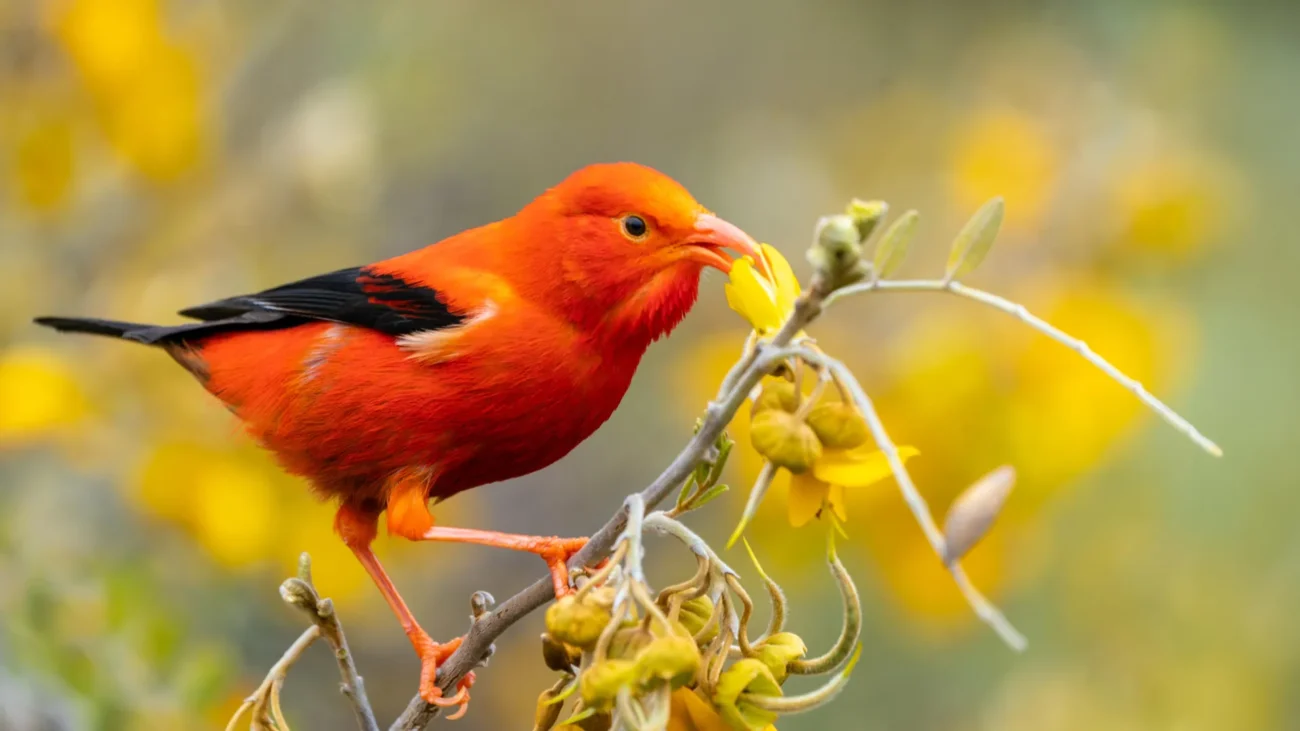
Avian malaria, a parasitic disease, targets the red blood cells of birds, leading to a cascade of severe health issues. These can include anemia, critical organ failure, significantly reduced survival rates, and, in many cases, a fatal outcome. The consequences for Hawaii’s iconic native birds have been particularly dire. For instance, studies have revealed that the ʻIʻiwi, a vibrant scarlet honeycreeper, faces an estimated mortality rate of approximately 90% if infected with the parasite. More tragically, the ʻAkikiki, a small honeycreeper endemic to Kauaʻi, is now believed to be extinct in the wild, a grim testament to the destructive power of this disease, largely driven by avian malaria.
Historically, many infectious diseases have relied on a limited number of host species to maintain their spread within an ecosystem. However, this new research demonstrates that avian malaria operates on a fundamentally different principle in Hawaii. The study reveals that the vast majority of forest birds, encompassing both native and introduced species, exhibit at least a moderate capacity to infect the southern house mosquito (Culex quinquefasciatus), which serves as the primary vector for the parasite. Crucially, even birds harboring minute quantities of the parasite were found to be capable of transmitting it to mosquitoes. This finding indicates that a broad spectrum of bird communities can actively contribute to the ongoing transmission cycle of avian malaria across the islands.
"We often understandably think first of the birds when we think of avian malaria, but the parasite needs mosquitoes to reproduce and our work highlights just how good it has gotten at infecting them through many different birds," Seidl elaborated, underscoring the dual role of both avian hosts and insect vectors in the disease’s persistence.
Chronic Infections Fueling Persistent Transmission
The research involved the meticulous examination of blood samples collected from over 4,000 birds spanning four major Hawaiian Islands: Kauaʻi, Oʻahu, Maui, and Hawaiʻi Island. These extensive field data were then integrated with rigorous laboratory experiments designed to quantify the efficiency with which southern house mosquitoes became infected after feeding on birds. The collective results painted a clear picture: native and introduced bird species frequently displayed comparable levels of infectiousness, indicating that both groups play a significant role in perpetuating the spread of the avian malaria parasite.
A particularly alarming discovery from the study is the prevalence of chronic infections. The research indicates that birds can harbor these infections for extended periods, lasting for months and potentially even years. During these prolonged phases, when infected birds may exhibit only subtle or mild symptoms of illness, they remain capable of transmitting the parasite to mosquitoes. The researchers estimate that this extended period of low to moderate infectiousness is responsible for the majority of avian malaria transmission occurring statewide. This chronic nature of the infection makes early detection and intervention incredibly challenging, as birds may appear healthy while still contributing to the disease’s spread.
Climate Change: Eroding Vital Refuges
The pervasive ability of the avian malaria parasite to infect a wide array of bird species likely explains its widespread distribution throughout Hawaii’s forests. The study’s implications suggest that very few mosquito-infested habitats remain entirely free from the risk of malaria transmission. The situation is further exacerbated by the ongoing effects of climate change. As global temperatures continue to rise, mosquitoes and the avian malaria parasite are progressively expanding their range into higher elevation areas. These higher elevations have historically served as crucial, cooler refuges for vulnerable native birds, offering them a temporary reprieve from the warmer, mosquito-infested lowlands. The encroachment of the disease into these formerly safe havens significantly diminishes the available habitat for native species, intensifying their struggle for survival.
The Maui Forest Bird Recovery Project, where Seidl is actively involved, is a key participant in "Birds, Not Mosquitoes." This collaborative initiative brings together a diverse coalition of academic institutions, state and federal agencies, non-profit organizations, and industry partners. Their collective mission is to advance effective mosquito control strategies in direct support of the critical conservation efforts aimed at protecting Hawaii’s unique avian biodiversity. The project operates under the umbrella of the Pacific Cooperative Studies Unit within the College of Natural Sciences, ensuring a robust framework for its research and conservation endeavors. It is also important to note that all birds involved in this comprehensive study were captured and handled by highly trained ornithologists operating under strict state and federal permits, adhering to the highest ethical and scientific standards.
Historical Context and Broader Implications
The introduction of avian malaria to Hawaii is widely attributed to the arrival of non-native mosquitoes, primarily the southern house mosquito, which were likely introduced in the late 19th or early 20th century. The native Hawaiian birds, having evolved in isolation for millions of years, lacked any inherent immunity to this novel pathogen. This vulnerability made them exceptionally susceptible to the devastating effects of the disease, leading to rapid population declines and contributing to the extinction of numerous species.
The historical timeline of avian malaria’s impact in Hawaii is stark. Early accounts from ornithologists documented the widespread presence of malaria in native birds in the early 20th century, coinciding with the spread of introduced mosquitoes. By the mid-20th century, many endemic species that once thrived in lower elevations had disappeared or were relegated to shrinking high-altitude populations. The ʻIʻiwi, once the most abundant native forest bird, has seen its population plummet by over 80% in recent decades, a direct consequence of malaria and habitat loss. The plight of the ʻAkikiki on Kauaʻi serves as a tragic symbol of this ongoing crisis, with the species now presumed extinct in the wild.
The implications of this latest study extend far beyond the immediate threat to Hawaii’s birds. It underscores the complex ecological interactions that can arise from the introduction of invasive species and diseases. The ability of a parasite to exploit such a broad range of hosts presents a significant hurdle for eradication or control efforts. It also highlights the interconnectedness of ecosystems and the profound impact that seemingly small changes, such as the introduction of a new mosquito species, can have on entire biological communities.
Future Directions and Conservation Strategies
The findings from the University of Hawaiʻi at Mānoa study strongly advocate for a multifaceted approach to avian malaria control. While the study emphasizes the necessity of mosquito control, it also points to the need for strategies that can bolster the resilience of native bird populations. This could include research into the development of avian malaria-resistant bird breeds, though such interventions are complex and carry their own set of ethical and ecological considerations.
Furthermore, the study’s revelation that both native and introduced birds can act as reservoirs for the parasite necessitates a nuanced understanding of bird community dynamics. Conservation efforts may need to consider the role of introduced species in disease transmission and explore strategies for managing their populations in critical habitats, a delicate balancing act that requires careful scientific assessment and community engagement.
The ongoing collaboration under "Birds, Not Mosquitoes" represents a crucial step in coordinating these diverse efforts. The group is actively exploring various mosquito control methods, including the potential use of gene drive technology, which aims to reduce mosquito populations by altering their reproductive capabilities. Such innovative approaches, while promising, are subject to rigorous scientific review and public consultation to ensure their safety and efficacy.
The long-term survival of Hawaii’s unique and irreplaceable birdlife hinges on a comprehensive understanding of the threats they face and the implementation of science-based, collaborative conservation strategies. This latest research serves as a critical piece of that puzzle, illuminating the pervasive nature of avian malaria and the urgent need for sustained action to protect these natural treasures. The ongoing work of researchers like Christa M. Seidl and organizations like the Maui Forest Bird Recovery Project is vital in the fight to preserve Hawaii’s avian heritage for future generations. The islands’ forests, once vibrant with the songs of countless native birds, now face an uncertain future, demanding renewed commitment and innovative solutions to combat this insidious disease.

