


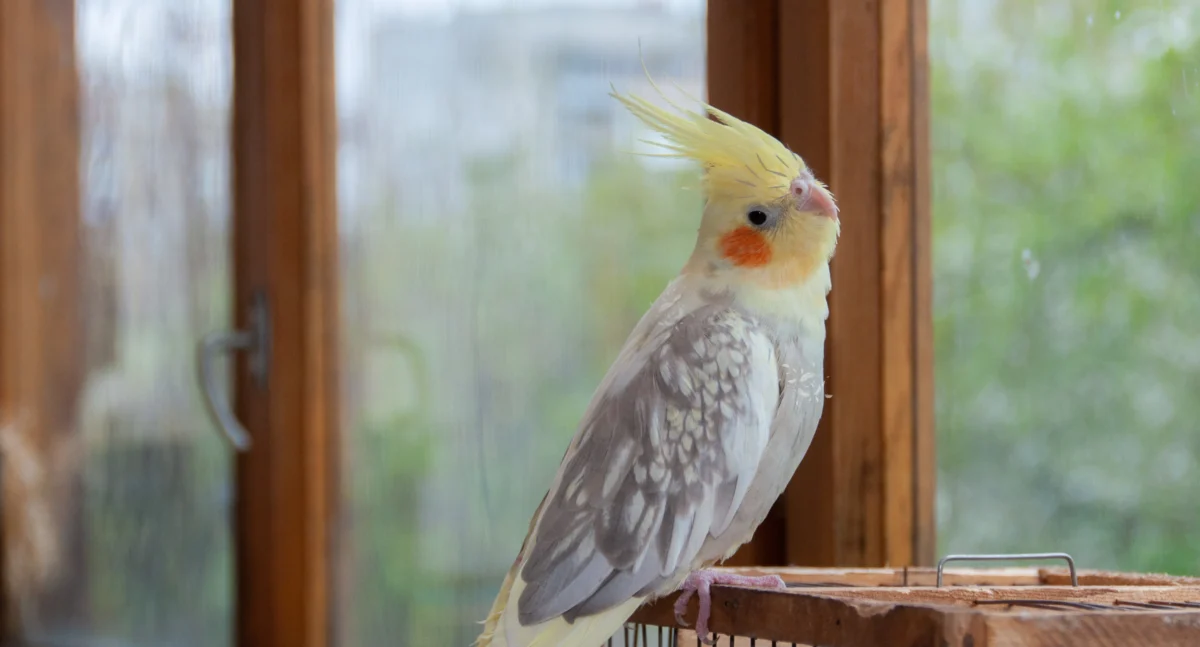
The sight of a cockatiel shedding an abundance of feathers, coupled with a noticeable shift in its temperament, can understandably alarm even experienced bird owners. Feathers scattered across the cage floor, a bird exhibiting unusual moodiness, and the uncertainty of whether these changes signify a normal physiological process or a more serious underlying health issue are common concerns. This comprehensive guide aims to demystify the molting process in cockatiels, providing clarity on what constitutes normal behavior, practical strategies for supportive care, and crucial indicators that necessitate professional veterinary attention.
The Essential Process of Avian Feather Renewal
Molting is a fundamental biological phenomenon for nearly all bird species, including the popular companion cockatiel (Nymphicus hollandicus). It is the natural, periodic replacement of old, worn, or damaged feathers with new ones. Far from being a mere aesthetic change, molting is critical for a bird’s survival and well-being, ensuring the integrity of its plumage for essential functions such as flight, insulation, waterproofing, and protection from the elements. Without regular feather renewal, a bird’s ability to fly efficiently, regulate its body temperature, and defend against environmental stressors would be severely compromised. For cockatiels, which are known for their strong flight capabilities and adaptability, maintaining pristine feather condition is paramount.
The Biological Imperative: Why Cockatiels Molt
Feathers are remarkably complex structures, composed primarily of keratin, a fibrous protein also found in human hair and nails. Despite their apparent resilience, feathers endure significant wear and tear from daily activities such as flight, preening, environmental exposure, and even social interactions. Over time, feathers can become frayed, broken, or lose their insulating and waterproofing properties. Molting serves as the avian equivalent of shedding old skin, allowing the bird to discard compromised plumage and replace it with a fresh, fully functional set.
From an evolutionary standpoint, the timing and efficiency of molting are finely tuned to a bird’s natural life cycle and environmental conditions. Wild cockatiels, native to the arid and semi-arid regions of Australia, rely on healthy plumage to navigate vast distances in search of food and water, escape predators, and withstand fluctuating temperatures. The energy expenditure associated with molting is substantial, making it a physiologically demanding period. It requires a significant redirection of metabolic resources towards feather growth, often coinciding with periods of relative safety or abundant food resources in the wild. This innate programming persists in domesticated cockatiels, albeit sometimes influenced by their captive environment.
A Calendar of Change: Molting Through a Cockatiel’s Life
The molting cycle in cockatiels is not uniform but rather follows distinct patterns throughout their lifespan and across seasons.
-
The Juvenile Molt: Young cockatiels typically undergo their first major molt, known as the juvenile molt, between 6 and 12 months of age. This critical phase marks the transition from their softer, often duller "baby" feathers to the more robust, vibrantly colored adult plumage. During this period, owners may observe a more pronounced loss of feathers as the bird’s body reconfigures its feather structure to that of a mature individual. This molt is essential for developing the flight capabilities and visual cues associated with adult cockatiels, including the characteristic crest and cheek patches that differentiate males and females in some color mutations.
-
Seasonal Molts: Following the juvenile molt, adult cockatiels generally experience seasonal molts, most commonly in the spring and fall. These periods are often influenced by natural environmental cues such as changes in daylight length and temperature. The lengthening days of spring can signal the approach of breeding season, prompting a molt to ensure optimal plumage for display and reproductive success. Conversely, the shortening days of fall can trigger a molt in preparation for winter, ensuring the bird has dense, insulating feathers to withstand cooler temperatures. These seasonal molts can vary in intensity, ranging from a "light" molt where only a few feathers are replaced gradually, to a "heavy" molt involving a more significant and rapid feather loss.
-
Molting in Indoor Birds: For companion cockatiels kept indoors, the strict seasonal schedule can sometimes become less defined. Artificial lighting, consistent climate control, and stable indoor routines can disrupt the natural hormonal triggers that govern molting in the wild. This can lead to what is often termed "soft molts" – prolonged, less intense, or even somewhat random molting patterns throughout the year. While not necessarily detrimental, these altered cycles can place a continuous, low-level physiological demand on the bird, making consistent nutritional support even more crucial. Understanding your individual bird’s unique molting rhythm, regardless of its alignment with a textbook pattern, is key to providing appropriate care and identifying deviations that may warrant attention.
Decoding the Signs: Recognizing a Normal Molt
Recognizing the visual and behavioral cues associated with molting is vital for owners to differentiate a normal process from potential health concerns.
-
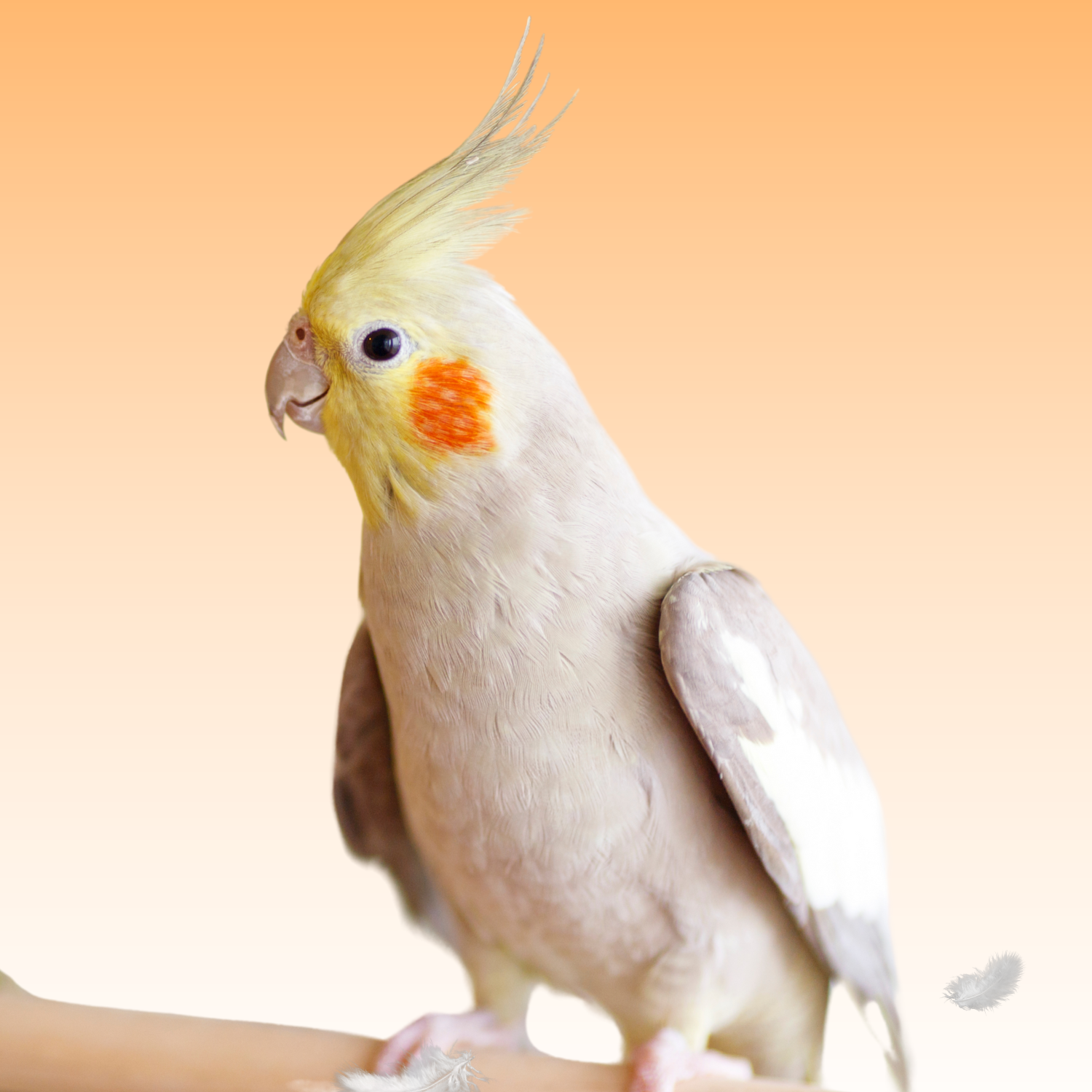
Visual Indicators: The most obvious sign of molting is the presence of discarded feathers at the bottom of the cage. These can range from small downy feathers to larger flight or tail feathers. Concurrently, owners will observe the emergence of "pin feathers" – stiff, shaft-like structures that protrude from the bird’s skin, particularly on the head, neck, chest, and wings. These pin feathers are new feathers encased in a protective keratin sheath, which resembles a white, waxy tube. As the feather matures, the bird will meticulously preen and scratch to break down this sheath, allowing the new feather to unfurl. This process can be visually striking, making the bird appear spiky or "unkempt." A healthy molt progresses symmetrically, meaning that if a flight feather drops from the right wing, a corresponding feather typically drops from the left wing around the same time.
-
Behavioral Shifts: Molting is a physically demanding process, requiring a significant expenditure of energy to produce new feathers. Consequently, molting cockatiels often exhibit noticeable changes in their behavior. They may appear more subdued, quiet, or less active than usual. Increased preening, scratching, and rubbing against perches or cage bars are common as they attempt to relieve the itchiness and discomfort associated with emerging pin feathers and to break open the keratin sheaths. During this sensitive period, some birds may become more withdrawn or reluctant to be handled, especially if pin feathers are present in areas that are typically petted. These pin feathers are sensitive because they contain a blood supply (the "blood feather" stage) until fully mature, making them painful if accidentally broken or pulled. Despite potential irritability, birds still crave connection; gentle verbal interaction, singing, or offering favored treats can maintain the bond without causing physical discomfort.
Nutritional Cornerstones: Fueling Feather Regrowth
Optimal nutrition is perhaps the single most critical factor in supporting a molting cockatiel. Feathers, being primarily keratin, demand a high supply of specific nutrients for their healthy development.
-
Protein and Amino Acids: The building blocks of keratin are amino acids, which must be supplied through the bird’s diet. During a molt, a cockatiel’s protein requirements increase significantly, sometimes by as much as 30% or more, to facilitate the growth of new, strong feathers. Insufficient protein or a lack of essential amino acids can result in feathers that are dull, brittle, malformed, or slow to grow, directly impacting the bird’s health and protective capabilities.
-
Vitamins and Minerals: Beyond protein, a range of micronutrients plays a crucial role. Biotin (Vitamin B7) is essential for keratin synthesis and overall skin health. Omega-3 fatty acids contribute to feather sheen and flexibility, as well as skin hydration. Vitamin A is vital for the health of epithelial tissues, including skin and feather follicles, and its deficiency can lead to poor feather quality. Calcium is important for overall bone health, indirectly supporting the structural integrity needed for robust feather growth. Supplements specifically formulated for molting birds, such as FeatherUp, can effectively bridge potential nutritional gaps during this demanding period, ensuring a comprehensive intake of necessary vitamins, minerals, and amino acids.
-
Dietary Recommendations: A high-quality pelleted diet should form the foundation of a cockatiel’s nutrition, as it provides a balanced array of essential nutrients. During a molt, this base should be generously supplemented with fresh leafy greens (e.g., kale, spinach, romaine), shredded vegetables (e.g., carrots, bell peppers, broccoli), and small amounts of fruit. Nutrient-dense raw seeds like chia or flax seeds can be offered in moderation, providing beneficial omega fatty acids. It is crucial to avoid diets consisting solely of bird seeds, as these are typically deficient in many essential nutrients required for healthy molting and overall avian health.
Providing Comfort: Practical Care Strategies During Molt
Beyond nutrition, several practical measures can significantly enhance a molting cockatiel’s comfort and well-being.
-
Reduce Irritation and Itching: The emerging pin feathers can be intensely itchy and uncomfortable, akin to the sensation of growing new teeth. Regular misting with plain water or an avian-specific aloe vera spray can help soften the keratin sheaths, making them easier for the bird to preen open, and can soothe dry, irritated skin. Aloe vera, known for its natural analgesic and anti-inflammatory properties, can be particularly beneficial in calming the discomfort around feather follicles. After misting, always ensure the bird dries off in a warm, draft-free environment to prevent chilling.
-
Assisted Preening (with caution): While birds are adept at preening themselves, some areas, particularly on the head and crest, are hard to reach. If your cockatiel enjoys it and actively solicits it, gently brushing downward on its head or neck with a soft, clean toothbrush can help break down pin feather sheaths. However, this must be done with extreme care and only if the bird shows clear signs of enjoyment and trust. Never force the interaction.
-
Avoid Pulling Pin Feathers: A critical caution for all bird owners: never pull out pin feathers, even if the bird appears to be scratching at them aggressively. Pin feathers contain a blood supply, and pulling them is excruciatingly painful, can lead to bleeding, and may damage the feather follicle, potentially causing permanently deformed feathers or preventing regrowth. It also forces the bird’s body to restart the entire feather growth process, wasting precious energy.
-
Optimal Cage Setup and Rest: During a molt, a bird’s energy reserves are depleted. Maintaining a calm, stable environment is paramount. Minimize changes to the cage setup and daily routine, as even minor disruptions can add stress. Provide a variety of perches made from natural wood or soft rope, as these textures offer different surfaces for the bird to rub against, aiding in the gentle removal of feather sheaths where they cannot reach. Extra rest is highly beneficial; consider dimming lights earlier or providing additional quiet time to support their recovery and the immense physiological effort of feather production. A peaceful habitat allows the bird to conserve energy, channeling it towards robust feather development.
Distinguishing Normal from Concerning: When to Seek Veterinary Consultation
While molting is a natural process, certain symptoms can indicate a more serious underlying health issue requiring immediate veterinary attention. Avian veterinarians consistently advise owners to be vigilant for these warning signs.
-
Red Flags: If your cockatiel exhibits bald patches, visible scabs, red or swollen skin, excessive bleeding from feather follicles, or is actively pulling out feathers, these are not typical molting symptoms. These signs could point towards a range of problems, including nutritional deficiencies, parasitic infestations (e.g., mites), bacterial or fungal infections, or stress-related feather plucking. Normal molting is a gradual, symmetrical process that should not cause significant discomfort beyond mild itchiness and temporary sensitivity. It should never result in open wounds, extensive skin irritation, or extreme fatigue that renders the bird unable to perch or eat normally.

-
Differentiating Plucking from Molting: A common concern for owners is distinguishing between normal preening during a molt and feather plucking, a serious behavioral issue. According to avian behaviorists like Diane Burroughs, LCSW, "When birds are plucking, they tend to fixate on one area, picking at the same spot repeatedly and intensely. In contrast, normal preening looks more relaxed and rhythmic, as they move from feather to feather, gently grooming each one." Plucking often results in uneven, targeted feather loss, bald patches in accessible areas (e.g., chest, legs, flanks), and sometimes self-mutilation of the skin. Molting, conversely, is characterized by widespread, even feather loss across the body, typically in a symmetrical pattern, with new pin feathers visible. Any suspicion of plucking warrants an immediate consultation with an avian veterinarian to identify and address the root cause, which can range from medical conditions to severe environmental stress or psychological distress.
-
Other Warning Signs: Persistent lethargy, changes in droppings (color, consistency, volume), loss of appetite, significant weight loss, or prolonged self-isolation during a molt are all atypical and demand professional evaluation. These could be indicators of systemic illness that is being exacerbated by the physiological stress of molting. A timely wellness check by an experienced exotics or avian veterinarian can provide peace of mind and ensure prompt intervention, safeguarding your pet’s health and welfare.
Proactive Care: A Tailored Molt Management Plan
Developing a simple, consistent care plan can significantly support your cockatiel through its molting phase.
- Daily Actions:
- Morning & Evening: Provide a gentle mist bath using avian-safe water or an aloe vera bird spray to soothe skin and soften pin feather sheaths.
- Feeding Time: Incorporate a specialized feather growth supplement, such as FeatherUp!, into moist food twice daily while pin feathers are actively emerging.
- Weekly Actions:
- Three Times a Week: Offer a small amount of bird-safe red palm oil. Red palm oil is a rich source of Vitamin A, which is crucial for maintaining supple skin and healthy feather follicles, and also provides beneficial carotenoids.
- Duration: This care plan should commence at the first signs of feather drop and continue consistently until the molt concludes, typically a period of 4 to 6 weeks. Adherence to this regimen helps the bird navigate the physiological demands of molting more comfortably and efficiently, ensuring the regrowth of strong, healthy, and vibrant plumage.
Beyond the Feathers: Broader Implications for Avian Health and Bond
Molting in cockatiels is far more than just a superficial change; it is a profound physiological event that underscores the intricate connection between a bird’s environment, nutrition, and overall health. Proactive care, characterized by calm handling, a nutrient-rich diet, and a supportive environment, is not merely about ensuring beautiful feathers; it is about sustaining the bird’s long-term health, resilience, and quality of life.
By understanding the nuances of the molting cycle and responding with informed, consistent care, owners strengthen their bond with their feathered companions. An owner’s attentiveness during this vulnerable period builds trust and demonstrates a commitment to the bird’s well-being. This comprehensive approach to molt management minimizes stress, prevents potential complications, and ultimately helps cockatiels thrive year-round, ensuring they remain healthy, happy, and vibrant members of the family for years to come.
References:
Groom, J. V., II, & Williams, D. L. (2015). Feather loss and feather damaging behavior in psittacine birds: A review of anatomy, causes, and treatment. Journal of Exotic Pet Medicine, 24(3), 210–220.
Jayson, S. L., Bennett, R. A., & Ballard, B. (2022). Behavioral and environmental management of common feather disorders in companion birds. Veterinary Clinics: Exotic Animal Practice, 25(1), 1–16.
Speer, B. L. (2016). Current veterinary therapy in exotic pet practice. Elsevier Health Sciences.
About the Author:
Diane Burroughs, LCSW, brings over 30 years of experience helping bird lovers build stronger, healthier bonds with their parrots. With a foundation in psychotherapy and Applied Behavior Analysis (ABA), Diane combines proven behavioral science with simple, real-life strategies anyone can use. Through her books, behavior consultations, and UnRuffledRx parrot wellness products, she’s dedicated to helping real bird owners create trust, confidence, and a lifetime of positive experiences with their feathered companions. Diane’s products have been featured in the Journal of Avian Medicine and Surgery and at ExoticsCon, a national conference for exotic animal veterinarians. Her bird collars and supplements are trusted by avian vets and stocked in vet clinics across the U.S. With thousands of individualized behavior plans under her belt, Diane’s mission is simple: to help parrots and their people thrive together.

