


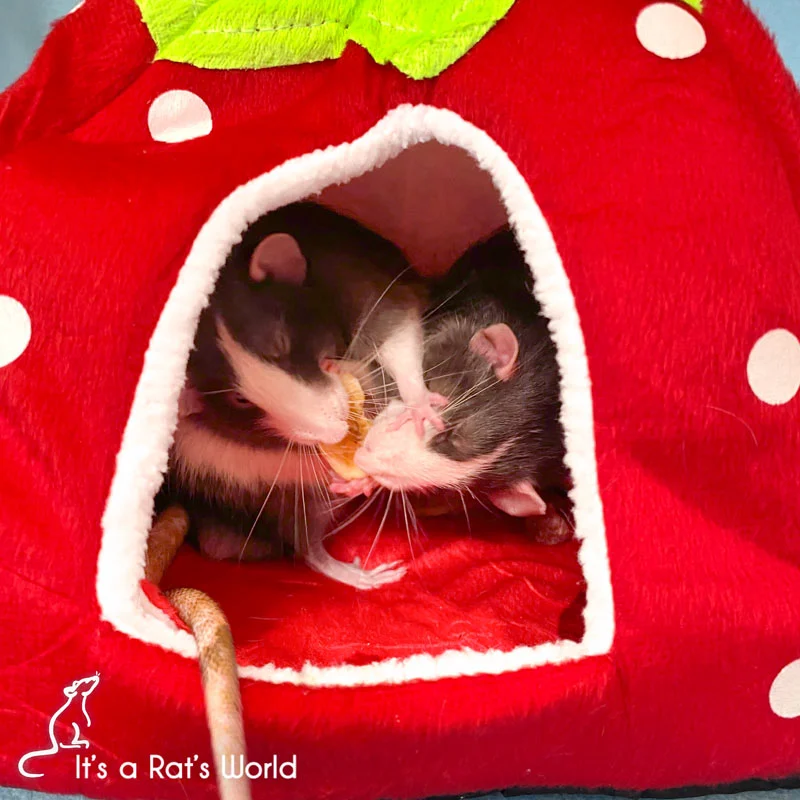
The world of pet ownership often introduces individuals to a spectrum of unique animal behaviors, and for enthusiasts of the domestic rat, this spectrum is particularly vibrant. Beyond the common perception, these intelligent rodents exhibit a range of endearing and often amusing quirks that set them apart. While new acquaintances may initially react with surprise to a fascination with rats, a deeper dive into their behavioral repertoire reveals a fascinating complexity that transcends simple pet companionship. This article explores some of the most captivating and distinctive habits of domestic rats, offering insight into why these animals are so cherished by their caretakers.
The Unique Expressions of Bruxing and Boggling
Perhaps the most iconic and widely recognized behavioral quirk among rat owners is the combination of "bruxing" and "eye boggling." These two phenomena are intrinsically linked and serve as profound indicators of a rat’s emotional state.
Bruxing, a form of rhythmic teeth grinding, is a fundamental physiological behavior for rats. Their incisors, much like those of other rodents, grow continuously throughout their lives. Bruxing is essential for naturally trimming these teeth, preventing overgrowth that could lead to discomfort, difficulty eating, and dental problems. Studies on rodent dental health consistently highlight the importance of wear mechanisms, and bruxing is a primary contributor to this. Beyond its functional necessity, however, bruxing is also a powerful social and emotional signal. While it can occur when a rat is stressed or fearful, its most commonly observed manifestation is during periods of relaxation and contentment. Owners often describe it as a rat’s equivalent of purring, a soft, rumbling sound that emanates from their jaw. This gentle grinding signifies a happy and comfortable rat, making it a highly sought-after auditory cue for owners.

Eye boggling, a more visually striking behavior, involves the rapid oscillation of a rat’s eyes within their sockets. This movement causes the eyeballs to protrude and retract, sometimes appearing as if they are "popping" out. The visual effect can be startling, especially to those unfamiliar with it, and has been likened to the exaggerated movements seen in animated cartoons. This seemingly bizarre action is not an isolated event; it is directly triggered by intense bruxing. The rapid, forceful movements of the jaw muscles, situated just behind the eyes, create vibrations that cause the eyeballs to move in unison. Therefore, a rat exhibiting prominent eye boggling is almost invariably also bruxing intensely. This combined display is a clear indication of extreme happiness and relaxation.
The initial encounter with eye boggling can be a source of significant concern for novice rat owners. In the pre-internet era, encountering such an unusual physical response without prior knowledge could lead to considerable anxiety. Anecdotal accounts from long-time rat keepers reveal instances of seeking veterinary advice for what was, in fact, a completely normal and healthy expression of contentment. Veterinarians, particularly those not specializing in exotic pets, may not always be fully versed in these specific behaviors, leading to misinterpretations. The widespread availability of online resources and pet communities has since helped demystify these quirks, assuring owners that a rat engaging in vigorous bruxing and boggling is simply a very happy rodent.
The Fastidious Nature of Rat Grooming
Contrary to the often-negative stereotype associating rats with uncleanliness, domestic rats are remarkably fastidious groomers. This meticulous attention to personal hygiene is readily observable by their owners and forms a significant part of their daily routine.
Rats dedicate substantial periods throughout the day to self-grooming. This process involves using their dexterous paws to clean their fur, often employing a bathing motion. Their teeth also play a crucial role, used to nibble and remove dirt or loose hairs from their coat. This dedication to cleanliness can make them appear almost contortionistic, as they twist and turn their bodies to reach every part of themselves, including areas that seem exceptionally difficult to access.

A particularly fascinating aspect of their grooming routine is their persistence in cleaning their paws and toes. Owners often witness their rats meticulously splaying out each toe, dedicating considerable time to ensuring each one is perfectly clean. This thoroughness extends to even more unusual practices, such as using their hind feet to reach into their ears and then carefully inspecting their toes for any residual earwax. This behavior underscores their commitment to a comprehensive grooming regimen.
However, this fastidious nature often has a curious exception: their tails. Despite their overall cleanliness, rats rarely groom their tails. In decades of observing rats, many owners report witnessing tail grooming only on rare occasions. This oversight is so unusual that it often becomes a notable event, prompting owners to pause and observe. A rat that does engage in tail grooming is considered exceptionally unique, highlighting the idiosyncratic nature of even common behaviors within the species.
Allogrooming: Social Bonding and Unsolicited Services
The propensity for grooming extends beyond self-care, encompassing a social behavior known as allogrooming, where rats groom each other. This behavior is crucial for strengthening social bonds within a rat colony and is also extended to their human companions.
While allogrooming is common among many social animals, rats can exhibit a particularly enthusiastic and sometimes persistent approach to grooming their owners. This can manifest in several ways. Some rats develop a fascination with their owner’s hair, gently licking or even nibbling on it. Others prefer to groom the owner’s face, including delicate areas like cheeks and eyelids. While the intention is undoubtedly affectionate, the gentle nibbles can sometimes feel more intense on sensitive facial skin.
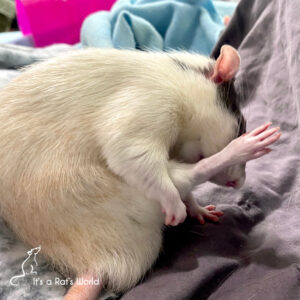
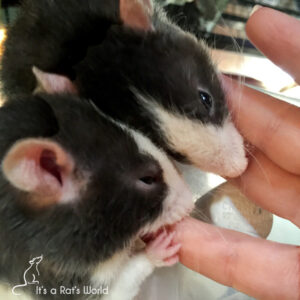
A significant portion of rats focus their allogrooming efforts on their owner’s hands and fingers, including the nails. This behavior is so prevalent that some rats become habitual "nail biters," not of their own nails, but of their owner’s. This can be interpreted as an instinctive desire to keep their human’s nails "trimmed" or tidy, a selfless act from the rat’s perspective, offering what they perceive as a valuable service.
Interestingly, this tendency to groom can also be a reaction to being touched by their humans. A rat may immediately begin grooming itself after an owner pets it, a behavior that some owners might initially interpret as an implicit critique of their own cleanliness. However, this is more likely a reflexive grooming response rather than a judgment. The willingness of rats to engage in allogrooming, even with humans, speaks to their complex social nature and their capacity for forming strong interspecies bonds.
The Specialized Art of "Rodentistry"
Among the various forms of allogrooming, one particular obsession stands out for its intensity and unique target: a rat’s fascination with its owner’s teeth. This behavior is so distinct and widely recognized within the rat-keeping community that it has been given a specific term: Rodentistry. A rat exhibiting this behavior is known as a "rodentist."
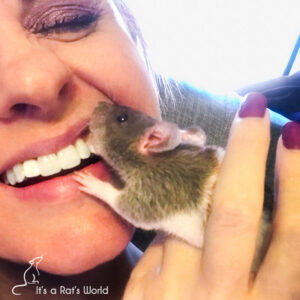
These dedicated rodentists will actively seek opportunities to groom their owner’s teeth. They often display remarkable determination, attempting to pry open their human’s mouth with their paws, despite the inherent challenges. Their goal appears to be the removal of any perceived debris or imperfections from the teeth. While the exact nature of what they aim to clean is unclear, their focus and persistence are undeniable.
The experience of having a rodentist can be both amusing and slightly unnerving. Rats will fearlessly insert their heads into their owner’s mouth, their sharp little nails sometimes causing minor scratches around the lips. Even when the owner expresses protest through muffled laughter or verbal cues, the rodentist often remains undeterred, employing their nose to nudge their way further in. Despite the minor discomforts, many owners find this peculiar behavior endearing, appreciating the rat’s unwavering dedication to its perceived duty. This quirk highlights the unexpected ways in which rats can interact with their environment and their human caretakers, showcasing a level of engagement that often surprises and delights.
The Unmannered "Taste-Testers"
When it comes to food, domestic rats possess a distinct lack of conventional manners. If given out-of-cage time while their owners are eating, they often expect to be included in the culinary experience, whether it’s a taste or the entire portion.
Rats are not known to politely request food or employ begging tactics. Instead, their keen sense of smell alerts them to the presence of food, triggering a rapid and often audacious approach. They will swiftly move towards the food source, attempting to snatch morsels directly from plates or fingers. Even the act of quickly putting food into one’s mouth does not deter them; they are known to dive after it or, at the very least, attempt to lick the owner’s lips clean.
This behavior is not exclusive to human food. Rats in shared living spaces often exhibit similar food-stealing tendencies among themselves, readily taking food from their cagemates, sometimes even directly from their mouths. This competitive drive for sustenance is a natural instinct that translates into their interactions with their human families.
Consequently, owners often find that sharing a meal, especially a treat like ice cream, involves the participation of one or more rats. They may attempt to pry bowls or spoons away, demonstrating their determination to access the desired food. Their interest extends beyond solid foods; rats are also known to perch on the edge of glasses or mugs, partaking in beverages. This uninhibited approach to food highlights their opportunistic nature and their tendency to view their surroundings, including their owner’s food, as fair game.
Sleeping Habits: From Vulnerable to Exposed
While many animals exhibit a preference for sleeping in hidden or secure locations, rats present a fascinating duality in their sleeping habits. Generally, they tend to avoid sleeping on their backs, likely due to a perceived vulnerability in that position.
However, a notable subset of rats displays a peculiar preference for sleeping belly-up, sprawled out as if they have fallen asleep mid-activity. This behavior, while seemingly exposed, indicates a profound sense of security and trust within their environment. Some rats even elevate this quirk by making it a group event, with multiple rats adopting the back-sleeping posture simultaneously.
The experience of having "back-sleepers" can be particularly endearing. In some instances, this tendency appears to be hereditary, with littermates exhibiting the behavior together. It can even be contagious, with unrelated cagemates learning to adopt the same sleeping posture through observation and social influence. This unusual sleeping arrangement adds another layer of charm to the already complex behavioral repertoire of domestic rats.

Drinking In Tandem: A Communal Thirst
Another intriguing social behavior observed in rats is the tendency for multiple rats to drink from a single water bottle nozzle simultaneously, a phenomenon that can be described as "drinking in tandem."
This behavior is not driven by scarcity but rather by a preference for communal activity. Rats that engage in tandem drinking often perceive drinking as a group event. If one rat approaches the water source, others will often join in, even if they are not particularly thirsty. This can lead to amusing scenes where several rats jostle for position at the narrow opening of a water bottle.
In some cases, this communal drinking can be quite pronounced. One notable example involved a rat that habitually slept directly beneath the water bottle, effectively blocking access for its cagemates. This rat also exhibited a strong preference for drinking only when others were present, even going so far as to interrupt its own activities to join other rats at the water source. This codependent behavior, while seemingly inconvenient, underscores the strong social drives that influence rat interactions.
The visual of multiple rats attempting to drink from the same small nozzle, sometimes with one rat even adopting a back-sleeping posture while drinking, adds a comical dimension to their daily routines. This quirk highlights the complex social dynamics and the unique ways in which rats engage with their environment and each other.

Unveiling More Quirks and Surprises
The behaviors described above represent only a fraction of the amusing and surprising traits that domestic rats possess. Each rat has the potential to develop unique quirks, making every individual a source of ongoing discovery for their owners. The species continues to surprise and delight, consistently proving that there is always more to learn about their intricate behaviors. The journey of rat ownership is one of continuous observation and appreciation for these intelligent, social, and wonderfully peculiar creatures.

