


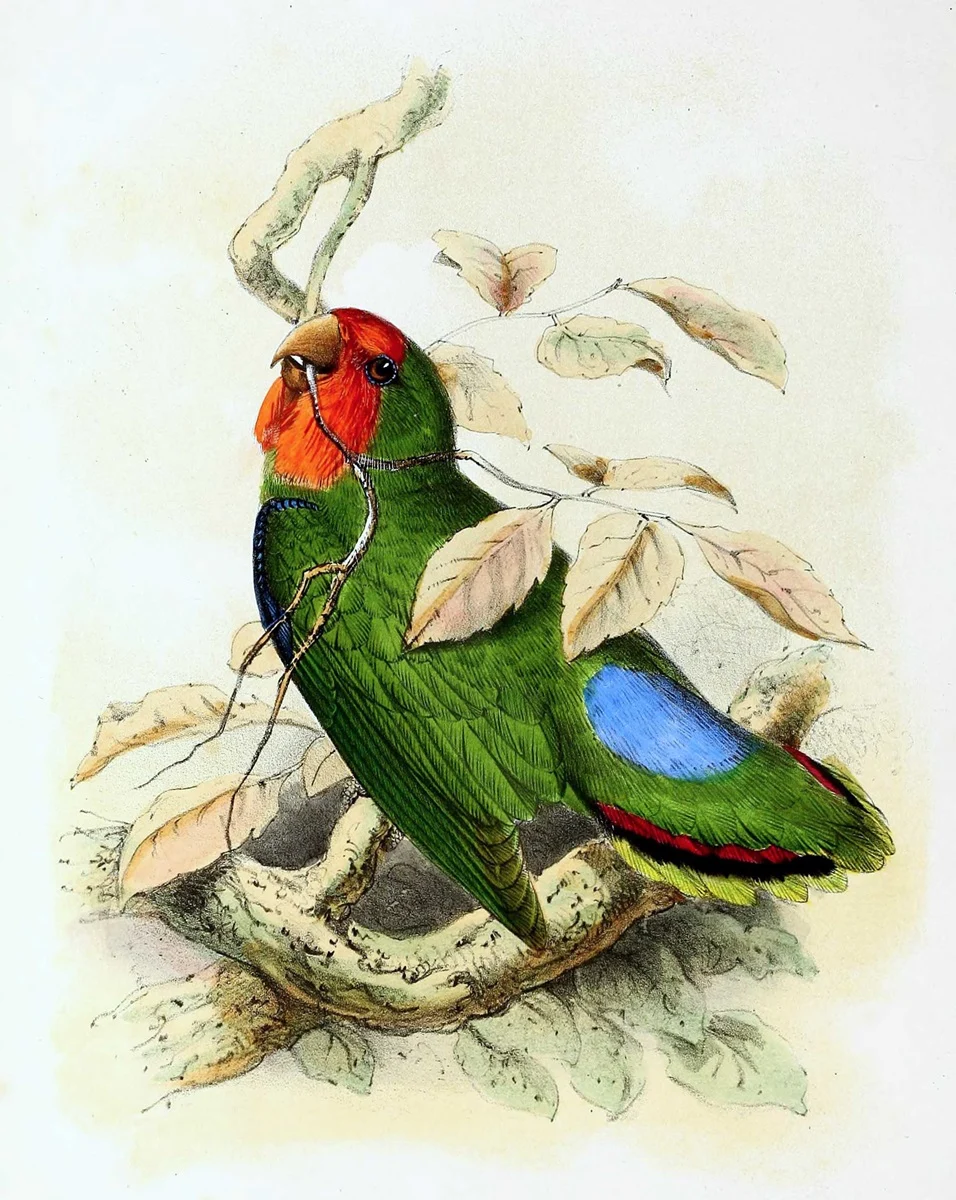
The Red-headed Lovebird, also recognized as the Red-faced Lovebird, is a captivating avian species belonging to the Agapornis genus, native to various regions of Africa. While many of its lovebird relatives, such as the Peach-faced (Agapornis roseicollis) and Fischer’s (Agapornis fischeri) lovebirds, enjoy immense popularity within the pet trade, Agapornis pullarius remains a rare sight in captivity. This distinction stems primarily from its notoriously stress-prone nature, making it a challenging species for even experienced aviculturists to manage successfully. Understanding this particular lovebird requires a deep dive into its natural history, ecological role, and the unique challenges it faces both in the wild and in human care.
A Distinctive Member of the Lovebird Family
The Agapornis genus encompasses nine species of small parrots, all endemic to the African continent. Among these, the Red-headed Lovebird stands out not only for its striking appearance but also for its specific habitat preferences and temperament. Unlike some of its hardier cousins, A. pullarius does not readily adapt to the confines and disturbances often associated with captive environments, contributing significantly to its limited presence in aviculture.
This species typically reaches an adult size of up to 15 centimeters (6 inches) in length and weighs approximately 45 grams, making it a relatively compact parrot. Despite its small stature, its vibrant plumage makes it easily identifiable. In optimal conditions, these birds can live for up to 20 years. For a parrot, its natural noise level is considered low, though like all psittacines, it possesses the capacity for shrill calls when agitated or communicating.
Geographical Distribution and Natural Habitat
Like all lovebirds, Agapornis pullarius is exclusively found in Africa. Its natural range extends across a broad, albeit patchy, band stretching from western sub-Saharan Africa eastward through Central Africa. This distribution encompasses countries as far west as Guinea and extends to the eastern reaches of Ethiopia. Within this vast territory, the Red-headed Lovebird demonstrates a preference for tropical lowland savannah ecosystems.
These birds are largely sedentary, meaning they do not undertake extensive nomadic movements, preferring to remain within established territories. They thrive in environments characterized by the presence of scattered trees and open woodlands, critically avoiding dense primary forests. Their ecological niche typically places them at altitudes up to 2,000 meters (approximately 6,550 feet), although they are more commonly observed at lower elevations. Red-headed Lovebirds are generally observed in pairs or small flocks, which can occasionally swell to a few dozen individuals, particularly during foraging or roosting.

Conservation Status and Mounting Threats
Despite being listed as a species of "Least Concern" by the International Union for Conservation of Nature (IUCN) Red List, the conservation outlook for Agapornis pullarius is not without its challenges. The IUCN’s classification often reflects a species’ global population size and widespread distribution, which can sometimes mask localized declines or significant threats. For the Red-headed Lovebird, while its overall range is extensive, the IUCN notes that it is locally uncommon in many parts of its natural habitat.
Alarmingly, the species’ population size is believed to be decreasing. Several anthropogenic factors contribute to this decline:
- Habitat Destruction: Deforestation and agricultural expansion across West and Central Africa are eroding the tropical savannahs and woodlands that Agapornis pullarius depends on. The conversion of natural landscapes into farmlands or urban areas directly reduces available nesting sites and food sources.
- Persecution by Farmers: As primary seed-eaters, Red-headed Lovebirds can occasionally feed on agricultural crops, particularly millet. This behavior leads to them being perceived as pests by local farmers, resulting in the killing of birds to protect harvests.
- Capture for the Pet Trade: Historically, and to some extent currently, the illegal and unregulated pet trade has significantly impacted wild populations. A 2018 study highlighted the concerning statistic that almost 40,000 Red-headed Lovebirds were exported from their natural range since 1975. This figure underscores a substantial and unsustainable removal of individuals from wild populations, particularly problematic for a species already noted for being locally uncommon.
- Nomadic Habits and Abundance Fluctuations: As noted by Parr & Juniper (2010) in "Parrots: a guide to parrots of the world," while abundance can vary due to nomadic tendencies, a genuine overall decline has been observed in many areas over the past century. This historical perspective reinforces the long-term nature of the pressures on the species.
The implications of these threats are profound. Even a "Least Concern" status does not guarantee long-term stability when population trends are negative and significant drivers of decline persist. The continued capture of wild birds for trade, despite the species’ unsuitability for captivity, represents a particular ethical and conservation dilemma. It emphasizes the need for stricter enforcement of wildlife trade regulations and increased awareness among potential buyers about the origins and welfare of exotic pets.
Distinguishing Features and Subspecies
The Red-headed Lovebird is indeed a striking small parrot, characterized by a vibrant color palette. Its body is predominantly bright green, providing excellent camouflage amidst tropical foliage. The most distinctive feature, and the origin of its common name, is the bright red coloration on its face and beak. Further enhancing its beauty are a dash of blue on its lower back and a small band of red adorning its tail feathers.
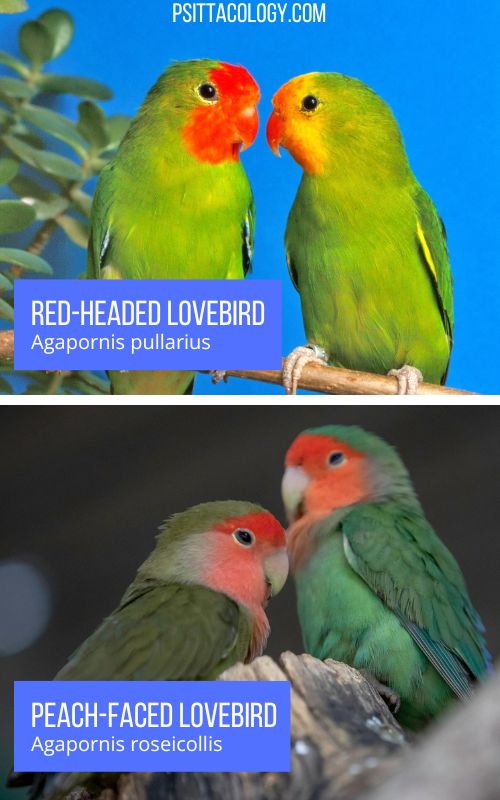
Visually, Agapornis pullarius can be confused with the more common Peach-faced Lovebird (Agapornis roseicollis), which shares a similar body shape and a reddish facial mask. However, a key distinguishing feature lies in the beak color: A. pullarius possesses a bright red beak, while A. roseicollis has a beige beak. This subtle difference is crucial for accurate identification, especially in aviculture where misidentification can lead to incorrect care or hybridization.
Sexual dimorphism is also present in Red-headed Lovebirds, allowing for visual sexing. The male boasts a more intensely colored scarlet face and beak. In contrast, the female’s facial coloration leans more towards an orange hue, and her beak is less brightly colored, often appearing duller or more subdued.

Two subspecies of Agapornis pullarius are recognized, each with slight geographical and phenotypic variations:
- Agapornis pullarius pullarius: The nominate subspecies, typically found across the western and central parts of the species’ range.
- Agapornis pullarius ugandae: Found in the eastern parts of the range, including Uganda, exhibiting minor differences in plumage intensity or size.
Dietary Habits in the Wild
Like many parrot species, Red-headed Lovebirds are primarily granivorous, meaning their diet largely consists of seeds. They show a particular preference for grass seeds, which are abundant in their savannah habitat. This dietary choice, however, brings them into conflict with human interests, as they readily consume agricultural crops such as millet. This propensity for feeding on cultivated grains has unfortunately cemented their reputation as crop pests in various regions, leading to retaliatory killings by farmers.
Beyond seeds, these opportunistic feeders supplement their diet with wild fruits, including figs and guava, whenever such resources are available. This varied diet ensures they receive a broader spectrum of nutrients, essential for their health and reproductive success in the wild.
The Red-headed Lovebird in Aviculture: A Challenging Endeavor
In stark contrast to its numerous lovebird cousins, Agapornis pullarius remains a rare and specialized species within aviculture. It is seldom encountered in general pet stores and is primarily kept by highly dedicated parrot enthusiasts or zoological institutions with specific expertise. The reasons for its limited presence are multifaceted, revolving around its inherent nature and specific needs.
The paramount issue with the Red-headed Lovebird is its profound sensitivity to stress. These birds are inherently nervous, easily startled, and highly susceptible to environmental changes or disturbances. Wild-caught individuals, in particular, are known to be extremely fragile, with instances reported of sudden mortality triggered by seemingly minor stressors such as a loud noise, an unfamiliar presence, or even a change in their immediate surroundings. Their delicate disposition extends to their feeding habits; they can refuse to eat if housed in an aviary with boisterous or aggressive neighbors, leading to rapid decline.
Consequently, Agapornis pullarius is almost exclusively maintained as an aviary bird, rather than a hand-tamed pet. The expectation of a close, interactive companion, common with many other parrot species, is generally unrealistic for this lovebird. Keepers are advised to adopt a "look, but don’t touch" approach, prioritizing a calm, stable environment over direct interaction. The focus shifts from companionship to providing a secure and enriching habitat that minimizes stress.
Responsible Captive Management for Dedicated Enthusiasts
For the rare and experienced parrot enthusiast who successfully acquires captive-bred Red-headed Lovebirds (ethically sourced and not wild-caught), meticulous care is paramount.
- Housing: These parrots thrive in a heated aviary, ideally housed individually or as a bonded pair, to minimize social stress. If kept indoors, a spacious cage is essential, with minimum dimensions of at least 80 cm (30 inches) wide. The bar spacing should be around 1.25 cm (0.5 inches) to prevent escape or injury. The cage must be furnished with a variety of natural wood perches of varying diameters to promote foot health and provide enrichment.
- Captive Diet: While traditionally kept on dry or sprouted seeds, modern avian veterinary consensus suggests that, like most parrots, Agapornis pullarius benefits significantly from a high-quality pelleted diet. Pellets offer a complete and balanced nutritional profile, addressing potential deficiencies found in seed-only diets. This should be supplemented with a high-quality seed mix, a generous array of fresh vegetables (especially leafy greens), and some fresh fruits. Cooked grains and select foraged weeds (ensuring they are non-toxic and pesticide-free) can further diversify the diet. During breeding periods or for overall health, additional protein sources such as boiled egg or mealworms can be beneficial.
- Enrichment: Despite their stress-prone nature, Red-headed Lovebirds are intelligent and require environmental enrichment to prevent boredom and stimulate natural behaviors. Introducing new items must be done gradually and sensitively to avoid startling them. Essential enrichment items include:
- Chew Toys: Natural wood, safe branches, and shreddable materials satisfy their innate need to chew, keeping beaks healthy and minds engaged.
- Foraging Opportunities: Hiding food in puzzle toys or within natural substrates encourages natural foraging behaviors, providing mental stimulation.
- Bathing Opportunities: A shallow water dish or misting can encourage bathing, crucial for feather health.
- Naturalistic Elements: Branches with leaves, safe plants, and even substrate (like sterilized soil or wood chips) can enhance their sense of security and mimic their natural habitat.
- Noise Level: While generally considered relatively quiet for a parrot, their calls can be shrill, particularly when alarmed or communicating. Keepers should be aware of this and ensure their housing location does not cause disturbance to neighbors or create additional stress for the birds themselves. Audio recordings, such as those available on Xeno-Canto, provide valuable insights into their vocalizations.
Reproduction and Breeding Challenges
In their natural habitat, Red-headed Lovebirds synchronize their breeding efforts with the rainy season, when food resources are abundant. A fascinating aspect of their reproductive biology is their nesting preference. They typically construct nests within arboreal (tree-dwelling) termite or ant nests, burrowing into the hardened structures. Occasionally, they may also utilize ground-level nests or natural tree hollows excavated by woodpeckers. The female is solely responsible for excavating the nest chamber and reinforcing it with plant material, primarily grass leaves. Once prepared, she lays a clutch of up to six eggs.
In captivity, the species’ unique nesting requirements and extreme nervousness present formidable breeding challenges. Replicating the precise conditions and providing the necessary sense of security for successful reproduction has historically proven difficult. However, dedicated aviculturists, such as Dominique Veeckmans, have pioneered innovative solutions. Through careful observation and experimentation, it has been discovered that nest boxes crafted from cork can provide a suitable and secure environment, mimicking the natural insulative and structural properties of termite mounds. This specialized approach, combined with a stable, stress-free environment and a nutritionally rich diet, has yielded some successes in captive breeding, offering a glimmer of hope for establishing sustainable captive populations.
Broader Implications and Future Outlook
The case of the Red-headed Lovebird serves as a poignant reminder of the complexities inherent in wildlife conservation and responsible pet ownership. While its "Least Concern" status might suggest stability, the underlying trends of habitat loss, conflict with agriculture, and historical exploitation for the pet trade paint a more precarious picture. The species’ inherent fragility and stress-prone nature underscore the ethical imperative against keeping wild-caught birds and highlight the specialized care required even for captive-bred individuals.
Moving forward, the preservation of Agapornis pullarius hinges on multifaceted approaches. In situ conservation efforts must focus on protecting and restoring its tropical savannah habitat, mitigating human-wildlife conflict through education and sustainable agricultural practices, and rigorously enforcing bans on illegal wildlife trade. Ex situ conservation, through carefully managed captive breeding programs, can play a role in maintaining genetic diversity and providing a buffer against extinction, provided such programs prioritize the welfare and specific needs of this unique and sensitive parrot. The continued dedication of specialized aviculturists and researchers will be crucial in unraveling the mysteries of its biology and ensuring its survival for future generations.

