


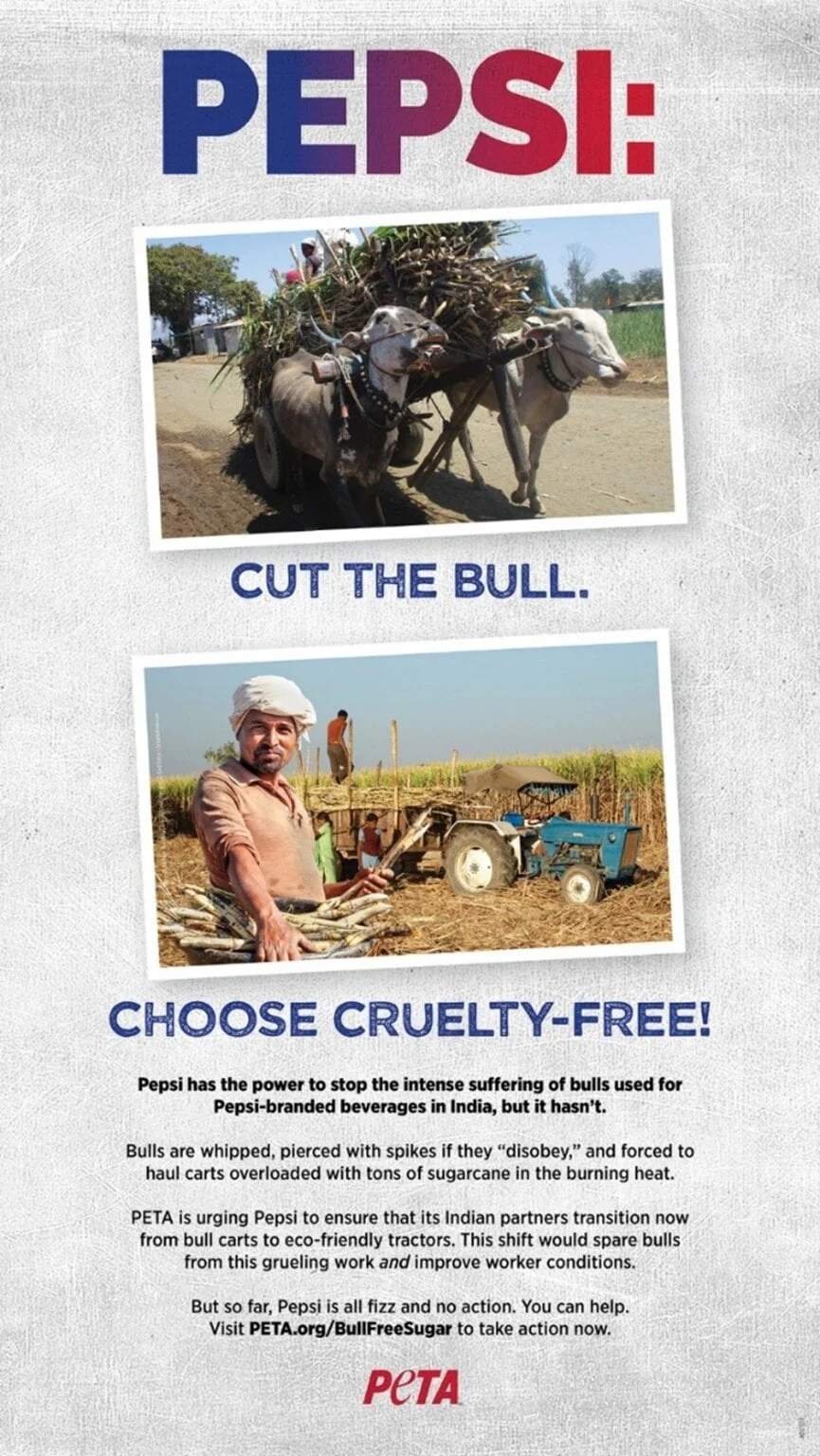
Law enforcement officials in Purchase, New York, took five activists into custody this morning after a demonstration at the global headquarters of PepsiCo escalated into a physical blockade. The protesters, affiliated with People for the Ethical Treatment of Animals (PETA), were dressed in bull costumes and utilized fast-setting cement to anchor themselves to the entrance of the facility. This direct action serves as the latest escalation in a multi-year campaign targeting the multinational food and beverage giant over its sourcing practices in India. The demonstration coincided with PepsiCo’s virtual annual meeting, where a significant shareholder resolution regarding animal welfare in the sugar supply chain garnered notable support from investors, signaling a growing concern over the company’s Environmental, Social, and Governance (ESG) performance.
Escalation at PepsiCo Headquarters and the Shareholder Vote
The arrests occurred early in the business day as activists sought to draw attention to the treatment of draft animals used by sugar suppliers in India. According to local police reports, the five individuals were charged with various offenses including trespassing and disorderly conduct after refusing to vacate the premises. The use of "lock-on" tactics, involving cement and physical barriers, required specialized equipment from emergency services to safely remove the protesters.
Simultaneously, during PepsiCo’s virtual annual shareholder meeting, a resolution proposed by PETA was put to a vote. The proposal called for the company to issue a report on the feasibility of requiring its sugar suppliers in India to transition from animal-drawn carts to mechanized transport. In a result that corporate governance analysts describe as unusually high for a first-time animal welfare proposal, the resolution received 8.8% of the total vote. Under current Securities and Exchange Commission (SEC) guidelines, this threshold is more than sufficient to allow the proponents to resubmit the resolution for consideration in the following year, provided the company does not take steps to mitigate the concerns in the interim.
Allegations of Systematic Cruelty in the Indian Sugar Sector
The core of the dispute centers on the "last mile" transport of sugarcane from farms to processing mills in India, particularly in the state of Maharashtra, which is a major sugar-producing hub. PETA alleges that bulls used in these supply chains are subjected to conditions that violate PepsiCo’s own Global Policy on Animal Welfare. The policy states that "animals deserve lives free from physical and mental suffering."
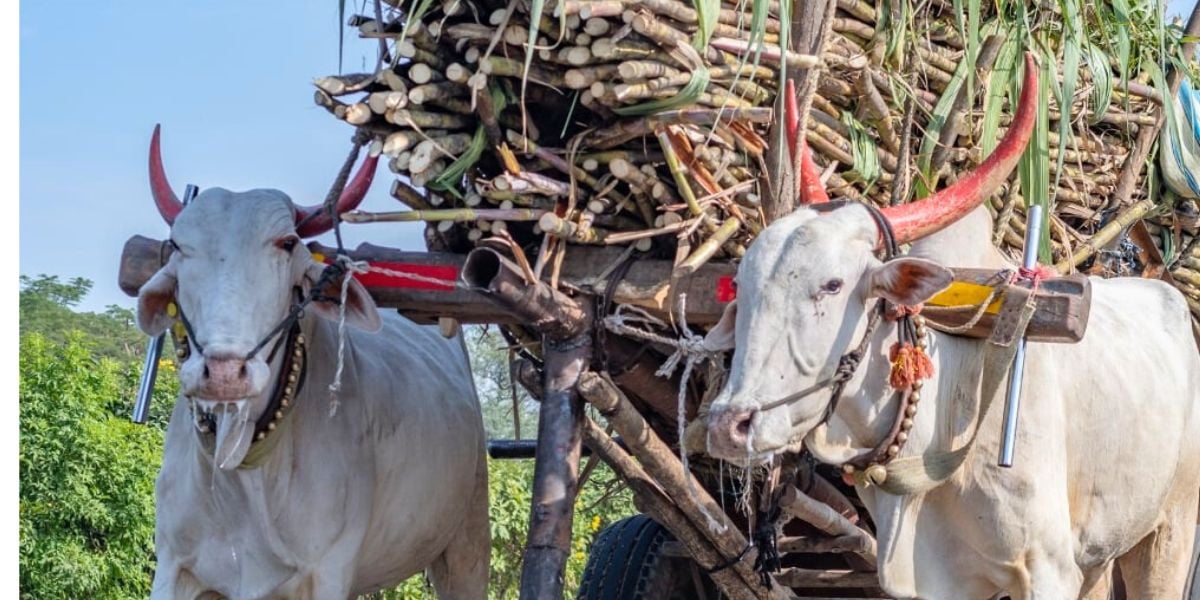
Investigation reports provided by PETA and its affiliate, Animal Rahat, suggest that handlers frequently overload wooden carts with up to 8,000 pounds of sugarcane. To manage the animals under these extreme weights and in high-temperature environments, handlers reportedly employ methods involving physical violence. This includes the use of whips and sticks, as well as more severe measures such as the insertion of barbed-wire spikes on the sides of the bulls’ faces. These spikes are designed to inflict pain if the animal turns its head or slows down. Furthermore, thick ropes are threaded through the sensitive nasal septums of the bulls; when pulled, these ropes can cause tearing and chronic infection, serving as a rudimentary and painful braking system.
The report claims that the physical strain leads to frequent collapses, exhaustion-related deaths, and permanent musculoskeletal injuries among the animal population. PETA asserts that it first alerted PepsiCo to these specific violations in early 2025, but contends that the company has failed to implement a rigorous auditing process to ensure its suppliers adhere to animal welfare standards.
The Legal Path to the Shareholder Resolution
The inclusion of the animal welfare proposal in the annual meeting was the result of a significant legal victory for PETA. Initially, PepsiCo sought to exclude the resolution from its proxy materials, a common move for corporations looking to streamline annual meetings. However, PETA Foundation attorneys initiated a lawsuit against the company, challenging the grounds for exclusion.
In a rare move, PepsiCo reversed its position less than 24 hours after the legal filing, agreeing to include the proposal for shareholder consideration. This reversal highlight’s the increasing pressure on public companies to maintain transparency regarding their supply chains, particularly concerning human rights and animal welfare issues in emerging markets. The subsequent 8.8% vote represents a significant portion of the investor base—including potentially large institutional investors—who are signaling that they view animal cruelty in the supply chain as a material risk to the company’s reputation and long-term value.
Mechanization as an Economic and Ethical Solution
The transition from animal labor to mechanization, often referred to in the industry as "eco-tractors," is being presented not only as an ethical imperative but as an operational efficiency gain. Data from the Sugarcane Industry Mechanization Project, led by the Indian charity Animal Rahat, suggests that mechanization significantly increases throughput for sugar mills.
A standard bull-driven cart carries roughly 2 to 4 tons of sugarcane per trip, depending on the breed and health of the animals. In contrast, a single specialized eco-tractor can transport up to 18 tons in a single trip. This increased capacity allows farmers to move larger volumes of product to the mills more quickly, reducing post-harvest sugar loss and increasing the income of smallholder farmers. Currently, it is estimated that one-third of sugar production in Maharashtra has successfully transitioned to bull-free hauling through these mechanization efforts. PETA is urging PepsiCo to utilize its massive purchasing power to mandate this transition across its entire Indian supplier network.
Chronology of the Campaign Against PepsiCo
The conflict has unfolded over a series of strategic escalations beginning in late 2024:
- January 2025: PETA and Animal Rahat submit formal investigative findings to PepsiCo executives, detailing alleged animal welfare violations in Maharashtra sugar mills.
- March 2026: PETA launches a public awareness campaign, including a full-page advertisement in Crain’s New York Business. The ad, titled "Cut the Bull. Choose Cruelty-Free!", targeted the New York business community and PepsiCo’s board members.
- April 2026: Legal proceedings begin after PepsiCo attempts to block PETA’s shareholder proposal. The company reverses its decision within 24 hours.
- May 2026: Five activists are arrested at the Purchase, NY headquarters. The shareholder resolution receives 8.8% of the vote at the virtual annual meeting.
Broader Implications for Corporate ESG Standards
The situation at PepsiCo reflects a broader trend in the corporate world where "Scope 3" emissions and supply chain ethics are coming under intense scrutiny. While many companies have robust policies at the corporate level, enforcing those standards among third-party suppliers in regions with different regulatory environments remains a significant challenge.
For PepsiCo, the 8.8% vote is a "warning shot" from the investment community. While it does not mandate immediate change, it places the company on a watch list for ESG-focused funds. If the company fails to address the allegations or show progress toward mechanization in its 2027 sustainability report, it may face more aggressive divestment or further litigation.
Furthermore, this case sets a precedent for how animal welfare organizations might use shareholder activism to bypass traditional corporate communications. By becoming shareholders and forcing votes, organizations like PETA can gain access to institutional investors who manage trillions of dollars in assets, thereby exerting influence far beyond what a standard protest could achieve.
Analysis of the Indian Sugar Industry Landscape
India is one of the world’s largest producers and consumers of sugar. The industry is characterized by a mix of large-scale mills and millions of small-scale farmers. The reliance on animal labor is rooted in the high cost of mechanical equipment and the fragmented nature of land holdings, which can make tractor access difficult.
However, the push for mechanization is gaining momentum due to labor shortages and the need for higher efficiency to compete on the global market. PETA’s demand that PepsiCo subsidize or require this mechanization places the company at the center of a technological transition. Critics of the proposal might argue that a sudden mandate could displace poor farmers who cannot afford tractors; however, proponents argue that corporate-led mechanization programs often include financing models or cooperative sharing systems that benefit the farmers in the long run.
As of this afternoon, PepsiCo has not issued a new formal statement regarding the arrests or the specific results of the shareholder vote, though the company has previously stated that it is committed to high standards of animal welfare throughout its global operations. The 60,000 PETA supporters who have joined the call for action indicate that the public pressure on the brand is unlikely to dissipate until a concrete plan for supply chain mechanization is announced.

