


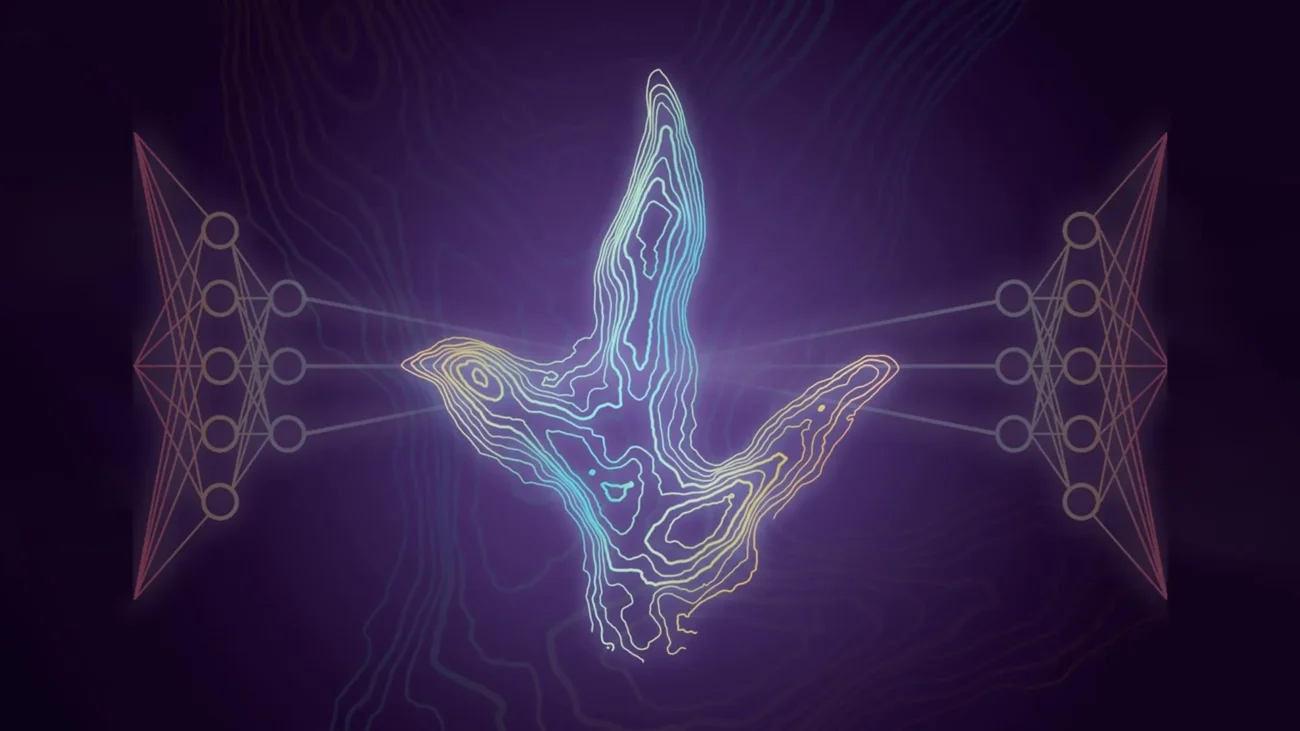
A groundbreaking artificial intelligence (AI) application, dubbed DinoTracker, is poised to revolutionize paleontology by offering scientists and the public an unprecedented tool for identifying dinosaur footprints, a pursuit that has long presented significant challenges to researchers. This innovative technology, detailed in a recent study, aims to bring clarity to the fossilized tracks that have for decades fueled debate and speculation about the creatures that roamed the Earth millions of years ago.
The Enduring Mystery of Fossilized Tracks
For generations, paleontologists have meticulously studied ancient footprints, engaging in rigorous scientific discourse to determine the identities of the animals that created them. These fossilized impressions are invaluable windows into prehistoric ecosystems, providing crucial insights into locomotion, behavior, and the diversity of extinct life. However, the very nature of fossilization often distorts these tracks, making their interpretation a complex and sometimes contentious endeavor. The shapes of footprints can be significantly altered by the geological processes that preserve them over eons, including compression, erosion, and the composition of the sediment. This inherent variability has led to considerable debate, with some tracks tentatively attributed to formidable meat-eating predators, others to herbivorous dinosaurs, and some even raising intriguing questions about the evolutionary lineage of early avian species.
From Mobile Snapshots to Scientific Insights: The DinoTracker Advantage
The advent of the DinoTracker app marks a significant departure from traditional methodologies. This user-friendly platform empowers both seasoned researchers and enthusiastic amateur paleontologists to upload photographs or drawings of fossil footprints directly from their mobile devices. The AI-powered system then performs an immediate, sophisticated analysis, evaluating the intricate details of the track’s shape, structure, and dimensions. Based on these parameters, the app generates an estimated identification of the dinosaur species likely responsible for the imprint.
This capability is particularly vital because, as earlier studies have consistently shown, the interpretation of fossilized dinosaur footprints is far from straightforward. The geological record is replete with examples of tracks whose original form has been obscured by millions of years of deposition and transformation. Without advanced analytical tools, distinguishing between the subtle variations that differentiate the footprints of different dinosaur species, or even between different individuals of the same species, has often relied on the subjective expertise of individual paleontologists.
Advancing Beyond Manual Databases: The Power of Machine Learning
Historically, the classification of dinosaur footprints relied heavily on manually curated databases. These systems typically linked specific track morphologies to known dinosaur species. While these databases served as valuable resources, experts have acknowledged that they could introduce a degree of bias, especially in cases where the identity of a particular track was uncertain or subject to ongoing scholarly dispute. The process of manually comparing new discoveries against existing records was time-consuming and limited by the inherent limitations of human perception and the potential for subjective interpretation.
To overcome these limitations, a dedicated research team, spearheaded by the Helmholtz-Zentrum research center in Berlin and undertaken in collaboration with the University of Edinburgh, developed sophisticated algorithms. These algorithms are designed to enable computers to learn independently about the diverse range of variations present in dinosaur footprints. This represents a significant leap forward in paleontological analysis, moving from reliance on static, human-compiled datasets to a dynamic, self-improving AI system.
The AI model at the core of DinoTracker was meticulously trained on an extensive dataset comprising nearly 2,000 meticulously documented real fossil footprints. Crucially, this real-world data was augmented with millions of additional simulated examples. These simulated tracks were engineered to replicate a wide spectrum of realistic preservation artifacts, including the effects of compression, sediment deformation, and edge displacement – phenomena that commonly occur as footprints are subjected to the rigors of geological time. This comprehensive training regimen equipped the AI with a robust understanding of the subtle nuances that characterize fossilized tracks.
Deconstructing the Footprint: What the AI Identifies
The advanced algorithms within the DinoTracker system learned to recognize eight critical features that serve as distinguishing markers between different types of dinosaur footprints. These key attributes include the degree of toe spread, the precise positioning of the heel, the overall surface area that made contact with the ground, and the distribution of weight across various parts of the foot. By analyzing these intricate details, the AI can discern patterns that might be imperceptible or difficult to quantify consistently through manual observation.
Once these identifying variations are recognized in a newly uploaded footprint, the AI system proceeds to compare these features against its vast repository of known fossil examples. This comparative analysis allows the system to predict, with a high degree of accuracy, which dinosaur species most likely produced the track. The effectiveness of this AI-driven approach was rigorously evaluated. The results demonstrated that the algorithm achieved an impressive classification accuracy of approximately 90 percent when compared against the classifications made by human paleontological experts. This accuracy held true even for species that are notoriously difficult to identify due to their rarity or the ambiguous nature of their fossilized remains.
Unearthing Evolutionary Links: The Bird Connection
Among the most striking and scientifically significant revelations to emerge from the DinoTracker project is the unexpected link it has identified between certain ancient dinosaur footprints and the feet of both extinct and modern birds. Specifically, the AI detected remarkable similarities in tracks dating back over 200 million years. This finding has profound implications for our understanding of avian evolution.
The research team posits that this strong resemblance could suggest that avian lineages emerged considerably earlier than previously estimated, potentially tens of millions of years before current scientific consensus. Alternatively, it is also possible that some early dinosaur species coincidentally evolved feet that bore a striking resemblance to those of primitive birds. Regardless of the precise explanation, the AI’s ability to draw these subtle connections opens new avenues for research into the evolutionary transition from dinosaurs to birds, a cornerstone of modern paleontology. The PNAS study highlights this as a particularly fertile area for further investigation, underscoring the power of AI in revealing hidden evolutionary narratives.
Illuminating Scotland’s Ancient Shores: The Isle of Skye Discoveries
The DinoTracker system has also provided new and invaluable insights into a collection of enigmatic footprints discovered on the Isle of Skye in Scotland. These ancient tracks, formed on the muddy margins of a lagoon approximately 170 million years ago during the Jurassic period, have puzzled scientists for decades. Their unusual morphology and the geological context have made definitive identification a persistent challenge.
The AI’s analysis of these Skye footprints suggests a compelling hypothesis: they may have been left by some of the oldest known relatives of the ornithopod dinosaurs, commonly known as duck-billed dinosaurs. This potential identification would position these tracks among the earliest documented examples of this significant dinosaur group discovered anywhere in the world. Such a discovery would not only expand our knowledge of ornithopod distribution but also push back the timeline for their known existence, offering a clearer picture of their early diversification.
Democratizing Paleontology: An Open Invitation to Citizen Scientists
Researchers involved in the DinoTracker project emphasize that this technology transcends mere academic curiosity. It actively creates new opportunities for scientific exploration, enabling a deeper understanding of dinosaur life, their movement patterns, and their geographical distribution across the globe. Furthermore, and perhaps most excitingly for the public, DinoTracker offers an accessible pathway for citizen scientists to actively participate in paleontological research. By analyzing footprints using the app, individuals can contribute to the growing body of knowledge about these magnificent prehistoric creatures. This democratization of scientific inquiry has the potential to foster greater public engagement and support for paleontological research.
The groundbreaking study detailing the DinoTracker app and its findings was published in the prestigious journal Proceedings of the National Academy of Sciences (PNAS). The research received crucial funding from a consortium of esteemed institutions, including the innovations pool of the BMBF-Project: Data-X, the Helmholtz project ROCK-IT, the Helmholtz-AI project NorMImag, the National Geographic Society, and the Leverhulme Trust. This multi-faceted support underscores the significance and broad appeal of the project.
Dr. Gregor Hartmann of the Helmholtz-Zentrum research center, a key figure in the project, articulated the transformative potential of their methodology. "Our method provides an unbiased way to recognize variation in footprints and test hypotheses about their makers," Dr. Hartmann stated. "It’s an excellent tool for research, education, and even fieldwork." His sentiment highlights the multifaceted utility of DinoTracker, extending its impact from academic laboratories to educational settings and on-site fossil exploration.
Echoing this enthusiasm, Professor Steve Brusatte, Personal Chair of Palaeontology and Evolution at the University of Edinburgh and a co-author of the study, described the work as an "exciting contribution for paleontology." He further elaborated on the AI’s role, calling it an "objective, data-driven way to classify dinosaur footprints – something that has stumped experts for over a century." Professor Brusatte’s remarks underscore the long-standing challenge that DinoTracker addresses and its potential to resolve decades of scientific debate.
Professor Brusatte concluded with a forward-looking perspective on the AI’s broader implications: "It opens up exciting new possibilities for understanding how these incredible animals lived and moved, and when major groups like birds first evolved. This computer network might have identified the world’s oldest birds, which I think is a fantastic and fruitful use for AI." His statement powerfully encapsulates the revolutionary potential of artificial intelligence in pushing the boundaries of scientific discovery, particularly in unraveling the deep mysteries of our planet’s past. The DinoTracker app, therefore, represents not just an advancement in technology, but a paradigm shift in how we can explore and understand the age of dinosaurs.

