


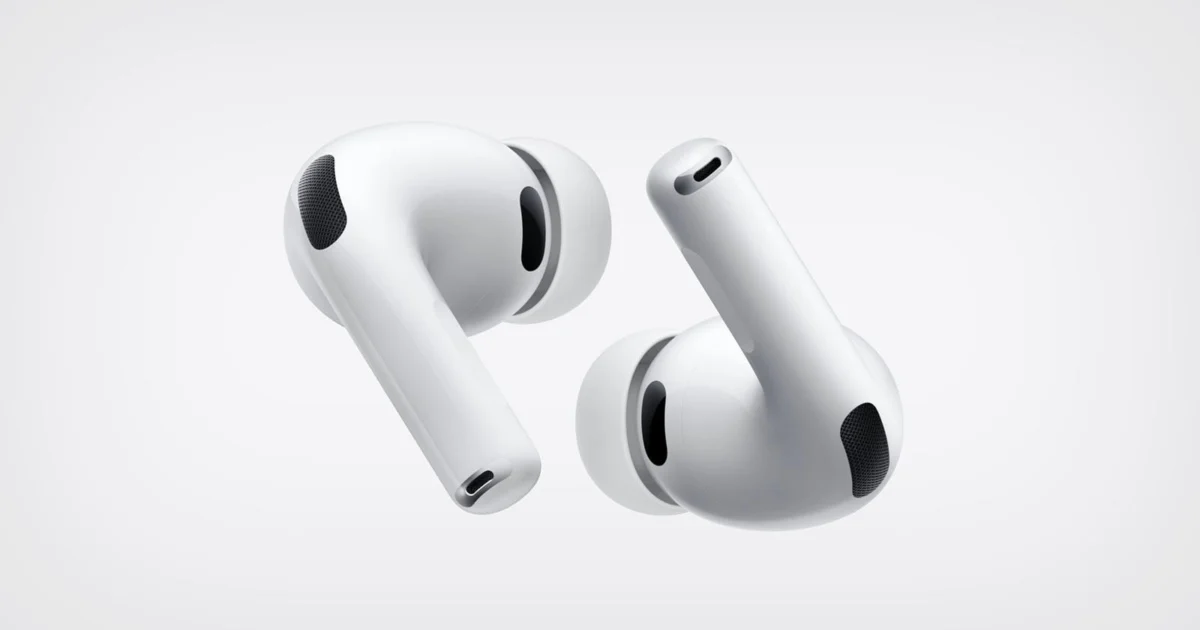
Apple is currently in the advanced testing stages of a new generation of AirPods equipped with built-in cameras, a move that signals a significant expansion of the company’s wearable technology and artificial intelligence ecosystem. According to reports from Bloomberg’s Mark Gurman, the tech giant is exploring the integration of low-resolution camera sensors into its industry-leading wireless earbuds, aiming to provide users with a "spatial awareness" tool that complements the upcoming "Apple Intelligence" suite. Unlike traditional wearable cameras designed for content creation, these sensors are intended to serve as the eyes for an upgraded Siri, allowing the digital assistant to perceive and interpret the user’s physical environment in real-time.
The Shift Toward Ambient Visual Intelligence
The development of camera-equipped AirPods represents a pivot in Apple’s hardware strategy, moving away from devices that require active user engagement toward "ambient" technology that operates in the background. Sources close to the project indicate that these cameras are not designed to capture high-definition photographs or 4K video for social media. Instead, they are low-resolution infrared sensors or specialized optical modules capable of capturing the geometry and context of the world around the wearer.
This technology is expected to power a feature internally referred to as Visual Intelligence. By "seeing" what the user sees, the AirPods could provide turn-by-turn navigation cues based on real-world landmarks, identify products on store shelves, or translate foreign text on signs directly into the user’s ears. For example, if a user is walking through a grocery store, the AirPods could identify a specific ingredient on a shelf and remind the user—via a Siri voice prompt—that the item is on their digital shopping list.
Technical Integration and Prototype Testing
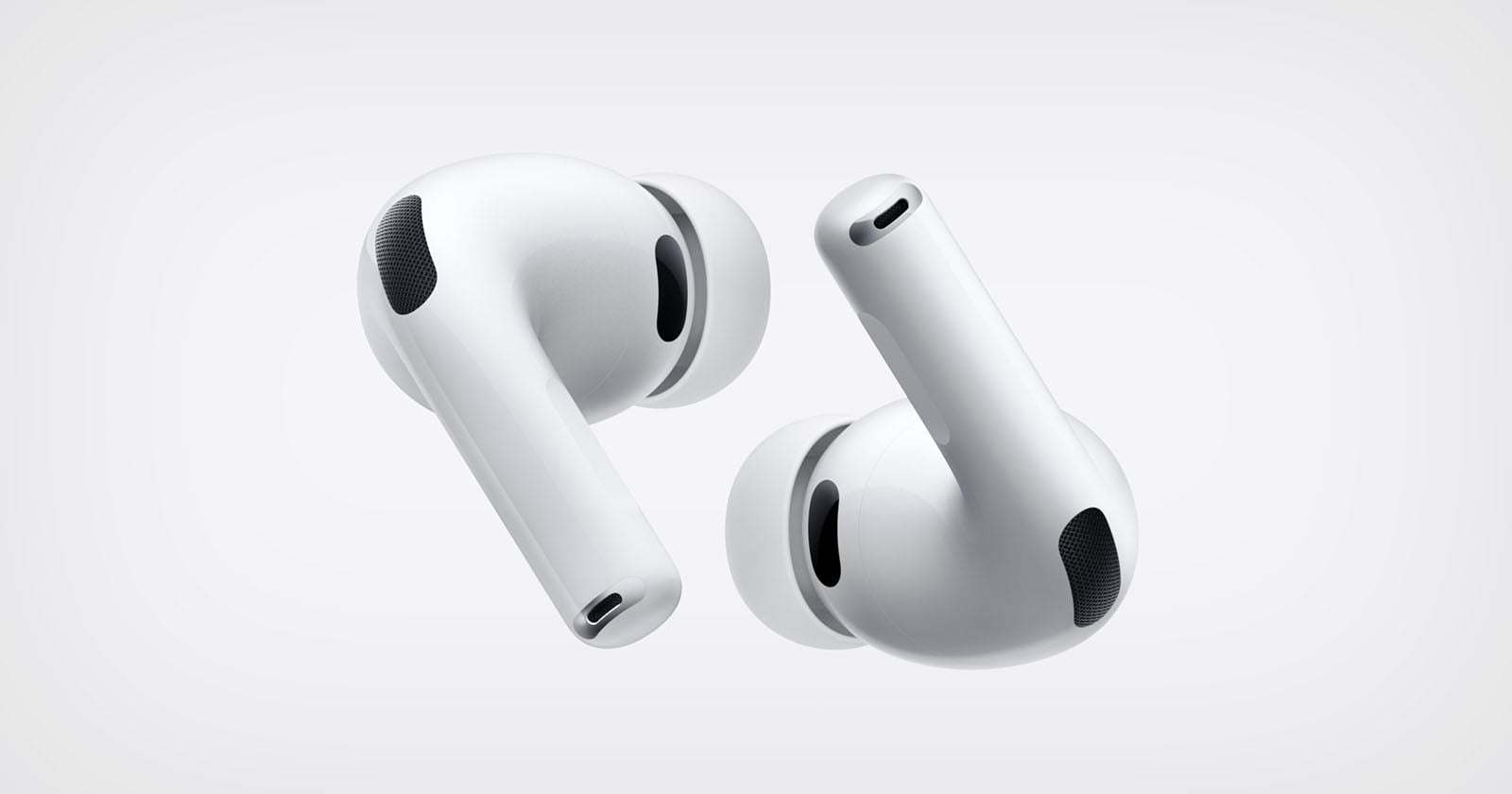
The project, which has reportedly reached the advanced testing phase, involves Apple engineers and testers utilizing prototypes that resemble the current AirPods Pro form factor but with subtle modifications to accommodate the optical sensors. Integrating cameras into a device as small as an AirPod presents significant engineering hurdles, particularly regarding thermal management, battery longevity, and data processing.
To handle the influx of visual data, these AirPods would likely require a more powerful version of Apple’s H-series silicon. The processing would need to be handled either on-device or via a high-speed tether to a paired iPhone to ensure that the AI response is near-instantaneous. Furthermore, the cameras must be positioned in a way that they have a clear field of view without being obstructed by the user’s hair or clothing, necessitating a precise industrial design that maintains the comfort and aesthetic of the existing AirPods lineup.
A Chronology of Apple’s Wearable Ambitions
Apple’s interest in head-mounted cameras is not a new development, but the AirPods project offers a different path compared to the company’s other ventures:
- 2016: Apple launches the original AirPods, revolutionizing the wireless audio market and establishing a dominant position in the "hearables" sector.
- 2021-2022: Internal reports suggest Apple is investigating health sensors, including heart rate and body temperature monitoring, for future AirPods.
- 2023: The launch of the Vision Pro introduces "Spatial Computing," utilizing a complex array of cameras and sensors to blend digital content with the physical world.
- Early 2024: Reports surface regarding Apple’s exploration of smart glasses, similar to the Meta Ray-Ban collaboration, which feature cameras for AI interaction.
- Mid-2024: Details emerge regarding the "AirPods with cameras" project, positioned as a more discreet and accessible alternative to smart glasses or bulky headsets.
By placing cameras in the ears rather than on the face, Apple may be attempting to bypass the "glasshole" stigma that plagued Google Glass and remains a hurdle for many smart glasses today.
Comparison with Meta and the Smart Glasses Market
The most direct competitor in the AI-wearable space is Meta, which recently found success with its second-generation Ray-Ban Meta Smart Glasses. Meta’s approach combines a high-quality camera for photography with "Meta AI," which can identify objects and landmarks. However, Meta’s glasses are visible on the face, which some users find intrusive or stylistically limiting.
Apple’s rumored AirPods would offer a "screenless" and "frameless" AI experience. While the Meta glasses are excellent for capturing "Point of View" (POV) content, Apple appears focused on utility and accessibility. For the visually impaired, camera-equipped AirPods could be a transformative tool, providing auditory descriptions of their surroundings, identifying obstacles, and reading documents aloud without the need for a handheld device.
Privacy Implications and the "Creep" Factor
The integration of cameras into a device as ubiquitous and discreet as AirPods has already sparked a debate among privacy advocates and tech critics. Unlike a smartphone, which must be held up to take a photo, or smart glasses, which have a visible frame, AirPods are often worn for hours at a time, sometimes unnoticed by others.
To address these concerns, Apple is reportedly incorporating a physical or visual indicator—such as a small LED light—that would signal when the cameras are active. This follows the industry standard set by other wearable manufacturers, but critics argue it may not be enough. Devindra Hardawar of Engadget expressed skepticism about the necessity of the product, noting that the push to make AI "seamless" might lead to a world where privacy is constantly compromised by background data collection.
Apple has historically positioned itself as a champion of user privacy, often processing AI tasks on-device rather than in the cloud. If the AirPods with cameras utilize "Private Cloud Compute"—Apple’s new standard for secure AI processing—the company may be able to mitigate some fears by ensuring that visual data is never stored or accessible to anyone, including Apple itself.
Market Positioning and Potential Release Timeline
Industry analysts speculate that the camera-equipped AirPods could be positioned as a high-end "Pro" or "Ultra" model. Given that the AirPods Pro were last updated in 2022 (with a USB-C refresh in 2023), the lineup is due for a significant hardware overhaul.
While Mark Gurman suggests a potential launch as early as late 2024, some supply chain experts believe a 2025 or 2026 release is more realistic, given the complexity of miniaturizing the camera modules and ensuring they meet Apple’s rigorous quality standards. The success of the product will likely depend on the capabilities of iOS 27 and the maturity of the Apple Intelligence platform, which will serve as the software backbone for the hardware.
Broader Impact on the Tech Landscape
If Apple successfully brings camera-equipped AirPods to market, it could redefine the "hearables" category once again. The device would transition from an audio peripheral to a primary interface for the digital world. This move fits into a broader trend where tech companies are attempting to reduce our reliance on smartphone screens by moving interactions to voice and environmental sensors.
The implications for developers are also significant. A new "Visual Intelligence" API could allow third-party apps to utilize the AirPods’ cameras for specialized tasks, such as fitness coaching (correcting posture during a workout), real-time language translation for international travelers, or interactive museum tours where the audio guide knows exactly which painting the visitor is viewing.
Conclusion: The Eyes of the Ecosystem
Apple’s venture into camera-equipped AirPods is a bold step toward a future where technology is both invisible and omniscient. By leveraging the existing popularity of the AirPods brand, Apple has a ready-made platform to introduce advanced AI features to millions of users. However, the path forward is fraught with technical challenges and societal concerns regarding the normalization of constant surveillance.
As the testing continues, the tech industry will be watching closely to see if Apple can strike the delicate balance between helpful innovation and intrusive technology. Whether these "eyes in your ears" become the next "must-have" accessory or a cautionary tale in the history of wearable tech remains to be seen, but one thing is certain: the race to dominate the AI-wearable market is accelerating, and Apple is looking to take the lead by changing how we—and our devices—see the world.

