


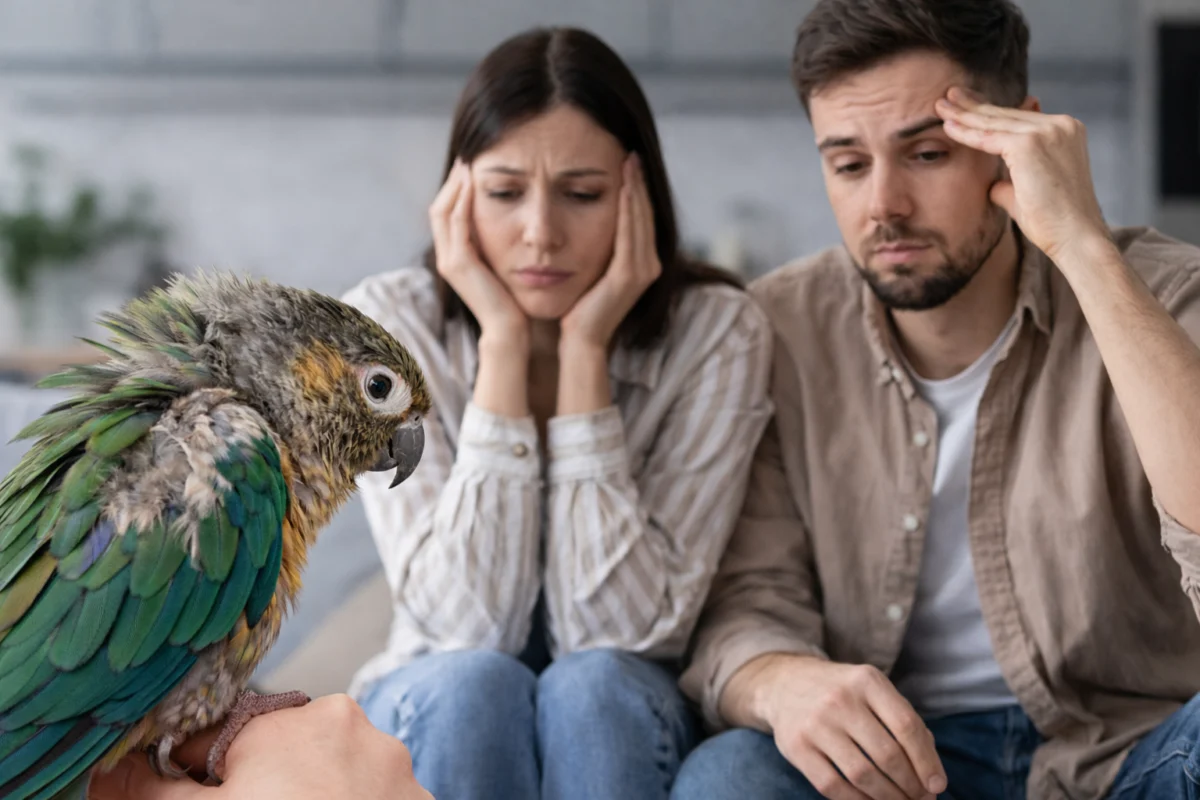
For many bird owners, chronic feather, skin, or what often feels like a "never-ending molt" issue does not manifest abruptly. Instead, it emerges insidiously, a gradual accumulation of distressing observations over weeks or even months. Owners frequently report a recurring cycle: feathers fall out, new ones grow in poorly or are quickly damaged, the skin appears irritated, and the bird seems perpetually uncomfortable. This prolonged distress inevitably leads to urgent questions: "Is this normal molting, or is my bird plucking its feathers?" "Why does this cycle of poor feather growth and irritation never seem to end?" "What can I do to help my bird’s feathers heal properly?" This comprehensive guide is designed for that critical juncture – beyond initial worry and basic advice – focusing on recognizing when a bird’s physiological repair mechanisms are failing and outlining the evidence-based steps that genuinely facilitate recovery. It will also delve into observable bird behavior, clarifying when behavioral modification is appropriate, strictly after all potential medical causes have been thoroughly investigated and ruled out by a qualified avian veterinarian.
The Avian Integumentary System: A Foundation for Health
To fully grasp the complexities of chronic feather and skin issues, it is essential to understand the avian integumentary system – the feathers, skin, and associated structures. Feathers, composed primarily of keratin, are remarkable structures vital for flight, thermoregulation, waterproofing, protection from UV radiation, and social signaling. A healthy bird’s plumage is vibrant, smooth, and intact, reflecting its overall physiological well-being. The skin beneath the feathers is delicate and prone to irritation, acting as a crucial barrier against pathogens.
Molting is a natural, cyclical process where old, worn feathers are shed and replaced with new ones. This process is metabolically demanding, requiring significant energy, protein, amino acids (especially sulfur-containing ones like methionine and cysteine), vitamins (particularly Vitamin A, biotin, and B vitamins), and minerals (zinc, calcium). In a healthy bird, molting occurs in an organized fashion, often in waves, ensuring that the bird is never left unable to fly or regulate its temperature effectively. New feathers emerge as "pin feathers," encased in a keratin sheath, which the bird meticulously preens off as the feather matures. A normal molt typically concludes within a few weeks to a couple of months, followed by a period of calm before the next cycle. When this natural repair process falters, it signals an underlying issue impacting the bird’s ability to maintain its integumentary health.
Identifying the Patterns: Decoding Avian Behavior and Feather Health
What discerning bird owners invariably notice is not an isolated incident, but a persistent, repeating pattern. Feathers may fall out in unusual quantities, new growth might be stunted, discolored, or malformed, and the bird may exhibit excessive preening, itching, or even self-mutilation. Before jumping to conclusions about "molting versus plucking," the most crucial initial step is meticulous, objective observation of the bird’s behavior and physical condition over time.
Common indicators that raise concern include:
- Persistent Feather Loss: Continuous shedding of feathers without a discernible end to the cycle, or loss of feathers in patterns inconsistent with a typical molt (e.g., bald patches on the chest, underwings, or back).
- Poor Feather Quality: New feathers appearing dull, brittle, frayed, bent, or discolored. The presence of "stress bars" – horizontal lines or weak points across the feather vane – indicates periods of stress or nutritional deficiency during feather growth.
- Irritated Skin: Redness, inflammation, flakiness, scabbing, or open sores on the skin, often accompanied by the bird repeatedly scratching or picking at the affected areas.
- Excessive Preening or Self-Mutilation: The bird spending an inordinate amount of time preening, often to the point of damaging feathers or skin. This can escalate to feather chewing, pulling, or outright plucking, which can be distinguished from molting by the presence of blood at the feather follicle or bare skin.
- Behavioral Changes: Increased irritability, lethargy, reduced appetite, changes in vocalization, or reluctance to engage in normal activities.
To objectively track these patterns, experts recommend a simple but effective action plan: document the last time the bird displayed fully healthy plumage. Subsequently, photograph the same areas of concern weekly under consistent lighting conditions. This systematic approach provides concrete evidence, preventing guesswork and allowing for a more accurate assessment of whether the condition is truly ongoing or a transient phase. Without such evidence, differentiating between a challenging but normal molt and a chronic health or behavioral problem becomes significantly more difficult.
Underlying Causes: A Multifaceted Challenge
Chronic feather and skin issues are rarely attributable to a single factor. They often arise from a complex interplay of nutritional deficiencies, environmental stressors, and underlying medical conditions.
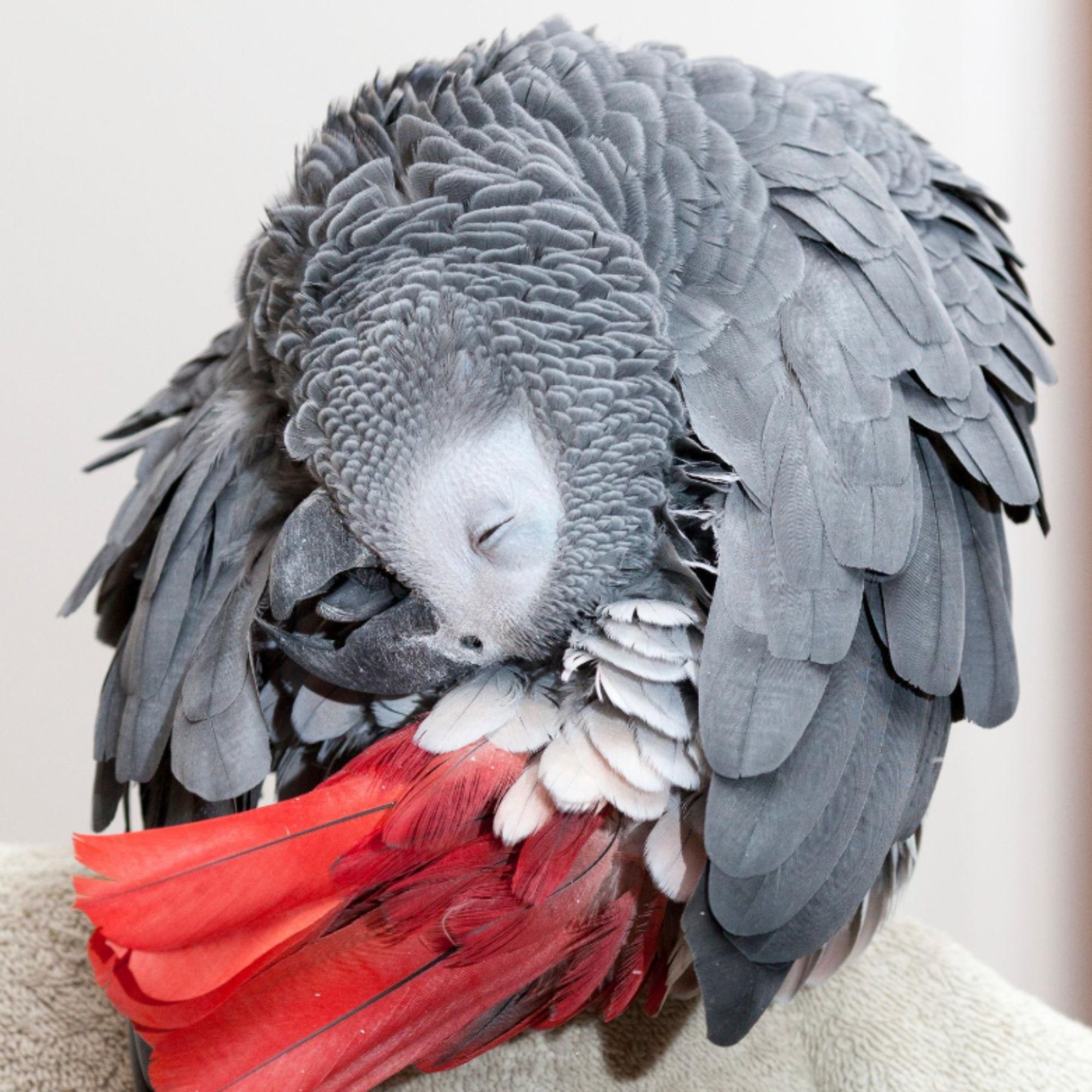
- Nutritional Deficiencies: Perhaps the most prevalent root cause, particularly in birds maintained on seed-only diets. Seeds, while palatable, are notoriously deficient in essential vitamins (especially Vitamin A, crucial for epithelial health and feather development), minerals (calcium, zinc), and balanced amino acids. A lack of omega fatty acids can also compromise skin and feather quality. Deficiencies lead to brittle feathers, poor coloration, and compromised skin integrity, making the bird more susceptible to irritation and infection.
- Environmental Factors:
- Inadequate Humidity: Indoor environments, especially during colder months, often have very low humidity. This can dry out a bird’s skin and feathers, making them brittle, itchy, and prone to breakage.
- Insufficient Lighting: Birds require full-spectrum lighting, including UV-B, for proper vitamin D3 synthesis, which is critical for calcium metabolism and overall health. Lack of adequate light can disrupt hormonal cycles, impacting molting and overall well-being.
- Poor Air Quality: Exposure to cigarette smoke, aerosols, harsh cleaning chemicals, scented candles, or even certain cooking fumes can irritate a bird’s respiratory system and skin, contributing to chronic issues.
- Cage Environment: An inappropriately sized cage, lack of stimulating enrichment, or an unhygienic environment can all contribute to stress and physical problems.
- Stressors: Chronic stress is a significant contributor to poor feather health. Factors include:
- Sleep Deprivation: Birds require 10-12 hours of uninterrupted darkness for proper rest and hormonal regulation. Consistent disruption of this cycle can severely impact health.
- Lack of Enrichment: Intelligent and active birds become bored and stressed without opportunities for foraging, chewing, climbing, and social interaction. This can manifest as feather destruction as an outlet for frustration.
- Social Isolation or Inappropriate Interaction: Birds are highly social animals. Isolation can cause distress, while inconsistent or overly demanding human interaction can also be a source of stress.
- Changes in Routine or Environment: Birds thrive on predictability. Frequent changes in cage location, diet, or caregiver can induce anxiety.
- Medical Conditions: A wide array of medical conditions can manifest as feather and skin problems:
- Parasites: Mites (e.g., knemidocoptes mites causing scaly face/leg), lice, or internal parasites can cause intense itching and feather damage.
- Bacterial/Fungal Infections: Skin infections, often secondary to self-trauma, can perpetuate irritation and delay healing.
- Viral Diseases: Psittacine Beak and Feather Disease (PBFD) and Polyomavirus are devastating diseases that directly attack feather follicles, leading to progressive feather loss and malformation.
- Organ Dysfunction: Liver or kidney disease can impact metabolism and detoxification, leading to poor feather quality and skin issues.
- Allergies: While less common than in mammals, birds can develop environmental or food allergies that manifest as itching and skin irritation.
- Heavy Metal Toxicity: Exposure to lead or zinc from cage materials, toys, or household items can cause a range of symptoms, including neurological signs and poor feather condition.
The Critical Role of Stabilization: Immediate Interventions
When faced with chronic feather and skin issues, the immediate focus should be on stabilization rather than attempting to "fix everything at once." This phase is about providing the bird’s body with the fundamental support and optimal conditions it needs to initiate healing. Leading avian veterinarians consistently recommend a holistic approach during this initial stage.
Key stabilization strategies include:
- Dietary Optimization: Transitioning the bird to a high-quality, species-appropriate pelleted diet should be a primary goal, gradually introducing it alongside a wide variety of fresh, bird-safe fruits, vegetables, and whole grains. Supplements, if necessary, should be provided under veterinary guidance to address specific deficiencies. This ensures a complete and balanced nutrient profile essential for feather regrowth and skin health.
- Environmental Enrichment and Optimization:
- Consistent Sleep Schedule: Guaranteeing 10-12 hours of uninterrupted, quiet, and dark sleep every night is paramount for hormonal balance and stress reduction.
- Humidity: Increasing ambient humidity through humidifiers, regular misting with clean water, or providing daily bathing opportunities (a shallow dish, spray bottle, or bird bath) can significantly alleviate dry skin and brittle feathers.
- Full-Spectrum Lighting: Installing a bird-specific full-spectrum UV-B lamp, positioned correctly over the cage, helps with Vitamin D3 synthesis and circadian rhythm regulation.
- Cleanliness: Maintaining a scrupulously clean cage environment minimizes exposure to bacteria, fungi, and allergens.
- Enrichment: Providing a variety of safe, engaging toys (chewable, foraging, shreddable) encourages natural behaviors and reduces boredom-induced self-mutilation.
- Stress Reduction: Establishing a predictable daily routine for feeding, interaction, and sleep can significantly lower a bird’s stress levels. Minimizing sudden loud noises, perceived threats, or excessive handling during this vulnerable period is crucial. The goal is to create a secure, calm, and predictable environment where the bird feels safe.
This stabilization phase is distinctly not about introducing new training regimens, making drastic behavioral changes, or attempting to force the bird to stop plucking through punishment or restraint. Such interventions often increase stress, further hindering the body’s ability to heal. The rationale is simple: when a bird’s body is under duress from feather growth, nutritional deficiencies, or environmental stressors, it diverts resources away from non-essential functions, including robust immune response and optimal feather production. By reducing external stressors and providing ample internal resources, the body is given the breathing room it needs to reallocate energy towards repair.
The Stress-Feather Connection: A Deeper Dive
Feather regrowth is one of the most energetically and metabolically demanding processes a bird’s body undertakes. It requires a precise orchestration of nutrients, energy, and hormonal signals. When a bird is already expending significant resources on this process, any additional stress – be it disrupted sleep, inadequate nutrition, constant environmental changes, or perceived threats – can tip the delicate balance. The body’s "fight or flight" response, when chronically activated, prioritizes immediate survival mechanisms over long-term maintenance functions like feather health.
Physiologically, chronic stress elevates corticosteroid levels, which can suppress the immune system, alter metabolism, and directly impact the health of feather follicles. This can lead to the formation of stress bars, delayed feather maturation, and overall poor feather quality. Think of it in human terms: when a person is recovering from illness or extreme fatigue, their body requires rest, simple nutrition, and a calm environment. They don’t typically jump back into strenuous activities or complex routines. Birds, particularly when their bodies are under the strain of continuous feather growth and repair, require the same level of supportive care. Observing a bird’s body language – subtle changes in posture, feather fluffing, appetite, or activity levels – can provide crucial insights into its stress load.
From a behavioral study perspective, this approach makes profound sense. Bodies cannot effectively focus on healing and repair when they are constantly bracing for the next stressor. While reducing day-to-day stress does not magically fix all feather problems, it creates the essential conditions under which the next generation of feathers has a significantly improved chance of developing healthily. It’s about thinking "support and rest" rather than "fix and force."
Common ways stress is inadvertently added by well-meaning owners include:
- Over-handling: Excessive or unwanted physical interaction can be highly stressful for some birds.
- Constant rearranging: Frequently moving the cage or changing its internal setup can disrupt a bird’s sense of security.
- Inconsistent routines: Lack of predictability in feeding, sleep, and interaction times.
- Punitive approaches: Reacting negatively to feather-destructive behaviors, which only increases anxiety.
- Lack of mental stimulation: A bored bird is a stressed bird, often leading to self-destructive behaviors.
If owners recognize any of these patterns, it’s not an indictment of their care but an opportunity to refine their approach. Understanding how to reduce physiological and psychological burdens allows the bird’s body to dedicate its resources to healing.
Where Behavior Modification Fits: Strengthening Natural Behaviors

Behavior modification, as a targeted intervention, fits strategically after medical issues have been thoroughly ruled out by an avian veterinarian. Its purpose is not to "correct" feather-destructive behavior directly through punishment or aversion, which is often counterproductive and harmful. Instead, it focuses on reinforcing and strengthening normal, species-appropriate parrot activities – eating, bathing, chewing, foraging, exploring, and playing. These natural behaviors are inherently stress-relieving for a parrot.
When birds are actively engaged in these positive activities, they are naturally less fixated on their feathers. Calm preening (distinct from destructive preening), eating a nutritious diet, regular bathing, engaging with chew toys, and actively exploring their environment help birds regulate their stress levels. As overall stress diminishes and the predictability of their environment increases, both behavioral patterns and feather quality tend to improve synergistically. This positive reinforcement approach fosters a healthier mental state, allowing the bird’s natural healing processes to take precedence.
When to Seek Professional Expertise: The Importance of Timely Intervention
Recognizing when to transition from supportive home care to professional intervention is critical for a bird’s long-term health and well-being.
- Avian Veterinarian: An avian vet should be the first point of contact if:
- You observe any physical changes beyond feather issues, such as weight loss, prominent keel bone (indicating muscle atrophy), visible skin damage (open wounds, severe redness, scabbing), decreased energy, changes in appetite or thirst, or altered droppings.
- The feather problem persists or worsens despite consistent efforts to optimize diet and environment for several weeks.
- The bird exhibits signs of pain or discomfort.
- There is any suspicion of infectious disease (e.g., unusual discharges, swelling).
An avian veterinarian will conduct a thorough physical examination, potentially including diagnostic tests such as blood work (complete blood count, biochemistry panel), fecal analysis, viral screening (e.g., PBFD, Polyomavirus), feather/skin biopsies, or heavy metal screening. Their role is to identify and treat any underlying medical conditions that could be causing or contributing to the feather and skin issues.
- Certified Avian Behaviorist: Once all medical causes have been definitively ruled out by an avian veterinarian, and the issue appears to be primarily habit-driven or stress-related, a qualified avian behaviorist can provide invaluable assistance. A behaviorist will assess the bird’s environment, daily routine, and interaction patterns to identify specific stressors or triggers. They will then develop a customized behavior modification plan focused on environmental enrichment, positive reinforcement techniques, establishing predictable routines, and teaching the owner how to foster healthier coping behaviors in their bird. Behaviorists like Diane Burroughs emphasize that true behavioral change occurs when the bird’s fundamental needs for safety, security, and engagement are met.
Long-Term Implications and Owner Responsibility
Chronic feather and skin issues are not merely cosmetic problems; they carry significant welfare implications for pet birds. Persistent discomfort, compromised flight ability, increased susceptibility to infections due to damaged skin, and psychological distress from chronic stress can severely diminish a bird’s quality of life. In severe cases of self-mutilation, these issues can become life-threatening.
The journey to resolving chronic feather and skin problems requires patience, diligence, and a commitment to understanding and meeting the complex needs of avian companions. Proactive care, including regular veterinary check-ups, ongoing education about species-specific requirements, and a consistent focus on environmental and nutritional excellence, are cornerstones of responsible bird ownership. The vigilance and informed actions of an owner directly impact a bird’s longevity, health, and overall well-being. By adopting a holistic and evidence-based approach, owners can significantly improve their bird’s chances of developing and maintaining healthy, vibrant plumage, leading to a happier, healthier bird.
Key Takeaway
With chronic feather and skin issues in pet birds, the sequence and nature of interventions are paramount. The initial and most critical step involves a comprehensive focus on supporting the bird’s fundamental physiological needs: optimizing physical health through meticulous attention to rest, species-appropriate nutrition, and establishing predictable, low-stress routines. If, despite these diligent efforts, feather problems persist, worsen, or are accompanied by other concerning signs such as weight loss, pain, or overt skin damage, an immediate consultation with an avian veterinarian is the absolute first course of action. Behavioral support, specifically targeting the reduction of stress and the reinforcement of natural, positive parrot behaviors, becomes most effective and appropriate only after all potential medical causes have been thoroughly investigated and ruled out. This layered, informed approach provides the best possible outcome for avian companions grappling with these challenging conditions.

