



The digital marketplace has revolutionized the way photography enthusiasts acquire high-end gear, but it has simultaneously birthed a sophisticated ecosystem for fraudulent activity. Among the most prevalent and persistent threats is the "too-good-to-be-true" listing, typically characterized by premium equipment offered at a fraction of its market value by accounts with no transaction history. To dissect the mechanics of these operations, an investigative purchase of a Hasselblad 907X Special Edition was conducted, revealing a complex web of tracking manipulation and account spoofing designed to exploit the vulnerabilities of automated buyer protection systems.

The Anatomy of the Zero-Feedback Listing
For seasoned eBay users, certain red flags serve as immediate deterrents. The most prominent of these is the "zero-feedback" rating. In the context of e-commerce, a seller with no feedback generally falls into one of two categories: a legitimate newcomer attempting to enter the market or a "burn account" created specifically for a single fraudulent transaction. When such an account lists high-value items—such as a Hasselblad medium format camera—the probability of fraud nears 100%.
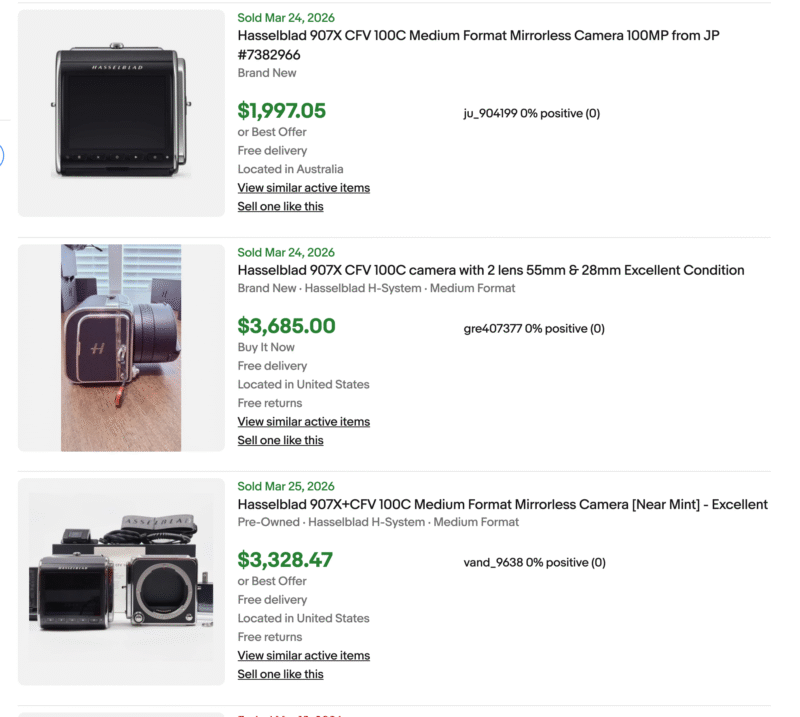
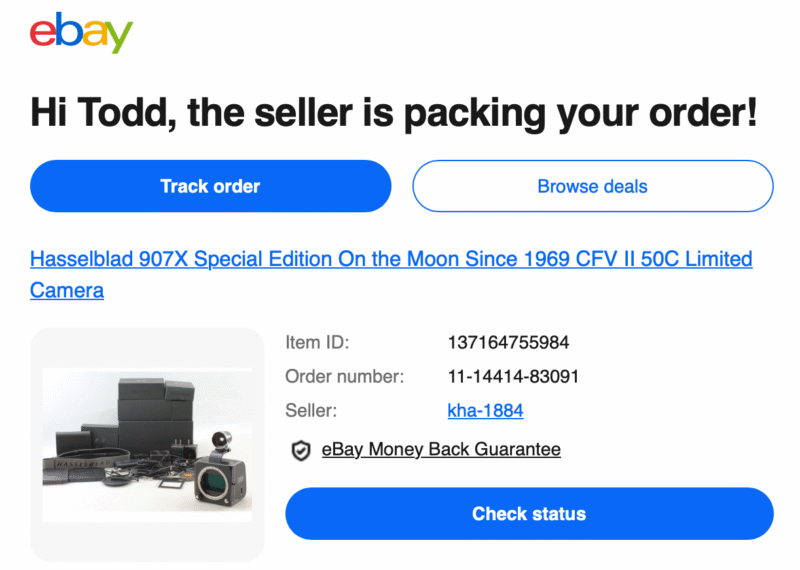
In this specific case study, the item in question was a Hasselblad 907X Special Edition "On the Moon Since 1969" CFV II 50C. This is not a common consumer product; it is a limited-edition digital back and camera body designed to commemorate the 50th anniversary of the Apollo 11 moon landing. With an original retail price and secondary market value often exceeding $8,000, the listing price of approximately $2,000 to $3,000 was an immediate indicator of a scam.
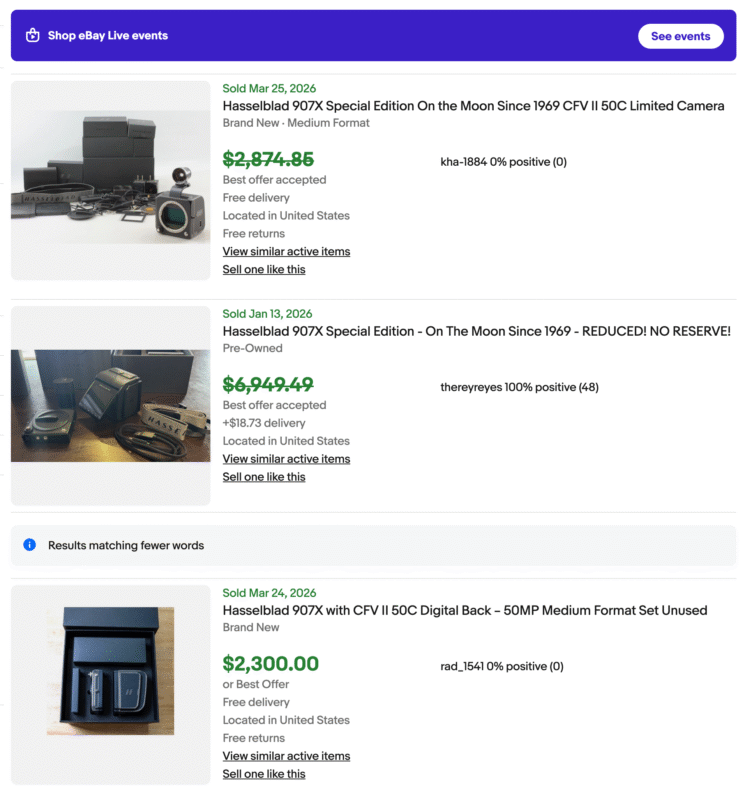
Upon closer inspection of the seller’s profile, further inconsistencies emerged. The seller, purportedly based in New Jersey, had only two other items for sale: a pair of pillows. This juxtaposition of high-end Swedish optics and mundane household textiles is a hallmark of "scam-bait" accounts, which often list low-value items to appear like a legitimate household clearing out its inventory.
Chronology of a Controlled Scam Investigation
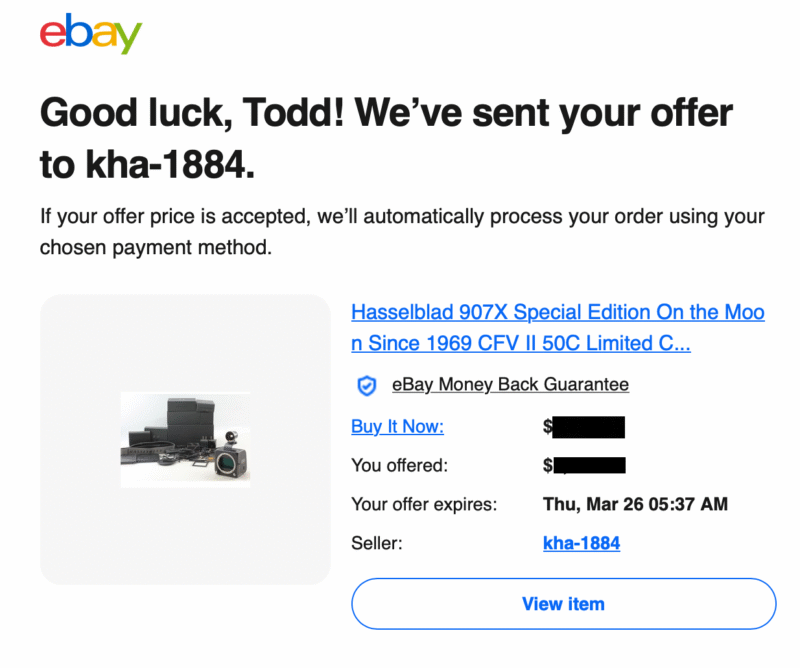
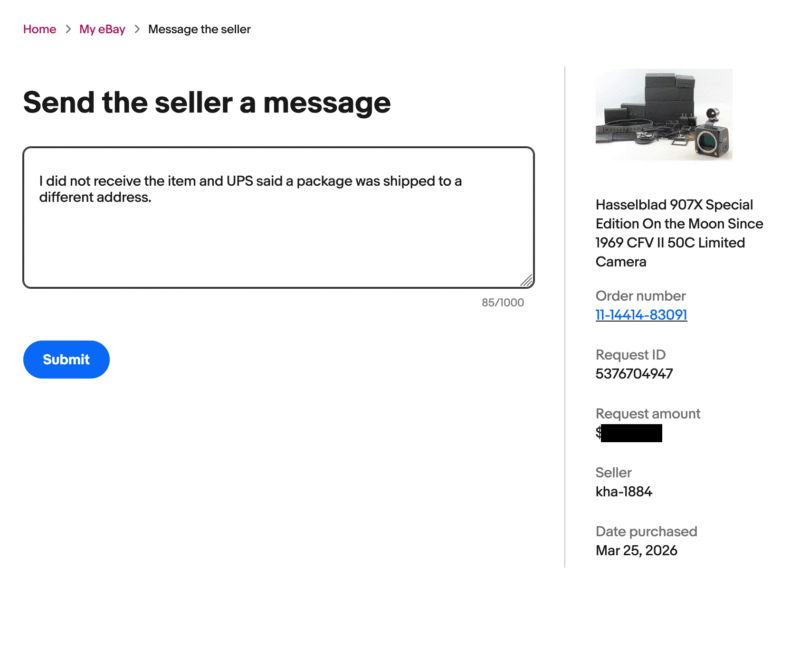
The investigation began with a strategic "low-ball" offer, aimed at testing the seller’s desperation to secure a payment. The timeline of the transaction highlights the rapid pace at which these fraudulent schemes operate:
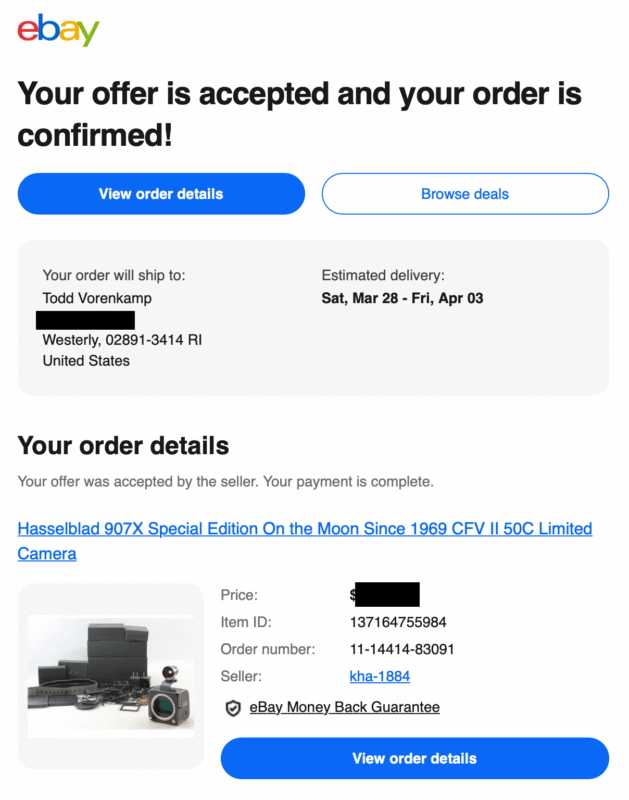
- The Initial Offer: A bid was placed below the already suspicious asking price. Despite the significant reduction in potential profit, the seller accepted the offer within 15 hours.
- Payment and Immediate Activity: Payment was processed via PayPal. Almost immediately, a UPS tracking number was generated and uploaded to the eBay system.
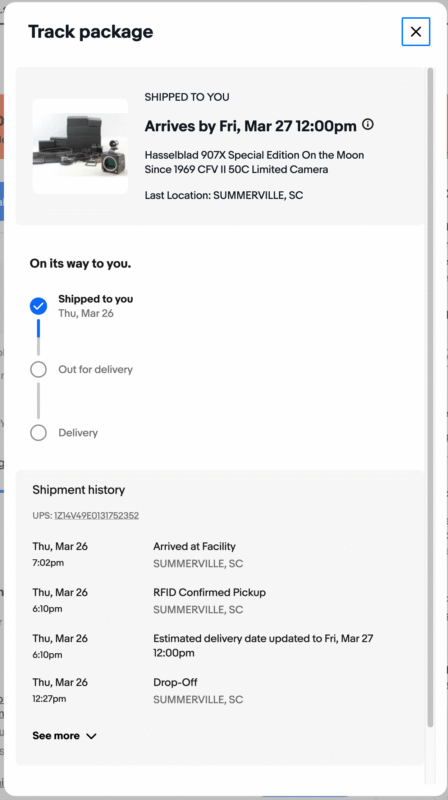
- The Geographical Discrepancy: While the seller’s profile claimed a New Jersey location, the UPS tracking data indicated that the package originated in North Carolina and was processed through a facility in South Carolina.
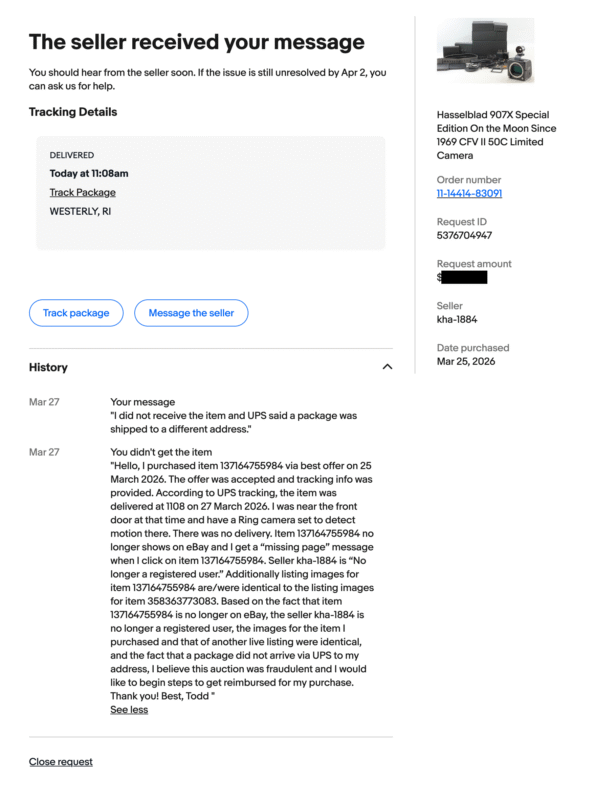
- The Disappearing Act: Shortly after the tracking number was issued, the seller’s account was flagged by eBay. The profile was updated to "No longer a registered user," and the original listing page was scrubbed from the site, resulting in a "404 Page Not Found" error.
- The Tracking Anomaly: Despite the account’s deletion, the UPS tracking number remained active. It indicated that a package was being "overnighted" to the buyer’s town.
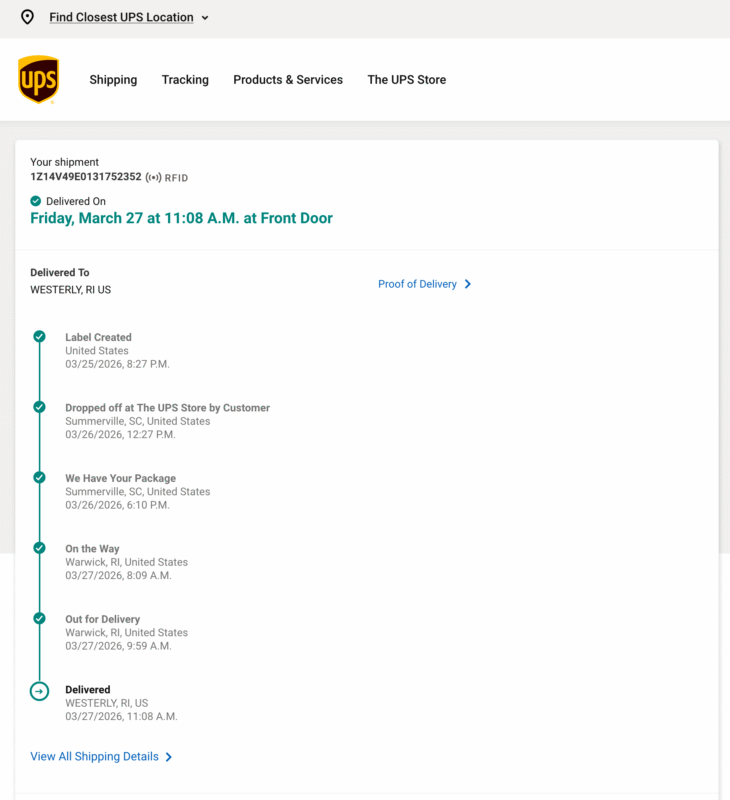
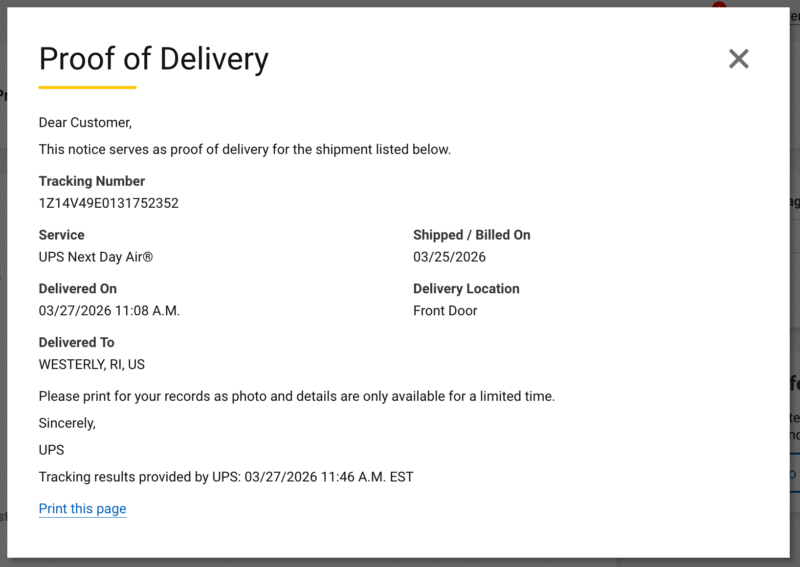
- The False Delivery: On March 27, the tracking status was updated to "Delivered" at 11:08 AM. However, no package arrived at the buyer’s residence, and security camera footage confirmed that no delivery vehicles had visited the property during that window.
Technical Analysis: The Zip Code Tracking Scam
The crux of this scam lies in the manipulation of carrier tracking data, a tactic often referred to as the "Zip Code Scam." This method is specifically designed to defeat the automated systems used by eBay and PayPal to resolve "Item Not Received" (INR) claims.
When a buyer opens a dispute for a missing item, eBay’s automated system checks the tracking number provided by the seller. If the carrier’s website shows the package as "Delivered" to the buyer’s city and zip code, the system typically rules in favor of the seller. Scammers exploit this by shipping a low-value item—or sometimes just an empty envelope—to a legitimate address within the same zip code as the buyer.
In this investigation, a follow-up with UPS revealed the limitations of carrier privacy policies. While a UPS customer service representative confirmed that the package associated with the tracking number was indeed delivered in the buyer’s town, they also confirmed that the name and specific street address on the shipping label did not match the buyer’s information. However, due to privacy regulations, UPS was unable to provide a written statement or an email confirming this discrepancy to the buyer, leaving the victim in a position of having to "prove a negative"—that they did not receive a package that the system says was delivered.

Market Context: Why Hasselblad?
The choice of a Hasselblad 907X for this scam is not accidental. High-end photography equipment is an ideal vehicle for fraud due to its high "value-to-weight" ratio and a robust secondary market. Hasselblad, a brand synonymous with professional medium-format photography, carries a prestige that can blind potential buyers to the risks of a transaction.

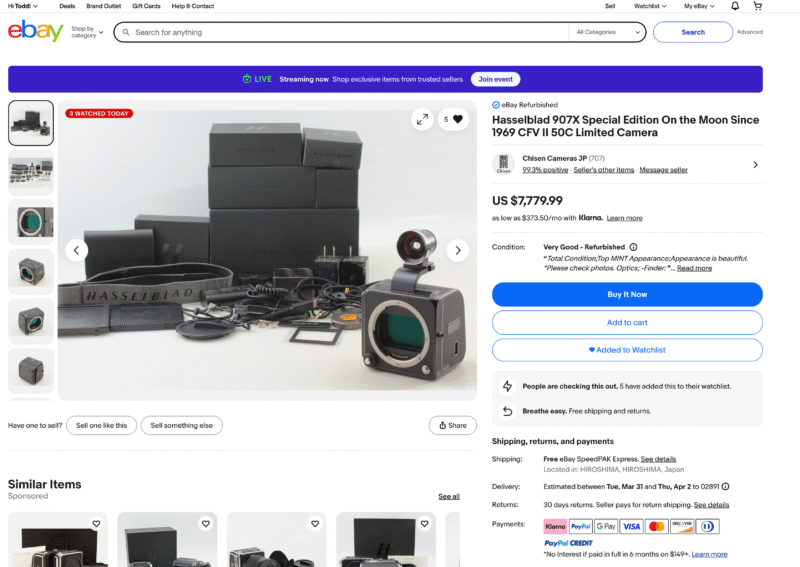
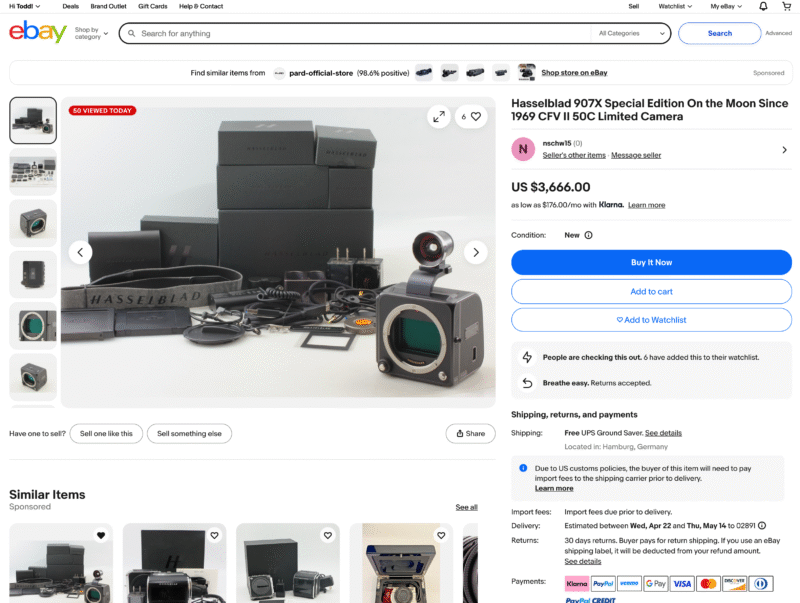
The 907X system, in particular, is modular and highly sought after. It consists of the CFV II 50C digital back and the 907X camera body, the smallest medium format camera body Hasselblad has ever made. The "On the Moon" special edition features a matte black finish and commemorative branding. By using stolen images of this specific, high-desirability item—images that were later traced back to a legitimate seller in Japan—the scammer creates a sense of urgency and "find of a lifetime" psychology in the victim.
Official Responses and Resolution
The resolution of this case provides insight into eBay’s current fraud-detection capabilities. Despite the initial hurdles, the buyer was eventually refunded. The process, however, was not instantaneous:
- Initial Dispute: The buyer reported the item as not received. eBay’s standard protocol requires a three-day waiting period to allow the seller to respond.
- The Void of Communication: Since the seller’s account had already been terminated, messages sent through the platform were effectively sent into a void.
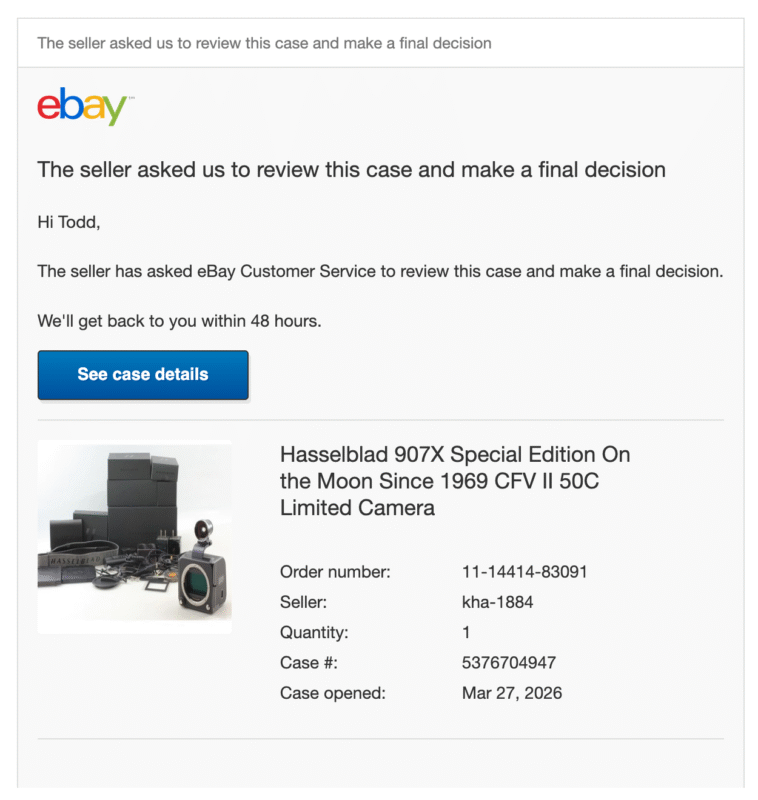
- Final Judgment: On March 30, eBay Customer Service reviewed the case. Within 17 minutes of the review, they ruled in favor of the buyer. The official reason cited was that the seller "didn’t receive valid proof of delivery."
This suggests that when a seller’s account is terminated for fraudulent activity elsewhere on the platform, eBay may proactively side with the buyer in pending disputes, even if the tracking number superficially suggests a successful delivery. The refund was processed and returned to the buyer’s account by April 2.
Broader Implications for E-Commerce Safety
This investigation underscores the evolving nature of digital theft. While the "Zip Code Scam" is not new, its application to high-value niche markets like professional photography gear is becoming more frequent. Data from various e-commerce watchdogs suggests that electronics and photography equipment remain the top categories for "non-delivery" fraud.
Industry analysts point out that the burden of proof in these cases often falls unfairly on the consumer. If the scammer had not been caught and banned by eBay for other reasons, the buyer in this scenario would have likely faced a much more difficult path to a refund, potentially requiring police reports, affidavits from the carrier, and escalation to credit card companies for a chargeback.
The persistent appearance of identical listings—such as the one that appeared from a German account shortly after the first scam was shuttered—indicates that these are often coordinated efforts by organized groups rather than isolated individuals. These groups use "scraping" bots to find high-quality images from legitimate listings on sites like eBay Japan or Map Camera and repost them globally to lure in unsuspecting bargain hunters.
Conclusion and Protective Measures
The primary takeaway from this investigative exercise is a reinforcement of the oldest adage in commerce: if a deal seems too good to be true, it almost certainly is. The sophistication of tracking manipulation means that even "protected" purchases can result in significant stress and temporary loss of funds.
To mitigate risk, buyers are advised to:
- Scrutinize Seller History: Avoid high-value purchases from accounts with zero feedback or accounts that have been dormant for years and suddenly list expensive electronics.
- Verify Images: Use reverse-image search tools to see if the product photos have been stolen from other listings or websites.
- Communicate First: Ask the seller for a specific, unique photo (e.g., the camera next to a piece of paper with today’s date). Legitimate sellers will usually comply; scammers cannot.
- Monitor Shipping Origin: Be wary of items that ship from a different state or country than what is listed on the seller’s profile.
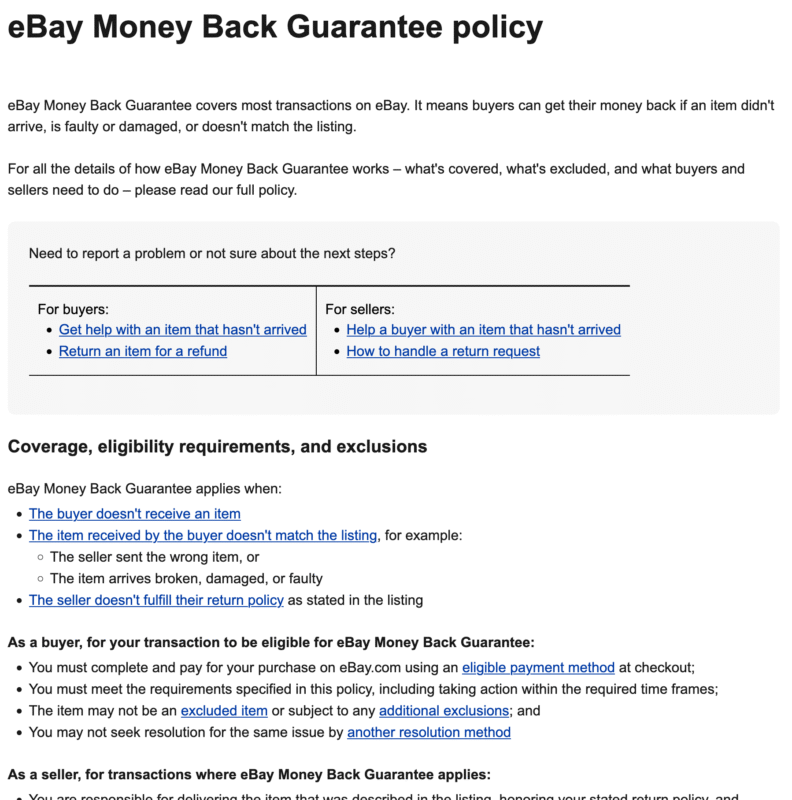
While eBay’s Money Back Guarantee ultimately functioned as intended in this instance, the investigation serves as a stark reminder that the "shelves" of the world’s largest auction house are not always what they seem. The digital frontier remains a "buyer beware" environment, where curiosity can be an expensive trait.

