


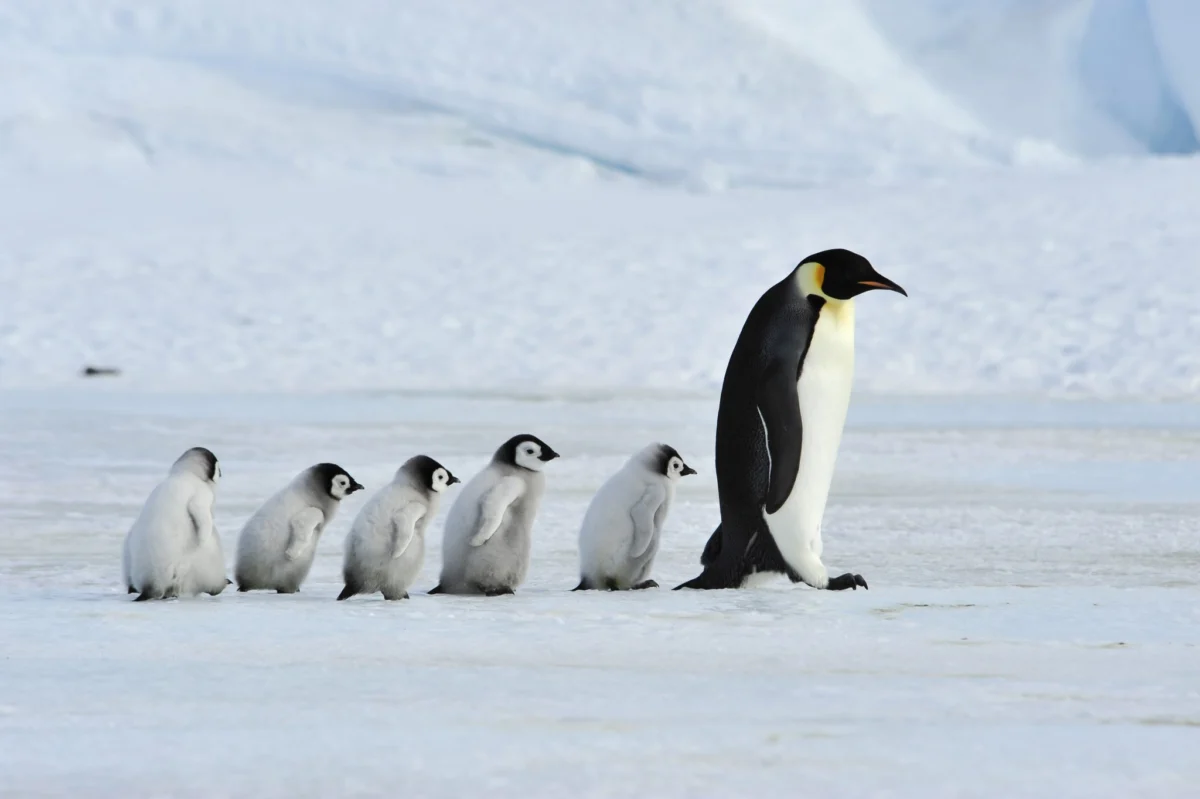
BirdLife International’s latest Red List assessment has sounded a grave alarm for the iconic Emperor Penguin, a species intrinsically linked to the fragile Antarctic ecosystem. The organization’s scientific findings, meticulously compiled in collaboration with the IUCN SSC Penguin Specialist Group, reveal a significant upward trend in the extinction risk for this beloved Antarctic resident. Consequently, the Emperor Penguin has been officially uplisted from "Near Threatened" to "Endangered" on the IUCN Red List of Threatened Species, a designation that underscores the urgent and profound impact of a changing climate on global biodiversity. This critical reclassification serves as a stark and undeniable signal of the escalating climate crisis, with its consequences now reaching the most remote corners of our planet. BirdLife International is now issuing a compelling call to action, urging governments to implement immediate protective measures by designating the Emperor Penguin as an Antarctic Specially Protected Species at the upcoming 48th Antarctic Treaty Consultative Meeting in Hiroshima this May.
The Alarming Trajectory of the Emperor Penguin
The Emperor Penguin (Aptenodytes forsteri) is facing an existential threat primarily driven by the rapid and erratic changes in Antarctic sea ice conditions, a direct consequence of global climate change. For these magnificent birds, sea ice is not merely a part of their habitat; it is the foundation upon which their entire life cycle is built. They rely on stable, persistent sea ice for crucial activities such as breeding, raising their young, molting their feathers, and foraging for food. The delicate balance of their existence is directly tied to the integrity of this icy platform.
According to BirdLife International’s comprehensive reassessment, projections indicate a devastating scenario for Emperor Penguin populations. It is anticipated that their numbers could be halved by the year 2080 if current greenhouse gas emission trends continue unabated. This stark prediction is based on sophisticated population modeling that considers a wide range of future climate scenarios. The primary driver behind this precipitous decline is the increasing instability and premature breakup of sea ice.
The Critical Role of Sea Ice: A Foundation Under Threat
Emperor Penguins have a highly specialized relationship with sea ice, particularly "fast ice"—sea ice that is anchored to the coastline, the ocean floor, or grounded icebergs. This stable ice formation is indispensable for their reproductive success and survival during vulnerable periods.

Breeding Season: Emperor Penguins typically breed during the harsh Antarctic winter. They form colonies on stable fast ice, where they lay their single egg. The male penguin then incubates the egg on his feet for an extended period, enduring extreme cold and blizzards while his mate embarks on long foraging trips. The stability of the fast ice is paramount during this incubation period, as any premature breakup could lead to the loss of eggs and chicks.
Chick Rearing: Once the chick hatches, both parents take turns foraging and feeding it. The chicks are born with a fluffy down that provides insulation but does not offer waterproofing. They remain on the ice, huddled together for warmth, until their adult waterproof feathers develop. This molting process can take several months. During this time, the chicks are entirely dependent on the presence of stable fast ice. If the ice breaks up before they are ready to enter the water, they face a grim fate, unable to survive in the freezing ocean.
Moulting: Adult Emperor Penguins also undergo an annual molt, a critical period when they shed and replace all their feathers. During this time, they are not waterproof and cannot enter the ocean to feed. They must remain on land or stable ice, relying on their stored fat reserves for sustenance. The availability of safe, accessible ice is vital for them to complete this process without undue risk.
The observed trend of earlier ice breakup and reduced sea ice persistence directly compromises these essential life stages. Satellite imagery has provided alarming evidence of this impact, with observations indicating a loss of approximately 10% of the Emperor Penguin population between 2009 and 2018 alone, translating to over 20,000 adult penguins. This period also saw sea ice extent reaching record lows since 2016, further exacerbating the challenges faced by these birds.
A Global Concern: Climate Change and Biodiversity Loss
The uplisting of the Emperor Penguin to Endangered status is a poignant illustration of how climate change is not a distant threat but a present and devastating reality for species across the globe. As Rob Martin, Red List Team Manager at BirdLife International, aptly stated, "The Emperor Penguin’s shift from Near Threatened to Endangered is a worrying signal of the reach of climate change impacts into the most remote parts of the globe."

This reassessment highlights a critical disconnect between global climate action and the pace of environmental degradation. While scientific bodies like BirdLife International and the IUCN provide increasingly dire warnings, the international community has struggled to implement the drastic emissions reductions necessary to avert the worst-case scenarios. The fate of the Emperor Penguin is intrinsically linked to the broader global effort to combat climate change.
The Urgent Need for International Action
The upcoming 48th Antarctic Treaty Consultative Meeting in Hiroshima in May presents a crucial window of opportunity for governments to take decisive action. The Antarctic Treaty System, established in 1961, is the international framework governing the continent, dedicated to peace, scientific research, and environmental protection. Designating the Emperor Penguin as an Antarctic Specially Protected Species would imbue this iconic bird with a higher level of legal protection.
This designation would translate into legally binding obligations for all signatory governments to implement measures that prevent direct harm or disturbance to Emperor Penguins and their critical habitat. Such protections could include restrictions on human activities in breeding areas, limitations on tourism, and enhanced monitoring of sea ice conditions and penguin populations.
Martin Harper, CEO of BirdLife International, emphasized the urgency of this action: "Penguins are already among the most threatened birds on Earth. The Emperor Penguin’s move to Endangered is a stark warning: climate change is accelerating the extinction crisis before our eyes. Governments must act now – starting by designating the Emperor Penguin as an Antarctic Specially Protected Species this May."
Broader Implications and the Path Forward
The plight of the Emperor Penguin serves as a potent symbol of the broader biodiversity crisis fueled by climate change. The health of bird populations, often referred to as "our compass," provides an invaluable indicator of the health of our planet. The stark future facing the Emperor Penguin in Antarctica foreshadows the potential ecological collapse of sensitive polar environments if humanity fails to alter its current trajectory.

The implications of this reclassification extend beyond the immediate conservation of a single species. It underscores the interconnectedness of global ecosystems and the far-reaching consequences of human-induced climate change. The potential loss of an entire species, particularly one as emblematic as the Emperor Penguin, would represent an irreplaceable loss to the planet’s natural heritage and a significant blow to global conservation efforts.
The path forward demands a multi-pronged approach. Firstly, an immediate and drastic reduction in global greenhouse gas emissions is paramount. This requires a fundamental shift in energy policies, a transition to renewable energy sources, and a commitment to sustainable practices across all sectors of the global economy. Secondly, targeted conservation measures, such as the proposed Antarctic Specially Protected Species designation, are essential to provide immediate protection for vulnerable populations and their habitats. Finally, continued scientific research and monitoring are crucial to track population trends, understand the evolving impacts of climate change, and adapt conservation strategies accordingly.
The story of the Emperor Penguin’s journey to Endangered status is a somber narrative of ecological vulnerability in the face of an unprecedented environmental challenge. It is a call to awaken to the reality of climate change and to act with the urgency and determination required to safeguard the future of our planet and its extraordinary biodiversity. The decisions made by governments at the Antarctic Treaty Consultative Meeting will be a critical test of their commitment to preserving the natural world for generations to come.

