


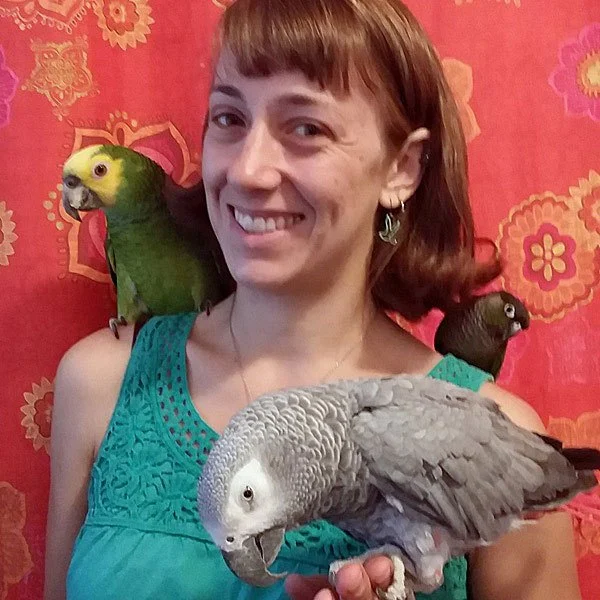
The highly anticipated "Avian Vet Insider" webinar series is set to continue its mission of advancing avian health knowledge with a critical two-part presentation on Avian Neoplasia, commencing on Friday, April 10, 2026. Esteemed avian veterinary specialist Dr. Stephanie Lamb will lead the first session, scheduled for 12:00 p.m. PST. This foundational webinar aims to provide an in-depth understanding of various types of cancer affecting pet birds, ranging from commonly encountered benign skin masses to complex and often incurable systemic diseases. Given the intricate nature of avian physiology and the diagnostic challenges inherent in exotic animal medicine, this series is poised to be an invaluable resource for pet bird owners, veterinary professionals, and anyone dedicated to the welfare of avian companions. Attendees are strongly advised to utilize the provided time zone converter to ensure accurate participation, as the PST timing may require adjustment for international or differing North American locales.
The Avian Vet Insider Series: A Commitment to Education
The "Avian Vet Insider" webinar series has established itself as a cornerstone for educational outreach in the specialized field of avian veterinary medicine. Organized by prominent figures and organizations within the avian health community, often supported by entities like Lafeber Company, known for its dedication to avian nutrition and research, the series consistently delivers expert-led discussions on pertinent health topics. Its primary objective is to bridge the knowledge gap between advanced veterinary science and practical pet care, empowering bird owners with the information necessary to recognize signs of illness, understand treatment options, and make informed decisions regarding their birds’ health. For veterinary practitioners, the series offers continuing education opportunities, keeping them abreast of the latest diagnostic techniques, therapeutic approaches, and research findings in avian medicine. The decision to dedicate a multi-part series to avian neoplasia underscores the topic’s complexity and its growing significance in the realm of companion bird health.
Dr. Stephanie Lamb: A Leading Voice in Avian Medicine
Dr. Stephanie Lamb, a board-certified avian veterinarian, brings a wealth of experience and expertise to this critical discussion. As a Diplomate of the American Board of Veterinary Practitioners (ABVP), specializing in Avian Practice, Dr. Lamb has dedicated her career to the unique challenges and rewards of avian medicine. Her extensive background includes clinical practice at leading exotic animal hospitals, where she regularly diagnoses and treats a wide array of avian diseases, including various forms of neoplasia. Dr. Lamb is recognized for her commitment to both clinical excellence and client education, often presenting at national and international veterinary conferences and contributing to scientific publications and pet owner resources. Her ability to distill complex medical information into understandable insights makes her an ideal speaker for a topic as sensitive and multifaceted as avian cancer. "Understanding avian neoplasia is crucial for both veterinarians and bird owners," states Dr. Lamb, emphasizing the webinar’s importance. "Birds are masters at hiding illness, and by the time symptoms become obvious, the disease can be quite advanced. Our goal with this webinar is to equip attendees with the knowledge to identify potential issues earlier and understand the diagnostic and therapeutic pathways available." Her passion for improving the lives of birds and supporting their human companions shines through her educational initiatives.
Avian Neoplasia: A Comprehensive Overview
Avian neoplasia, encompassing a broad spectrum of abnormal tissue growths and cancers, represents a significant and often challenging area in avian medicine. While historically perceived as less common in birds compared to mammals, advancements in diagnostic techniques, increased longevity of pet birds, and a greater understanding of avian pathology have revealed a higher prevalence than previously assumed. Neoplasia can manifest in virtually any organ system, and its presentation can vary dramatically depending on the bird species, age, genetic predisposition, and environmental factors.
Prevalence and Risk Factors:
The incidence of specific cancers varies among avian species. For instance, budgerigars (parakeets) are notably prone to developing reproductive tract tumors, lipomas (benign fatty tumors), and kidney tumors. Cockatiels frequently present with lipomas and fibrosarcomas. Amazon parrots can be susceptible to squamous cell carcinomas, while African Grey parrots, often living long lives, may develop pituitary adenomas or other internal masses. Factors contributing to the development of avian neoplasia include:
- Genetics: Certain breeds or species may have inherited predispositions.
- Diet: Nutritional imbalances, particularly diets high in fat or deficient in essential vitamins (e.g., Vitamin A deficiency), can contribute to tumor formation.
- Environmental Toxins: Exposure to carcinogens in the environment, such as certain pesticides or air pollutants, can play a role.
- Chronic Inflammation: Persistent inflammation in tissues can sometimes lead to neoplastic changes over time.
- Viral Infections: While less documented in companion birds compared to poultry (e.g., Marek’s disease), certain viruses could potentially be oncogenic.
- Hormonal Imbalances: Particularly in female birds, chronic egg-laying or reproductive issues can lead to an increased risk of reproductive neoplasia.
Common Types of Avian Neoplasia:
Dr. Lamb’s presentation will delve into both the frequently encountered and the more unusual forms of avian cancer. Common types include:

- Lipomas: Benign fatty tumors, often seen in budgerigars and cockatiels, typically appearing as soft, movable masses under the skin. While benign, they can grow large enough to impede movement or cause discomfort.
- Fibrosarcomas: Malignant tumors originating from fibrous connective tissue, which can be locally invasive and metastasize.
- Squamous Cell Carcinomas: Aggressive malignant tumors arising from the squamous epithelial cells, often found on the skin, beak, oral cavity, or periocular regions.
- Reproductive Tract Tumors: Highly prevalent in female birds, especially budgerigars, cockatiels, and lovebirds. These can include ovarian adenocarcinoma, oviductal carcinoma, or leiomyomas of the oviduct. They are often associated with chronic egg-laying.
- Renal Adenocarcinomas: Malignant kidney tumors, particularly common in budgerigars, which can cause lameness due to nerve compression.
- Lymphosarcoma: A type of cancer involving lymphoid tissues, which can affect various organs and present with generalized illness.
Rarer Forms and Diagnostic Challenges:
Beyond the common presentations, Dr. Lamb will also explore some of the rarer avian cancers, which often pose significant diagnostic challenges due to their infrequent occurrence and varied clinical signs. Diagnosing avian neoplasia typically involves a multi-modal approach, starting with a thorough physical examination, followed by advanced diagnostics such as:
- Cytology: Microscopic examination of cells collected from masses.
- Biopsy: Surgical removal of a tissue sample for histopathological analysis, considered the gold standard for definitive diagnosis.
- Radiography (X-rays): To detect internal masses, bone involvement, or organ enlargement.
- Ultrasonography: Useful for visualizing soft tissue masses and internal organ architecture.
- Computed Tomography (CT) and Magnetic Resonance Imaging (MRI): Provide detailed cross-sectional images for precise localization and staging of tumors, especially in complex areas.
- Endoscopy: Minimally invasive procedure to visualize internal organs and collect biopsies.
- Bloodwork: While not diagnostic for cancer itself, it can help assess overall health, organ function, and identify secondary issues.
The Critical Role of Early Detection and Owner Awareness
The success of managing avian neoplasia heavily relies on early detection, making the knowledge shared in this webinar absolutely critical for pet bird owners. Birds are instinctively programmed to hide signs of illness, a survival mechanism that often delays diagnosis until the disease is advanced. Owners should be vigilant for subtle changes in their bird’s behavior, appearance, and physical condition. Key indicators to watch for include:
- Lumps or Bumps: Any new mass or swelling, internally or externally.
- Weight Loss or Gain: Unexplained fluctuations, despite consistent diet.
- Lethargy or Weakness: Reduced activity, sleeping more, decreased vocalization.
- Changes in Droppings: Alterations in color, consistency, or volume.
- Changes in Appetite or Thirst: Eating or drinking more or less than usual.
- Difficulty Breathing: Open-mouth breathing, tail bobbing, abnormal respiratory sounds.
- Lameness or Difficulty Perching: Indicating potential bone involvement or nerve compression.
- Feather Plucking or Self-Mutilation: Can be a sign of discomfort or internal disease.
- Behavioral Changes: Increased aggression, withdrawal, or unusual vocalizations.
Regular wellness check-ups with an avian veterinarian are paramount, as these examinations can often detect abnormalities before they become overtly symptomatic. Dr. Lamb’s webinar will undoubtedly empower owners to become more proactive observers and advocates for their birds’ health, stressing that a bird’s health is a partnership between owner and vet.
Navigating a "Heavy Topic": The Two-Part Approach
The decision to divide the discussion on avian neoplasia into two parts underscores the vastness and complexity of the subject matter. Part 1, scheduled for April 10, 2026, is expected to lay the groundwork, focusing on the definition of neoplasia, its common manifestations, species predispositions, risk factors, and the initial diagnostic approaches. This foundational knowledge is essential for all attendees, regardless of their prior experience with avian health issues.
Part 2, which will be announced at a later date, will likely delve into more advanced aspects, such as specific treatment modalities (surgery, chemotherapy, radiation therapy, palliative care), prognosis for various tumor types, managing treatment side effects, and potentially exploring case studies to illustrate real-world applications of diagnostic and therapeutic strategies. This structured approach ensures that attendees can absorb the information comprehensively, building their understanding progressively. The organizers of the "Avian Vet Insider" series have stated their commitment to providing thorough, actionable information on challenging topics, and the multi-part format for avian neoplasia is a testament to this philosophy.
Broader Impact and Future Implications
The "Avian Vet Insider – Avian Neoplasia, Part 1" webinar represents more than just an educational event; it is a significant contribution to the ongoing advancement of avian veterinary medicine and the enhancement of companion bird welfare. By disseminating current knowledge and fostering a deeper understanding of avian cancer, the series helps to:
- Elevate Standards of Care: Equipping both owners and veterinary professionals with specialized knowledge directly translates to improved diagnostic capabilities and more effective treatment plans for affected birds.
- Promote Research: Increased awareness of avian neoplasia can stimulate further research into its causes, prevention, and novel therapies, ultimately leading to better outcomes.
- Empower Bird Owners: Knowledge empowers owners to ask informed questions, seek appropriate veterinary care, and actively participate in their bird’s health management, potentially leading to earlier detection and intervention.
- Foster Collaboration: The webinar platform facilitates a sense of community among avian enthusiasts and professionals, encouraging discussion and shared learning that benefits the entire avian community.
As the field of exotic animal medicine continues to evolve, educational initiatives like the "Avian Vet Insider" series play a pivotal role in ensuring that companion birds receive the highest possible standard of care. The detailed exploration of avian neoplasia by Dr. Stephanie Lamb is a crucial step in this journey, promising to shed light on a challenging condition and offer hope and guidance to those who care for these remarkable creatures. Interested parties are encouraged to mark their calendars for April 10, 2026, and prepare for an enlightening and impactful educational experience.

