


The Kentucky Derby, often described as the "most exciting two minutes in sports," remains the pinnacle of American horse racing, drawing global attention to the historic Churchill Downs in Louisville. However, as the 2026 racing season unfolds, the prestige of the event is increasingly overshadowed by a troubling record of equine mortality. According to a recently released report from the Horseracing Integrity and Safety Authority (HISA), the federal body tasked with overseeing the sport’s safety protocols, Churchill Downs has emerged as one of the deadliest racing venues in the United States. The data reveals that the track recorded the third-highest number of horse deaths in 2025, a statistic that has reignited intense debate over the ethics of the industry and the adequacy of current safety measures.
The HISA report highlights a grim reality: in 2025 alone, 19 horses died at Churchill Downs or its associated training facilities. This figure is particularly striking given that the track operated for only 70 racing days during that calendar year. The frequency of these fatalities has prompted animal rights organizations, including People for the Ethical Treatment of Animals (PETA), to call for a boycott of the Kentucky Derby, arguing that the industry’s wealthiest stakeholders are failing to protect the animals that serve as the foundation of their business.
The Regulatory Framework: The Role of HISA
To understand the current crisis, it is essential to examine the regulatory environment of American horse racing. For decades, the sport was governed by a patchwork of state-level commissions, leading to inconsistent rules regarding medication, track surfaces, and safety standards. In response to a series of high-profile horse deaths at tracks like Santa Anita Park in 2019, the United States Congress passed the Horseracing Integrity and Safety Act in 2020. This legislation created HISA, a private, non-profit organization under the oversight of the Federal Trade Commission (FTC).
HISA’s mandate is to implement uniform safety and integrity programs across the country. Its 2025 report, which identified Churchill Downs as a high-risk facility, represents the first time federal oversight has provided a standardized metric for track safety. The report’s findings suggest that despite the implementation of new federal rules, certain tracks continue to struggle with high rates of catastrophic injuries. For Churchill Downs, owned by the multi-billion-dollar Churchill Downs Incorporated (CDI), the findings represent a significant reputational and existential challenge.
A Chronology of Crisis at Churchill Downs
The recent spike in fatalities is part of a longer, documented trend of safety failures at the Louisville track. The timeline of incidents reveals a pattern that has persisted despite various attempts at reform.
In 2008, the Kentucky Derby was marred by the death of Eight Belles, a filly who finished second in the race. Seconds after crossing the finish line, she collapsed with compound fractures in both front ankles and was euthanized on the track in front of thousands of spectators. The incident served as a watershed moment, bringing national attention to the physical toll the sport takes on young thoroughbreds.
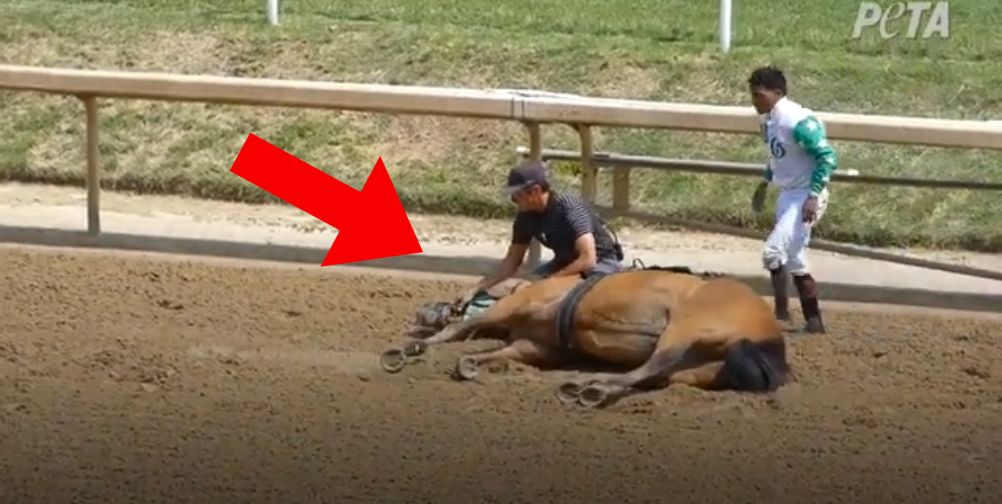
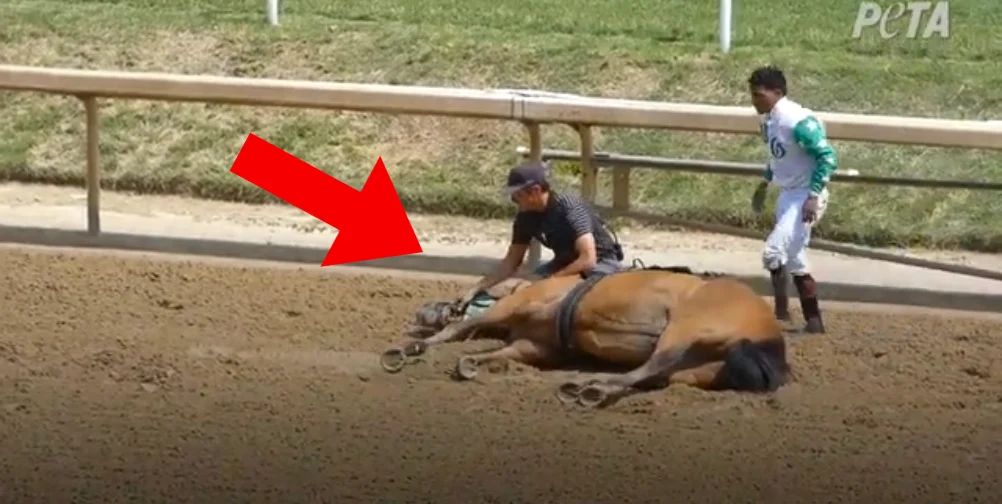
Fifteen years later, the 2023 Derby season saw another wave of tragedies. In the weeks surrounding the 149th Kentucky Derby, 12 horses died at Churchill Downs. Among them was Lost in Limbo, a horse that broke loose before a race and was subsequently forced to compete, only to suffer a fatal breakdown that was later captured on video by observers. The public outcry following these deaths was so significant that Churchill Downs took the unprecedented step of suspending its spring meet in June 2023, moving the remainder of its scheduled races to Ellis Park in Henderson, Kentucky.
An internal investigation conducted by CDI and HISA following the 2023 suspension concluded that there was no "single cause" for the deaths. The report cited various factors, including track conditions, individual horse health, and exercise protocols, but stopped short of mandating structural changes to the track surface itself. However, the 2025 data suggests that the underlying issues remain unresolved. In April 2025, the horse Valley of Fire was euthanized after breaking both front legs during a training session, and on Derby Day itself, the horse Sorcerer’s Silver suffered a severe leg fracture but survived.
Financial Prosperity vs. Safety Investment
The debate over horse safety at Churchill Downs is inextricably linked to the financial performance of its parent company. Churchill Downs Incorporated reported a profit of $383 million in 2025, generated from a total revenue of $2.93 billion. Critics argue that a company with such substantial resources should be leading the industry in safety innovation, such as the installation of synthetic racing surfaces or the widespread use of advanced diagnostic imaging, like PET scans, to detect pre-existing bone remodeling before it leads to a catastrophic fracture.
While dirt tracks are the traditional standard for American racing, they are statistically more dangerous than synthetic or turf surfaces. Synthetic tracks, composed of a mix of sand, synthetic fibers, and wax, provide more "cushion" and are less affected by weather changes. However, many traditionalists in the industry resist the move to synthetic surfaces, citing a preference for the speed and historical consistency of dirt.
Furthermore, the industry is facing a broader economic challenge. Adjusted for inflation, the total amount of money wagered on horse racing in the U.S. has declined by approximately 57% since 2003. This "death spiral" is often attributed to the rise of alternative forms of gambling, such as legal sports betting and online casinos, as well as a shifting cultural sentiment among younger generations who view horse racing as inhumane.
The Physicality of the Thoroughbred
The anatomical vulnerability of the modern thoroughbred is a central factor in the high mortality rates. These horses are bred for extreme speed, often possessing massive muscle mass supported by relatively thin lower leg bones. Because horses carry about 60% of their weight on their front legs, the force exerted during a gallop—especially on a hard dirt surface—can exceed the structural integrity of the bone.
Injuries often occur at the fetlock joint, which acts as a shock absorber. If a horse has a minor, undetected stress fracture, the repetitive pounding of a race can cause the bone to shatter. Once a horse suffers a compound fracture in its lower leg, the prognosis is usually terminal. Unlike humans, horses cannot be kept off their feet for long periods; their digestive and circulatory systems require them to stand and move. Laminitis, a painful and often fatal hoof condition, frequently develops in the healthy legs of a horse that is forced to favor an injured limb.
Industry and Public Reactions
The reaction to the HISA report has been polarized. Industry advocates argue that the 19 deaths in 2025 must be viewed in the context of the thousands of successful starts made by horses throughout the year. They point to improvements in medication rules and the increased presence of veterinarians at the starting gates as evidence of progress.
Conversely, animal welfare groups and some racing insiders express a sense of desperation. PETA has reported an increase in whistleblowers from within the industry—including jockeys, grooms, and trainers—who have expressed concerns about the pressure to run "sore" horses to meet the demands of owners and bettors. These insiders argue that the culture of the backside, where economic survival often depends on a horse’s ability to compete, can sometimes prioritize short-term gains over the long-term health of the animal.
Broader Implications and the Path Forward
The findings at Churchill Downs have implications that extend far beyond the borders of Kentucky. As the most visible symbol of American horse racing, the Kentucky Derby serves as the industry’s primary marketing tool. If the public begins to associate the event more with animal mortality than with sporting excellence, the entire industry faces an existential threat.
For Churchill Downs to salvage its reputation, experts suggest several potential paths. First, there is a call for greater transparency in reporting veterinary records and the results of necropsies (animal autopsies). Second, the industry may need to reconsider the age at which horses begin racing; many thoroughbreds start their careers at age two, before their skeletal systems are fully mature. Finally, there is the question of the track surface itself. If dirt tracks continue to yield high fatality rates, the pressure to transition to synthetic surfaces may become irresistible.
As the 2026 Kentucky Derby approaches, the spotlight will remain fixed on Churchill Downs. The "Run for the Roses" remains a deeply embedded part of American cultural heritage, but its future may depend on whether the industry can prove that it values the lives of its equine athletes as much as the profits they generate. For now, the HISA report serves as a stark reminder that in the high-stakes world of horse racing, the greatest risk is often borne by those who have no say in the gamble.

