


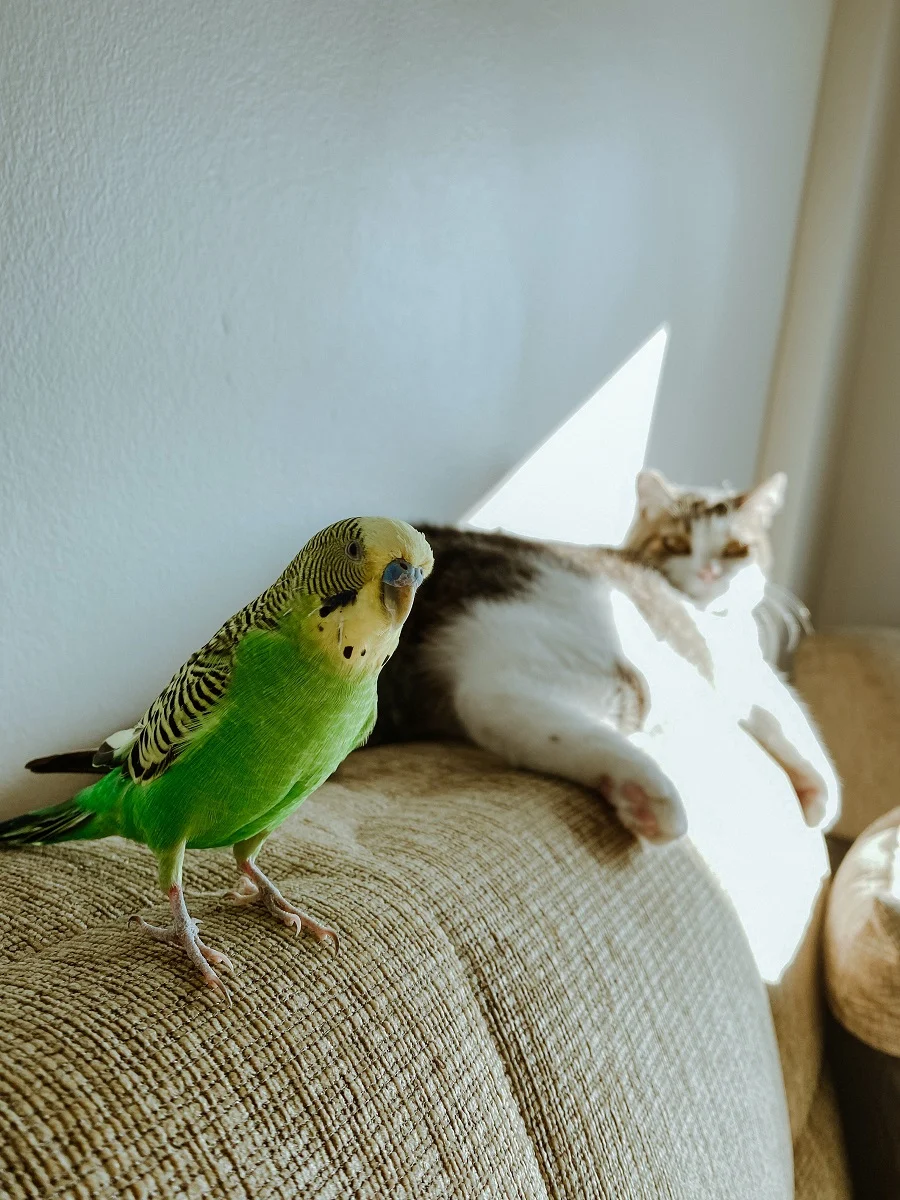
Welcoming a parrot into your home is an exciting endeavor, filled with the promise of companionship, vibrant personality, and intellectual engagement. As you prepare for this new family member – from selecting the perfect cage and stocking up on stimulating toys to learning their unique communication cues – one paramount consideration must remain at the forefront: safety. Parrots, while possessing remarkable intelligence and an insatiable curiosity, are inherently vulnerable to the myriad of hazards present within a typical human household. Their exploratory nature, a hallmark of their species, can unfortunately lead them into dangerous situations they are ill-equipped to navigate safely. It is the solemn responsibility of every parrot owner to meticulously "parrot-proof" any environment their feathered companion will access, transforming potential perils into a secure haven. This comprehensive guide outlines critical safety measures, drawing on expert advice and real-world scenarios, to ensure your home is a safe and thriving space for your avian friend.
Foundational Preparations: Establishing a Safe Environment and Emergency Readiness
Before your new parrot even sets foot (or claw) in its new home, a thorough safety assessment and preparation are essential. This foundational stage involves not just physical modifications but also establishing robust protocols and ensuring all household members are fully educated. Leading avian veterinarians and animal welfare organizations consistently advocate for comprehensive home safety protocols, emphasizing that prevention is always superior to treatment.
Firstly, family awareness is non-negotiable. Every individual living in or regularly visiting the home must be fully cognizant of the bird’s presence and the associated safety guidelines. This includes understanding the specific dangers of open doors, unattended food, or aerosol products. Establishing a clear set of rules, such as "always check for the parrot before closing a door" or "no scented products in the parrot’s vicinity," is crucial. Secondly, emergency preparedness is vital. Owners should identify and establish a relationship with a qualified avian veterinarian before an emergency arises. Keeping their contact information, along with that of an emergency animal hospital, readily accessible is critical. A basic avian emergency kit should also be assembled, containing items such as blood stop powder, sterile gauze, self-adhesive wrap, and a bird-safe antiseptic, ready for immediate use in minor incidents. Understanding basic avian first aid, such as how to safely restrain a bird or address minor bleeding, can be life-saving.
1. Electrical Hazards: The Silent Threat of Chewing Instincts
Parrots possess a powerful, constantly growing beak that they instinctively use for a variety of behaviors, including foraging, grooming, and maintaining their natural nesting cavities in the wild. In a domestic setting, this natural chewing compulsion can be redirected towards household items, ranging from mildly annoying (chewed furniture) to extremely dangerous (electrical cords and outlets).
The danger of electrical shock to a parrot is profound. Their small body size and delicate physiology make them highly susceptible to electrocution, which can cause severe burns, internal organ damage, cardiac arrest, or even instant death. Even a non-fatal shock can result in lasting trauma and neurological damage. To mitigate this risk, all electrical cords in areas accessible to your parrot must be either completely hidden or adequately protected. Solutions include:
- Cable Management: Utilizing cable tidies, cord protectors, or wire loom tubing can encase wires, making them less appealing and harder to chew through.
- Concealment: Running cords behind heavy furniture, inside walls (if feasible and safe), or within dedicated cable management boxes can remove them from the bird’s sight and reach.
- PVC Pipe Protection: For more exposed areas, lengths of PVC pipe can be cut to size and used to encase wires, offering a robust physical barrier.
- Unplugging Unused Appliances: Whenever an appliance is not in use, especially in rooms where the parrot free-roams, unplugging it entirely eliminates the electrical hazard.
- Outlet Covers: Child-proof outlet covers should be used on all unused electrical sockets to prevent curious beaks from exploring them.
The vigilance required for electrical safety is ongoing, as parrots are adept at discovering new vulnerabilities over time. Regular inspections of protected cords and accessible areas are essential.
2. Air Quality and Respiratory Dangers: Invisible Killers in the Home
One of the most critical, yet often overlooked, aspects of parrot safety is indoor air quality. Parrots possess a highly efficient and delicate respiratory system, far more sensitive than that of mammals. Their unique anatomy, which includes a series of air sacs in addition to lungs, allows for highly efficient oxygen exchange but also makes them exceptionally vulnerable to airborne toxins. This is the historical basis for the "canary in the mine" analogy, where canaries were used to detect dangerous gases before they harmed human miners.
Numerous common household products and activities release fumes that can be lethal to parrots:
- PTFE (Teflon) Poisoning: Overheated non-stick cookware, such as pots, pans, and even some non-stick baking sheets, toaster ovens, and irons, can release polytetrafluoroethylene (PTFE) fumes when heated to high temperatures. These fumes are odorless, colorless, and rapidly fatal to birds, causing pulmonary hemorrhage and death within minutes, even in small concentrations. This is a critical and common danger.
- Aerosolized Products: Air fresheners, hairsprays, deodorants, perfumes, furniture polish, cleaning sprays, and even some essential oil diffusers can release fine particles and chemicals that severely irritate or damage a parrot’s respiratory system.
- Smoke and Combustion Byproducts: Cigarette, cigar, and vape smoke are highly toxic. Fireplaces, wood-burning stoves, scented candles (paraffin wax and artificial fragrances), incense, and even burnt food (e.g., forgotten toast or scorched dinner) produce soot, carbon monoxide, and other harmful particulate matter.
- Chemical Cleaners: Strong chemical cleaners containing ammonia, bleach, or other harsh agents should never be used in areas accessible to or near parrots.
- Construction Fumes: Paint fumes, adhesives, and solvents released during renovation projects are extremely dangerous.
To ensure safe air quality:
- Ventilation: Always ensure excellent ventilation in your home, especially in the kitchen and any areas where potential fumes might occur.
- Non-Toxic Cookware: Switch to bird-safe cookware, such as stainless steel, cast iron, or ceramic.
- Avoid Aerosols: Eliminate all aerosol products and strong-smelling cleaners from the home or use them only when the parrot is securely housed in a separate, well-ventilated area.
- Smoke-Free Environment: Maintain a strictly smoke-free home.
- Detectors: Install carbon monoxide detectors and smoke detectors in strategic locations throughout the home, offering protection for both your bird and your family.
- Air Purifiers: Consider an air purifier with a HEPA filter and activated carbon, placed strategically away from the bird’s direct airflow, to help manage ambient pollutants.
The American Veterinary Medical Association (AVMA) and numerous avian welfare groups consistently issue strong warnings regarding household air quality, emphasizing that even seemingly innocuous scents can pose a severe threat.
3. Accidental Ingestion: A Parrot’s Curiosity Versus Household Toxins
Parrots explore their world primarily with their beaks and tongues, meaning that anything accessible is a potential candidate for nibbling or ingestion. Their discerning palate, while sophisticated, does not inherently protect them from the vast array of toxic substances found in a human home.
A wide range of items, from common houseplants to everyday foods and household chemicals, can be highly dangerous if ingested:
- Toxic Plants: While many houseplants are harmless, numerous popular varieties are toxic to birds. Examples include lilies, azaleas, philodendrons, poinsettias, ivy, aloe vera, and diffenbachia. Owners must research every plant in their home and either remove toxic ones or place them in completely bird-proof areas. Safe options include spider plants, Boston ferns, and certain herbs, but even these should be monitored for pesticide residue.
- Human Foods: Many foods safe for humans are toxic to parrots.
- Chocolate and Caffeine: Contain theobromine and caffeine, which are central nervous system stimulants highly toxic to birds, leading to seizures and death.
- Avocado: Contains persin, a fungicidal toxin that can cause respiratory distress, weakness, and heart damage in birds.
- Apple Seeds and Cherry Pits: Contain cyanide compounds.
- Onions and Garlic: Contain thiosulphates, which can cause hemolytic anemia.
- Xylitol: An artificial sweetener found in many sugar-free products, is highly toxic.
- Alcohol: Extremely dangerous, even in small amounts.
- Heavy Metals: Ingestion of heavy metals is a significant concern.
- Zinc: Found in galvanized wire cages (especially older ones), some metal toys, pennies (pre-1982 pennies are mostly copper, but newer ones are zinc-coated), and certain hardware. Zinc toxicity can cause vomiting, diarrhea, weakness, and neurological symptoms.
- Lead: Found in older paints, stained glass, fishing weights, some costume jewelry, and foil. Lead poisoning can lead to neurological damage, gastrointestinal issues, and organ failure.
- Medications and Cosmetics: All human and pet medications, as well as cosmetics (lipsticks, lotions, nail polish), must be kept in secure, bird-proof containers or cabinets.
- Cleaning Products and Chemicals: Even residue from cleaning products can be harmful. Pesticides, insecticides, rodenticides, and antifreeze are highly toxic and should never be used in areas accessible to birds.
- Small Objects: Buttons, beads, staples, rubber bands, or small plastic pieces can cause impaction or choking.
Strategies for prevention include child-proof locks on cabinets, storing all hazardous materials on high shelves or in secure containers, and maintaining a meticulous environment, regularly scanning for fallen items.
4. Navigating the Human Home: Doors, Windows, and Reflective Surfaces
The domestic environment presents unique navigational challenges for parrots, particularly concerning escape routes and deceptive surfaces.
-
Doors and Windows (Escape Risk): An open door or window represents a direct escape route for a curious parrot. Once outside, a pet bird, even a domesticated one, faces immense dangers from predators, traffic, and starvation, and recovery rates for lost birds are tragically low.
- Prevention: Establish a strict "cage-first" rule – the bird must be securely in its cage before any exterior door or window is opened. Consider double-door entry systems for primary bird rooms. Install secure, fine-mesh screens on all windows. Notes on doors can serve as reminders for guests.
- Interior Doors: Keeping interior doors closed also prevents parrots from accessing unsafe rooms and reduces the risk of injuries. Parrots often enjoy perching on the tops of doors; an accidental closing can lead to crushed toes or tail feathers. Door stoppers can provide a layer of protection.
-
Mirrors and Reflective Surfaces (Collision Risk): Parrots, especially inexperienced fliers, often perceive mirrors and large windows as open space or another bird, leading to potentially fatal collisions. The impact can cause concussions, broken bones, or internal injuries.
- Prevention: Covering mirrors with curtains or decals can break up the reflection. Applying bird-friendly window film or static clings to large windows can make them more visible to birds, preventing crashes.
5. The Cage Environment: A Sanctuary or a Hazard?
The parrot’s cage is its primary home and sanctuary, yet it can paradoxically harbor numerous dangers if not properly chosen and maintained.
-
Cage Selection:
- Bar Spacing: Crucial for safety. The bars must be wide enough for the bird to move freely but narrow enough that the bird cannot fit its head through, preventing strangulation or entrapment. For small birds like budgies, 1/2 inch is appropriate; for cockatiels, 5/8 to 3/4 inch; larger parrots require wider spacing.
- Material: Cages should be constructed from non-toxic materials like stainless steel or powder-coated (lead- and zinc-free) wrought iron. Galvanized wire, especially in older or cheaply made cages, can leach zinc, leading to heavy metal poisoning.
- Size: Always choose the largest cage possible, allowing the bird to fully stretch its wings without touching the sides.
-
Cage Maintenance:
- Rust and Damage: Regularly inspect the cage for rust, chipped paint, or bent/broken bars. Rust can cause ingestion of harmful particles and harbor bacteria. Damaged bars can create sharp edges or entrapment points. Any compromised cage should be replaced or repaired immediately.
- Perches: Provide a variety of natural branch perches of different diameters to prevent "bumblefoot" (pressure sores). Avoid dowel perches as the sole option and sandpaper perches, which can damage footpads.
-
Toy Safety: Toys are essential for mental stimulation but can be dangerous if not chosen and maintained carefully.
- Materials: Avoid toys made with zinc, lead, or other toxic metals. Be wary of small parts that can be ingested.
- Design Flaws: Some toys, particularly those with loops, chains, or small openings, can trap a bird’s foot, wing, or beak, leading to serious injury or strangulation. Bells with removable clappers are also a risk.
- Fraying Ropes/Threads: Toys made from rope or fabric can fray, and loose threads can entangle a bird’s toes or be ingested, causing crop impaction or strangulation. Regularly trim frayed edges or discard damaged toys.
- Regular Inspection: Toys should be inspected daily for damage. Heavily chewed or broken toys should be removed and replaced.
As documented by research such as Lightfoot & Yeager (2008) in Veterinary Clinics of North America: Exotic Animal Practice, zinc toxicity from galvanized cages and toys, along with poorly designed toys causing entrapment, remains a significant cause of illness and death in pet birds.
6. Furniture and Hidden Spaces: Unseen Traps
Parrots are naturally inclined to seek out small, enclosed spaces that mimic the hollow tree nests they would inhabit in the wild. This instinct, particularly pronounced during hormonal or broody periods, can lead them into dangerous household nooks and crannies.
-
Entrapment and Crushing Risks:
- Recliners and Rocking Chairs: These pose a severe crushing risk. A parrot can easily climb into the mechanism or under the chair and be crushed when someone sits down or adjusts the furniture.
- Spaces Behind/Under Appliances: Gaps behind refrigerators, washing machines, or under heavy furniture can become entrapment zones.
- Open Drawers and Cabinets: These are dark, inviting spaces that a parrot might explore and get trapped in if closed.
- Under Cushions/Blankets: A bird might burrow into soft furnishings and be accidentally suffocated or crushed.
- Heating Vents/Ducts: These can lead to inaccessible or dangerous areas.
-
Prevention:
- Block Access: Use mesh, panels, or rearrange furniture to block off dangerous spaces.
- Constant Vigilance: Always know your bird’s exact location before moving furniture, closing drawers, or sitting down.
- Educate Guests: Inform visitors about the risks and the need for caution.
7. Water Hazards: Drowning Risks in Plain Sight
Even relatively shallow bodies of water in a human home can pose a significant drowning risk to parrots, particularly smaller species or those startled into a fall.
-
Toilets: Uncovered toilet bowls are a leading cause of accidental drowning for free-roaming parrots. They can fall in, become waterlogged, and be unable to climb out of the slippery porcelain basin.
-
Sinks and Bathtubs: Filled sinks or bathtubs, even if shallow, can be dangerous if a bird falls in.
-
Open Buckets and Vases: Buckets of cleaning water, large water-filled vases, or even deep cooking pots can be fatal traps.
-
Aquariums and Fish Ponds: These should always have secure lids or protective barriers.
-
Prevention:
- Toilet Lids Down: Make it an unbreakable habit to keep all toilet lids closed.
- Drain Sinks/Tubs: Immediately drain sinks and bathtubs after use.
- Empty Containers: Never leave open buckets of water or deep vases accessible.
- Supervision: Never leave your parrot unattended in a bathroom or kitchen where open water sources are present.
8. Inter-Species Interactions: The Peril of Other Pets
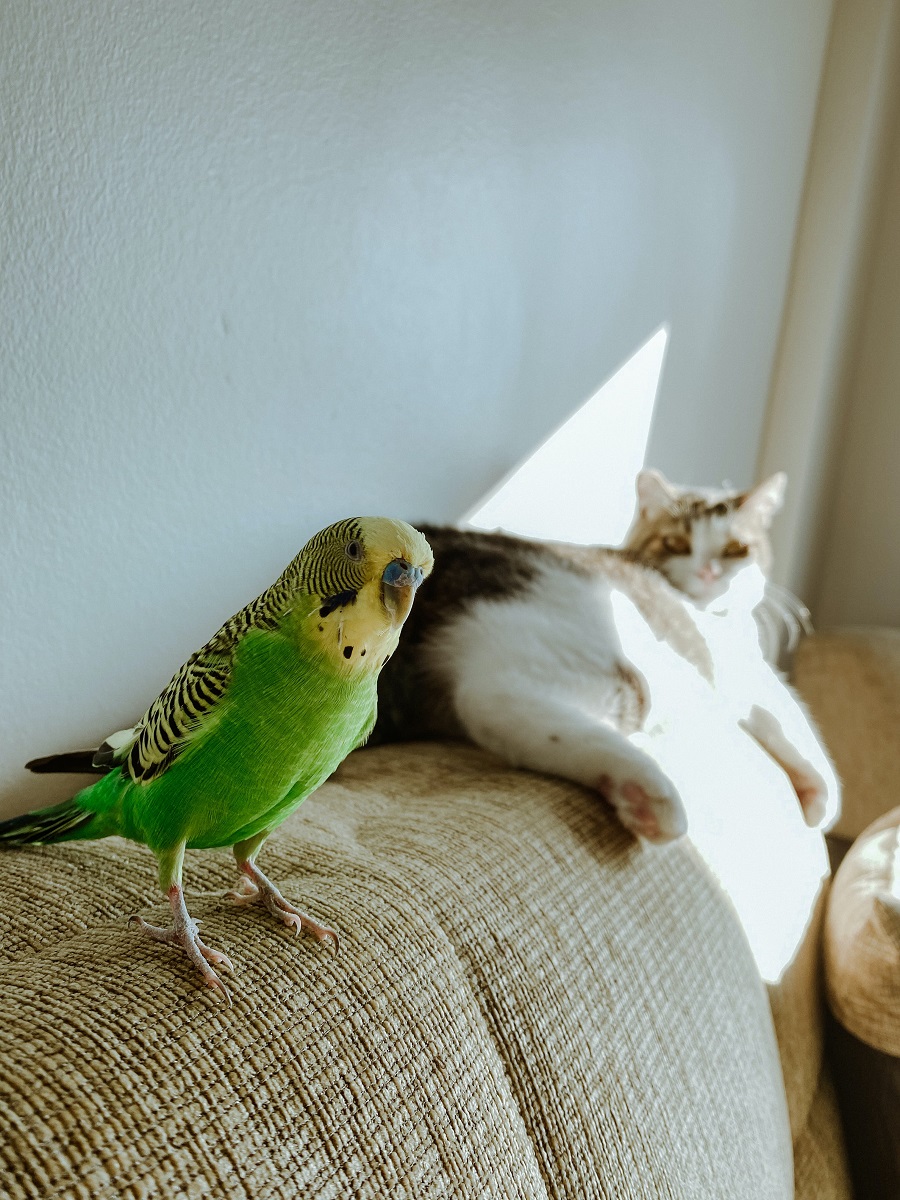
This is one of the most challenging safety messages for many parrot owners to accept, particularly when they believe their other pets are well-behaved or have "grown up" with the bird. However, the fundamental prey-predator instinct cannot be trained out of animals, and even a seemingly harmless interaction can have fatal consequences for a fragile parrot.
-
Cats: Cats carry Pasteurella multocida bacteria in their mouths and claws. Even a minor scratch or bite, which might seem insignificant, can introduce this bacteria into a parrot’s bloodstream, leading to rapid and often fatal septicemia if not treated immediately with antibiotics. The cat’s predatory instinct can also be triggered by a bird’s sudden movement.
-
Dogs: While many dogs can be gentle, their playful nips or accidental bumps can cause severe trauma, internal injuries, or crushing to a parrot. A dog’s prey drive can also be activated by a bird’s fluttering, leading to a swift and tragic outcome.
-
Ferrets, Reptiles, and Other Small Mammals: These animals are often natural predators of birds and should never be allowed near a parrot.
-
Prevention:
- Strict Separation: The only truly safe approach is complete separation. Parrots should never be allowed to interact directly with other household pets, regardless of perceived temperament or past behavior.
- Separate Rooms: Keep birds in a designated "bird room" or secure cage in an area where other pets cannot access them.
- Supervision is Insufficient: Even under direct supervision, accidents can happen in a split second. The risk is simply too high.
Avian specialists unequivocally advise against allowing parrots to interact directly with other household pets. It is a critical, non-negotiable safety measure rooted in biological instinct and documented tragic outcomes.
Miscellaneous Bird Safety Tips
Beyond the major categories, several other safety considerations contribute to a comprehensive parrot-proofing strategy:
- Constant Supervision: Never leave a free-roaming parrot unsupervised, even for a moment.
- Foot Traffic Awareness: Develop a habit of shuffling your feet when walking through rooms where your bird might be on the floor, preventing accidental stepping.
- Ceiling Fans and Stoves: Always turn off ceiling fans when your parrot is out of its cage. Use stove burner covers and never leave hot stovetops or open oven doors unattended.
- Hot Surfaces: Keep irons, hot drinks, and other heated surfaces out of reach.
- Pesticides and Insecticides: Avoid using any pest control sprays, foggers, or baits in areas where your bird lives or roams.
- Children: Educate children on gentle and respectful interaction with the parrot. Always supervise interactions between young children and birds.
- Leaving the House: Ensure your bird is securely caged before leaving your home, preventing escapes or accidents while you are away.
- Temperature Extremes: Protect your parrot from drafts, sudden temperature changes, and direct, prolonged sunlight that could lead to overheating. Maintain a consistent, comfortable ambient temperature.
Parrot-proofing is an ongoing process that requires constant vigilance and adaptation as your bird’s personality and exploratory habits evolve. By diligently implementing these safety measures, owners can create an enriching and secure environment, fostering a long and healthy life for their beloved avian companions.
Sources & Further Reading
- Lightfoot, T. L., & Yeager, J. M. (2008). Pet bird toxicity and related environmental concerns. Veterinary Clinics of North America: Exotic Animal Practice, 11(2), 229-259.
- American Veterinary Medical Association (AVMA) Avian Care Guidelines.
- The Association of Avian Veterinarians (AAV) educational resources.

