


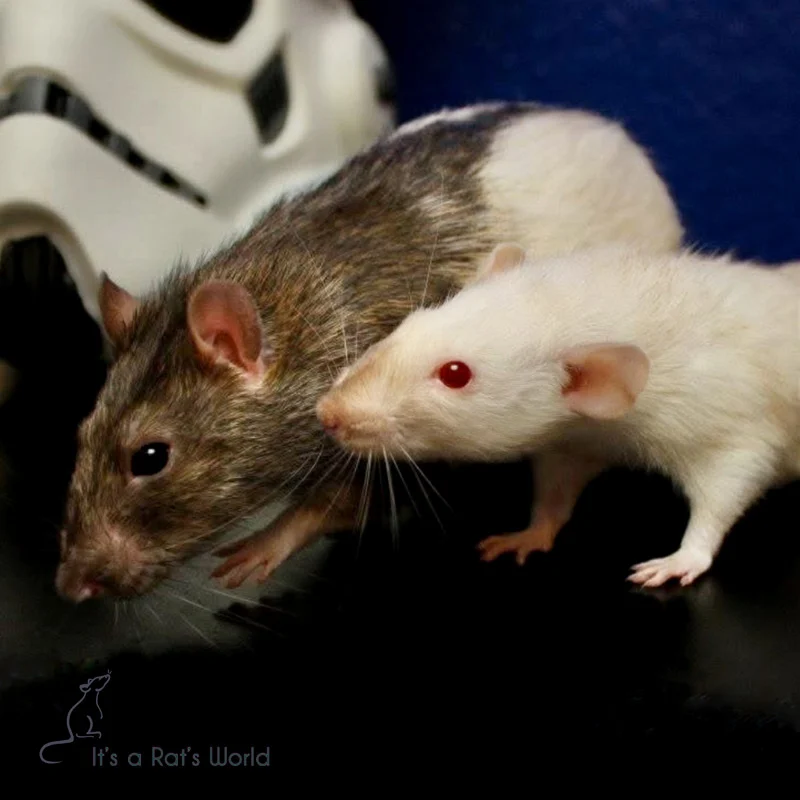
The decision of whether to welcome a male or female rat into your home is a common consideration for prospective owners, often met with the reassuring answer that both make exceptional pets. This article delves into the nuances of male and female rats, exploring their physical characteristics, behavioral tendencies, and the impact of sterilization, to provide a comprehensive guide for potential rat enthusiasts. While personal preference may lean towards one sex over the other, the objective assessment of their differences reveals that neither sex inherently surpasses the other in suitability as a companion animal.
Understanding Physical Differences
A primary distinction between male and female rats lies in their physical stature. On average, male rats tend to be larger than their female counterparts. Adult males typically measure between 10 to 12 inches in length, excluding their tail, and weigh between 450 to 650 grams (approximately 1 to 1.4 pounds). In contrast, female rats generally range from 9 to 10 inches in length (again, without the tail) and weigh between 350 to 450 grams (about 12.3 ounces to 1 pound).
However, these are averages, and individual variation is significant. As observed by experienced rat keepers, some male rats can be as small as or even smaller than some females, while certain females can achieve substantial size, rivaling the dimensions of many males. For instance, exceptionally large males have been recorded weighing as much as 2 pounds (907 grams), with several brothers weighing around 1.8 pounds (850 grams). This underscores the importance of considering individual rat size rather than relying solely on sex-based generalizations.

Another observable physical difference is the texture of their fur. Adult intact male rats often produce more oil on their backs, a substance known as "buck grease." This oily secretion can give their fur a somewhat coarser texture and may appear orangish-yellow. In some cases, excessive buck grease can lead to skin irritation and necessitate occasional baths for the rat. Neutering male rats often leads to a reduction or complete disappearance of buck grease, resulting in softer fur. Female rats, on the other hand, typically maintain a softer coat throughout their lives.
Exploring Aromatic Distinctions
Beyond their physical attributes, male and female rats possess distinct natural aromas, a fact that often surprises new owners. Intact male rats typically emit a scent reminiscent of warm corn tortillas or tortilla chips, a smell that, while perhaps unusual, is generally considered pleasant. Female rats, conversely, often possess a fragrant aroma that has been likened to grape soda and fabric softener, with a subtle floral undertone. This pleasant scent has led to a practice among some rat owners called "huffing," which involves deeply inhaling the rat’s fur to enjoy their natural aroma.
The development of these scents is closely linked to hormonal activity. Intact males produce significantly more oil, contributing to their characteristic odor. When male rats are neutered, their scent often transforms, typically becoming similar to the floral, grape-like aroma associated with females. This change in scent can be a significant factor for owners who are sensitive to odors.
It is worth noting that hygiene plays a role in a rat’s overall smell. Occasionally, both male and female rats may engage in a behavior known as "marinating," where they sleep in soiled bedding or urine-soaked areas. This is more commonly observed in males and can lead to a less desirable odor. Regular cleaning of their enclosure and occasional gentle wipe-downs with unscented baby wipes or damp paper towels can help manage any unpleasant smells associated with buck grease or marinating.
Analyzing Energy Levels and Temperament
When it comes to personality and energy levels, common perceptions suggest that male rats are generally more laid-back and cuddly, while females are more energetic and less inclined to settle for prolonged cuddling. However, personal experiences from seasoned rat keepers often challenge these generalizations.
While it is true that male rats can become more sedentary as they age, particularly after being neutered, they are often quite active during their younger years. Furthermore, a preference for not being held does not necessarily equate to laziness; some males may simply prefer to be near their owners rather than directly on them.
Similarly, while some female rats exhibit high energy and a preference for climbing and exploration, many also become as content and relaxed as their male counterparts as they mature. The author’s personal experience suggests that the energy levels and desire for affection are often more dependent on the individual rat’s personality than on their sex.
A significant factor influencing a female rat’s behavior is their estrous cycle. Intact females typically go into heat every four to five days, during which they may experience restlessness, hyperactivity, agitation, and noticeable ear wiggling. Owners who have only ever kept spayed females may miss out on observing these hormonal influences on behavior. The experience of spaying female rats at a young age, before they reach sexual maturity, can preempt these cyclical behavioral changes.

Understanding Behavioral Differences and Social Maturity
A more pronounced divergence between male and female rats is observed in their behavior, particularly concerning social maturity and urine marking. Rats reach puberty between six to eight weeks of age. However, social maturity, a period when their personalities fully develop and they may exhibit more distinct behaviors, is generally considered to occur between five to six months of age, though some owners report this period extending to six to nine months for males.
During this phase, some male rats may experience a personality shift. They can become more easily agitated, irritable, and occasionally more aggressive towards their cagemates or even their owners. While this is not universal, it is a recognized phenomenon. Such behavioral changes can sometimes be mitigated through neutering, which can significantly reduce aggression and territoriality.
When introducing new rats to a group, males, especially intact ones, can exhibit territorial behaviors. This can manifest as increased aggression towards other rats, particularly other males. While it doesn’t mean that males inherently cannot coexist peacefully or that all males are territorial, introductions can require more patience and careful management. In cases where aggression poses a danger to other rats, separating groups or considering neutering may be necessary.
Introductions between males and females, or between females, are often reported to be less stressful than male-to-male introductions. However, even females can display resistance to new additions. Older females may become more accepting of new rats as they age. Overall, many experienced keepers find that females tend to be more accommodating during introductions than a significant portion of males.

Another notable behavioral difference is urine marking. Intact male rats are far more prone to marking their territory, including their owners and perceived possessions, with urine. While some males may cease frequent marking once they are settled, others may continue this behavior throughout their lives. Female rats are considerably less likely to engage in urine marking.
In terms of litter training, female rats are often found to be easier to train, though it is important to note that neither sex typically achieves perfect litter box usage, with occasional accidents occurring.
The Impact of Spaying and Neutering
Sterilization procedures, spaying for females and neutering for males, have significant implications for both health and behavior, and understanding these differences is crucial for responsible pet ownership.
1. Preventing Unplanned Litters: The most apparent benefit of spaying and neutering is the prevention of unwanted pregnancies. If both sexes are housed together, even in separate cages, the risk of conception remains high due to females’ ability to become pregnant through cage bars and their adeptness at escaping enclosures when intact males are nearby. Rats can produce litters ranging from 8 to 18 pups, making responsible sterilization essential to avoid contributing to pet overpopulation.

2. Minimizing Health Risks: Both male and female rats are susceptible to hormone-related health issues, such as mammary and pituitary tumors. However, female rats are particularly prone to mammary tumors, as well as ovarian and uterine diseases. These conditions can significantly shorten a rat’s lifespan. Spaying female rats at a young age, ideally between 3 to 4 months old, can substantially reduce their risk of developing these health problems. While some sources suggest a broader window of 3 to 7 months for achieving these benefits, younger is generally considered more advantageous by trusted veterinary resources. The spay surgery is more invasive than a neuter and can be costly, but its health benefits for females are considered substantial.
3. Improving Behavior and General Health: For males, neutering offers significant behavioral advantages, including a reduction in aggression, territoriality, and urine marking. It also helps diminish the production of buck grease. Furthermore, neutering can prevent the formation of vesical proteinaceous plugs (penis plugs) in older or mobility-challenged males and reduce the risk of testicular cancer, although this is a rarer occurrence. While information on whether neutering reduces mammary or pituitary tumors in males is less conclusive, the overall health and behavioral benefits are undeniable. For both sexes, consulting with a veterinarian is paramount to determine the suitability and timing of these procedures.
Considerations for Mixed-Sex Households
The integration of both male and female rats into a single household, when managed responsibly through sterilization, can lead to rewarding interspecies bonds. Some rats may develop deep attachments, regardless of sex. An example is the bond between a male and female rat who, after the male’s neuter, maintained an inseparable connection, demonstrating affection and support even in the face of illness. Such relationships highlight the capacity for rats to form profound social connections.
Ultimately, whether one chooses male, female, or a combination of both, the experience of owning rats is overwhelmingly positive. Their intelligence, social nature, and unique personalities make them delightful companions. The key to a successful and harmonious coexistence lies in understanding their individual needs, providing appropriate care, and making informed decisions regarding sterilization to ensure the health and well-being of all involved. Responsible pet ownership, including prompt spaying or neutering when housing mixed sexes, is the cornerstone of a fulfilling rat-keeping journey.

