


The journey of welcoming new rats into your home is an exciting one, often accompanied by a flurry of questions and a touch of apprehension. For many new owners, the initial days and weeks can feel like a steep learning curve. This guide aims to provide a clear, comprehensive roadmap, addressing common concerns and offering practical advice to ensure a smooth and positive transition for both you and your new rodent companions. Drawing upon established best practices in animal husbandry and the expertise of seasoned rat enthusiasts, this article will delve into the critical first steps, expected behaviors, and essential care routines.
Understanding the Initial Homecoming
Upon arrival, your new rats will be experiencing a significant environmental shift. They have been removed from a familiar setting, potentially separated from littermates or established social groups, and introduced to a new environment filled with novel sights, sounds, and smells. This can understandably lead to initial wariness or even fear.
The First Stop: Their Secure Habitat
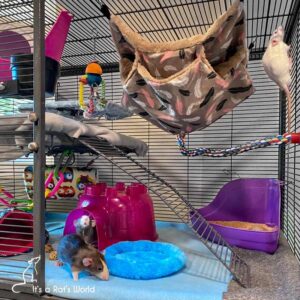
The immediate priority is to introduce your rats to their pre-prepared cage. This space should be equipped with all necessary amenities: a secure enclosure, appropriate bedding, food and water dispensers, enrichment items like hammocks and tunnels, and a designated litter box. This familiarizes them with their new territory in a controlled and safe manner.
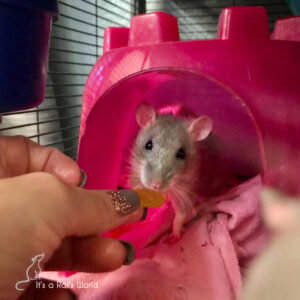
It is crucial to allow them ample time to explore this new space at their own pace. While the urge to immediately interact, cuddle, and play is strong, overstimulation can be counterproductive. Instead, be present. Sit near the cage, speak in a calm and gentle tone, and perhaps offer a small, high-value treat. This presence, without immediate pressure, helps them begin to associate you with positive experiences. This initial introduction is vital, as rats, like many prey animals, rely on their environment for a sense of security. A well-prepared cage acts as their initial refuge, allowing them to adapt to their surroundings before engaging more actively with their new human companions.
Decompression Period: Assessing and Adapting
The duration of this initial decompression period can vary. If the rats were transported over a short distance and appear relatively calm, you might proceed to more direct interaction sooner. However, if they experienced a long journey or exhibit clear signs of stress – such as hiding, trembling, or being excessively jumpy – it is advisable to grant them a more extended period of adjustment, potentially 30 to 60 minutes or even longer, before attempting to handle them.

This period is not about complete isolation, but rather about allowing them to acclimate to their new surroundings without the added pressure of direct interaction. Observing their behavior during this time can provide valuable insights into their individual personalities and temperaments, informing your subsequent approach to bonding. For instance, a rat that immediately begins exploring is likely more confident than one that remains hidden in a corner.
Expected Behaviors: Navigating the First Days, Weeks, and Months
The behavioral trajectory of new rats is highly individualized, influenced by their prior experiences, genetics, and individual personalities. It is essential to approach this with patience and realistic expectations.
Day One: The Introduction to Trust
On the first day, expect a spectrum of reactions. Some rats may be naturally bold and curious, immediately investigating their surroundings and showing interest in their new owner. Others may be more reserved, preferring to observe from a distance or retreat to a safe hiding spot. It is common for new rats to be nervous, skittish, or even frightened. This initial fear is a survival instinct, honed over evolutionary time.
It is a critical misconception that a hands-off approach is beneficial for scared rats. In reality, fearful rats will not spontaneously overcome their anxieties without intervention. Your role as an owner is to actively demonstrate that you are a source of safety and positive reinforcement. This means initiating interaction from day one, even if it is simply by offering treats or speaking softly. Prolonged neglect of interaction, driven by fear of their nervousness, will only serve to exacerbate their anxieties and potentially lead to a cycle of fear and avoidance.
The First Week: Building the Foundation of Trust
During the first week, consistent, positive interactions are paramount. This involves daily handling sessions, even if they are brief initially. If your rats are hesitant to be picked up, start by simply placing your hand in the cage and allowing them to approach you. Offer treats from your hand. Gradually progress to gently stroking them while they are in their cage, and then to picking them up for short periods.
It is vital to understand that rats do not inherently possess a desire to bite their owners. Biting is typically a reaction to fear, pain, or being startled. By consistently providing a safe and predictable environment, and by interacting with them in a calm and respectful manner, you significantly reduce the likelihood of biting. Resources such as "Do Pet Rats Bite?" offer further clarification on this common concern, aiming to empower new owners and prevent misunderstandings that can lead to neglect.
The First Month: Cultivating a Bond
By the end of the first month, you should begin to see a noticeable shift in your rats’ behavior. They will likely become more comfortable with your presence, more amenable to handling, and more engaged in play. This period is about solidifying the bond you have begun to build. Continued daily interaction, including out-of-cage playtime, is essential for their physical and mental well-being, and for deepening your connection.
Addressing Common Rat Behaviors and Quirks
Rats possess a range of behaviors that, while sometimes surprising, are generally harmless and can even be endearing once understood.
The Peculiar Habit of Sock Nipping
A frequently observed, and sometimes startling, behavior among rats is their inclination to nip at socked feet. This is not an act of aggression, but rather a curious exploration. Rats have poor eyesight, and the texture and movement of socks can be intriguing to them. This is typically a gentle nip that rarely breaks the skin. Understanding this quirk can prevent undue alarm and reinforce that the rat is not exhibiting vicious tendencies. It is important to differentiate this from a true bite, which would be more forceful and indicative of genuine distress.
Sensitivity to Odors and Chemicals
Some rats may react negatively to certain strong scents, such as nail polish remover. The fumes can be irritating or disorienting, leading them to nip at the perceived source of the disturbance. It is advisable to avoid using such products in the vicinity of your rats to prevent any potential negative reactions or accidental nipping.
Essential Care Routines: Ensuring Health and Well-being
Beyond initial acclimation and behavioral understanding, consistent care routines are the bedrock of a healthy rat life.
Cage Maintenance: A Foundation for Health
Frequency of Cleaning: The frequency of cage cleaning is a crucial aspect of rat ownership. A daily spot clean, which involves removing soiled bedding, uneaten food, and waste from high-traffic areas, is highly recommended. This proactive approach significantly minimizes odors and prevents the buildup of harmful bacteria.
The necessity for a full cage clean varies depending on several factors:
- Number of Rats: More rats equate to more waste.
- Litter Box Use: Rats that are trained to use a litter box require less frequent full cleans.
- Individual Habits: Some rats are naturally tidier than others.
- Sex: Male rats tend to be more prone to marking territory with urine, which can necessitate more frequent cleaning.
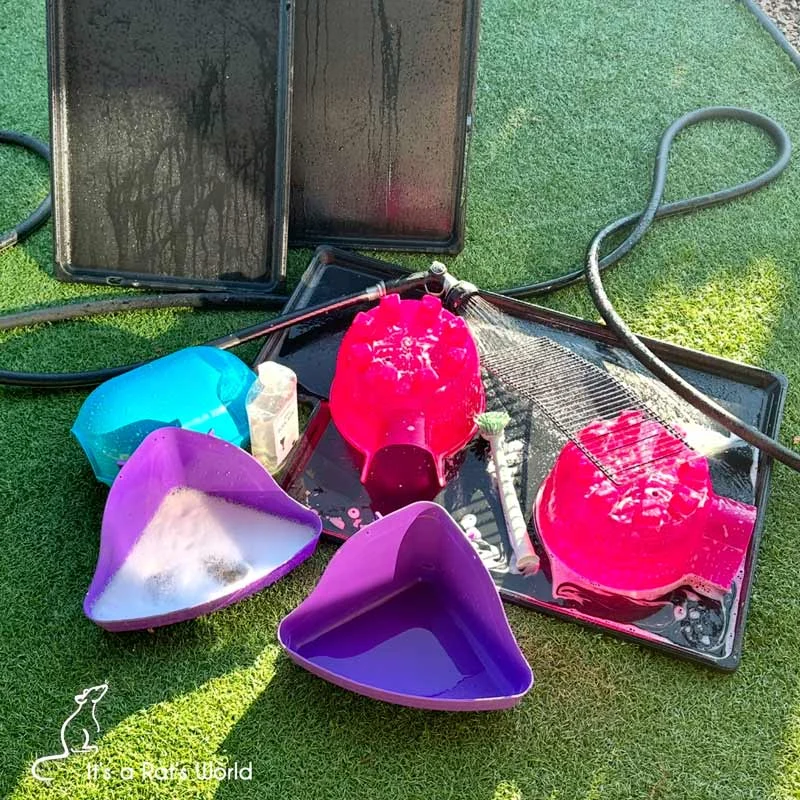
A comprehensive guide to cage cleaning, including detailed schedules and methodologies, can be found in resources dedicated to maintaining a clean rat habitat.
Optimal Cage Location: The placement of the rat cage is also important for their well-being. Factors such as ambient temperature, air quality, and noise levels can impact their comfort and health. Articles on home environment and rat ambience offer guidance on selecting an appropriate location.
Nutrition: Fueling a Healthy Metabolism
Feeding Schedule: Rats possess fast metabolisms and often prefer to graze throughout the day. However, some rats are prone to overeating. To manage this, it is recommended to split their daily allotment of their primary staple diet into two meals: breakfast and dinner.
This feeding strategy allows for controlled portions and helps prevent overconsumption. Fresh fruits and vegetables can be incorporated into these meals or offered as small, healthy snacks throughout the day. For instance, a morning meal might include yogurt and fruit, a midday snack could be carrots or grapes, and dinner might consist of cooked vegetables or pasta. Detailed dietary guidelines and sample daily menus are available from reputable sources on rat nutrition.
Veterinary Care: Proactive Health Management
Initial Vet Visit: The necessity of an immediate veterinary visit depends on the source of your rats. If they were acquired from a reputable rescue organization that adheres to quarantine protocols and provides pre-adoption medical care, an immediate vet visit may not be required.
However, if your rats originate from less reliable sources, such as pet stores (generally not recommended), informal breeders, or individuals unable to provide adequate care, a veterinary check-up is strongly advised. Stress can compromise their immune systems, making them susceptible to respiratory infections.

Recognizing Health Concerns: Symptoms such as sneezing, labored breathing, wheezing, or crackling sounds within the first few weeks of acquisition warrant prompt veterinary attention. If your rats were obtained from a reputable rescue, it is worth contacting them first to inquire about post-adoption medical support.
Long-Term Financial Planning: It is prudent to begin setting aside funds for future veterinary expenses. Rats, like all pets, are susceptible to various health issues throughout their lives, and prompt medical care can be essential.
Cultivating the Human-Rat Connection
The process of bonding with your rats is a rewarding endeavor that deepens the human-animal relationship.
Gentle Handling Techniques: Learning to hold and interact with your rats safely and comfortably is key. Their small size and natural inclination to move can be intimidating at first, especially given their sharp nails. Understanding how to pet your rats and offer reassurance can help them feel secure.
Creating Playtime Opportunities: Out-of-cage playtime is vital for a rat’s physical and mental stimulation. Establishing safe play areas, both within the home and potentially in dedicated "rat playgrounds," offers enriching experiences. These sessions are not only beneficial for the rats but also provide invaluable opportunities for bonding and observation. For instance, designating a "couch" area for play can allow for extended, supervised interaction.
Understanding Rat Communication: Rats communicate in various ways, through vocalizations, body language, and scent marking. Learning to interpret these signals will enhance your understanding of their needs and emotions, fostering a more profound connection. While this takes time and observation, it is a crucial element in building a strong bond.
Conclusion: An Adventure in Companionship
The journey of rat ownership is one of continuous learning and mutual discovery. By approaching the initial days with patience, understanding, and a commitment to consistent, positive interaction, you lay the groundwork for a deeply rewarding companionship. Embracing their unique behaviors, prioritizing their health through diligent care, and actively seeking to understand their communication will transform you from a novice owner into a confident and devoted rat enthusiast. The adventure of sharing your home with these intelligent and social creatures is an experience that, with the right approach, will bring immense joy and fulfillment.

