


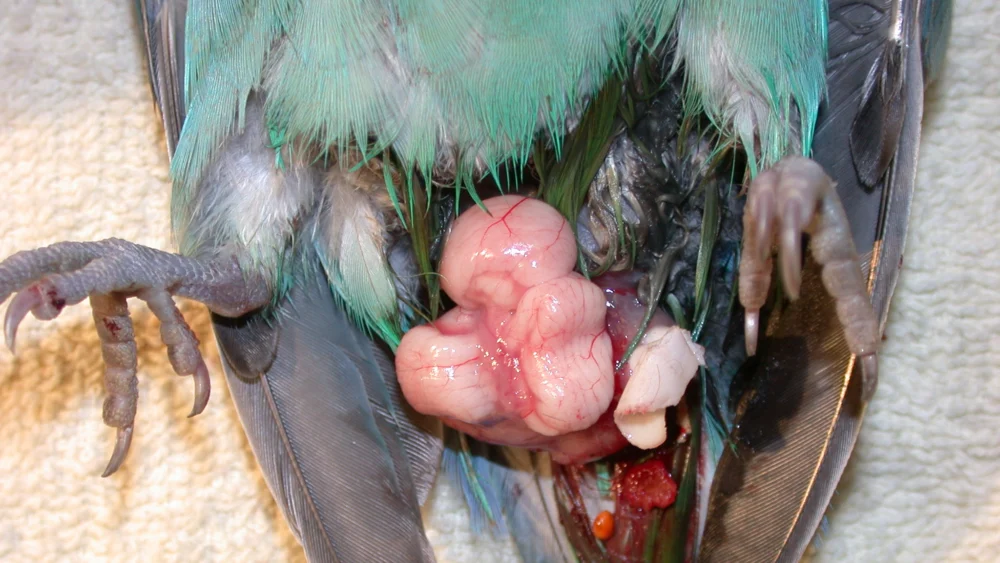
The veterinary medical community is preparing for a specialized clinical webinar titled Reproductive Disease in Female Psittacine Birds, scheduled to be presented by Don Harris, DVM, on Wednesday, June 24, 2026. This educational session, hosted by LafeberVet, aims to address one of the most frequent and potentially life-threatening challenges in avian medicine: reproductive dysfunction in captive parrots. As the demand for specialized exotic pet care continues to rise globally, this webinar represents a critical resource for practitioners seeking to refine their diagnostic and therapeutic approaches to complex avian cases.
The presentation is scheduled to commence at 2:00 pm EDT. It is designed to provide veterinary surgeons, technicians, and students with an in-depth analysis of dystocia, commonly referred to as egg binding, alongside other reproductive pathologies. Dr. Don Harris, a pioneer in the field of exotic animal medicine with nearly half a century of clinical experience, will lead the session, offering practical insights derived from decades of specialized practice.
The Clinical Challenge of Reproductive Pathologies in Avian Medicine
Reproductive diseases in female psittacine birds encompass a wide spectrum of conditions, ranging from chronic egg laying and yolk coelomitis to the critical emergency of dystocia. Among these, egg binding remains the most frequent reason for emergency avian veterinary consultations. Dystocia occurs when an egg fails to pass through the oviduct at a normal rate, a condition that can quickly lead to metabolic exhaustion, compression of pelvic vasculature, and renal failure.
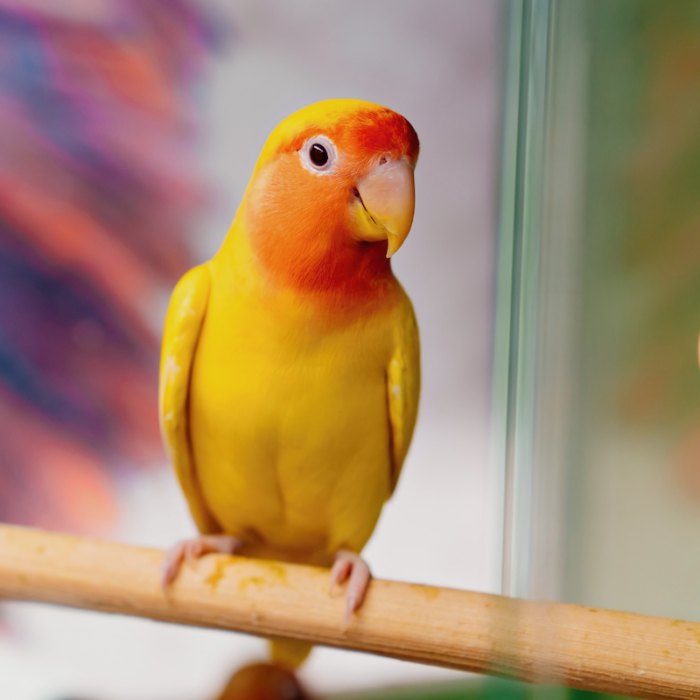
According to veterinary data, small-to-medium-sized psittacines, such as cockatiels (Nymphicus hollandicus), budgerigars (Melopsittacus undulatus), and lovebirds (Agapornis spp.), are disproportionately affected by these conditions. Factors contributing to the prevalence of reproductive disease include nutritional deficiencies—particularly hypocalcemia—lack of exercise, environmental triggers that simulate breeding seasons, and genetic predispositions resulting from selective breeding.
Dr. Harris’s presentation will focus heavily on the nuances of dystocia management. The webinar abstract notes that while multiple protocols exist for treating egg binding, the session will highlight methods that have proven both safe and effective over Dr. Harris’s 45-year career. This emphasis on "real-world" clinical application is intended to bridge the gap between theoretical textbook knowledge and the high-pressure environment of the emergency exotic clinic.
Chronology of the Event and Registration Procedures
The webinar is structured to provide both synchronous and asynchronous learning opportunities. The timeline for the event is as follows:
- Registration Phase: Open immediately via the Zoom platform. Prospective attendees are encouraged to register early to secure their access link and receive preparatory materials.
- Live Broadcast: June 24, 2026, at 2:00 pm EDT. This session will include the primary lecture followed by a live Question and Answer (Q&A) segment.
- Post-Event Access: For those unable to attend the live broadcast, a recorded version of the webinar will be uploaded to the LafeberVet website several days after the event.
- Follow-up Support: Questions that remain unanswered during the live broadcast due to time constraints will be addressed via email and subsequently posted on the webinar’s dedicated resource page.
To facilitate a seamless viewing experience, organizers recommend that participants download the necessary webinar software in advance and ensure their systems meet the technical requirements, including updated web browsers and audio capabilities.
Profile of the Presenter: Dr. Don Harris
The selection of Dr. Don Harris as the keynote speaker underscores the webinar’s high academic and clinical standards. Dr. Harris is the founder and owner of the Avian & Exotic Animal Medical Center in Miami, Florida, which holds the distinction of being the city’s first veterinary hospital dedicated exclusively to exotic species.
A graduate of the Louisiana State University School of Veterinary Medicine, Dr. Harris initially practiced in mixed animal medicine before transitioning to an exclusive focus on avian and exotic pets in 1990. His career is marked by significant leadership roles within the veterinary community, including:
- Past-President of the Association of Avian Veterinarians (AAV): An organization dedicated to advancing avian medicine and stewardship.
- Past-President of the North American Veterinary Community (NAVC): Dr. Harris played a pivotal role in organizing the North American Veterinary Conference, recognized as one of the largest veterinary educational gatherings in the world.
- Consulting Roles: He serves as a consulting veterinarian for prestigious institutions, including the Georgia Aquarium Research Center, Miami MetroZoo, and Jungle Island.
Dr. Harris’s involvement in the Advisory Board of Abaxis Veterinary Diagnostics further highlights his commitment to the technological advancement of the field. His perspective is expected to provide attendees with a historical context of how avian medicine has evolved from a niche interest into a sophisticated veterinary discipline.
Supporting Data and Technical Context
The importance of this webinar is underscored by the evolving understanding of avian endocrinology and the impact of the "human-animal bond" on bird health. In captivity, many female birds perceive their human caretakers as mates, leading to hormonal surges that trigger excessive egg production. Data from the Association of Avian Veterinarians suggests that chronic egg laying can deplete a bird’s calcium reserves, leading to metabolic bone disease and increasing the risk of uterine inertia during oviposition.
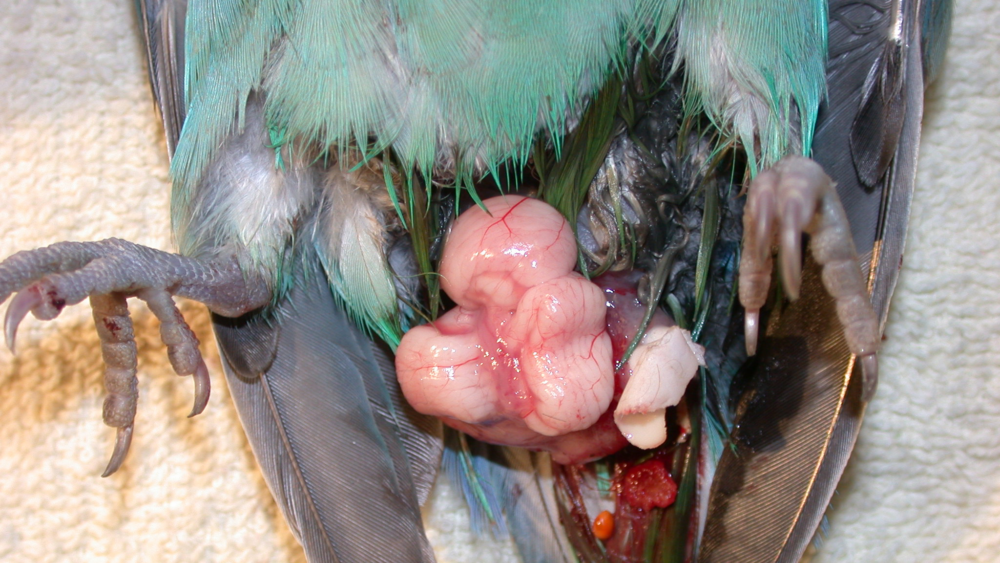
Diagnostic imaging, such as digital radiography and ultrasonography, has become the gold standard for identifying misplaced or stuck eggs. However, the decision-making process regarding medical versus surgical intervention remains complex. Dr. Harris is expected to discuss the use of prostaglandin gels, calcium gluconate therapy, and the delicate procedure of ovocentesis (aspirating the contents of an egg to collapse it) versus more invasive salpingohysterectomies.
Furthermore, the webinar will likely touch upon the use of hormonal implants, such as deslorelin acetate, which have revolutionized the management of reproductive disease by temporarily "turning off" the reproductive tract, thereby preventing the recurrence of life-threatening events.
Continuing Education and Professional Accreditation
This program has been submitted and approved for 1.0 credit hour of continuing education (CE) for veterinarians and veterinary technicians. The accreditation is provided through the American Association of Veterinary State Boards (AAVSB) Registry of Approved Continuing Education (RACE).
In the veterinary profession, maintaining licensure requires a specific number of CE hours annually or biennially. Programs like the LafeberVet series are essential for practitioners to stay current with medical advancements while earning the necessary credits. The RACE approval ensures that the content meets rigorous standards for scientific integrity and educational quality.
Broader Implications for Avian Welfare and Global Practice
The global pet trade has seen a steady increase in the popularity of psittacine birds, yet veterinary education in many regions still focuses primarily on canine and feline medicine. This webinar serves as a vital bridge, providing specialized knowledge to a global audience through its digital platform. By empowering veterinarians with the skills to manage reproductive emergencies, the webinar directly contributes to improved survival rates and better long-term health outcomes for pet birds.
The implications extend beyond individual pet health. In many cases, the techniques used in companion avian medicine are adaptable to conservation efforts for endangered parrot species. Insights into oviductal health and egg-laying complications are invaluable for captive breeding programs aimed at reintroducing species into the wild.

The collaborative nature of the event, which allows for international participation and shared expertise, reflects the modern veterinary landscape’s shift toward open-access, high-level digital education. As avian medicine continues to mature, the focus on preventative care and the mitigation of reproductive risks will remain a cornerstone of the specialty.
Summary of Accessibility and Technical Requirements
LafeberVet has outlined several recommendations to ensure that the global veterinary community can access this information without technical barriers. The webinar is compatible with various devices, including Apple and Android mobile platforms through the Zoom app. Recommended desktop browsers include Google Chrome, Mozilla Firefox, Safari, and Internet Explorer 8 or higher.
For the veterinary community, this session is not merely a lecture but an opportunity to engage with a master of the craft. As Dr. Harris notes in the abstract, the methods he will share are the culmination of 45 years of trial, error, and success. While no medical procedure is without risk, the goal of the webinar is to equip practitioners with the most reliable tools available to save the lives of their avian patients.
The event concludes a series of high-level educational offerings from LafeberVet, reinforcing the organization’s role as a leader in exotic animal veterinary education. Practitioners are encouraged to download the official press release and share the event details with colleagues to foster a wider understanding of reproductive health in the psittacine family.

