


Lovelater Sebele, a Senior Vulture Conservation Officer at BirdLife International, is championing a paradigm shift in conservation, emphasizing the critical need for inclusive practices that acknowledge and incorporate the perspectives of marginalized groups, particularly within the context of vulture protection in Southern Africa. Her work, deeply rooted in understanding the complex interplay between human culture and wildlife, seeks to move beyond a "one-size-fits-all" conservation model, advocating instead for approaches that are sensitive to local beliefs, social structures, and historical contexts.
The Unsung Heroes of the Ecosystem: Vultures in Focus
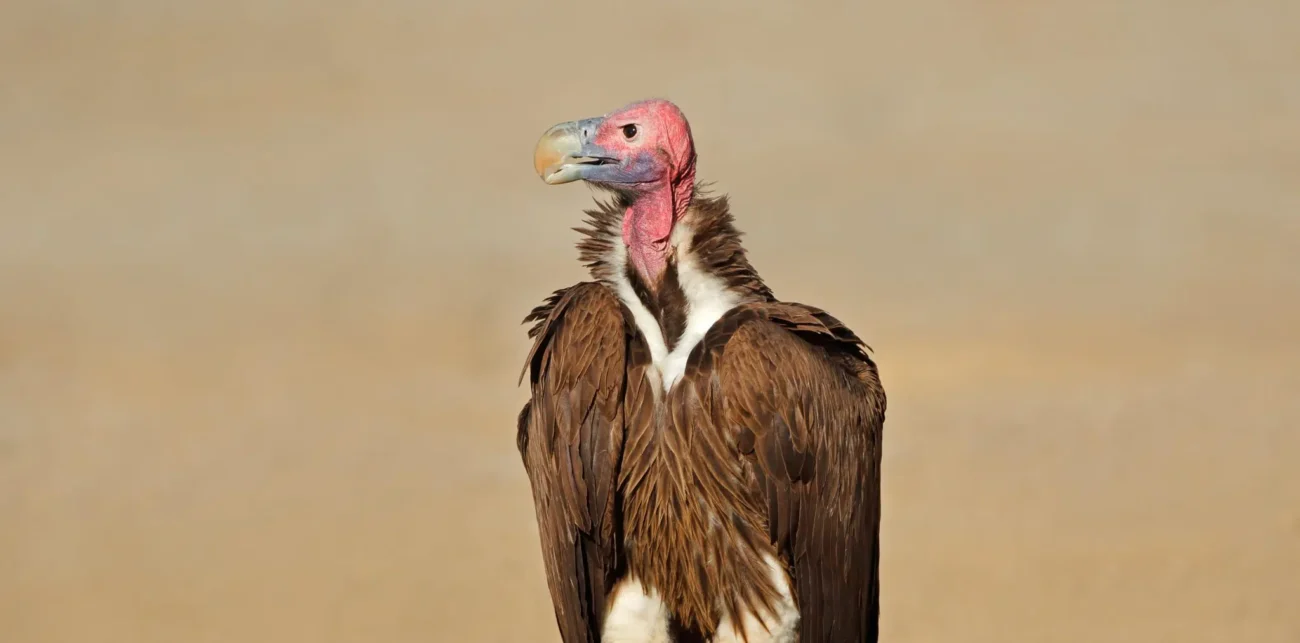
Vultures, often perceived as unappealing due to their appearance and scavenging habits, play an indispensable role in maintaining healthy ecosystems. Their tireless work as nature’s clean-up crew, consuming carcasses, prevents the spread of diseases and provides invaluable natural services. In Southern Africa alone, these services are estimated to be worth a staggering US$1.8 billion annually, according to a BirdLife International report. However, this vital contribution is frequently overlooked, and the birds themselves face a myriad of threats, including poisoning, habitat loss, and persecution.

"First of all," Lovelater Sebele remarks with a characteristic smile, "they are not good-looking birds. They are big with bald heads. They spend a lot of time on smelly carcasses. So people do wonder why you would actually want to work with vultures!" This sentiment, while perhaps lighthearted, underscores a significant challenge in vulture conservation: gaining public appreciation and understanding for a species often met with revulsion rather than admiration. Even within the broader conservation community, the focus often gravitates towards charismatic megafauna like elephants, lions, and giraffes, leaving less attention and resources for avian scavengers.
Bridging Cultural Divides: Totems, Traditions, and Vulture Conservation
Africa’s deep-seated cultural connections with nature provide a crucial entry point for engaging communities in conservation efforts. The practice of totems, often animal or bird representations, fosters a sense of affinity and reverence for specific species. Lovelater Sebele highlights how these totemic connections can serve as a foundation for building appreciation for birds, including vultures. Beyond totems, indigenous communities across Africa have long utilized birds as natural indicators. "Birds have been used by African people to tell seasons," Sebele explains. "They see certain birds and they know the rain is about to come or that it’s going to be a dry year." This intimate understanding of avian behavior as a barometer of environmental change underscores the integral role birds play in livelihoods and survival.
However, some cultural associations with birds are more complex and can lead to persecution. Certain species are linked to omens, superstitions, or even witchcraft, which can result in fear and mistreatment. Vultures, unfortunately, fall into this category. "Vulture parts are used in both physical and spiritual healing in African culture," Sebele elaborates, pointing to a significant threat to these already vulnerable populations. This practice, often referred to as "belief-based" use, adds another layer of complexity to conservation strategies, as it directly intersects with deeply held cultural beliefs and practices.

Navigating "Belief-Based" Use: A Delicate Balance
The use of vulture parts in traditional medicine and spiritual practices presents a significant conservation challenge. Generations of observation have led many African communities to understand that vultures possess an uncanny ability to locate carcasses over vast distances. This, Sebele suggests, has contributed to the belief that their heads, in particular, hold a spiritual significance, enabling them to "dream" of where food can be found. This demand has fueled poaching and illicit trade, contributing to the Endangered or Critically Endangered status of several vulture species.
Initially, conservationists considered outright eradication of these practices. "There was a time when we thought about completely eradicating the use of vultures," Lovelater Sebele recalls. "But we realised that you do not get rid of a culture like that." This realization marked a pivotal moment, shifting the focus from prohibition to collaboration. The current strategy involves working closely with traditional healers and community elders – the custodians of these cultural practices – to explore sustainable alternatives and reduce the rate of harvesting.
"Forcing it down their throats" is an approach Sebele dismisses, arguing that it drives these practices underground, making them harder to monitor and manage. She draws a parallel to the colonial era, where traditional African religions were often demonized and suppressed in favor of Christianity and Islam. This historical suppression has made it difficult to ascertain the true extent of traditional medicine use today, though associations like one in Zimbabwe with 45,000 members suggest a substantial client base.

BirdLife International and its partners are actively working to create platforms for dialogue between conservationists and traditional practitioners. The goal is not necessarily to eliminate the use of vultures entirely, but to find a harmonious balance. "We appreciate that we will never get to a point where there is zero use of these species in medicine, but we are working with traditional healers in cognizance of the culture," Sebele states. This involves identifying and promoting alternative materials that can fulfill the same cultural or medicinal purposes without depleting vulture populations.
Empowering Communities: Local Knowledge as a Conservation Asset
A crucial element of Lovelater Sebele’s conservation philosophy is the recognition and empowerment of local communities. She emphasizes that these communities are not merely recipients of conservation directives but active partners with invaluable knowledge and agency. Their involvement is essential for identifying and mitigating threats, mapping nesting sites, and reporting suspicious activities, such as the poisoning of carcasses or the illegal harvesting of vultures.
"Yes, we are making inroads," Sebele affirms, noting the increasing community engagement in reporting criminal activities related to vulture poaching. This collaborative effort fosters a shared understanding that both conservationists and communities have a vested interest in the survival of vultures, not only for their intrinsic ecological value but also for the perpetuation of cultural heritage. The interconnectedness of ecosystems means that the decline of vultures can trigger a cascade of negative consequences, impacting both biodiversity and the ability of traditional cultures to thrive.

Sebele also shares a poignant example of how local knowledge has enriched her own understanding of vultures. "For local communities, vultures are valuable because when they lose livestock they have to spend days searching for it. If they are not seeing soaring vultures, they still hope the animal is alive. If they see vultures circling an area, the plan is to investigate what they are looking at – it saves them time they would otherwise spend searching for an already dead." This practical insight highlights how vultures, beyond their ecological roles, offer tangible benefits to pastoralist communities, further strengthening the case for their conservation.
Addressing Systemic Inequalities: Gender, Race, and Inclusive Conservation
Beyond the cultural and ecological dimensions, Lovelater Sebele raises critical concerns about systemic inequalities within the conservation sector, particularly regarding gender and race. While she has personally benefited from strong family support and has not faced overt personal oppression, she acknowledges the pervasive nature of these challenges. "Those kinds of challenges in conservation genuinely exist, and they are mostly systematic. They generally work against women and work against people of different ethnic backgrounds."
A significant issue she identifies is the tendency to develop conservation strategies as "universal" solutions, applied across diverse contexts without adequate consideration for local beliefs, social structures, or geographical specificities. This "one-size-fits-all" approach, she argues, often fails to resonate with the intended audiences and can be counterproductive. "If you try and produce a one-size-fits-all solution, the reality is that it fits no one perfectly."

Sebele firmly advocates for a more nuanced and inclusive approach. "Conservation is not just the plants and animals in the space; it has a social and cultural aspect to it," she states. "As conservationists, we need to be open to these dimensions." This openness, she believes, is key to fostering genuine collaboration and ensuring that conservation efforts are both effective and equitable. By bringing together diverse knowledge systems – whether it’s scientific data on vulture populations or the deep cultural understanding of traditional healers – the conservation movement can become more robust and impactful.
A Collective Voice for the Voiceless
Lovelater Sebele’s unwavering dedication stems from a profound sense of responsibility. "I’m standing in for the voiceless, for organisms that have every right to be here but unfortunately cannot speak for themselves," she declares. Her hope for the future lies in the growing interest in conservation among people across Africa, recognizing that each new voice and perspective adds vital strength to the global effort to protect nature.
The work of BirdLife International, exemplified by Sebele’s efforts, underscores the importance of recognizing and valuing the contributions of all stakeholders. In a world grappling with biodiversity loss and climate change, embracing inclusivity, respecting cultural diversity, and fostering collaborative partnerships are not merely ethical considerations but essential strategies for ensuring the long-term survival of birds, wildlife, and the planet’s precious ecosystems. The narrative of vulture conservation in Southern Africa, as championed by Lovelater Sebele, offers a powerful testament to the fact that true conservation is a shared endeavor, built on understanding, respect, and collective action.

