


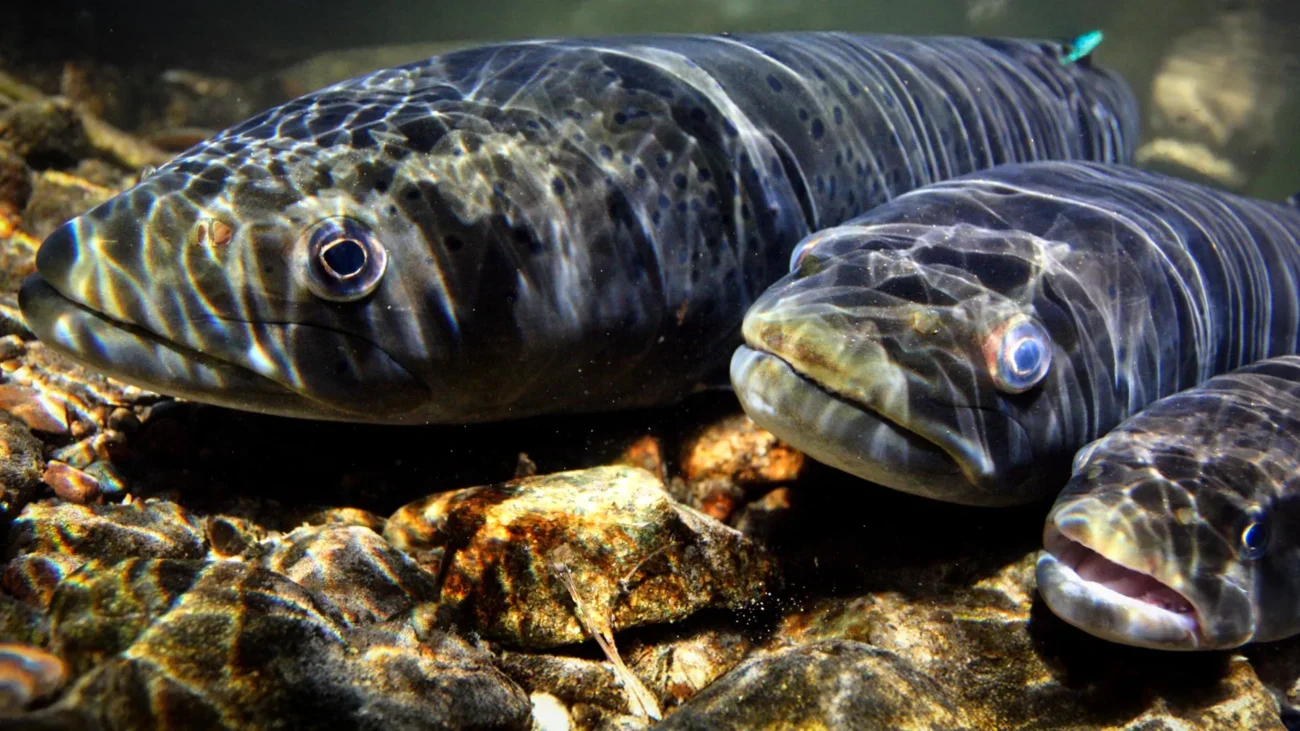
The silent, epic journeys of countless aquatic creatures, fundamental to the health of our planet’s vital river systems, are rapidly unraveling. A landmark report, released at a critical United Nations summit, paints a stark picture of decline for migratory freshwater fish, revealing a biodiversity crisis that has long been overlooked and now demands immediate, coordinated international intervention. The Global Assessment of Migratory Freshwater Fishes, unveiled at the 15th Meeting of the Conference of the Parties (COP15) to the Convention on the Conservation of Migratory Species of Wild Animals (CMS) in Brazil, unequivocally states that these species are among the most threatened on Earth. Their plight has profound implications not only for aquatic ecosystems but also for the hundreds of millions of people worldwide who rely on healthy rivers for food, livelihoods, and cultural heritage.
A Crisis Unfolding Beneath the Surface
Migratory freshwater fish undertake some of the most extensive and ecologically significant migrations on the planet, navigating complex networks of rivers that often traverse national borders. These journeys are essential for their life cycles, connecting vital spawning grounds, rich feeding areas, and crucial nursery habitats. However, the very connectivity that defines their existence is now systematically being dismantled. The CMS report identifies hundreds of species that require urgent, collaborative protection, underscoring a vast, underappreciated biodiversity crisis within shared river systems.
The assessment, a culmination of extensive global data analysis and IUCN evaluations of nearly 15,000 freshwater fish species, provides the most comprehensive overview to date of the conservation challenges facing these remarkable animals. It highlights that freshwater ecosystems, in general, are experiencing biodiversity loss at a faster rate than terrestrial or marine environments, yet the collapse of migratory freshwater fish populations has received disproportionately little global attention. This neglect, the report warns, is allowing a silent extinction to gather pace.
The Scale of the Decline: Stark Statistics Emerge
The numbers are alarming. The report estimates that migratory freshwater fish populations have plummeted by approximately 81% globally since 1970. This dramatic decline is not an abstract statistic; it represents a significant disruption to ecological balance and human sustenance. Furthermore, the findings reveal the precarious state of species already under international protection. Of the 58 CMS-listed migratory fish species (encompassing both freshwater and saltwater migratory species), a staggering 97% are now threatened with extinction.
The Global Assessment identifies 325 migratory freshwater fish species as prime candidates for enhanced international conservation efforts. These species, in addition to the 24 already listed under the Convention’s Appendices I (species requiring strict protection) and II (species needing international cooperation), represent a critical pool of biodiversity facing imminent threats. The regional breakdown of these newly identified candidates underscores the global nature of this crisis:
- Africa: 69 species identified for potential listing.
- Asia: 109 species identified for potential listing.
- Europe: 45 species identified for potential listing.
- North America: 14 species identified for potential listing.
- South America: 88 species identified for potential listing.
The cumulative total exceeds 325 because many species inhabit multiple continents, highlighting the interconnectedness of global riverine ecosystems and the necessity for transboundary cooperation.
Drivers of Decline: A Multifaceted Threat Landscape
The primary culprits behind this precipitous decline are well-documented and interconnected. The report pinpoints several key anthropogenic pressures that are fragmenting habitats, polluting waters, and altering natural flows:
- Dam Construction: Hundreds of thousands of dams have been built across the globe, creating insurmountable barriers that fragment rivers, block migration routes, alter water flow regimes, and trap vital sediment. These structures effectively sever the lifelines of migratory fish, isolating populations and preventing them from reaching essential life stages.
- Habitat Fragmentation: Beyond dams, a myriad of human activities, including agriculture, urbanization, and infrastructure development, lead to the degradation and fragmentation of riverine habitats. Channelization, embankment construction, and wetland drainage reduce the available space and connectivity crucial for fish survival and reproduction.
- Pollution: Industrial discharge, agricultural runoff (pesticides, fertilizers), and untreated sewage introduce a cocktail of harmful substances into rivers, impacting fish health, reproductive success, and overall ecosystem integrity.
- Overfishing: Unsustainable fishing practices, including the use of destructive methods and the targeting of vulnerable spawning aggregations, further exacerbate population declines, particularly for species already weakened by habitat loss.
- Climate Change: Rising water temperatures, altered precipitation patterns, and increased frequency of extreme weather events (droughts, floods) disrupt aquatic ecosystems, stress fish populations, and can fundamentally alter the suitability of habitats.
Key River Systems Under Extreme Pressure
The report specifically highlights several critical river systems that are facing immense pressure and require immediate conservation focus. These include:
- South America: The Amazon and La Plata-Paraná basins, vital for biodiversity and human livelihoods.
- Europe: The Danube River, a major artery supporting numerous migratory species.
- Asia: The Mekong River, a lifeline for millions in Southeast Asia.
- Africa: The Nile River, historically significant and ecologically important.
- Indian Sub-continent: The Ganges-Brahmaputra river system, a region of immense cultural and ecological value.
The Amazon Basin: A Last Bastion Under Threat
As the host nation of COP15, Brazil has taken a proactive stance, proposing several conservation measures focused on its vast and ecologically critical river systems, the Amazon and the La Plata-Paraná. The Amazon Basin, often regarded as one of the last major strongholds for migratory freshwater fish, is increasingly facing development pressures that threaten its unique biodiversity.
A compelling case study released in conjunction with the global assessment highlights 20 migratory fish species in the Amazon that meet the criteria for potential listing under CMS Appendix II. These long-distance migrants are not only ecologically significant but also form the backbone of regional fisheries, accounting for approximately 93% of total landings and supporting an industry valued at an estimated US$436 million annually.
Among these species is the iconic dorado (gilded) catfish (Brachyplatystoma rousseauxii). This impressive bottom-dwelling fish, characterized by its metallic gold/silver coloration and substantial size (reaching up to 2 meters or 6.5 feet), undertakes the longest known freshwater migration of any fish. Its life cycle involves an astonishing journey of 11,000 kilometers, traversing from the headwaters of the Andes Mountains to coastal nursery areas. The survival of such extraordinary journeys hinges on the unimpeded flow and connectivity of the river system.
In an effort to bolster conservation, Brazil, in collaboration with other regional partners, is developing a Multi-species Action Plan for Amazonian Migratory Catfish (2026-2036). This initiative exemplifies the regional cooperation necessary to address the complex challenges of protecting transboundary species.
Brazil has also put forward a proposal to add the spotted sorubim catfish (Pseudoplatystoma corruscans) to CMS Appendix II. This proposal underscores the urgent need for coordinated action within the La Plata Basin, where these fish are facing significant threats from dam construction, altered water flow regimes, and intense fishing pressure. These proposed actions represent some of the most ambitious international efforts to safeguard migratory freshwater fish and reinforce the core CMS principle that conservation must encompass the entire geographic range of migratory species and depend on robust international partnerships.
Practical Steps and Expert Calls for Action
The report does not merely diagnose the problem; it also outlines actionable steps that governments can implement immediately to stem the tide of decline. These include:
- Integrated River Basin Management: Shifting from nationalistic approaches to managing rivers as connected, functional ecosystems.
- Dam Removal and Mitigation: Prioritizing the removal of obsolete dams and implementing fish passage solutions for essential structures.
- Habitat Restoration: Investing in the restoration of degraded riverine habitats, floodplains, and riparian zones.
- Sustainable Fisheries Management: Implementing and enforcing regulations to prevent overfishing and destructive practices.
- Pollution Control: Strengthening regulations and enforcement to reduce industrial, agricultural, and urban pollution.
- Climate Change Adaptation: Developing strategies to mitigate the impacts of climate change on freshwater ecosystems.
- International Cooperation: Strengthening existing agreements and fostering new collaborations for transboundary species and river management.
Lead Author Dr. Zeb Hogan emphasized the critical nature of the situation: "Many of the world’s great wildlife migrations take place underwater. This assessment shows that migratory freshwater fish are in serious trouble, and that protecting them will require countries to work together to keep rivers connected, productive, and full of life."
Amy Fraenkel, CMS Executive Secretary, highlighted the report’s significance: "This new assessment highlights a major priority for the conservation of migratory species and their habitats, that has not had adequate focus to date. By aligning science, policy and international cooperation, governments can safeguard the world’s remaining great freshwater fish migrations and the communities and ecosystems that depend on them."
Michele Thieme, Vice President and Deputy Lead of Freshwater at World Wildlife Fund-US, echoed this sentiment with urgency: "Rivers don’t recognize borders — and neither do the fish that depend on them. The crisis unfolding beneath our waterways is far more severe than most people realize, and we are running out of time. Rivers need to be managed as connected systems, with coordination across borders, and investments in basin-wide solutions now before these migrations are lost forever."
Broader Implications: Ecological and Socioeconomic Impacts
The collapse of migratory freshwater fish populations carries profound implications that extend far beyond the aquatic realm. These species play a crucial role as apex predators, prey, and nutrient cyclers, maintaining the delicate balance of freshwater ecosystems. Their decline can trigger cascading effects throughout the food web, impacting bird populations, other aquatic life, and even terrestrial ecosystems that rely on the services provided by healthy rivers.
For hundreds of millions of people, particularly in developing nations, migratory freshwater fish are a primary source of protein and income. Inland fisheries provide sustenance for communities, support local economies, and are deeply intertwined with cultural practices. The erosion of these fish stocks threatens food security, exacerbates poverty, and can lead to social instability.
The implications for international relations are also significant. As river basins are shared resources, effective conservation requires unprecedented levels of cooperation and data sharing between nations. The challenges posed by dam construction, pollution, and water allocation often transcend political boundaries, demanding collaborative governance frameworks and equitable resource management strategies. The CMS COP15 meeting serves as a critical platform for fostering these vital international partnerships.
The future of these incredible aquatic migrations hinges on a paradigm shift in how humanity views and manages its freshwater resources. The Global Assessment of Migratory Freshwater Fishes serves as a clarion call, urging immediate action to protect these vital species and the invaluable ecosystems they inhabit, before their epic journeys become a relic of the past. The window of opportunity to act is rapidly closing, and the consequences of inaction will be felt for generations to come.

