


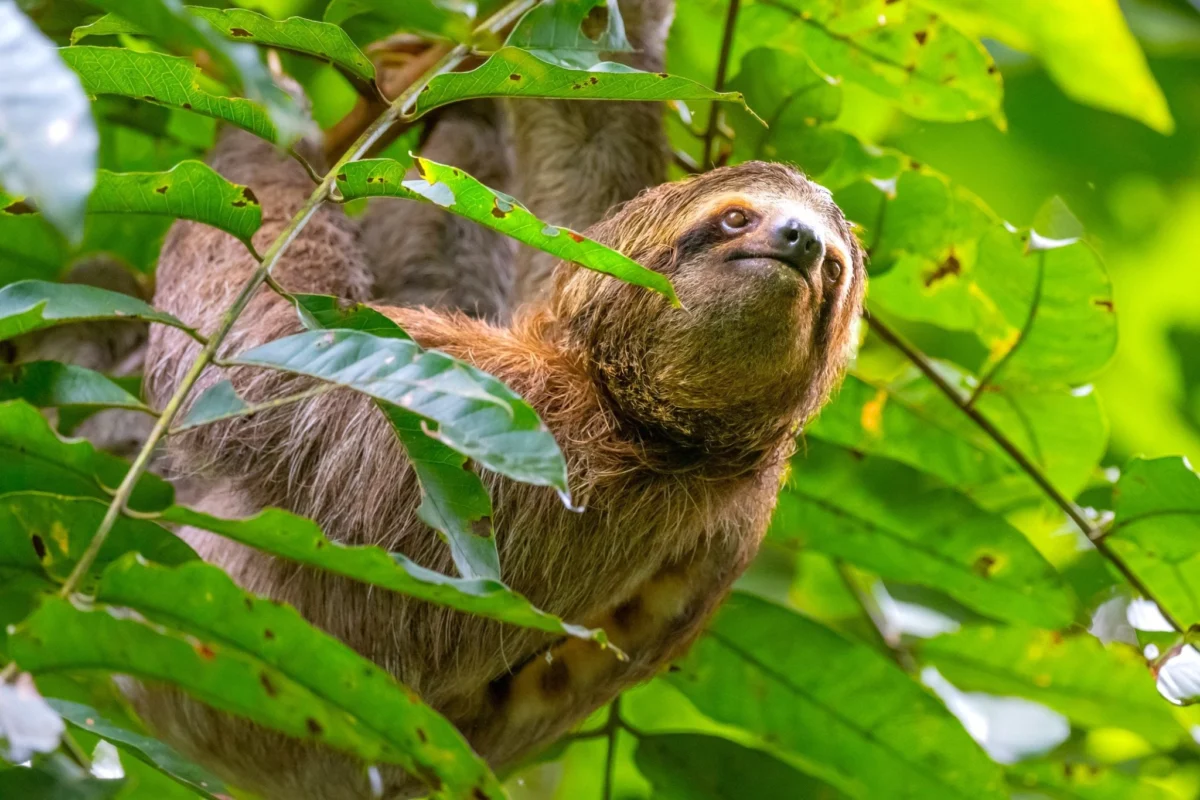
The Florida Department of Law Enforcement and local animal welfare authorities have been called to investigate a catastrophic loss of wildlife at a defunct planned attraction known as Sloth World Orlando. Following an extensive review of Florida Fish and Wildlife Conservation Commission (FWC) inspection records, it has been revealed that 52 sloths died while under the care of the facility between December 2024 and May 2026. The scale of the mortality has prompted national animal rights organizations to demand criminal accountability for the company’s owners, citing systemic neglect and a total failure to provide the basic environmental requirements necessary for the survival of the sensitive species.
The facility, which was positioned to open as a commercial petting zoo in the spring of 2026, was effectively shuttered after local authorities issued a "stop work" order on the warehouse where the animals were being housed. The closure came too late for dozens of animals that succumbed to a combination of environmental exposure, nutritional deficiencies, and physiological stress. On April 30, 2026, the People for the Ethical Treatment of Animals (PETA) filed a formal complaint with state law enforcement, specifically targeting co-owners Peter Bandre and Benjamin Agresta for their roles in the operation.
Chronology of a Wildlife Disaster
The timeline of the tragedy began in late 2024, marking a period of intense importation for the planned Orlando attraction. According to FWC records, a shipment of sloths arrived from Guyana in December 2024. Within only five days of their arrival at the Orlando warehouse, 21 of these animals were reported dead. The warehouse, which was intended to serve as a temporary holding area before the public opening of Sloth World, reportedly lacked the most fundamental utilities required for animal husbandry.
Investigators found that the facility was operating without consistent electricity, running water, or a functional heating system. Furthermore, the warehouse was not authorized by the state to house live animals, as it did not meet the zoning or safety standards required for exotic wildlife. Despite these deficiencies, the facility continued to acquire animals throughout 2025. Over the subsequent 17 months, an additional 31 sloths died under the care of Bandre and Agresta. These deaths were attributed to a range of preventable conditions, including acute vitamin deficiencies and severe gastrointestinal complications, highlighting a lack of veterinary oversight and specialized dietary management.
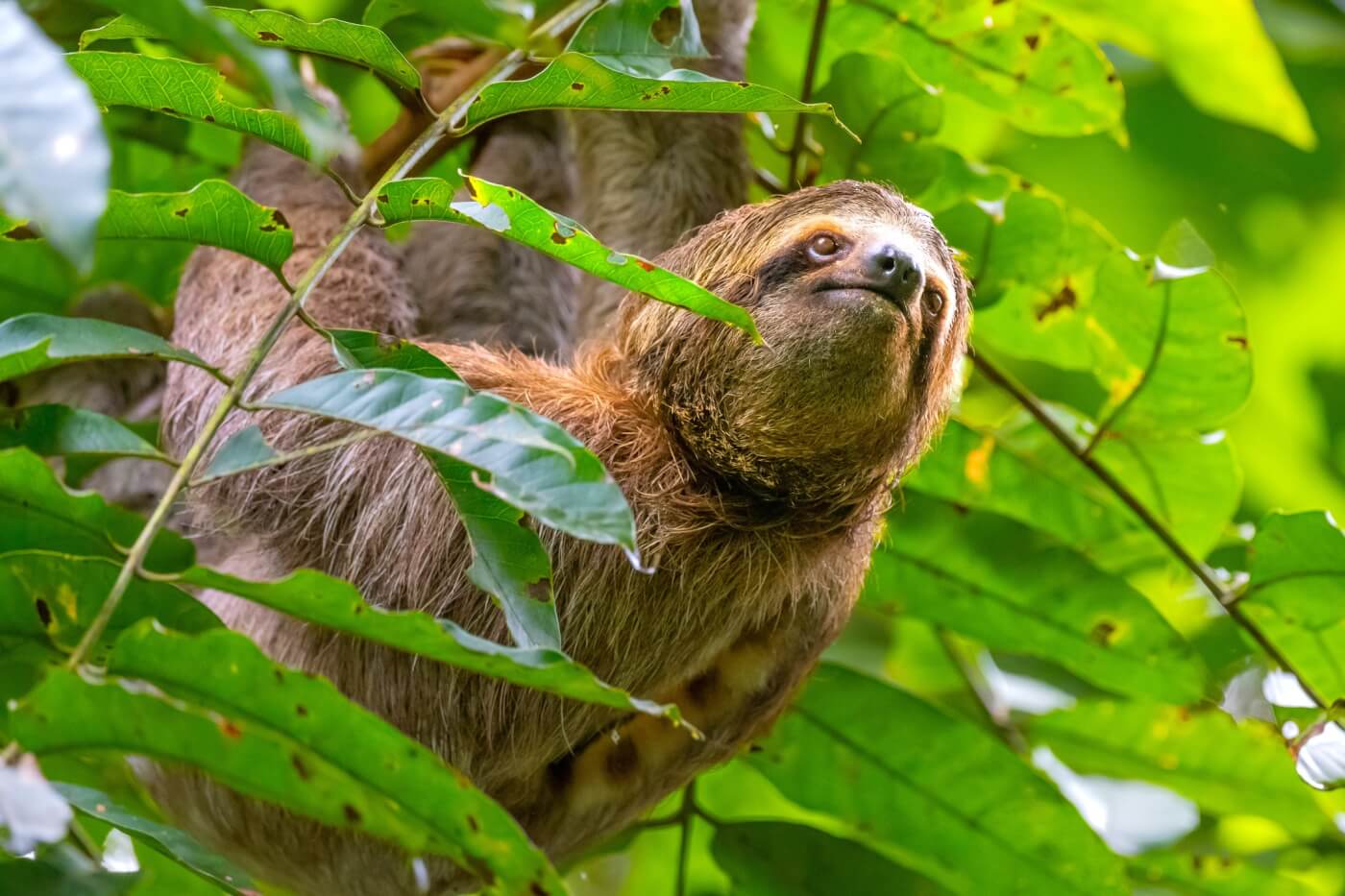
The "stop work" order issued in early 2026 halted the construction and operation of the facility, but by that point, the majority of the sloth population had already perished. The surviving 13 sloths were eventually seized or transferred to the Central Florida Zoo, an accredited institution equipped to handle specialized wildlife. However, the damage to the animals’ health was so extensive that one of the survivors died shortly after arrival at the zoo, leaving 12 individuals currently undergoing intensive stabilization and medical care.
Physiological Vulnerability: Why the Facility Conditions Were Lethal
To understand the severity of the neglect at Sloth World Orlando, one must examine the unique biological requirements of the sloth. Unlike most mammals, sloths have an extremely low metabolic rate and a limited ability to thermoregulate. They are heterothermic, meaning their body temperature fluctuates significantly based on the surrounding environment. In their native tropical rainforests, sloths rely on the ambient heat and humidity of the canopy to maintain the internal temperatures necessary for survival.
The lack of heating in the Orlando warehouse during the winter months of 2024 and 2025 was a death sentence for the imported animals. When a sloth’s body temperature drops below a certain threshold, its digestive system effectively shuts down. Sloths rely on a complex community of symbiotic gut bacteria to ferment the fibrous leaves they consume. If the animal becomes too cold, these bacteria die off. Consequently, even if a sloth has a full stomach, it cannot process nutrients and will slowly starve to death from the inside out. This process is not only lethal but causes prolonged suffering and metabolic distress.
In addition to the thermal requirements, sloths are highly sensitive to environmental stressors. The transition from the wild in Guyana to a barren, industrial warehouse in Florida involves significant trauma. The noise of construction, the lack of appropriate climbing structures, and the absence of a regulated light cycle contribute to a suppressed immune system. The reported vitamin deficiencies and gastrointestinal issues among the 31 sloths that died later in the timeline suggest that the facility failed to provide the specialized browse and supplements required to replicate their natural diet.
Regulatory Failures and the Exotic Animal Trade
The Sloth World Orlando case has cast a harsh spotlight on the regulatory gaps in the exotic animal trade and the "roadside zoo" industry in Florida. While the FWC maintains strict guidelines for the possession of captive wildlife, the "petting zoo" model often exploits loopholes regarding temporary housing and educational permits.
The importation of animals from Guyana is a common practice in the exotic pet and attraction industry. Guyana is one of the few South American nations that allows the commercial export of wild-caught sloths. These animals are often subjected to grueling transport conditions before arriving in the United States. When such animals are delivered to facilities that lack the proper infrastructure—such as the unauthorized warehouse used by Bandre and Agresta—the risk of mass mortality increases exponentially.
The PETA complaint filed with the Florida Department of Law Enforcement argues that the owners’ actions constitute more than just administrative violations; they represent a criminal level of animal cruelty. Under Florida law, animal cruelty can be charged as a felony if it is determined that a person "intentionally commits an act to any animal which results in the cruel death, or excessive or repeated infliction of unnecessary pain or suffering." The advocacy group contends that placing tropical, temperature-sensitive animals in a building without heat or water fits this legal definition.
Impact on Conservation and Public Perception
The tragedy at Sloth World Orlando has resonated within the global conservation community. Accredited zoological institutions have long warned against the rise of "sloth encounters" and "sloth cafes," which have become popular on social media. These commercial ventures often prioritize visitor interaction over animal welfare.
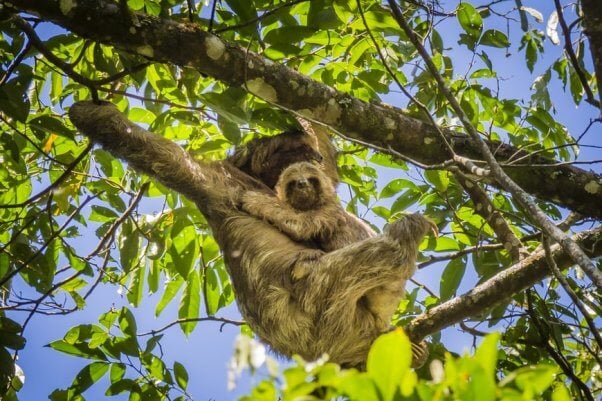
Sloths are naturally solitary, quiet animals that spend upwards of 15 to 20 hours a day sleeping. In a petting zoo environment, they are frequently subjected to loud noises, bright lights, and physical handling by strangers. This constant stimulation prevents them from entering the deep sleep cycles they require and leads to chronic stress. The mortality rate at Sloth World Orlando is an extreme example of the risks inherent in treating sensitive wildlife as commercial props.
The Central Florida Zoo’s involvement in the aftermath provides a stark contrast to the conditions at the warehouse. As an Association of Zoos and Aquariums (AZA) accredited facility, the zoo employs specialized veterinarians and nutritionists who are currently working to reverse the malnutrition and metabolic damage suffered by the 12 remaining sloths. However, experts note that even with the best care, the long-term prognosis for animals that have survived such extreme neglect remains guarded.
Broader Implications for Wildlife Legislation
The fallout from the Sloth World investigation is expected to trigger a push for stricter oversight of exotic animal facilities in Florida. State legislators and wildlife advocates are calling for more rigorous pre-importation inspections and mandatory bonding for facilities that house high-risk or sensitive species. Such bonds would ensure that if a facility is shuttered, funds are immediately available for the emergency relocation and medical care of the animals.
Furthermore, the incident has renewed the debate over the ethics of wild-caught imports for commercial entertainment. Many conservationists argue that the "petting zoo" industry provides no educational value and instead fuels a global trade that depletes wild populations and subjects animals to inhumane conditions.
As the Florida Department of Law Enforcement reviews the evidence provided by the FWC and PETA, the community remains focused on the fate of the survivors and the pursuit of justice for the 52 animals that perished. The case serves as a grim reminder of the high cost of the exotic animal industry when profit is prioritized over the biological realities of the creatures involved.
Conclusion and Future Outlook
The closure of Sloth World Orlando marks the end of one "sleazy operation," as described by animal welfare advocates, but the investigation into Peter Bandre and Benjamin Agresta is only beginning. The results of the cruelty investigation could set a significant legal precedent for how the state of Florida handles mass mortality events in the private wildlife sector.
For the 12 surviving sloths at the Central Florida Zoo, the road to recovery will be long. Their journey from the rainforests of Guyana to a cold warehouse in Orlando, and finally to a professional medical setting, highlights the urgent need for a shift in how society views and interacts with exotic wildlife. The tragedy emphasizes a clear message from animal welfare experts: wild animals are not toys, and their complex needs cannot be met in an industrial warehouse. As the legal process unfolds, the focus remains on ensuring that such a catastrophic failure of care never occurs again within the state’s borders.

