


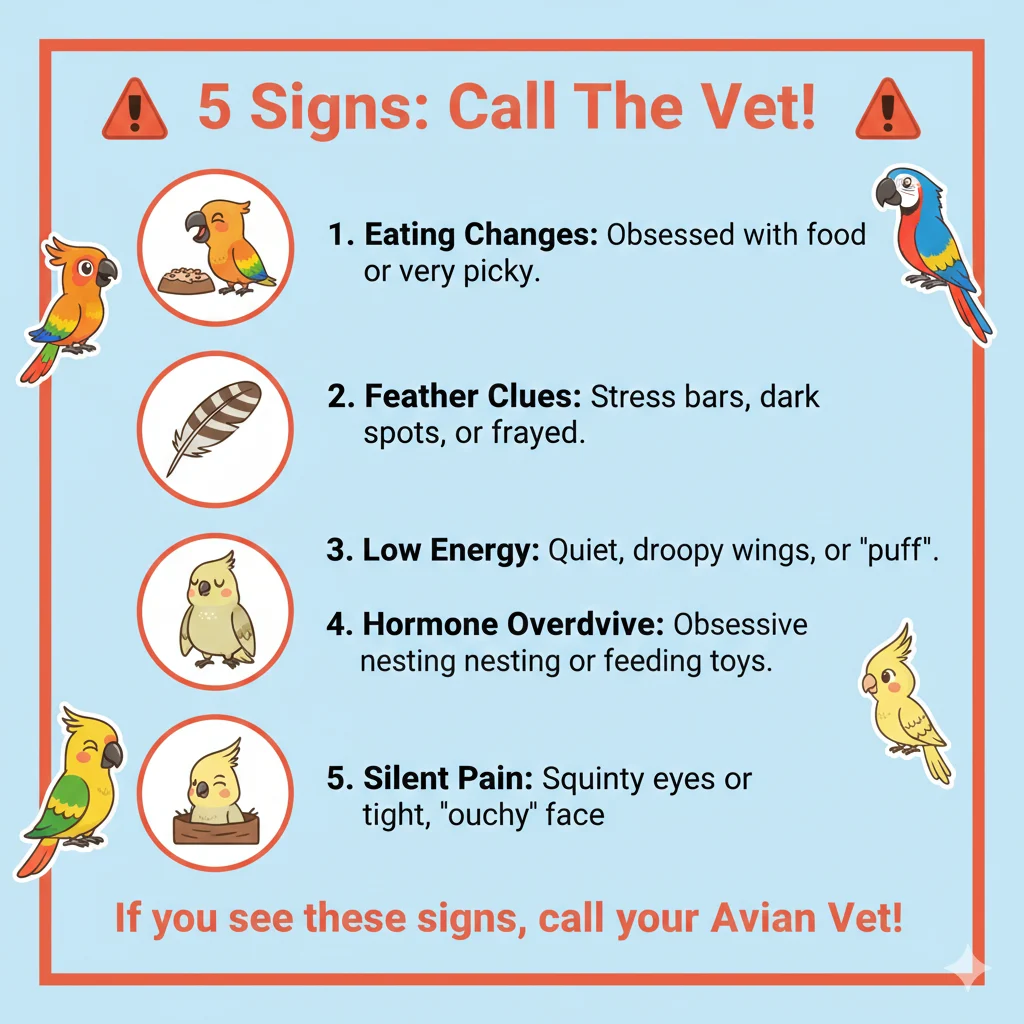
Hormonal behavior in pet birds, often misinterpreted as mere "acting out," is a fundamental biological response that requires careful understanding and proactive management from owners. Far from being a sign of malice or defiance, displays such as persistent cooing, wing flapping, nesting attempts, or increased irritability are natural expressions of an adult bird’s reproductive drive. As highlighted by avian experts, including clinical findings from Dr. Rob Marshall and Tailai O’Brien in 2026, reproductive hyperactivity stands as a primary cause behind numerous health complaints in captive birds. This intrinsic biological imperative, particularly pronounced in sexually mature birds, necessitates a redirection of energy to prevent fixation, frustration, and potential long-term health and behavioral challenges.
Decoding Avian Hormones: What Owners Observe
The visible signs of hormonal behavior are diverse and vary by species and individual personality, yet they universally stem from the same underlying biological processes. Owners frequently report an uptick in behaviors such as soft cooing, often accompanied by wing flapping or droopy wings, which can be an invitation for perceived mating. Nesting behaviors become prominent, with birds seeking out dark, enclosed spaces, attempting to shred materials, or exhibiting possessiveness over certain areas or objects. Regurgitation, a natural act of courtship feeding, may be directed towards owners, toys, or even reflections. Aggression, biting, and screaming can escalate as birds become more territorial or frustrated by unmet reproductive urges. For species like Sun Conures, which mature relatively quickly, these "big feelings" are a classic manifestation, often becoming evident as early as one year of age and persisting throughout their adult lives.
The dramatic appearance of hormonal displays in smaller parrots, such as cockatiels, budgies, and conures, is not an owner’s imagination. Species lower on the food chain are naturally programmed to mature rapidly and reproduce more frequently. This evolutionary strategy means their bodies remain closer to a continuous breeding mode compared to long-lived, larger parrots like macaws or cockatoos, which may not reach sexual maturity until seven or eight years of age. This physiological predisposition means smaller parrots can appear "hormonal" for much of the year, demanding consistent environmental and behavioral management from their caregivers.
The Biological Imperative: Why Birds Go "Hormonal"
At its core, avian hormonal behavior is governed by a complex interplay of environmental cues and internal physiological responses. The Hypothalamic-Pituitary-Gonadal (HPG) axis is central to this. Environmental triggers like changes in photoperiod (daylight length), availability of abundant food, presence of nesting sites, and even perceived "mates" (which can often be human companions or mirrors) stimulate the hypothalamus to release Gonadotropin-Releasing Hormone (GnRH). This, in turn, signals the pituitary gland to produce Luteinizing Hormone (LH) and Follicle-Stimulating Hormone (FSH), which act on the gonads (ovaries in females, testes in males) to produce sex hormones like estrogen, progesterone, and testosterone.
These sex hormones drive the observed behavioral changes. Estrogen and progesterone are crucial for egg development and laying in females, while testosterone influences territoriality, courtship displays, and aggression in males. Prolactin, another hormone, is associated with broodiness and parental care, further contributing to nesting behaviors. In a natural environment, these hormones are finely tuned to seasonal cycles, ensuring reproduction occurs when conditions are optimal for raising young. In captivity, however, these natural cues are often disrupted, leading to chronic hormonal states that can be detrimental to the bird’s well-being.
Normal Cycles vs. Chronic Concerns: A Critical Distinction
Understanding the difference between normal, transient hormonal displays and chronic, problematic behavior is paramount for pet bird owners. Occasional, seasonal displays of reproductive energy in adult parrots are entirely expected. These might align with natural breeding seasons for their wild counterparts, often triggered by changes in light, temperature, or perceived abundance. For instance, a temporary increase in vocalizations or an attempt to create a nest during spring is generally within the realm of normal avian behavior.
However, when a bird remains hormonally "switched on" for extended periods—often year-round—it transitions from a normal biological phase to a concerning health and welfare issue. Chronic hormonal activity takes a significant toll on a bird’s body and nervous system. In females, repeated egg-laying can lead to calcium depletion, egg binding, cloacal prolapse, and nutrient deficiencies, all of which are life-threatening conditions. Males can become perpetually stuck in a state of sexual frustration, manifesting as relentless aggression, obsessive behaviors, or chronic screaming. In both sexes, the inability of the body and nervous system to return to a settled, non-reproductive state often results in chronic irritability, severe fixation, feather destructive behavior, and a marked decline in overall well-being. This persistent physiological stress impacts their immune system, metabolism, and psychological health, leading to a diminished quality of life. Avian veterinarians frequently report that chronic hormonal activity is a precursor to a range of medical conditions and behavioral problems, often being a primary reason for birds being surrendered to rescue organizations.
The Captive Environment’s Influence: Exacerbating Hormonal Cycles
The domesticated environment, despite our best intentions, often inadvertently exacerbates hormonal cycles in pet birds. Unlike their wild counterparts, which face natural resource fluctuations and seasonal challenges, pet birds often live in conditions of perpetual abundance, sending continuous "breeding season" signals to their delicate systems.
- Diet: A diet rich in fats, sugars, and readily available calories, particularly from excessive seeds or table foods, mimics the nutritional bounty found during peak breeding seasons in the wild. This abundance signals to the bird’s body that it has sufficient resources to support reproduction, prompting hormonal surges.
- Light Cycles: Natural light cycles dictate breeding seasons. In captivity, artificial lighting and extended daylight hours (often 14-16 hours or more) can disrupt the bird’s circadian rhythm, tricking its body into believing it’s always breeding season. Birds require a consistent 10-12 hours of uninterrupted darkness to properly regulate their hormones.
- Nesting Opportunities: Any dark, enclosed space—a cardboard box, a blanket fort, a cabinet, or even the space behind furniture—can be perceived as a suitable nesting site. Similarly, shreddable materials like paper, wood, or even fabric can stimulate nesting behavior.
- Inappropriate Petting and Bonding: Many owners unknowingly reinforce hormonal behavior through inappropriate physical interaction. Petting a bird on its back, under its wings, or around its vent can be interpreted as a courtship or mating gesture, stimulating sexual hormones. Overly close, possessive bonding with a single human can also mimic a pair-bond, leading to redirected sexual frustration or aggression towards others.
- Lack of Enrichment: A bored bird, lacking sufficient mental and physical stimulation, may channel its energy into hormonal fixation. Without natural parrot "jobs" like foraging, chewing, and problem-solving, their innate drives can manifest in less desirable ways.
Proactive Management: Strategies for Healthy Avian Behavior
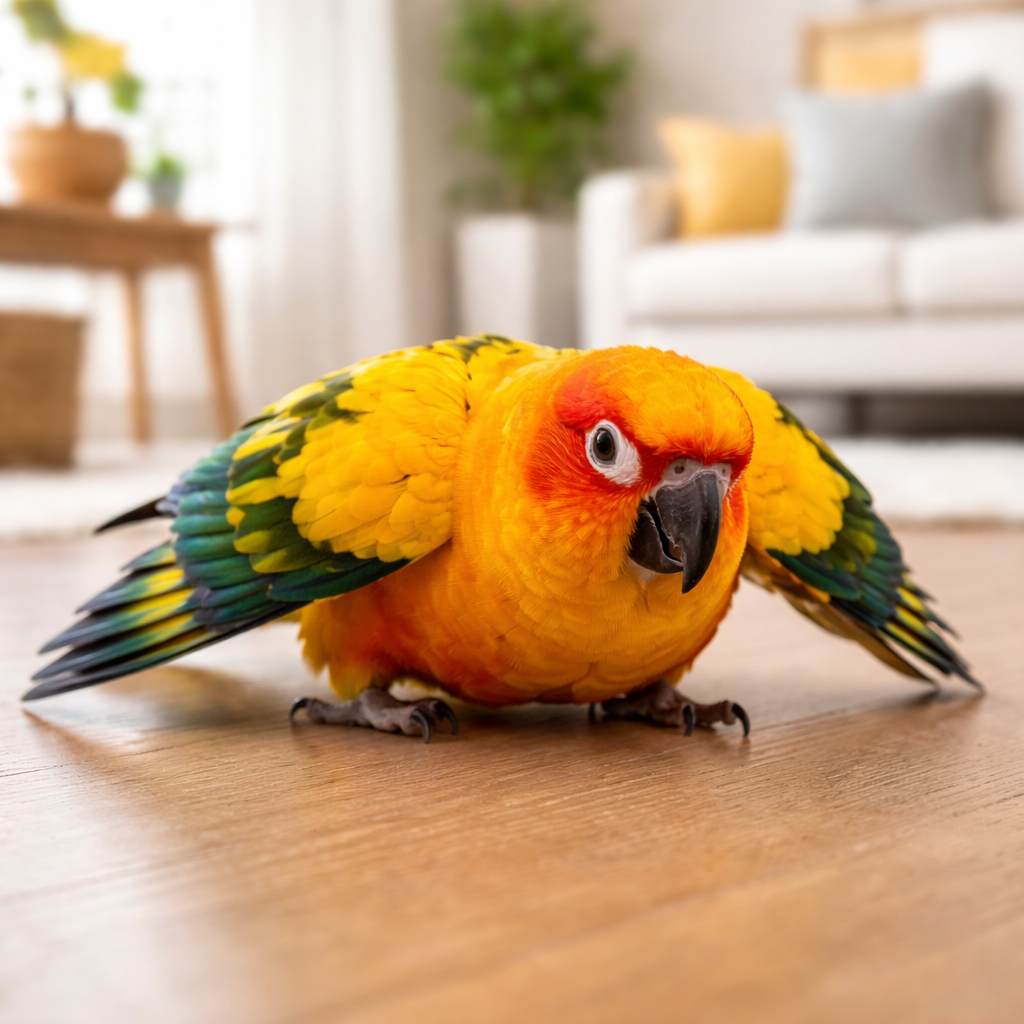
The good news for pet bird owners is that while hormonal behavior is biological, its intensity and impact can be significantly mitigated through proactive management and environmental adjustments. The goal is not to "shut down" a bird’s natural instincts but to redirect that energy into healthy, non-reproductive outlets.
-
Environmental Modification:
- Dietary Adjustments: Transition to a high-quality pelleted diet supplemented with a wide variety of fresh vegetables. Limit seeds, nuts, and sugary fruits, especially during peak hormonal times. These changes reduce the "abundance" signal.
- Light Cycle Regulation: Ensure your bird receives a consistent 10-12 hours of uninterrupted darkness every night. This can be achieved by moving the cage to a quiet, dark room or covering it completely with a thick, breathable cover.
- Eliminate Nesting Sites: Remove any potential nesting materials (shredded paper, fabric, small boxes) and block access to dark, enclosed spaces. If your bird attempts to nest in its cage, rearrange toys and perches to disrupt the perceived territory.
- Cage Placement: Avoid placing the cage in areas that might be perceived as secluded or "den-like."
-
Behavioral Redirection and Enrichment:
- Actively Reward Independent Behavior: Focus on reinforcing calm, self-sufficient activities. When your bird is quietly playing with a toy, foraging, or preening independently, offer a small, highly valued treat and verbal praise. This teaches the bird that calm, non-hormonal behaviors lead to positive outcomes.
- Provide Natural Parrot "Jobs": Parrots are highly intelligent and need to work for their food and entertainment. Introduce foraging toys that require problem-solving to extract treats. Offer shreddable toys, natural branches for chewing, and puzzle toys to engage their minds and bodies. These activities are natural outlets for pent-up energy and mental stimulation, diverting focus from reproductive urges.
- Target Training: Teach your bird simple commands like "step up," "target," or "wave." Training sessions provide mental engagement, build a positive relationship, and reinforce calm interaction.
- Start Where They Can Succeed: If your bird becomes overstimulated outside the cage, begin these activities within the cage. Once they demonstrate calmer behavior in their enclosure, gradually introduce them to a play stand or a training perch in a neutral space.
-
Appropriate Interaction:
- Petting Protocol: Restrict petting to the head and neck only. Avoid touching the back, under the wings, or near the vent, as these areas are erogenous zones and can stimulate sexual responses.
- Limit Cuddling: While affectionate, excessive cuddling or holding your bird close to your body can be interpreted as pair-bonding behavior. Keep interactions engaging but not overly intimate in a "mate-like" way.
- Maintain Boundaries: Do not allow your bird to go into dark spaces on your body (e.g., inside your shirt).
Common Pitfalls and Misconceptions
Successfully managing hormonal behavior also requires avoiding common mistakes that can inadvertently exacerbate the problem:
- Punishment: Yelling, hitting, or punishing a bird for hormonal behaviors is ineffective and damaging. It erodes trust, increases stress, and can lead to aggression or fear-based behaviors without addressing the underlying biological drive. Birds do not act "out of spite"; they are responding to their instincts.
- Ignoring the Problem: Hormonal energy does not simply "burn itself out." If a parrot doesn’t learn where to put that energy, it will keep manifesting in louder, more persistent, and often more destructive ways. Over time, birds can get stuck in a cycle of constant agitation, frustration, and inability to settle, which is exhausting and detrimental to their health.
- Assuming Malice: It’s crucial to remember that a bird’s hormonal displays are not personal attacks. They are biological imperatives, and understanding this helps owners respond with empathy and effective strategies rather than frustration.
- Inappropriate Physical Contact: As mentioned, petting certain areas of a bird’s body directly stimulates reproductive hormones. Many owners unknowingly reinforce the very behavior they wish to stop by continuing these types of interactions.
- Mirrors: Mirrors can be highly problematic. A bird may perceive its reflection as a potential mate, leading to intense fixation, regurgitation, territorial aggression, and chronic hormonal stimulation. Removing mirrors is often a crucial step in managing this behavior.
- Treats Reinforcing Bad Behavior: Treats should immediately follow calm, desired behavior. If a bird is screaming or biting, giving a treat to quiet them down inadvertently reinforces the unwanted behavior. Get into the habit of having preferred treats readily available to reward natural, independent parrot behaviors as they occur. This clarity in reinforcement helps the bird’s nervous system learn a new default.
When to Seek Professional Veterinary Intervention
In the world of bird behavior, "acting out" is rarely just a mood; it is a data point. Based on the 2026 clinical findings of Dr. Rob Marshall and Tailai O’Brien, reproductive hyperactivity is a primary cause of many health complaints in pet birds. Therefore, discerning when behavior crosses the "Risk Threshold" from normal avian antics to a medical priority is vital.
Consult an Avian Veterinarian if you observe:
- Chronic Egg Laying: More than two clutches per year, or eggs laid without a mate. This depletes calcium and can lead to egg binding, cloacal prolapse, and other life-threatening conditions.
- Egg Binding: A female bird straining, appearing weak, having difficulty passing an egg, or showing signs of lethargy, labored breathing, or a swollen abdomen. This is an emergency.
- Changes in Droppings: Persistently larger, wetter droppings (polyuria) or changes in consistency, which can indicate reproductive activity or underlying health issues.
- Persistent Feather Destructive Behavior or Self-Mutilation: While not exclusively hormonal, chronic stress and frustration from unresolved hormonal drives can contribute significantly to feather plucking or self-mutilation.
- Extreme Aggression or Fixation: If the bird’s aggression becomes dangerous, uncontrollable, or if it develops an obsessive fixation on an object, person, or area that significantly impacts its quality of life or the safety of the household.
- Lethargy or Loss of Appetite: Any significant change in energy levels or eating habits, which can be a sign of underlying illness related to hormonal stress or other medical conditions.
- Regurgitation of food for extended periods not associated with brief, clear courtship displays.
- Persistent cloacal swelling or prolapse.
An avian veterinarian can conduct a thorough physical examination, potentially including blood tests (to check calcium levels, hormone panels, or general health), radiographs (to assess for eggs or other internal issues), and provide medical interventions such as hormonal implants (e.g., Lupron, which suppresses gonadotropin release) or other supportive care to help regulate the bird’s reproductive system.
Broader Implications and Responsible Ownership
Managing hormonal behavior effectively has profound implications for the welfare of pet birds and the strength of the owner-bird bond. By addressing these natural instincts constructively, owners can:
- Improve Bird Welfare: Reduce chronic stress, prevent life-threatening medical conditions, and enhance the bird’s overall quality of life. A bird that is not constantly keyed up and frustrated is a happier, healthier bird.
- Strengthen the Owner-Bird Bond: When owners understand the biological basis of their bird’s behavior and respond with appropriate strategies, it fosters trust and reduces frustration for both parties. It transforms a potentially difficult relationship into a more harmonious partnership.
- Prevent Bird Surrender: Behavioral issues, often rooted in unmanaged hormonal drives, are a leading cause of pet birds being relinquished to shelters. Effective management is critical for keeping birds in loving homes.
- Promote Responsible Ownership: Educating owners about avian biology and behavior is fundamental to responsible pet bird care. It emphasizes that owning a bird is not just about feeding and shelter, but about understanding and meeting their complex species-specific needs.
Bottom Line
Your bird isn’t being "bad," but their body is often in a state of stress that they cannot control. Chronic hormonal behavior rarely resolves on its own and often leads to deeper health issues. By consistently rewarding calm, independent behavior, providing appropriate enrichment, and removing the triggers that "feed" the hormonal display, you help your bird settle into a lifestyle that is healthier for their body and much more livable for you. This proactive, informed approach is the cornerstone of responsible avian care, transforming potential challenges into opportunities for a deeper, more fulfilling companionship.

