


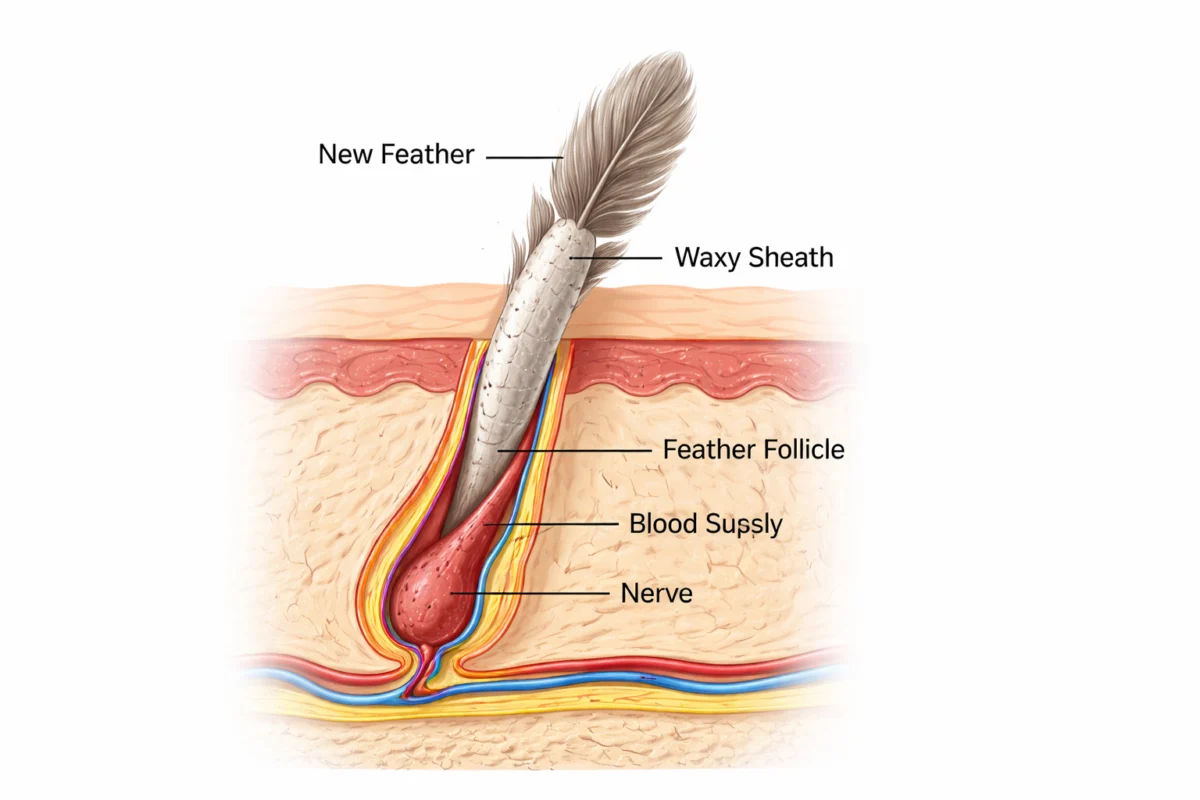
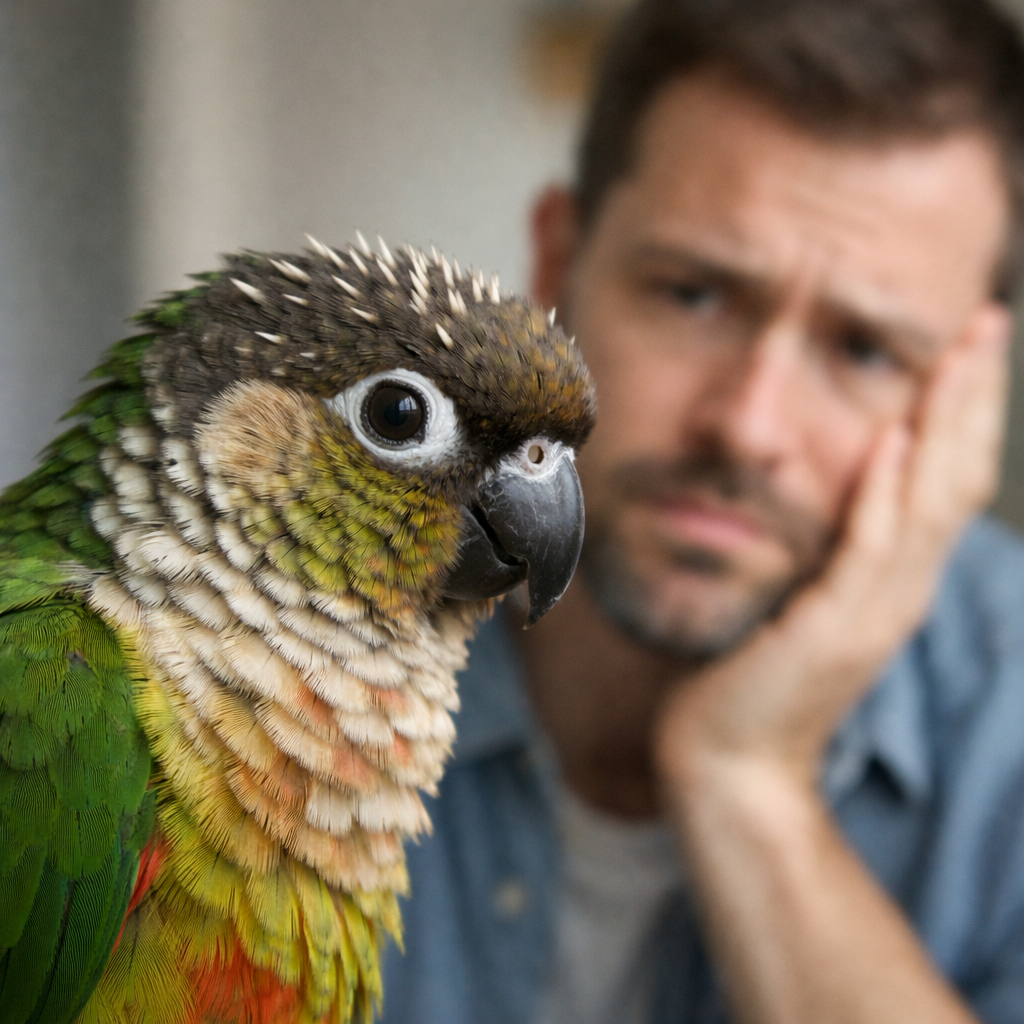
The periodic shedding and regrowth of feathers, known as molting, is a natural and essential physiological process for all birds. Integral to this cycle is the emergence of "pin feathers," which are new feathers encased in a protective keratin sheath as they develop. While a normal part of avian life, their appearance can be a source of discomfort for birds and concern for owners. These emerging feathers often present as pale or whitish spikes, particularly noticeable on the head and neck, giving a bird a temporarily disheveled or "spiky" appearance. Understanding the stages of pin feather growth and how to appropriately support a bird during this time is crucial for ensuring their comfort and promoting healthy feather development, thereby preventing potential stress or injury.
The Biology of Feather Renewal: What Are Pin Feathers?
Feathers are complex epidermal structures vital for flight, insulation, waterproofing, and display. Unlike hair, feathers are not continuously replaced but undergo a cyclical process of shedding and regrowth. Pin feathers represent the nascent stage of this regrowth. Each pin feather is a new feather emerging from its follicle through the skin, initially protected by a hard, waxy keratin sheath. This sheath provides structural support and nourishment to the developing feather within, which contains a rich blood supply in its early phases. The term "pin feather" arises from their appearance—resembling small pins or quills—before the sheath breaks down and the feather unfurls.
Molting is not a random process; it is a meticulously regulated biological event influenced by factors such as photoperiod (daylight length), nutrition, hormones, and overall health. As noted in scientific literature, such as the comprehensive avian anatomy studies by Lucas & Stettenheim (1972), feather follicles are highly active during molt. Birds do not grow one feather at a time; instead, the body activates groups of feather follicles simultaneously, often in specific body regions. This synchronized activation explains why numerous pin feathers can appear all at once, leading to a sudden, widespread "spiky" look across a bird’s body. This intense period of growth can make the skin feel "busy" or irritated, even when the process is proceeding normally. The keratin sheath, while protective, also contributes to the sensation of tightness or itchiness as it dries and prepares to flake away, a process driven by changes in cellular hydration and enzymatic breakdown.
The Molting Timeline: Understanding the Stages of Pin Feather Development
The journey of a pin feather from emergence to full maturity involves distinct physiological stages, each associated with different sensations for the bird and requiring specific supportive care from owners. This chronological progression is key to understanding a bird’s behavior and needs during molt.
Early Growth: The Tender Phase
In its earliest stage, a pin feather is highly sensitive. The developing feather is connected to a small, active blood supply, which transports nutrients essential for its rapid growth. This vascular connection makes the surrounding skin and the feather follicle extremely tender. Any pressure, squeezing, or rough handling during this phase can be uncomfortable or even painful for the bird. The follicle itself is engorged with blood, making it vulnerable to trauma.
- Physiological Indicators: The feather shaft appears darker or reddish due to active blood flow. Rapid cellular division is occurring within the follicle to form the complex feather structure. Nerve endings around the follicle are highly sensitive, signaling potential pain.
- Behavioral Observations: Birds may be noticeably more protective of areas with new pin feathers, particularly the wings, tail, and body. They might flinch or vocalize if these areas are inadvertently touched. Preening may be minimal or extremely gentle in these specific regions to avoid irritation. Owners might observe a reluctance for physical contact.
- Supportive Care: During this tender phase, the paramount goal is to prevent pain and injury. Gentle handling, avoiding direct contact with emerging pins, is crucial. Providing opportunities for regular, gentle bathing or misting can help hydrate and soften the developing keratin sheaths, potentially reducing early discomfort without direct intervention. Ensuring a balanced diet rich in essential nutrients supports healthy feather formation and minimizes potential complications from compromised growth.
The Itchy Phase: Peak Discomfort
As the pin feather matures, the keratin sheath begins to dry out and separate from the underlying feather. This drying process, coupled with the stretching of the skin by the expanding feather, often leads to intense itchiness. This is the stage most commonly noticed by bird owners, as their pets’ scratching and preening behaviors intensify significantly. The sheath’s gradual detachment creates micro-irritations on the skin surface, triggering nerve responses that manifest as itching.
- Physiological Indicators: The keratin sheath appears drier and more opaque, signifying its desiccation. Mild inflammation may occur around the follicles as the feather expands and the sheath separates. Nerve irritation, rather than pain, becomes the predominant sensation, prompting the bird to seek relief through rubbing and scratching.
- Behavioral Observations: Owners will typically observe a marked increase in scratching with feet, vigorous rubbing against perches, toys, or cage bars. Preening becomes more focused, prolonged, and sometimes frantic, as the bird attempts to break open the dry sheaths. The bird might appear restless, agitated, or repeatedly try to reach inaccessible itchy spots, especially on the head and neck. While this behavior might appear obsessive, it is typically a physical response to irritation rather than a primary behavioral problem.
- Supportive Care: Hydration and softening are paramount during this phase. Regular misting with lukewarm water, offering a shallow bathing dish, or allowing access to a bird-safe shower helps to soften the keratin sheaths, making them more pliable and easier for the bird to remove naturally through preening. Maintaining appropriate humidity levels in the home environment further aids this process, particularly for species native to humid climates. Offering varied textures for rubbing (e.g., natural wood perches, rough mineral perches, rope toys) can provide outlets for self-soothing without causing damage to the delicate new feathers. Nutritional support, particularly with omega fatty acids and vitamins A and E, is vital for maintaining skin health and reducing irritation, as these nutrients contribute to the skin’s barrier function and anti-inflammatory responses.
The Release Phase: Unfurling and Relief
Once the pin feather is fully developed within its sheath, the sheath dries completely and becomes brittle. At this point, the bird’s preening actions, or even simple movements, cause the sheath to flake away, allowing the new feather to unfurl and settle into its final position. This stage brings significant relief from itchiness and tenderness as the source of irritation is removed.
- Physiological Indicators: The keratin sheath is completely desicccated and easily fragmented. The feather vane rapidly expands and unfolds from its protective casing, taking on its mature form. The blood supply to the feather base has largely receded.
- Behavioral Observations: Fine white flakes, remnants of the shed sheaths, may be visibly abundant around the bird’s cage, on its feathers, and even on the owner’s clothing after handling. The bird’s preening may become less frantic and more routine, focusing on aligning the new feathers rather than breaking open sheaths. Overall comfort levels noticeably improve, and the bird may appear more relaxed and less preoccupied with scratching.
- Supportive Care: Continued bathing and misting aid in the natural shedding of any remaining sheath fragments, ensuring the feathers can unfurl completely. Providing a clean environment helps manage the increase in feather dust. Owners should monitor for any signs of retained sheaths or incomplete unfurling, particularly in areas that are difficult for the bird to reach, although these are typically rare in healthy birds with good preening habits.
Distinguishing Pin Feathers from Blood Feathers: A Critical Distinction
While all pin feathers contain a blood supply in their early stages, the term "blood feather" typically refers to larger, actively growing feathers—most commonly flight feathers in the wings or tail—that still have an active blood supply. The distinction is crucial due to the potential severity of injury and subsequent blood loss.
- Pin Feathers: These are generally smaller body feathers. The blood supply to the developing feather recedes relatively quickly as the feather approaches maturity. Breaking a small, early-stage pin feather might cause minor bleeding that usually stops on its own or with light pressure. The risk of significant hemorrhage is low.
- Blood Feathers: These are larger, thicker feathers, such as primary and secondary flight feathers or tail rectrices. Their blood supply remains active for a longer duration due to the extensive growth and structural development required. If a blood feather breaks, especially at its base where the blood supply is most robust, it can lead to significant and potentially dangerous bleeding. In smaller avian species, even a seemingly small amount of blood loss can rapidly become life-threatening due to their low total blood volume. This distinction is emphasized by avian veterinarians as a critical area of owner education.
Emergency Protocol: What to Do If a Blood Feather Breaks
Immediate and calm action is essential if a blood feather breaks and is actively bleeding. Prompt intervention can prevent serious complications.
- Apply Direct Pressure: Gently but firmly apply direct pressure to the bleeding shaft using a clean cloth, gauze, or even a paper towel. Maintain steady pressure for at least 5-10 minutes without lifting to check, allowing time for clot formation.
- Use a Clotting Agent: If available, apply a styptic powder (such as Kwik Stop, designed for pet nail bleeding) or a household alternative like cornstarch or flour directly to the bleeding site while maintaining pressure. These agents help to promote coagulation.
- Maintain Pressure: Continue to apply firm pressure for several minutes, allowing the clotting agent to work. Do not disturb the forming clot.
- Monitor Closely: Once bleeding appears to have stopped, monitor the bird closely for 30-60 minutes to ensure it does not restart. You may reapply the clotting agent once or twice if minor bleeding recurs.
Crucially, never attempt to pull a broken blood feather yourself. Feather removal is an extremely painful procedure for the bird, can exacerbate bleeding by reopening the follicle, and risks permanent damage to the feather follicle, potentially preventing future feather growth or causing chronic problems. Blood feathers should only be removed by an avian veterinarian or a highly trained professional who can assess the situation, administer pain relief, and ensure proper, sterile removal if deemed necessary. If bleeding is heavy, persistent beyond 10-15 minutes, or you are unsure about its control, immediate veterinary attention is paramount. Time is critical in such situations.
Expert Perspectives: Supporting Your Bird’s Molt
Avian health specialists emphasize a holistic approach to supporting birds through molt. Experts like Diane Burroughs, LCSW, an avian behavior guru and licensed psychotherapist certified in Nutrition for Mental Health, highlight the interconnectedness of nutrition, environmental enrichment, and psychological well-being during this demanding period. Burroughs, known for her work with UnRuffledRx products and avian behavior consultations, consistently points to comprehensive care as key to a smooth molt.
Nutritional Support for Optimal Feather Growth
Feather growth is one of the most metabolically demanding processes a bird undergoes, requiring significant energy and specific nutrients. A robust, balanced diet is fundamental for producing strong, healthy feathers and minimizing molt-related stress.
- Protein: Feathers are primarily composed of keratin, a fibrous protein. Adequate intake of high-quality protein, providing a full spectrum of essential amino acids, is non-negotiable for robust feather development. Deficiencies can lead to brittle, dull, or malformed feathers.
- Essential Fatty Acids (Omega-3 and Omega-6): These polyunsaturated fatty acids, found in sources like flaxseed, chia seeds, hemp seeds, and certain supplements, are crucial for skin integrity and feather luster. They help maintain skin hydration, reduce inflammation, and contribute to the flexibility of the keratin sheath, potentially easing the itchy phase. Research, such as that cited by Chen et al. (2020) on nutritional regulation of feather growth, underscores their importance.
- Vitamins (A, E, and B-complex): Vitamin A is critical for the health of epithelial tissues, including the skin and feather follicles. Deficiency can lead to dry skin, poor feather quality, and compromised immune function. Vitamin E acts as a powerful antioxidant, protecting cells from oxidative damage during rapid growth. B-complex vitamins play a vital role in numerous metabolic processes, including energy production necessary for feather synthesis and nerve function.
- Minerals (Calcium, Zinc, Selenium): These trace minerals serve as cofactors in numerous enzymatic reactions involved in feather growth, pigment formation (McGraw, 2006), and overall physiological health. Calcium is crucial for bone health and nervous system function, while zinc is involved in protein synthesis and immune response.
- Dietary Adjustments: While food changes won’t immediately stop existing itchiness, a nutritionally complete diet provides the fundamental building blocks for current and future healthy feather growth. Switching from an all-seed diet (which is often deficient in many essential nutrients) to a high-quality pelleted diet, supplemented with fresh fruits, vegetables, and appropriate healthy seeds, is widely recommended by avian veterinarians for year-round health, especially during molt.
Environmental Enrichment and Stress Reduction
Beyond nutrition, the bird’s environment plays a significant role in managing molt discomfort and preventing stress-related issues.
- Bathing and Humidity: Regular access to baths (either a shallow dish, misting with a clean spray bottle, or a bird-safe shower) is perhaps the single most effective home remedy for molting discomfort. Water softens the keratin sheaths, making them more pliable and easier for the bird to preen off, providing immediate relief from itchiness. Maintaining appropriate ambient humidity, especially in dry indoor environments (often a concern in homes with central heating/AC), further aids this process. A humidifier near the cage can be beneficial for species that originate from humid tropical regions.
- Quiet and Rest: Molting is an energy-intensive process that can be physically draining for a bird. Ensuring the bird has ample undisturbed rest, a consistent sleep schedule (typically 10-12 hours of uninterrupted darkness), and a calm, predictable environment can significantly reduce physiological and psychological stress during this demanding period.
- Appropriate Perches and Toys: Offering a variety of perches with different textures (natural wood, mineral perches, rope toys, concrete perches) can provide safe and effective outlets for birds to rub and scratch away itchy pin feathers without resorting to self-mutilation. Providing stimulating toys helps to distract from potential discomfort and prevent boredom-induced feather destructive behaviors.
Can Owners Safely Assist with Pin Feather Removal?
While most birds are adept at managing their own pin feathers through preening, some owners wonder if they should offer direct assistance. Avian experts generally advise caution and emphasize that in most cases, intervention is not required.
- General Rule: Helping is generally optional, not required. Healthy birds with access to proper bathing and a good diet typically manage pin feathers on their own through their natural preening rituals.
- When Assistance May Be Appropriate (with extreme caution):
- Inaccessible Areas: Birds cannot effectively preen their own heads and necks. Pin feathers in these areas are often the most irritating. A trusted human companion (or another bird in a bonded pair) can gently roll fully dry and ready-to-flake sheaths between two fingers. This action mimics a bird’s natural preening and helps break down the sheath.
- Fully Mature, Dry Sheaths: Only assist when the sheath is completely dry, flaky, and appears ready to detach. It should crumble easily into a fine white powder with minimal pressure. If it feels hard, waxy, or resists crumbling, it is not ready.
- Bird’s Comfort and Trust: The bird must be completely comfortable, relaxed, and willing to accept help. Any sign of discomfort, fear, aggression, or a desire to move away means you should stop immediately. Forcing the interaction can damage trust and cause pain.
- When Not to Help:
- Early/Tender Stage: Never touch or attempt to open pin feathers that are still soft, moist, appear translucent, or have a visible blood supply. This will cause pain, risks injury, and could lead to a broken blood feather.
- Bird’s Reluctance: If

