



As the academic planning cycle for the 2026–2027 school year commences, school districts across the United States are facing increasing pressure to modernize cafeteria menus to reflect evolving nutritional standards and ethical considerations. Central to this movement is the introduction of plant-based protein alternatives, specifically "JUST Meat," a vegan chicken substitute developed by the food technology firm Eat Just. This shift comes at a critical juncture when educational institutions are evaluating the long-term health outcomes of students and the environmental footprint of institutional food procurement. With procurement contracts for the upcoming fall semester currently under negotiation, advocacy groups and parents are urging administrators to incorporate more inclusive, health-conscious, and sustainable options into the National School Lunch Program (NSLP).
The Evolution of Institutional Plant-Based Proteins
The introduction of JUST Meat into the educational sector marks a significant milestone for Eat Just, a company previously recognized for its market-leading plant-based egg substitute. Unlike traditional processed poultry products, which have long been staples of the American school lunch—such as nuggets, patties, and strips—JUST Meat is engineered from plant proteins to replicate the texture and flavor profile of avian flesh without the use of animal products.
Market research and consumer taste tests have indicated a narrowing gap between plant-based substitutes and traditional meat. In head-to-head blind taste tests, JUST Meat reportedly outperformed conventional chicken flesh among various consumer demographics. This performance is attributed to advancements in extrusion technology and flavor chemistry, which allow plant proteins to mimic the fibrous structure of muscle tissue. For school districts, the appeal lies in the ability to offer a product that is familiar to students in form and flavor while bypassing the physiological and ethical complexities associated with industrial poultry production.
Chronology of the Plant-Based Movement in Education
The push for plant-based options in schools has transitioned from a niche dietary request to a mainstream policy objective over the last decade.

- 2015–2020: The Pilot Phase. Several large urban districts, including New York City and Los Angeles Unified School District, began implementing "Meatless Mondays." These initiatives were primarily aimed at reducing carbon footprints and introducing students to legumes and grains.
- 2021–2023: Regulatory Shifts. The USDA began exploring greater flexibility in the National School Lunch Program, allowing for more diverse protein substitutes as long as they met strict macronutrient requirements.
- 2024–2025: Corporate Integration. Major food service providers like Aramark and Sodexo, which manage the cafeterias of thousands of schools and universities, began formal partnerships with food tech companies to streamline the delivery of plant-based meats.
- 2026: The Scaling of Alternatives. As of April 2026, the focus has shifted toward high-fidelity meat analogues like JUST Meat. These products are no longer viewed as secondary options but as primary menu items designed to achieve parity with animal-based proteins in both cost and preparation ease.
Nutritional Profile and Public Health Implications
The primary driver for the adoption of plant-based poultry in schools is the rising concern over childhood health metrics. Longitudinal studies have consistently linked the high consumption of saturated fats and dietary cholesterol—prevalent in traditional processed meats—to early markers of cardiovascular disease and obesity in minors.
JUST Meat and similar plant-based alternatives offer a distinct nutritional advantage in an institutional setting. They are naturally free of dietary cholesterol and contain significantly lower levels of saturated fat compared to their animal-derived counterparts. Furthermore, plant-based proteins are often fortified with essential vitamins and minerals, such as Vitamin B12 and iron, to ensure they meet the developmental needs of growing children.
Public health experts note that establishing healthy eating habits in a school environment is essential for long-term wellness. By replacing "artery-clogging" animal fats with plant-derived proteins, schools can mitigate the risk factors associated with the "Standard American Diet." Additionally, the absence of antibiotics—frequently used in industrial poultry farming—reduces the risk of contributing to antibiotic-resistant bacterial strains, a growing concern in global plate-to-table safety.
Ethical Considerations and Animal Welfare Data
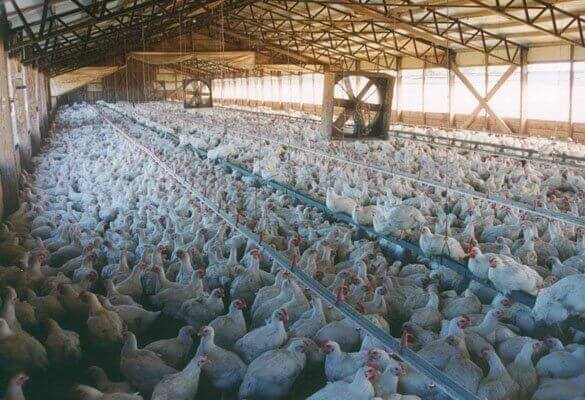
The ethical dimension of school lunch reform focuses on the scale of the industrial poultry industry. Statistics from 2025 indicate that approximately 9 billion chickens are slaughtered annually in the United States to meet domestic demand. The majority of these animals are raised in concentrated animal feeding operations (CAFOs), characterized by high-density housing and rapid growth cycles that often lead to skeletal deformities and cardiovascular failure in the birds.
Advocacy groups, including PETA, emphasize that modern students are increasingly aware of animal welfare issues. Integrating products like JUST Meat allows educational institutions to align their operations with the values of compassion and sustainability. This "kinder" lunch option serves as a practical application of the ethical lessons often taught in science and social studies curricula regarding the treatment of sentient beings and the preservation of biodiversity.

Environmental Impact and Sustainability Metrics
Beyond health and ethics, the environmental argument for JUST Meat is supported by substantial data regarding resource allocation. Industrial animal agriculture is a resource-intensive process. Producing one pound of chicken requires significantly more water, land, and energy than producing an equivalent amount of plant-based protein.
- Water Usage: Plant-based meat production typically requires up to 80% less water than poultry farming.
- Greenhouse Gas Emissions: The carbon footprint of plant-based alternatives is estimated to be 70% to 90% lower than that of conventional meat, primarily due to the elimination of feed crop inefficiencies and manure management issues.
- Land Use: By sourcing protein directly from plants rather than cycling those plants through an animal, the agricultural land requirement is drastically reduced, offering a viable solution to food security challenges in a warming climate.
For school districts aiming to meet "Green Initiative" goals or reduce their institutional carbon footprint, the transition to plant-based proteins is one of the most effective administrative changes available.
Logistics of Implementation: Aramark and Sodexo
One of the historical barriers to plant-based adoption in schools was the complexity of the supply chain. However, as of 2026, JUST Meat has been integrated into the catalogs of major food service distributors, including Aramark and Sodexo. These corporations act as the bridge between food tech innovators and school cafeteria kitchens.
Because these distributors already have the infrastructure to handle frozen and chilled goods, adding a plant-based chicken alternative does not require schools to invest in new equipment. Furthermore, companies like Eat Just provide educational resources and sampling programs to help cafeteria staff transition to the new product. This "low-risk" entry point allows school boards to test student receptivity through pilot tastings before committing to full-scale menu integration.
Economic Feasibility and Inclusivity
A common critique of plant-based alternatives is the "green premium" or higher cost compared to subsidized animal meat. However, as production scales and technological efficiencies improve, the price gap is narrowing. In 2026, institutional pricing for plant-based poultry has reached near-parity with high-quality conventional chicken, especially when factoring in the long-term healthcare savings associated with improved student nutrition.
Furthermore, plant-based meats offer a level of dietary inclusivity that traditional poultry cannot. JUST Meat is inherently kosher and halal-friendly (provided the processing facility meets standards), making it a versatile option for diverse student populations with religious or cultural dietary restrictions. It also provides a safe protein source for students with dairy or egg allergies, which are often found in the breading of traditional chicken nuggets.
Broader Impact and Future Outlook
The push for JUST Meat in schools is indicative of a broader societal shift toward "conscious consumption." As the 2026–2027 planning window closes, the decisions made by school administrators will have a ripple effect across the agricultural economy. A significant shift in demand from school districts—some of the largest food buyers in the country—can signal to the market that plant-based proteins are no longer a fad but a foundational element of the American diet.
Industry analysts predict that if plant-based poultry becomes a staple in the National School Lunch Program, it will accelerate the normalization of meat alternatives among the younger generation. This "generational shift" is expected to drive further innovation in the sector, potentially leading to the introduction of cultivated (lab-grown) meats and more advanced fungal-based proteins in the coming decade.
In conclusion, the integration of JUST Meat into school cafeterias represents a multi-faceted solution to some of the most pressing challenges in institutional catering. By addressing public health, environmental sustainability, and animal welfare through a single menu change, school districts have the opportunity to lead by example, providing the next generation of American leaders with the "best fuel" for both their bodies and their consciences. With the support of major distributors and the backing of nutritional data, the transition to a more inclusive and ethical cafeteria lineup appears not only feasible but inevitable.

