


The cultural landscape of Mexico is currently undergoing a profound transformation as the centuries-old practice of bullfighting faces unprecedented legal, social, and economic challenges. Long considered a cornerstone of Hispanic tradition, the industry is now witnessing a steady decline, driven by a combination of legislative reforms, shifting public morality, and a growing body of scientific evidence regarding animal sentience. With several states already implementing outright bans and the nation’s capital embroiled in a protracted legal battle over the future of the spectacle, the "fiesta brava" appears to be entering its final chapter in Mexican history.
The Constitutional Shift and Legislative Framework
The most significant blow to the bullfighting industry in recent years stems from a fundamental shift in Mexico’s legal philosophy regarding non-human animals. A landmark reform to Article 4 of the Mexican Constitution has fundamentally redefined the state’s relationship with fauna. The article now explicitly mandates that "animal abuse is prohibited" and charges the Mexican State with the responsibility to "guarantee the protection, proper treatment, conservation, and care of animals."
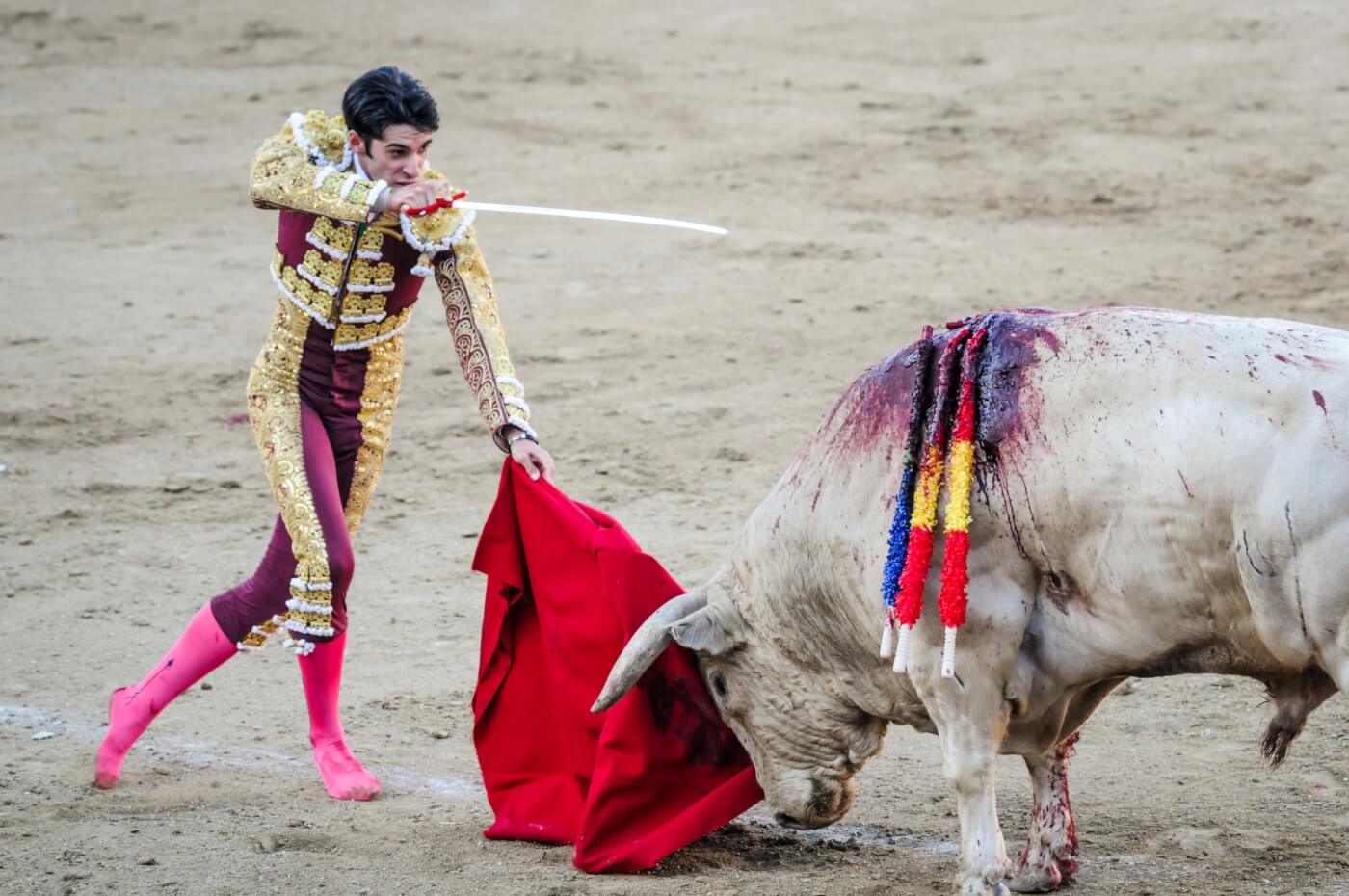
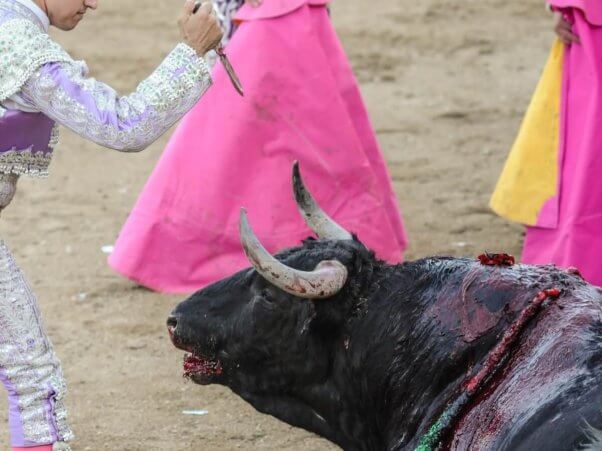
This constitutional mandate has created a direct legal conflict with the mechanics of a traditional bullfight. Legal experts point out that the various stages of the bullfight—the tercios—are designed to systematically weaken the animal through physical trauma. The process begins with the picadores using lances to sever neck muscles and induce blood loss, followed by the banderilleros who plant barbed sticks into the bull’s shoulders. The final act involves the matador attempting to sever the aorta or spinal cord with a sword. Under the new constitutional framework, these actions are increasingly viewed not as cultural expressions, but as direct violations of the state’s duty to prevent animal cruelty.
Furthermore, the industry faces pressure from federal regulations such as the Ley Federal de Sanidad Animal (Federal Animal Health Law). This legislation was designed to ensure animal welfare and minimize suffering across various sectors. Similarly, NOM-033, a Mexican Official Standard that establishes minimum requirements for the humane killing of animals to prevent prolonged agony, is fundamentally at odds with the "death in the ring" sought in bullfighting, which often involves multiple failed attempts to kill the animal, leading to paralysis while the bull remains conscious.
A Growing Geography of Prohibition
The movement to abolish bullfighting is not a centralized phenomenon but a grassroots legislative wave sweeping across the Republic. To date, several states have successfully passed legislation to ban the practice, reflecting a regional desire to modernize animal welfare standards.
- Sonora (2013): Became the first state to ban bullfighting, setting a legal precedent for the rest of the country.
- Guerrero (2014): Passed the Animal Welfare Law which included a prohibition on bullfights.
- Coahuila (2015): Implemented a ban following significant pressure from local advocacy groups and international observers.
- Quintana Roo (2019): Adopted a comprehensive Animal Protection and Welfare Law that outlawed bullfighting and cockfighting.
- Sinaloa and Michoacán: More recently joined the list of states moving to restrict or entirely prohibit the spectacle.
In Mexico City, home to the Plaza México—the largest bullring in the world—the legal battle has been particularly fierce. A series of judicial injunctions and stays have seen the bullring close and reopen intermittently. However, recent legislative movements within the Mexico City Congress suggest that a permanent prohibition is imminent, reflecting the city’s status as a progressive hub for civil rights and animal protection.
Public Opinion and the Erosion of Tradition
The argument that bullfighting is an essential part of Mexican identity is increasingly contradicted by statistical data. Recent national surveys indicate a dramatic shift in public sentiment. Estimates suggest that approximately 70% of the Mexican population now opposes bullfighting, viewing it as a form of animal abuse rather than a cultural asset.
This shift is particularly evident among younger generations and urban populations. In 2024, surveys conducted in Mexico City revealed that even among demographics historically indifferent to animal rights, the consensus has moved toward abolition. Respondents frequently categorized the events as "cruel," "inhumane," and "anachronistic." This change in perspective indicates that the social license required for the industry to operate is rapidly expiring.
Scientific Consensus on Animal Suffering
The debate has also been informed by rigorous scientific analysis. A recent study by Ciencia UNAM (the science communication organ of the National Autonomous University of Mexico) concluded that bullfighting is ethically and biologically unacceptable. The research emphasized that bulls are highly social, sensitive animals with complex nervous systems capable of experiencing acute pain, fear, and distress.
Biologically, the "fight" in the bullring is a misnomer; it is a physiological collapse. The animal experiences a massive surge in cortisol (the stress hormone) and lactic acid as its body attempts to cope with the trauma of blood loss and physical exertion. The study reaffirms that bulls possess a desire for autonomy and form deep social bonds within their herds, behaviors that are violently interrupted for the purpose of entertainment.
Human Rights and the Protection of Minors
Beyond animal welfare, bullfighting has come under scrutiny from a human rights perspective, specifically regarding the protection of children. The United Nations Committee on the Rights of the Child has issued formal recommendations to nations that host bullfights, including Mexico and Spain, urging them to prohibit the attendance of minors at such events.
The UN’s concern is rooted in the psychological impact of witnessing extreme violence. Experts from the Coordinator of Professionals for the Prevention of Abuse (CoPPA), an international collective of psychologists, psychiatrists, and legal professionals, have warned that exposure to bullfighting can have several negative consequences for children:
- Desensitization to Violence: Repeated exposure can normalize the infliction of pain, potentially diminishing a child’s capacity for empathy.
- Psychological Trauma: Witnessing the slow death of a large mammal can cause distress and anxiety in younger observers.
- Indoctrination: The existence of "bullfighting schools" where children as young as six are taught to use weapons against animals is viewed by many experts as a violation of the child’s right to a development free from violence.
In Mexico, "child bullfighters" have historically been a part of the industry, but this practice is now facing intense legal scrutiny as child protection laws are updated to align with international human rights standards.
The Economic Fallacy of the Bullfighting Industry
One of the primary defenses used by the bullfighting industry is its supposed economic contribution. Proponents argue that the industry creates thousands of jobs and generates significant tax revenue. However, independent economic reports have begun to challenge these claims.
A 2025 report focusing on the state of Querétaro revealed that bullfighting events fell significantly short of the revenue projections claimed by organizers. The analysis concluded that the industry is no longer self-sustaining in most regions. Instead, it often relies on government subsidies, tax breaks, and the use of public infrastructure to remain viable. Critics argue that these public funds would be better spent on community development, education, or genuine cultural preservation that does not involve animal slaughter. The lack of consistent ticket sales and the declining number of events held annually suggest that the industry’s economic impact is negligible compared to other modern entertainment sectors.
Timeline of the Decline (2013–2026)
- May 2013: Sonora becomes the first state to pass a ban, marking the beginning of the end for the industry in Northern Mexico.
- July 2015: Coahuila bans bullfighting after a 25-14 vote in the state legislature, citing the need to reduce violence in society.
- June 2022: A federal judge in Mexico City issues an indefinite suspension of bullfights at the Plaza México, citing the "physical and emotional suffering" of the animals.
- December 2023: The Mexican Supreme Court briefly overturns the suspension on technical grounds, leading to a temporary resumption of events and massive protests.
- April 2025: Significant constitutional reforms to Article 4 are ratified, providing a national legal basis for the prohibition of animal abuse.
- Early 2026: Several more states, including Michoacán and Sinaloa, move toward final legislative bans, effectively isolating the remaining bullrings in the country.
Broader Implications and Future Outlook
The decline of bullfighting in Mexico is symptomatic of a larger global trend toward the recognition of animal rights. As Mexico aligns itself with international standards of animal welfare, the country is redefining its cultural identity for the 21st century. The transition away from blood sports is being replaced by a focus on "bloodless" cultural celebrations and the promotion of animal-friendly tourism.
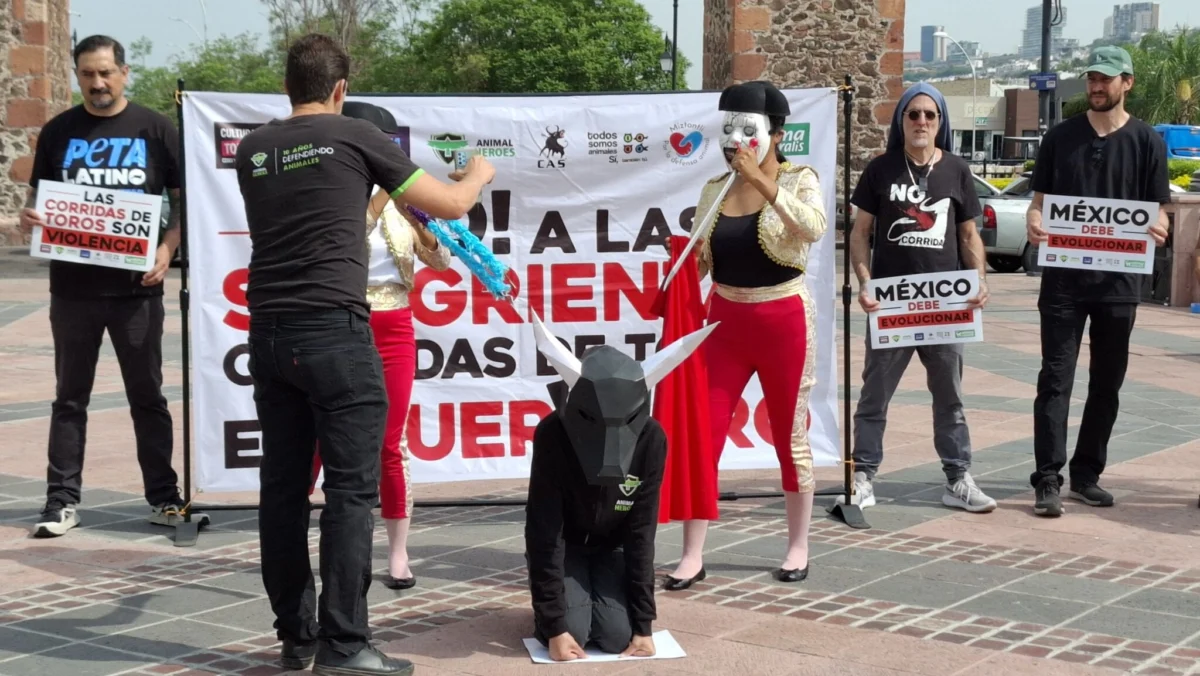
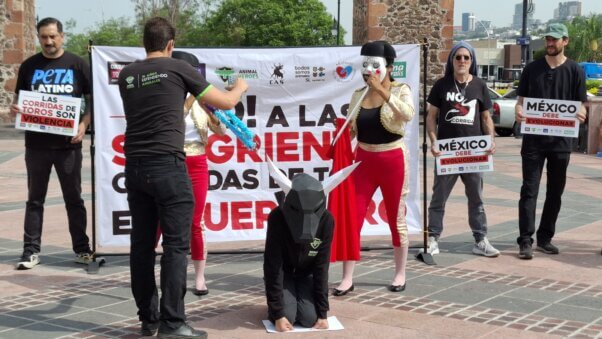
The movement led by organizations such as PETA Latino, the México Sin Toreo coalition, and Animal Heroes has been instrumental in this shift. Through a combination of public awareness campaigns, legal challenges, and political lobbying, these groups have successfully moved the issue from the fringes of social discourse to the center of the national legislative agenda.
The eventual total abolition of bullfighting in Mexico appears inevitable. The convergence of constitutional law, overwhelming public opposition, scientific evidence, and international human rights standards has created an environment where the industry can no longer justify its existence. As the final gates close on the nation’s bullrings, Mexico moves toward a future that prioritizes compassion over cruelty and modern ethics over violent tradition.

