


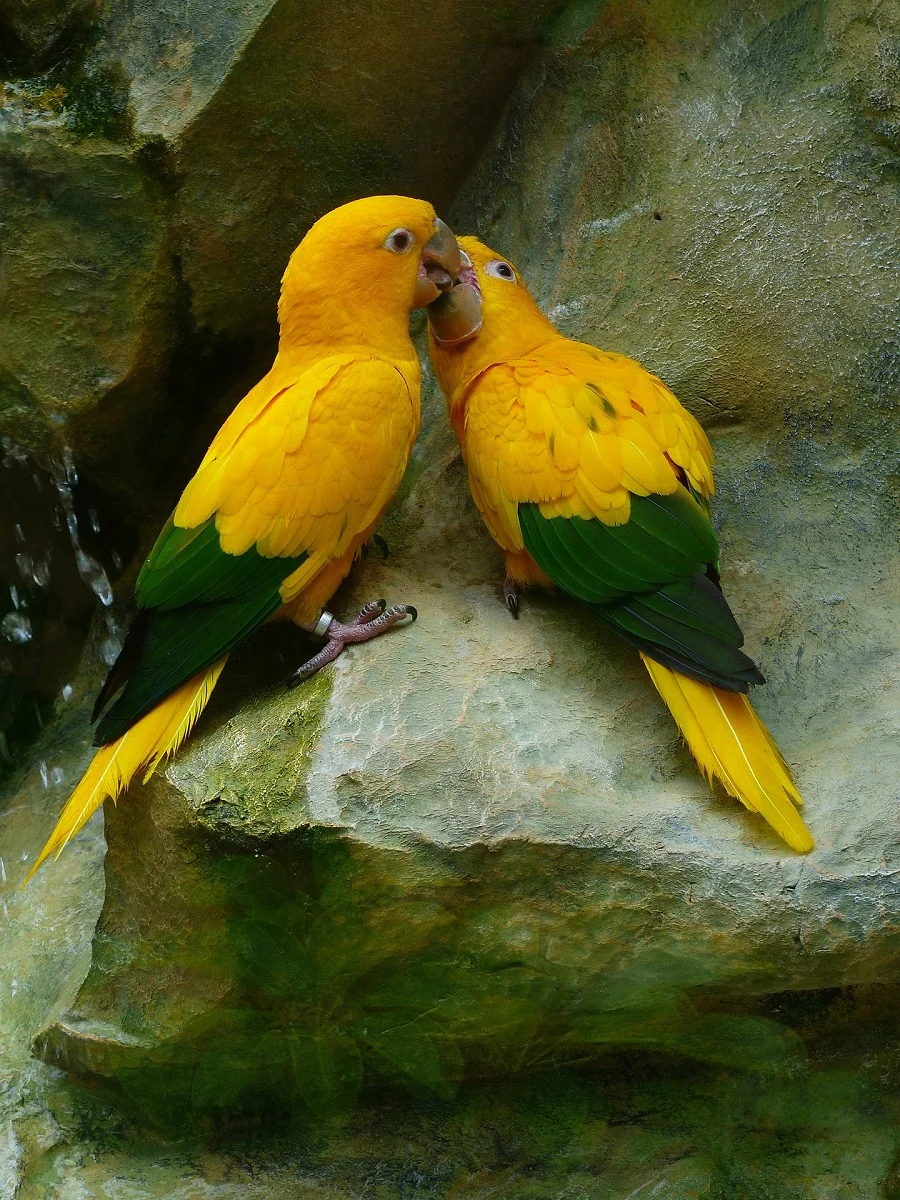
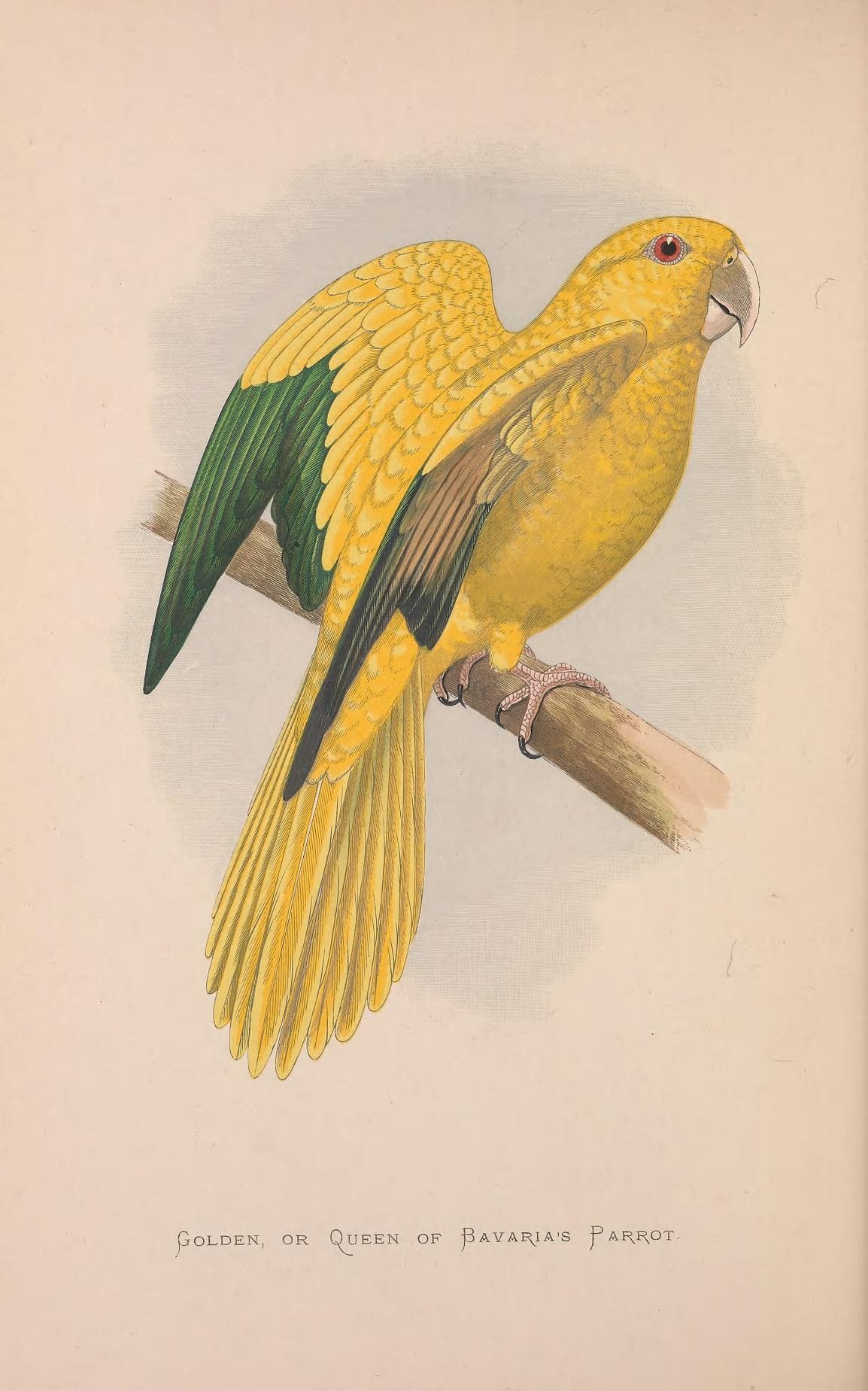
The Golden Conure, often celebrated as the "Queen of Bavaria Conure" or "Golden Parakeet," is a truly magnificent avian species, captivating enthusiasts and scientists alike with its striking uniform golden plumage. Its breathtaking beauty places it among the most visually stunning members of the entire parrot family, making it a highly sought-after companion bird and a critical subject for conservation efforts. This article delves into the intricate details of this species, exploring its unique characteristics, scientific classification, natural habitat, dietary needs, care requirements in captivity, and the broader implications for its future.
Physical Characteristics and Unique Identity
The Golden Conure, scientifically known as Guaruba guarouba, stands out not only for its vibrant coloration but also for being the sole species within its genus, Guaruba. This medium-sized parrot typically reaches up to 14 inches (35 cm) in length and weighs an average of 250 grams, possessing a proportionately large, horn-colored beak. Adult Golden Conures are almost entirely adorned in a brilliant yellow, with the striking exception of dark green wing tips, which provide a subtle yet distinct contrast. Juvenile birds, however, exhibit more green in their plumage, particularly across their wings and sometimes speckled on their backs and heads, gradually transitioning to the full golden hue as they mature. A notable aspect of their physical presentation is the lack of sexual dimorphism; males and females are visually indistinguishable, necessitating DNA testing for accurate sex determination. This singular appearance further underscores its unique position within the Psittacidae family.
A Journey Through Taxonomy: Unraveling the Golden Conure’s Scientific Name
The scientific classification of parrots, particularly their common names, can often lead to confusion due to regional variations and historical misattributions. The Golden Conure is a prime example of a species whose taxonomic journey reflects the evolving understanding of avian relationships. Initially, the species was classified under the genus Conurus, then moved to Eupsittula, and subsequently to Aratinga. For a considerable period, it was widely known as Aratinga guarouba.
However, ornithologists consistently suspected that the Golden Conure possessed unique characteristics warranting its placement in a distinct genus. This hypothesis was significantly reinforced by Joseph Forshaw’s seminal work, "Parrots of the World," in 2006, where he formally listed it as Guaruba guarouba. This reclassification gained widespread acceptance and was subsequently validated by comprehensive phylogenetic studies. A pivotal 2006 article published in Systematic Biology, utilizing mitochondrial and nuclear DNA sequences, provided compelling genetic evidence. The research demonstrated that Guaruba is more closely related to the red-shouldered macaws of the genus Diopsittaca than to the Aratinga conures, thereby confirming its status as a monotypic genus. This taxonomic shift highlights the dynamic nature of scientific classification, constantly refined by new genetic insights, and underscores the Golden Conure’s distinct evolutionary lineage.
Natural Habitat and Conservation Status: The Amazon’s Golden Jewel
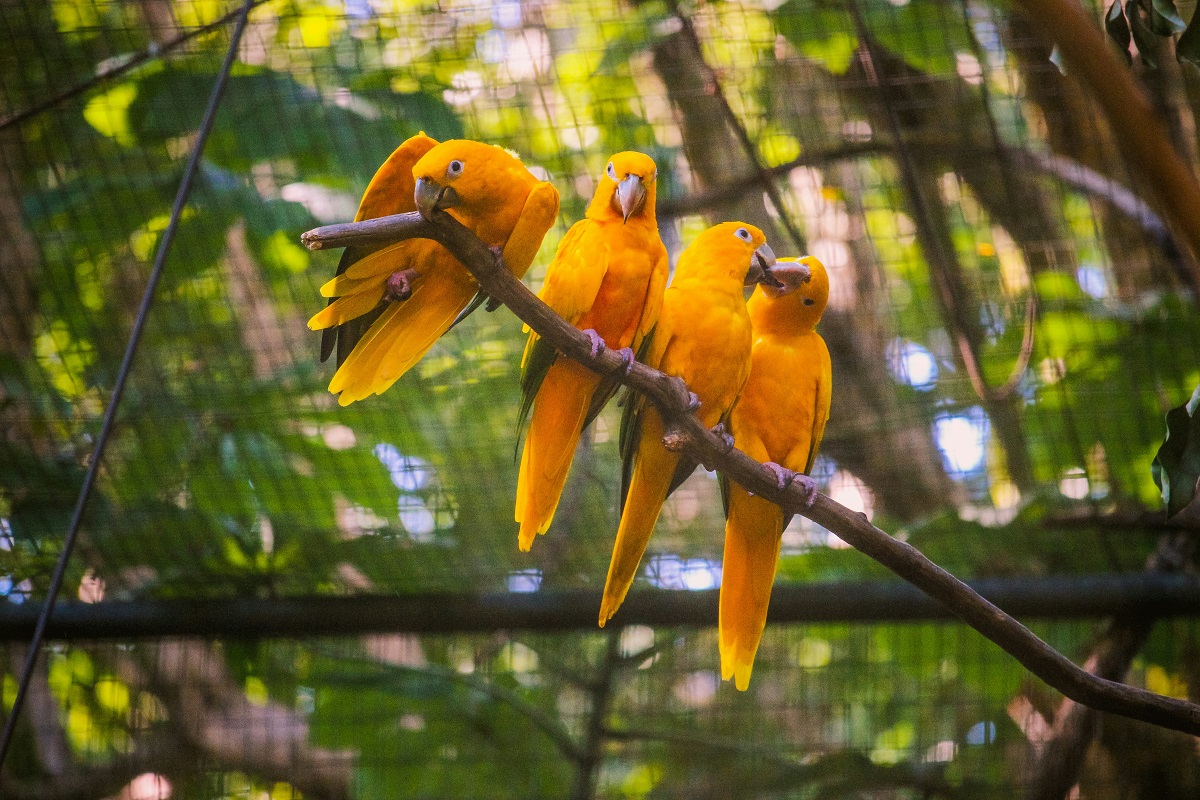
The Golden Conure is endemic to the humid, forested lowlands of the Brazilian Amazon Basin, primarily inhabiting the state of Pará, with potential populations extending into neighboring Maranhão. Within this vast ecosystem, they exhibit a preference for dry lowland (terra firme) forests but are also observed venturing into seasonally flooded areas (várzea). The species displays a nomadic tendency, particularly during the breeding season, when observed populations often shift from dense jungle environments to less vegetated zones, possibly in search of ideal nesting sites or food sources.
Nesting typically occurs in relatively isolated hollow trees, with pairs often enlarging existing cavities or utilizing those previously occupied by other species. A fascinating aspect of their reproductive biology is the propensity for communal nesting, where multiple female Golden Conures may lay their eggs in the same nest, resulting in clutches that can exceed ten eggs. This cooperative breeding strategy is relatively uncommon among parrot species and offers intriguing insights into their social structure.
Despite its resilience and unique adaptations, the Golden Conure faces significant threats to its survival. The International Union for Conservation of Nature (IUCN) Red List currently classifies Guaruba guarouba as a Vulnerable species. While the direct trapping for the international pet trade has seen a decline due to increased regulatory enforcement and CITES (Convention on International Trade in Endangered Species of Wild Fauna and Flora) protections (listed on Appendix I, which prohibits international commercial trade), the primary threat remains severe habitat fragmentation and destruction. Extensive deforestation for agriculture (cattle ranching, soy plantations), logging, mining, and infrastructure development continues to erode their natural range, diminishing both suitable nesting sites and food resources. The long-term implications of this habitat loss are profound, impacting genetic diversity and population viability. Conservation efforts are crucial, focusing on protecting remaining forested areas, establishing biological corridors, and potentially implementing reintroduction programs in suitable protected zones.
Historically, this magnificent bird held significant cultural and economic value for indigenous populations in Brazil. Locally known as "Ararajuba," meaning "yellow macaw," its vibrant golden feathers were highly prized for ceremonial purposes and adornments. This historical appreciation also led to a local trade, where, as noted in Helmut Sick’s "Ornitologia Brasileira," instances of other conure species being dyed yellow to fetch higher prices in local markets were not uncommon, highlighting the enduring allure of the Golden Conure’s distinct coloration.
Dietary Habits: Sustaining the Golden Conure in the Wild and Captivity
In their natural Amazonian environment, Golden Conures benefit from a diverse and seasonally varied diet. Scientific observations, including a 2024 study on reintroduced populations published in Diversity, confirm that their diet primarily consists of fruits. Favorite wild fruits include those from açaí and bacaba palms, as well as cashew, ice cream bean (Inga edulis), nance (Byrsonima crassifolia), and locustberry trees (Hymenaea courbaril). Beyond fruits, they also consume flowers and flower buds, indicating a broader foraging strategy. Like many other parrot species, Golden Conures occasionally venture into agricultural areas, raiding crops such as corn and mango, which can sometimes lead to conflict with local farmers.
For Golden Conures in human care, a meticulously balanced and varied diet is paramount for ensuring a long and healthy life. Unlike the wild, where seasonal availability dictates food choices, captive birds rely entirely on their caregivers for nutritional completeness. The cornerstone of a captive Golden Conure’s diet should be high-quality, veterinarian-recommended parrot pellets. These specially formulated pellets are nutritionally complete, providing a balanced intake of vitamins, minerals, and macronutrients, and are significantly lower in fat than traditional seed mixes.
While pellets form the staple, dietary variety is crucial for both physical and psychological well-being. This should include a wide array of fresh foods, such as:
- Vegetables: Leafy greens (kale, spinach, romaine lettuce), bell peppers, carrots, broccoli, sweet potato, zucchini, peas, green beans. Always ensure vegetables are thoroughly washed and free of pesticides.
- Fruits: Apples, berries (blueberries, raspberries, strawberries), mango, papaya, melon, banana, oranges. Fruits should be offered in moderation due to their sugar content.
- Healthy Grains and Legumes: Cooked brown rice, quinoa, whole-wheat pasta (plain), lentils, chickpeas.
- Limited Healthy Fats: Small amounts of unsalted nuts (almonds, walnuts) or seeds (flaxseed, chia seeds) can be offered as treats, but sparingly due to their high-fat content.
Foods to strictly avoid include avocado, chocolate, caffeine, alcohol, fruit pits/seeds (apple seeds contain cyanide), onions, garlic, mushrooms, and any processed human foods high in salt, sugar, or unhealthy fats. Providing food in a foraging setting, such as puzzle toys or hidden compartments, is highly recommended. This mimics their natural behavior of searching for food, preventing boredom, and encouraging physical activity, which is vital for preventing obesity—a common health issue in captive parrots.
Optimal Housing and Environmental Enrichment for Captive Golden Conures
Given their medium size and active nature, Golden Conures require substantial living space. For birds primarily housed in cages, a full-sized indoor aviary is ideal, providing ample room for flight and exercise. If daily out-of-cage time is consistently provided, an enclosure with a minimum width of 40 inches (1 meter) is generally considered acceptable. However, the larger the cage, the better, as it directly contributes to the bird’s welfare.
The cage environment must be thoughtfully equipped to stimulate the bird mentally and physically. This includes a variety of natural wood perches of different diameters and textures to promote foot health and prevent pressure sores. Platforms and ladders also offer additional spaces for climbing and resting. Most importantly, the cage should be overflowing with a diverse selection of parrot toys. Golden Conures are highly intelligent and playful, prone to boredom without adequate stimulation. Toys that encourage chewing, shredding, preening, and noise-making are essential. These can include destructible toys made from wood or natural fibers, foraging toys, puzzle toys, and bells. Regular rotation of toys is crucial to maintain novelty and engagement.
Beyond the primary enclosure, providing a designated "out-of-cage" space is beneficial. A cage-top playground with additional perches and toys or a dedicated parrot tree offers a safe and stimulating environment for supervised free-roaming time. This allows the conure to explore, climb, and interact with its surroundings, fulfilling its innate need for activity and exploration. Enrichment strategies extend beyond toys and perches; regular interaction with caregivers, exposure to new sights and sounds (within safe limits), and opportunities for bathing are all integral to their well-being. Before allowing a conure free reign in any room, it is imperative to parrot-proof the area, removing potential hazards such as toxic plants, electrical cords, open windows, ceiling fans, and small ingestible objects, as their inherent curiosity can lead to accidents.
Temperament and Social Dynamics: The Golden Conure as a Companion
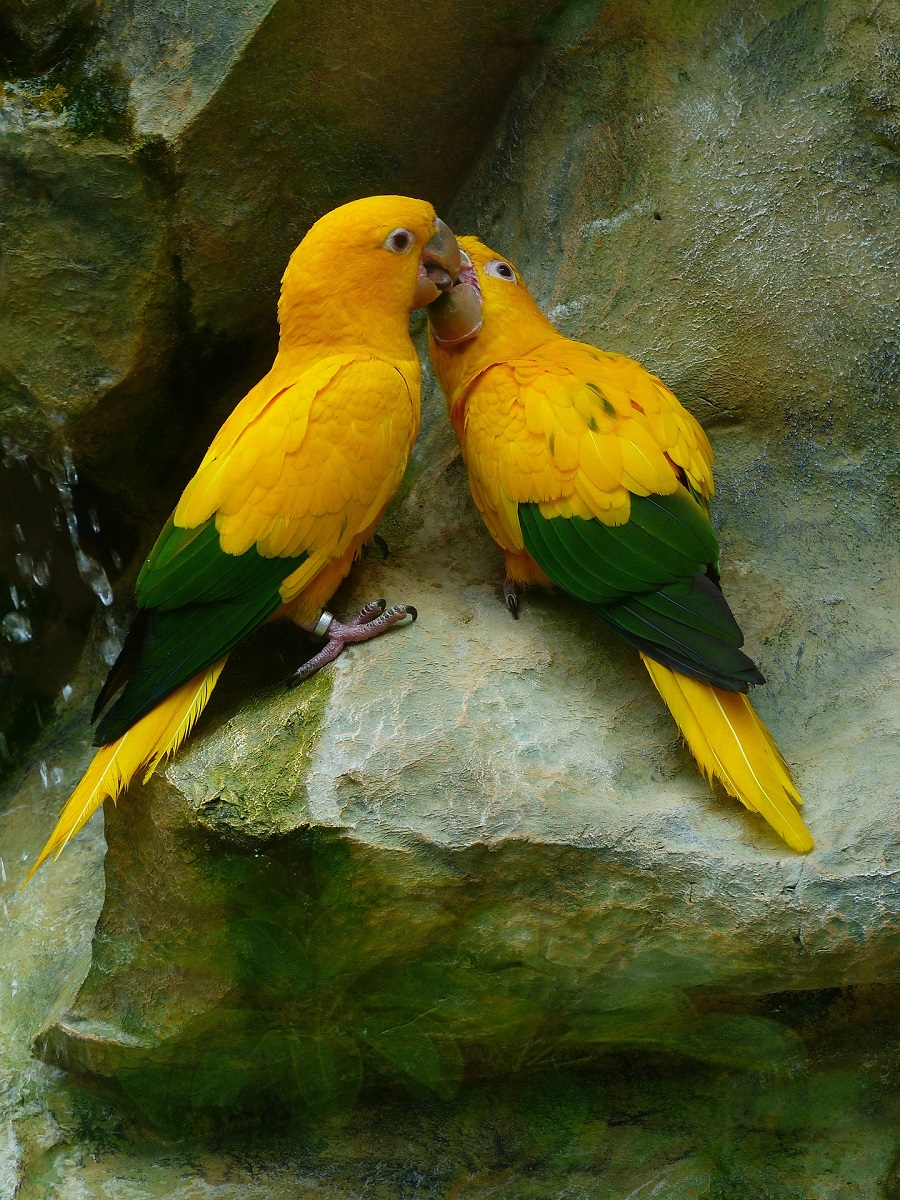
The Golden Conure’s personality is as vibrant as its plumage, making it a highly desirable companion for experienced bird owners. While individual temperaments can vary, most Golden Conures are known for their friendly, affectionate, and outgoing nature. Unlike some parrot species that bond intensely with a single individual, Golden Conures often form strong attachments with multiple family members, making them excellent pets for households with several people.
These energetic birds thrive on interaction and playtime. They are as content engaging in spirited play sessions as they are perching on a shoulder, enjoying gentle cuddles and head scratches. Their even-tempered disposition means they are generally not prone to aggression, provided they are well-socialized and receive adequate attention. However, it is crucial to understand that Golden Conures, like all parrots, are high-maintenance pets. They demand significant daily attention, social interaction, and mental stimulation. Prospective owners must be prepared to dedicate substantial time to their bird’s emotional and social needs; neglecting these can lead to behavioral issues such as excessive screaming, feather plucking, or even aggression, stemming from stress and boredom. Their intelligence and social needs underscore that they are not merely decorative birds but complex, sentient beings requiring dedicated care.
Vocalizations and Communication: Understanding the Golden Conure’s Voice
Golden Conures are not quiet birds. While their vocalizations may not reach the piercing decibels of some Aratinga conures, such as the Sun Conure, their relatively large size endows them with powerful voices. Their repertoire includes a variety of squawks, chirps, and whistles, often used to communicate with their flock (family) or express excitement, alarm, or a desire for attention. The noise level can vary between individuals, but potential owners must be prepared for a medium to high noise output, particularly during dawn and dusk or when seeking interaction. Experiencing their vocalizations firsthand by visiting a breeder or an owner is highly recommended before committing to this species.
Regarding their talking ability, while nearly all parrots possess the capacity to mimic sounds from their environment, Golden Conures are not renowned as champion talkers like African Greys or Amazon parrots. Their vocal mimicry tends to be limited to simple words, short phrases, easy tunes, and household sounds. Furthermore, their mimicked voices are often not as clear or distinct as those of other species. This characteristic means that while a Golden Conure might surprise its owner with a few words or a snippet of a song, it should not be acquired with the primary expectation of a highly verbal companion. Their primary mode of communication remains through their natural, often loud, vocalizations.
Challenges and Considerations for Prospective Owners
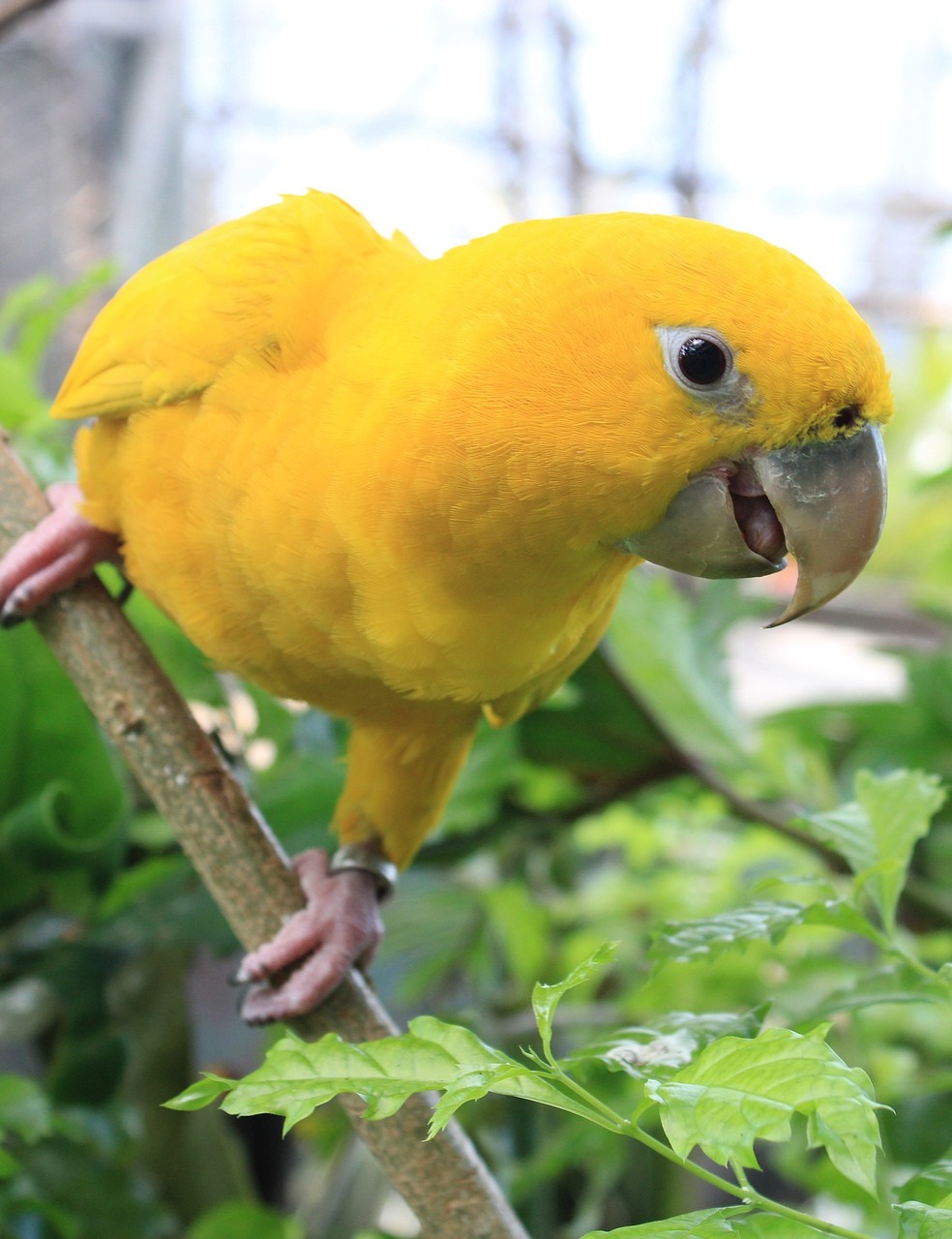
Owning a Golden Conure is a significant long-term commitment, potentially spanning up to 30 years. Their specific needs present several challenges and considerations that prospective owners must carefully evaluate:
- Time Commitment: Golden Conures require several hours of direct interaction and supervision daily. They thrive on companionship and can become distressed if left alone for extended periods.
- Noise Level: Their natural vocalizations are loud and frequent. This can be a concern for individuals living in apartments or close quarters, or for those sensitive to noise.
- Dietary Needs: A specialized diet of high-quality pellets, fresh fruits, and vegetables is more complex and potentially more expensive than a simple seed diet.
- Housing Requirements: The need for a large cage or aviary and a variety of enrichment items demands considerable space and ongoing investment.
- Veterinary Care: Like all pets, Golden Conures require regular veterinary check-ups with an avian specialist. These costs can be substantial, especially in cases of illness.
- Destructive Chewing: Their strong beaks are designed for chewing. Without appropriate chew toys, they can inflict damage on household items.
- Lifespan: A 30-year commitment requires careful planning for the bird’s care throughout various life stages, including potential changes in the owner’s circumstances.
Conservation Efforts and Ethical Ownership
The "Vulnerable" status of the Golden Conure underscores a critical ethical dimension to its ownership. While captive breeding programs have helped reduce the demand for wild-caught birds, the species remains under threat in its native habitat. Responsible ownership involves more than just providing good care; it also means supporting ethical breeding practices that prioritize the health and genetic diversity of the species, and avoiding any involvement with the illegal wildlife trade.
Conservation organizations worldwide, alongside local Brazilian agencies, are working to protect the Golden Conure. These efforts include establishing and managing protected areas, conducting population monitoring, researching their ecological needs, and implementing community engagement programs to raise awareness about the importance of forest conservation. The long-term survival of Guaruba guarouba hinges on a concerted effort to mitigate habitat destruction and ensure sustainable land use practices within the Amazon Basin. For pet owners, understanding this broader context reinforces the responsibility of providing an enriching and fulfilling life for their captive birds, recognizing them as ambassadors for their imperiled wild counterparts.
The Golden Conure is undoubtedly a breathtaking bird, offering immense joy and companionship to those prepared for the commitment. Its striking appearance, engaging personality, and complex needs make it a fascinating subject for study and a rewarding pet for the dedicated enthusiast. However, its vulnerability in the wild serves as a poignant reminder of the interconnectedness of human actions and the fate of Earth’s precious biodiversity, urging us towards greater responsibility in both care and conservation.

