


The Operational Framework of High-Stakes Event Coverage
The logistical preparation for a major corporate event begins long before the first shutter click. For a typical three-day summit at a major venue like the Stockholm Waterfront, the photographer’s day often begins in the pre-dawn hours, involving the transport of specialized equipment designed for durability and versatility. The transition from the private preparation space to the public event floor marks the beginning of an intense period of high-alert observation.
Industry standards for high-level event photography now mandate a rigorous approach to technical redundancy. Professionals typically employ a "dual-body" system, where two cameras are utilized simultaneously. This serves two primary functions: it allows for the immediate use of different focal lengths—such as a wide-angle lens for environmental shots and a telephoto lens for candid portraits—and it provides a critical fail-safe. If one camera body or lens malfunctions, the coverage continues without interruption. Furthermore, modern professional cameras are equipped with dual memory card slots, allowing for the instantaneous backup of every image as it is captured. This mitigate the risk of data corruption, a catastrophic possibility in a field where there are no "do-overs."
Chronology of a Three-Day Professional Assignment
The lifecycle of a high-tier event photography assignment is structured to maximize coverage and ensure the delivery of assets during peak engagement windows.
Phase I: The Setup and Opening (Day 1)
The initial phase involves site reconnaissance and coordination with the technical and PR teams. Photographers assess the lighting conditions of the venue, which can range from the harsh, inconsistent lighting of trade show floors to the dramatic, low-light environments of gala dinners. Establishing a rapport with the production crew is essential during this period to understand the schedule of key moments, such as ribbon cuttings, keynote addresses, or surprise performances.
Phase II: The Peak Intensity (Day 2)
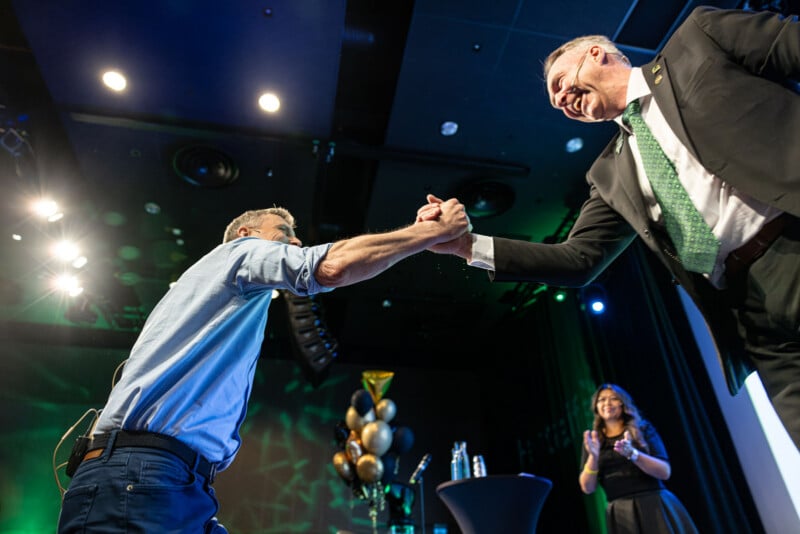
The second day usually represents the height of the event’s activity. This period requires the photographer to maintain a state of "active anticipation." Unlike studio photography, where the environment is controlled, event photography requires the professional to read the room and predict interactions. This involves identifying key stakeholders, observing body language for signs of an impending handshake or a shared laugh, and positioning oneself to capture the peak of an emotion.
Phase III: The Real-Time Delivery and Wrap (Day 3)
The final day of a major production often overlaps with the delivery phase. In the current market, clients no longer wait weeks or even days for a gallery. The expectation has shifted toward "real-time" or "near-real-time" delivery. This requires a streamlined mobile workflow where selected images are edited and transmitted to social media managers or PR agencies while the event is still in progress. This phase concludes with the final documentation of closing remarks and the post-event breakdown of equipment.
Technical Standards and Equipment Redundancy
The shift from traditional DSLR systems to mirrorless technology has significantly impacted the field. Mirrorless cameras offer silent shutters, which allow photographers to operate in quiet environments—such as during a sensitive keynote or a classical music performance—without disrupting the atmosphere.
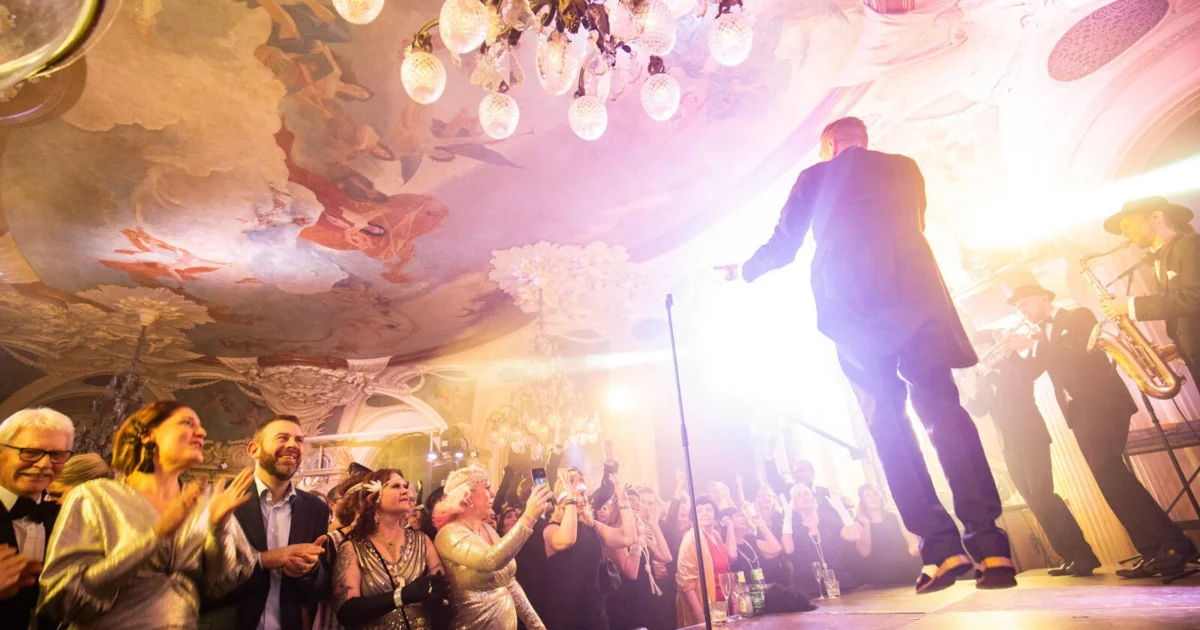
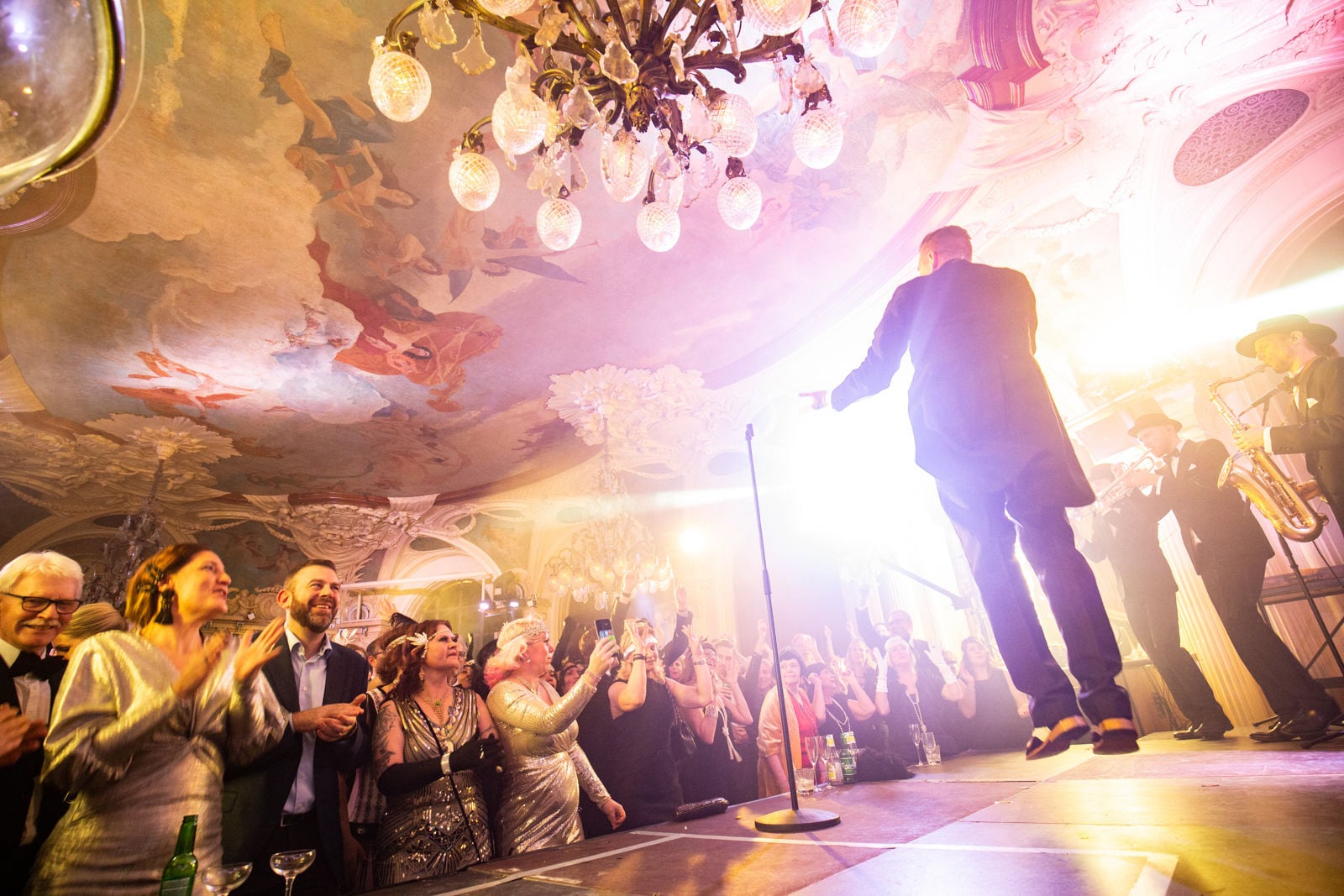
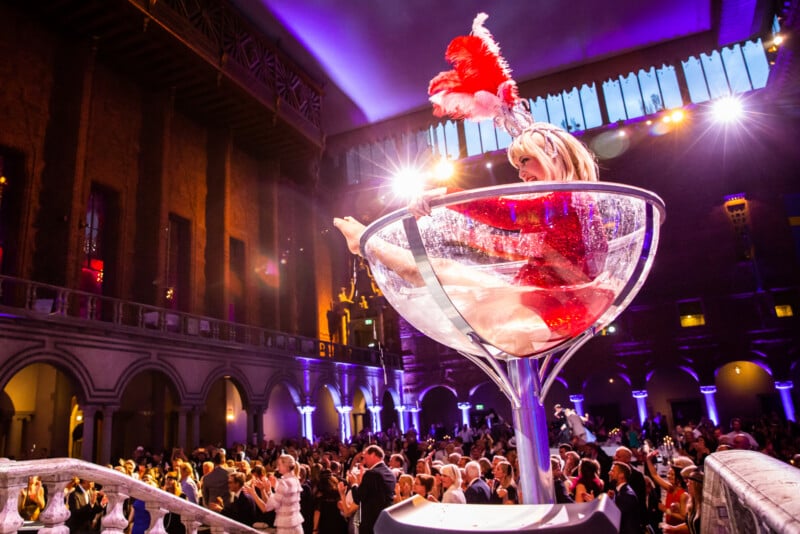
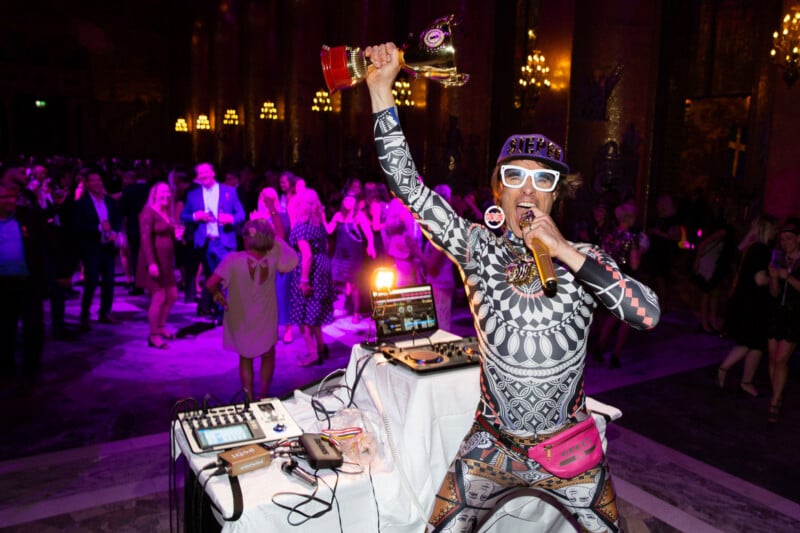
Beyond the camera bodies, the use of speedlights (external flashes) remains a point of technical mastery. Professionals must balance artificial light with the ambient atmosphere of the venue to ensure that images look natural rather than "over-flashed." The objective is to preserve the "feel" of the event—the warm glow of chandeliers or the vibrant purples and blues of stage lighting—while ensuring that the subjects are clearly illuminated and sharp.
The Psychological Dimension: The Invisible Observer vs. The Producer
A critical yet often overlooked aspect of the profession is the "human side" of the job. Successful event photographers must master the art of blending into the environment. This is often achieved through a specific dress code—typically dark, refined attire that mirrors the technical crew but remains formal enough for a corporate gala. By becoming a "background" element, the photographer allows guests to act naturally, leading to more authentic and candid imagery.
However, the role is not purely passive. There are moments where the photographer must transition into a producer role. This occurs when a specific group shot is required, an interview must be filmed, or a PR team needs a staged photo of a speaker with a specific product. This requires high-level social awareness and the ability to give clear, confident directions without being intrusive.
According to industry feedback, the ability to build trust with attendees is a significant differentiator for top-tier photographers. When guests feel comfortable with the photographer’s presence, they are more likely to engage in the genuine interactions that make for compelling visual storytelling. Small gestures, such as providing a quick digital copy of a photo to a speaker immediately after their session, serve to reinforce this professional relationship and enhance the overall service provided to the client.
Market Trends and the Rise of Hybrid Content
The event photography market is currently experiencing a shift toward "hybrid" requirements. Clients are increasingly seeking professionals who can provide both high-quality still images and short-form video content suitable for platforms like LinkedIn, Instagram, and TikTok.
Supporting Data on Digital Asset Demand
- Immediacy: Surveys of PR agencies indicate that the value of an event photo decreases by approximately 50% if it is not available for social media use within 24 hours of the event’s conclusion.
- Engagement: Visual content is 40 times more likely to be shared on social media than purely text-based content, making the photographer’s role central to the event’s digital reach.
- Video Integration: The demand for "sizzle reels"—short, high-energy video recaps—has grown by an estimated 30% in the corporate event sector over the last three years.
This evolution requires photographers to manage a complex file-management workflow. Modern professionals often use wireless transmitters or tethering systems to move files from the camera to a workstation or mobile device instantly. This allows for rapid editing and ensures that the client has "hero shots" ready for press releases before the event has even finished.
Global Logistics and International Assignments
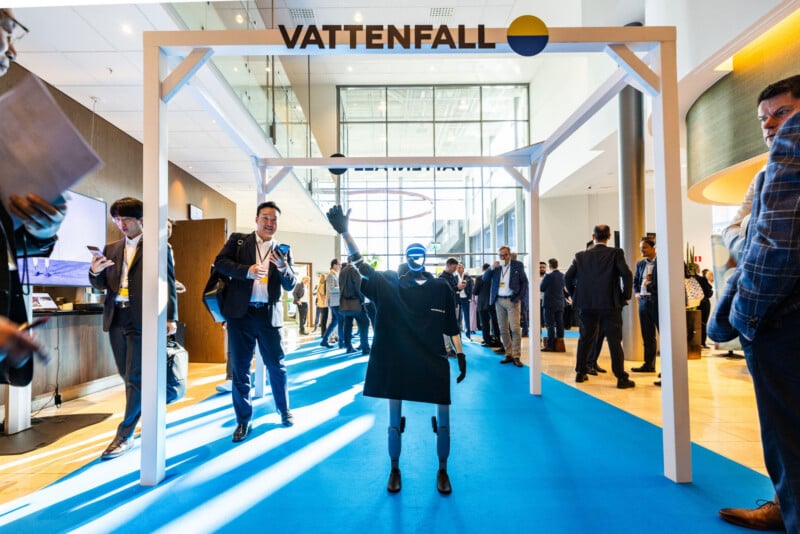
The expertise required for major Nordic venues like the Stockholm Waterfront is frequently exported to international markets. Professional event photographers based in Sweden often find themselves working in global hubs such as Los Angeles, Marrakech, Brussels, and Amsterdam. This international dimension adds another layer of logistical complexity, including the transport of lithium-ion batteries (subject to strict aviation regulations), carnet documentation for customs, and the need to adapt to different cultural norms regarding photography and privacy.
The ability to maintain a consistent standard of work across different continents is a hallmark of the modern professional. Whether shooting a small press briefing or a large-scale international production, the core principles remain the same: anticipation, technical reliability, and a deep understanding of the event’s flow.
Impact and Implications for the Industry
The professionalization of event photography has raised the barrier to entry. It is no longer sufficient to possess a high-quality camera; one must also possess the infrastructure to support it. This includes investment in high-speed data storage, professional-grade editing software, and the physical stamina to work 12-to-14-hour days under intense pressure.
The broader implication for the business world is that the photographer has become a strategic partner rather than a mere vendor. The images produced serve as the primary record of a company’s culture, its milestones, and its public-facing identity. As the digital economy continues to prioritize visual communication, the role of the event photographer will likely continue to expand, integrating more advanced technologies such as AI-assisted editing and real-time cloud-based collaboration.
In conclusion, the work of a professional event photographer is a high-stakes balancing act. It requires the technical rigor of an engineer, the eye of an artist, and the social grace of a diplomat. As demonstrated by the intense schedules at venues like the Stockholm Waterfront, the "effortless" images seen by the public are the result of meticulous planning, significant technical redundancy, and an unwavering focus on the fleeting moments that define the human experience of live events.

