


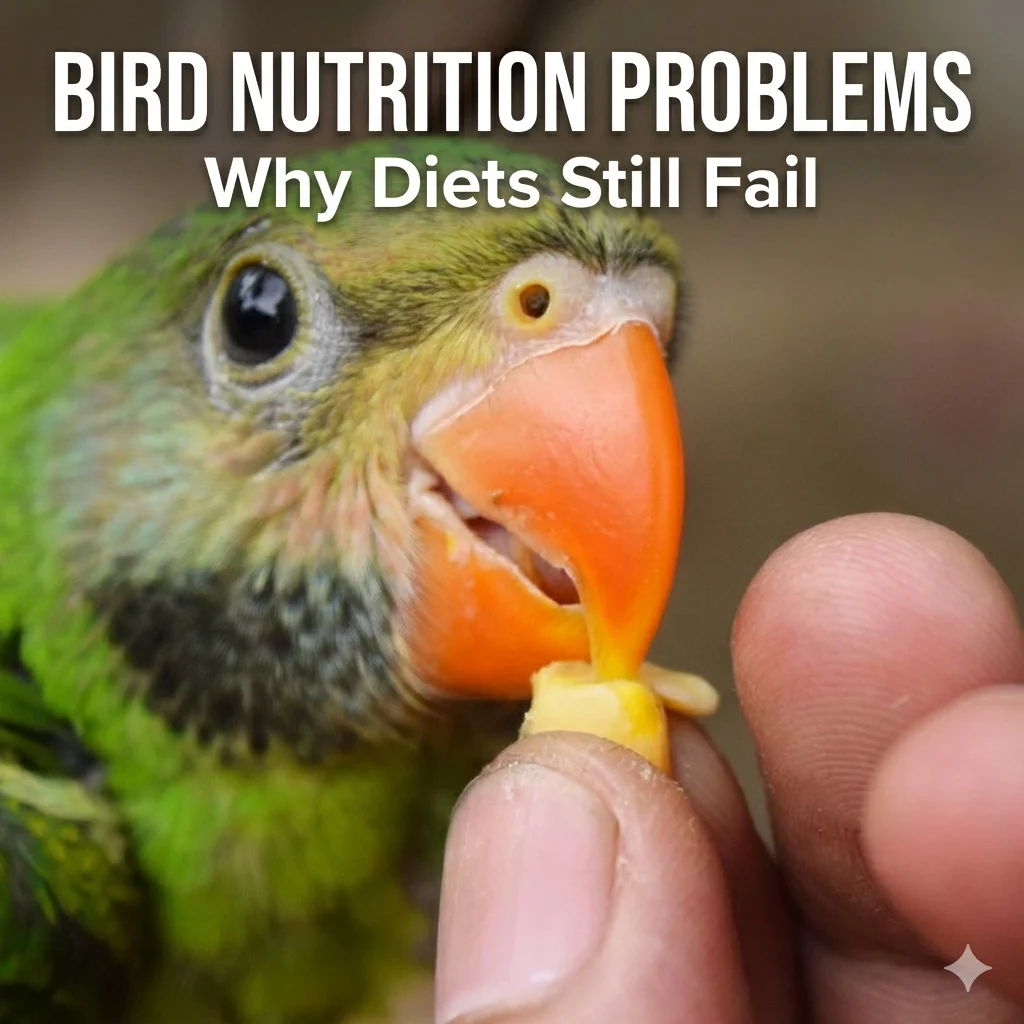
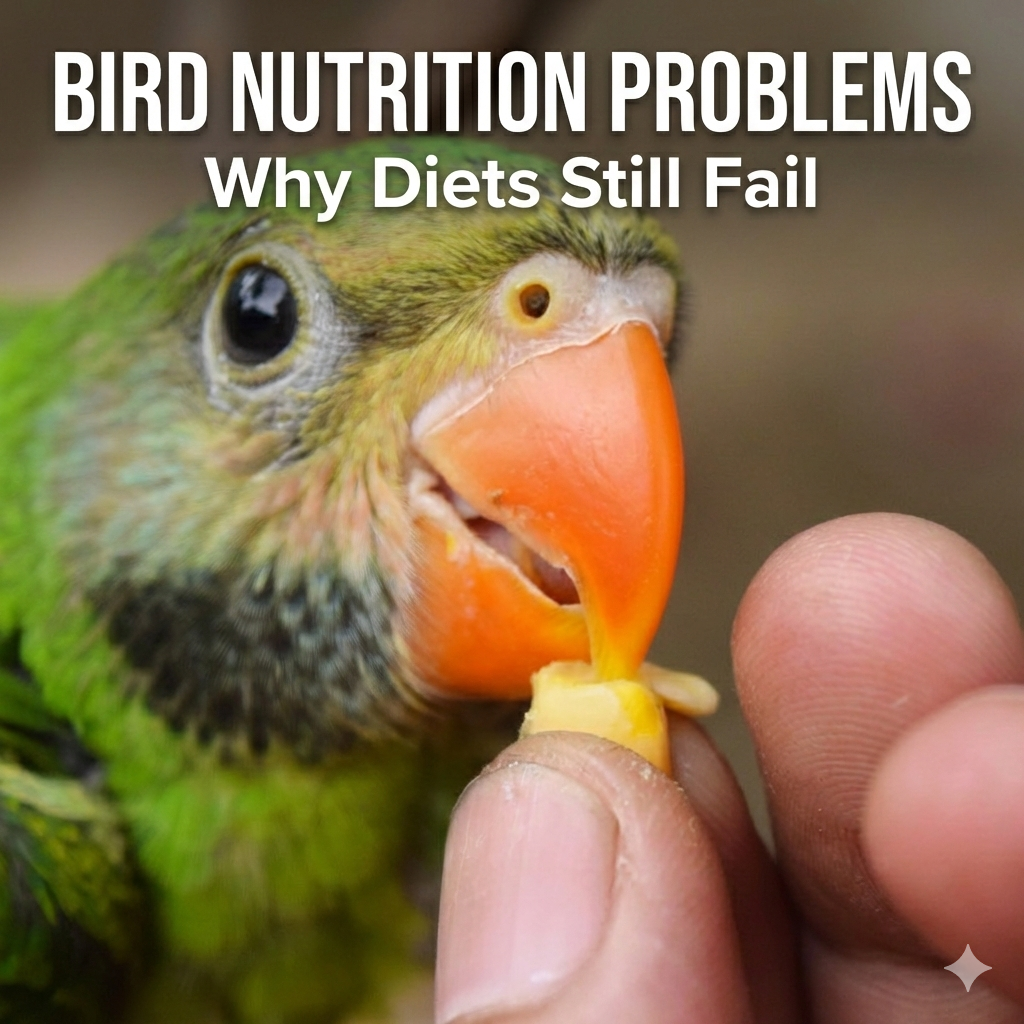
Despite diligent care and providing what appears to be a balanced diet, many captive parrots exhibit subtle yet persistent signs of ill health, ranging from weak grip and dull feathers to respiratory issues and behavioral changes. This perplexing phenomenon often stems not from a lack of owner effort, but from complex metabolic failures where nutrient intake, absorption, and activation fall out of sync. The intricate biological processes that allow a wild bird to thrive on a diverse, sun-drenched diet are often compromised in a typical indoor environment, leading to a silent epidemic of deficiencies, particularly in critical elements like calcium, vitamin D3, vitamin A, and essential amino acids.
The Metabolic Minefield: Why "Eating Well" Isn’t Enough
The notion that a bird "eats well" is frequently challenged by the reality of avian physiology. While a bowl full of high-quality pellets or fresh vegetables might seem sufficient, the journey from the bowl to the bird’s cells is fraught with potential pitfalls. The body’s ability to extract, transport, and utilize nutrients is a multi-step process. If even one step—intake, absorption, or activation—is compromised, the entire system can weaken, leading to chronic, subclinical health issues that often baffle even experienced owners. This metabolic vulnerability is particularly pronounced in psittacine species, whose evolutionary history prepared them for a vastly different dietary and environmental landscape than the typical modern home.
A common example lies in calcium metabolism. Calcium is indispensable for nerve transmission, muscle contraction, bone integrity, and eggshell formation. However, the presence of calcium in food does not automatically guarantee its availability to the body. For calcium to be absorbed efficiently from the intestinal tract into the bloodstream, adequate levels of active vitamin D3 are crucial. This vitamin acts as a key, unlocking the cellular mechanisms responsible for calcium uptake. Without sufficient D3, dietary calcium passes through the digestive system largely unutilized, rendering even a calcium-rich diet ineffective.
Silent Signals: When Good Diets Manifest Weakness
Owners often first notice subtle changes in their bird’s physical capabilities or appearance, long before overt illness strikes. These early warning signs are often dismissed or attributed to aging, masking underlying nutritional deficiencies.
Balanced Diet, Weak Grip: One of the earliest and most telling indicators of compromised calcium status is a gradual weakening of neuromuscular control. Birds may exhibit slipping toes, difficulty maintaining stability on a perch, or a general reduction in grip strength. This is not necessarily a dramatic event but a quiet, progressive decline. Studies have indicated that hypocalcemia (low blood calcium) is a prevalent issue in captive parrots, affecting up to 30% of certain species in some veterinary caseloads, often presenting initially as motor dysfunction. The nuanced interplay of calcium in nerve signaling means that even marginal deficiencies can impair fine motor skills essential for perching and manipulation.
Shorter Flights and Clumsy Landings: Calcium’s direct involvement in muscle contraction extends to high-demand activities such as flight. When circulating calcium levels are suboptimal, the precision and endurance required for sustained flight and controlled landings diminish. Owners might observe their bird hesitating before takeoff, making shorter flights, or landing less gracefully than usual. This reduced flight capability is a clear physiological consequence of compromised neuromuscular function. A 2018 study on avian locomotion highlighted that even minor electrolyte imbalances, including calcium, could significantly impact flight efficiency and muscle power output in birds.
Dull Feathers Despite Eating Pellets: Feather quality is a direct mirror of a bird’s metabolic health. During the demanding process of molt, when new feathers are grown, any underlying mineral imbalance or absorption issue can manifest. Feathers may appear thinner, duller, or structurally weaker, lacking the vibrant sheen and robust integrity characteristic of a healthy bird. Even birds consuming high-quality pellets can display compromised feather condition if their underlying calcium and trace mineral metabolism is inefficient. Essential amino acids, vital for keratin production, and trace minerals like zinc and selenium, critical for feather pigmentation and structure, are also implicated here. For instance, zinc deficiency has been directly linked to poor feather quality and delayed molting in several avian species.
The Neophobia Hurdle: Converting from Seeds to Pellets
Many parrots, especially those raised on seed-only diets, display a strong behavioral trait known as neophobia—a fear of new things, particularly new foods. This instinct, a survival mechanism in the wild to avoid potentially toxic items, makes dietary transitions a significant challenge for captive birds. A "cold turkey" approach, where familiar seeds are abruptly removed and replaced with pellets, is not only ineffective but can be dangerous, leading to rapid weight loss and even starvation. Veterinary statistics consistently show that improper diet conversion is a leading cause of stress-induced illness and even mortality in newly acquired or transitioning parrots.
Safe Transition Strategies: A successful dietary conversion prioritizes preventing weight loss while gradually introducing and building trust in the new food. The process must be slow and methodical. Strategies often involve:
- Gradual Mixing: Starting with a very small percentage of pellets mixed into the existing seed diet and slowly increasing the proportion over weeks or months.
- Wet Pellets/Chop: Soaking pellets or mixing them into "chop" (finely diced vegetables) can make them more palatable and familiar in texture.
- Social Learning: If possible, having the bird observe another bird eating pellets can encourage acceptance.
- Gram Scale Monitoring: Weekly weighing of the bird on a gram scale is paramount. A drop of more than 3-5% of body weight signals inadequate intake, necessitating a slowdown of the transition or a temporary return to more familiar foods. Caloric stability must always precede nutritional optimization.
The Pervasive Problem of Seed Dominance
While seeds are a natural part of a wild parrot’s diet, a seed-only or seed-heavy diet in captivity is almost universally recognized by avian veterinarians as nutritionally inadequate. Commercial seed mixes, often high in fat and calories, are predictably deficient in several crucial nutrients, including bioavailable calcium, vitamin A, and essential amino acids. Birds on such diets may initially appear energetic due to the high fat content, but internally, they are slowly developing nutrient imbalances that compromise feathers, immunity, bone strength, and organ function.
Predictable Nutrient Gaps:
- Vitamin A: Crucial for epithelial tissue health (lining of the mouth, sinuses, respiratory tract, digestive tract, and reproductive organs). Deficiency leads to hyperkeratosis, making tissues susceptible to infection.
- Calcium: As discussed, vital for skeletal, muscular, and neurological health. Seeds are notoriously poor sources, and their high phosphorus content can further inhibit calcium absorption.
- Trace Minerals: Zinc, iodine, selenium, and others are often lacking. Zinc is essential for immune function and feather quality, while iodine supports thyroid health.
The preference for seeds is a learned feeding behavior, driven by their texture, high fat content, and palatability, rather than a bird’s "nutritional wisdom." This "addiction" requires careful management to shift towards a more balanced dietary foundation. The ideal avian diet, as recommended by leading avian veterinarians, typically comprises 60-80% high-quality formulated pellets, 15-30% fresh vegetables, and only a small percentage of fruits, seeds, and nuts as treats. This structured approach aims to prevent the "slow nutrient drift" inherent in seed-dominant diets.
The Indoor Paradox: Pellets, Veggies, and the Missing Link
Even when birds successfully transition to pellets and consume fresh vegetables, problems can persist if a critical element for nutrient activation is missing. The most significant example is the requirement for vitamin D3 to facilitate calcium absorption. While pellets often contain synthetic vitamin D3, its activation and utilization can be suboptimal without environmental cues.
The Unseen Barrier of Glass: Many indoor parrots live in bright rooms, often near windows, leading owners to believe their birds receive adequate natural light. However, standard window glass, even clear glass, effectively blocks almost all beneficial UVB radiation. UVB is the specific wavelength of ultraviolet light required for the skin (specifically preen gland secretions) to synthesize pre-vitamin D into active vitamin D3. Without this crucial environmental input, indoor birds, regardless of their diet, may remain metabolically "under-activated," struggling to efficiently utilize dietary calcium. Research from institutions like the University of California, Davis, has repeatedly demonstrated the critical need for unfiltered UVB exposure for vitamin D3 synthesis in captive avian species.
The Efficacy of Supplements: A Question of Delivery
When deficiencies are suspected, supplements often come to mind. However, their effectiveness hinges on several variables: ingredient stability, consistent intake, and bioavailability.
Water vs. Food-Based Supplements: Water-soluble vitamin supplements, while convenient, present challenges. Many water-soluble nutrients, particularly certain vitamins, can degrade rapidly when exposed to light, heat, or even oxygen in the water dish. Furthermore, a bird’s daily water intake fluctuates significantly, making it difficult to ensure a consistent, reliable dose. If a bird drinks less on a given day, it receives less supplement; if it drinks more, it might receive an unnecessarily high dose.
Food-based delivery, by contrast, generally offers improved dose reliability. When a supplement is mixed into a measured portion of chop, soft food, or a small amount of palatable treat, owners can more accurately confirm consumption. For nutrients like calcium, magnesium, biotin, or specific amino acids that require consistent dosing for therapeutic effect, controlled food application reduces the risk of underdosing, overdosing, and waste. However, even food-based supplements must be stored properly and used within their shelf life to maintain potency. The avian veterinary community generally advocates for food-based supplementation where possible, especially for long-term management.
Targeted Support: A bird typically needs calcium, magnesium, and D3 supplementation when housed indoors without adequate UVB, during egg-laying cycles, if exhibiting weak grip or seasonal neuromuscular decline, or if experiencing recurring thin-shelled eggs. A properly formulated combination is essential, as isolated calcium dosing can lead to imbalances.
The Winter Worsening: Seasonal Decline in Captive Birds
Many pet parrots trace their ancestry to tropical or subtropical regions where daylight length and intensity remain relatively stable year-round. In northern latitudes, the dramatic reduction in daylight hours and weakening sunlight intensity during winter significantly impacts captive birds.
Reduced UVB and D3 Synthesis: Shorter, weaker winter days mean reduced natural UVB exposure for any bird that gets outdoor time, and absolutely none for indoor birds whose light sources remain constant but are still blocked by glass. This directly translates to reduced endogenous vitamin D3 synthesis, leading to compromised calcium utilization, even if dietary calcium intake remains constant. This is why subtle signs of weakness or decline often become more apparent in late winter or early spring.
Impact on Circadian Rhythms and Hormones: Light exposure is a powerful regulator of circadian rhythms, hormone signaling, and metabolic stability. Inconsistent or drastically shortened photoperiods, common in northern winters, can disrupt a parrot’s internal clock. This can trigger a range of issues, including irritability, reduced activity levels, a worsening of grip strength, or problems with molt quality. The physiological expectation of tropical consistency clashes with environmental shifts, leading to behavioral and structural declines. Research into avian photoperiodism has extensively documented how light cycles influence reproductive hormones, stress responses, and even immune function in birds.
Diagnosing the Dilemma: When to Seek Expert Help
The symptoms of vitamin A deficiency and hypocalcemia can often mimic other serious illnesses, making accurate diagnosis crucial. Both excessively low and excessively high levels of certain nutrients can cause severe health complications, underscoring the danger of self-diagnosis and indiscriminate supplementation.
Signs of Vitamin A Deficiency:
- Blunting or "cobblestone" appearance of choanal papillae: Small, finger-like projections on the roof of the mouth become rounded or flattened.
- Nasal discharge or crusting: Thickened epithelial lining impairs mucous flow and immunity.
- Swelling around the eyes or eyelids (periorbital swelling): Due to blocked tear ducts or sinus infections.
- Dyspnea (difficulty breathing) or sneezing: Impaired respiratory tract lining.
- Poor feather quality or color changes: Due to compromised keratin production.
- Footpad lesions: Hyperkeratosis can affect the skin of the feet.
- Oral abscesses or plaques: White, cheesy material in the mouth or throat.
- Lethargy and poor appetite: General signs of systemic illness.
These changes develop gradually and are often mistaken for "just getting older." While a balanced diet rich in beta-carotene (precursor to Vitamin A) from dark leafy greens, carrots, and sweet potatoes is key, excess synthetic vitamin A can burden the liver, highlighting the delicate balance required.
Signs of Hypocalcemia (Calcium Deficiency):
- Weak grip strength, slipping on perches: Early neuromuscular dysfunction.
- Tremors or seizures (in severe cases): Indicative of acute calcium crash affecting nerve function.
- Shorter, clumsy flights, hesitation before takeoff: Impaired muscle contraction.
- Lethargy, reduced activity: General systemic weakness.
- Thin-shelled or soft-shelled eggs (in laying hens): Direct impact on calcium mobilization.
- Bone deformities or pathological fractures (in chronic cases): Weakened skeletal structure.
- Difficulty stabilizing on a perch: Subtle loss of balance.
Calcium regulates nerve transmission and muscle contraction. When circulating calcium levels drop, neuromuscular weakness appears first, often subtly, before progressing to a crisis. Conversely, excessive calcium can lead to soft tissue mineralization, kidney strain, and metabolic imbalances.
When to Call an Avian Vet Immediately: Certain symptoms warrant immediate veterinary attention, as they are not "watch and wait" signs. These include:
- Acute onset seizures or tremors.
- Severe lethargy, inability to perch, or collapse.
- Persistent difficulty breathing or open-mouth breathing.
- Sudden, significant weight loss (more than 5% in 24-48 hours).
- Profuse vomiting or diarrhea.
- Any visible blood.
An avian veterinarian can perform crucial diagnostic tests such as blood calcium and vitamin A/D3 levels, radiographs to assess bone density, and biopsies to examine tissue changes. They can also differentiate these deficiencies from other serious conditions like bacterial, viral, or fungal infections, heavy metal toxicity, or organ failure.
Holistic Solutions: A Path to Avian Wellness
Effectively addressing nutritional deficiencies in parrots typically requires a multi-pronged approach that targets intake, absorption, and activation simultaneously. Correcting one variable while ignoring others often leads to only partial improvement.
Correcting Vitamin A Deficiency:
- Introduce Vitamin A-rich foods: Dark leafy greens (kale, collards), carrots, sweet potatoes, bell peppers.
- Ensure pellet foundation: High-quality formulated pellets typically contain balanced vitamin A.
- Avoid excessive synthetic supplementation: Only supplement under veterinary guidance, as hypervitaminosis A can be toxic.
- Monitor tissue health: Observe improvement in oral tissue color, reduction of nasal debris, and feather quality.
Installing a Safe UVB Bird Light:
- Glass blocks UVB: Position UVB lights so they are not filtered by glass.
- Appropriate spectrum: Use avian-specific UVB bulbs that emit wavelengths between 290-320 nm.
- Correct distance and duration: Follow manufacturer guidelines for optimal distance (typically 12-18 inches) and daily exposure (8-12 hours), ensuring no obstruction between the bulb and the bird.
- Regular replacement: UVB output degrades over time, even if the bulb still appears bright. Replace bulbs every 6-12 months as recommended by the manufacturer.
Using Calcium, Magnesium, and D3 Together:
- Integrated approach: Calcium alone is insufficient; D3 activates absorption, and magnesium supports calcium regulation and neuromuscular signaling.
- Targeted supplementation: Indicated for indoor birds, egg-laying hens, birds with weak grip, or those showing seasonal decline.
- Measured dosing: Over-supplementation can be detrimental, stressing kidneys and soft tissues. Dosing must be species-appropriate and ideally guided by a veterinarian.
Key Principle: Intake matters. Absorption matters. Activation matters. If one fails, the bird fails.
Birds do not fail because their owners do not care. They fail when one crucial link in the complex metabolic chain is missing or compromised. When intake, absorption, and activation are aligned through a structured diet, appropriate environmental light exposure, and targeted support when needed, remarkable improvements can be observed. Strength returns, grip improves, feathers regain their structure and vibrancy, and overall energy stabilizes. The partnership between a diligent owner and a knowledgeable avian veterinarian is paramount in preventing and addressing these often-hidden nutritional challenges, ensuring a long and healthy life for companion parrots. The journey from understanding these complex interdependencies to implementing effective, holistic solutions is the bedrock of advanced avian care.

