


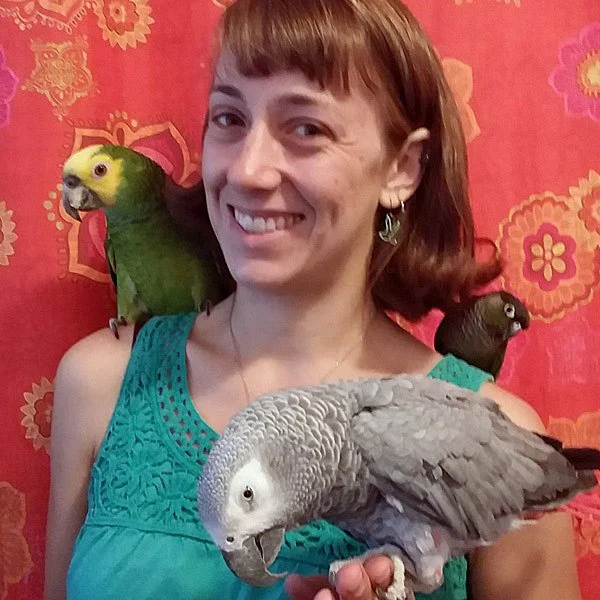
This upcoming webinar serves as a vital continuation of the "Avian Vet Insider" series, an educational initiative designed to foster ongoing professional development and enhance the quality of care for pet birds. The first installment of this particular series provided foundational insights into common avian cancers, specifically delving into dermatological neoplasms and reproductive tract tumors. These initial discussions underscored the varied presentations of cancer in birds, a topic often challenging due to the inherent subtlety of symptoms in many avian species and the specialized diagnostic approaches required. The May 8th session is poised to build upon this foundation, offering a deeper exploration into cancers affecting other critical organ systems, thereby completing a holistic overview of avian neoplasia.
The Growing Challenge of Avian Neoplasia
Neoplasia, or the uncontrolled growth of abnormal cells, represents a significant health concern across the animal kingdom, and birds are no exception. As companion birds become increasingly integrated into households and benefit from improved husbandry and veterinary care, their lifespans are extending, leading to a higher incidence of age-related diseases, including various forms of cancer. Veterinary literature consistently highlights that neoplasia is a leading cause of morbidity and mortality in pet birds, with prevalence rates varying widely depending on species, age, and environmental factors. For instance, certain species like Budgerigars (Melopsittacus undulatus) are notoriously predisposed to specific tumors, such as renal adenocarcinomas and lipomas, while Cockatiels (Nymphicus hollandicus) frequently present with reproductive tract tumors.
The challenge in avian oncology stems from several factors. Firstly, the small size and unique physiology of many avian patients can complicate both diagnosis and treatment. Secondly, birds are masters at masking signs of illness, often displaying only subtle behavioral changes or non-specific symptoms until the disease is advanced. This inherent stoicism means that by the time overt clinical signs manifest, the prognosis may already be guarded. Thirdly, the comparatively limited research and specialized resources dedicated to avian cancer, when contrasted with companion mammalian oncology, present ongoing hurdles for veterinarians. Webinars like "Avian Vet Insider" are therefore indispensable in bridging these knowledge gaps and disseminating the latest advancements to a wider audience.
Dr. Stephanie Lamb: A Leading Voice in Avian Medicine
The choice of Dr. Stephanie Lamb to lead this crucial series underscores her standing as a respected expert in avian veterinary medicine. While the original content does not detail her full credentials, her repeated engagement in significant educational programs implies a deep specialization in exotic animal medicine, particularly avians. Professionals like Dr. Lamb are at the forefront of translating complex scientific understanding into practical, actionable insights for practitioners and owners alike. Her expertise likely encompasses not only the theoretical aspects of avian pathology but also extensive clinical experience in diagnosing and managing these challenging cases, offering attendees a blend of academic rigor and real-world applicability. Her ability to articulate intricate medical concepts, as demonstrated through her previous contributions to such educational series, makes her an ideal facilitator for discussions on a topic as sensitive and complex as avian neoplasia.
Part 2: A Deeper Dive into Gastrointestinal and Systemic Cancers

While Part 1 laid the groundwork by addressing visible and often more readily identifiable skin cancers and highly prevalent reproductive tract tumors, Part 2 will pivot to cancers affecting the internal systems, specifically highlighting the gastrointestinal tract. Neoplasms of the avian gastrointestinal tract can be particularly insidious due to their often non-specific clinical signs, which may include weight loss, regurgitation, changes in droppings, lethargy, or a palpable abdominal mass. Common types can range from adenocarcinomas of the proventriculus or ventriculus to lymphosarcoma affecting various parts of the digestive system. Diagnosing these internal cancers often requires advanced imaging techniques such as radiography, ultrasonography, or computed tomography (CT), coupled with endoscopic examination and biopsy for definitive histological confirmation.
Beyond the gastrointestinal tract, the webinar is expected to cover a spectrum of other neoplastic disorders that can manifest in various organ systems. This could include, but is not limited to:
- Hepatic Neoplasia: Tumors of the liver, such as hepatocellular carcinoma or cholangiocarcinoma, which can severely impair metabolic functions.
- Renal Neoplasia: Kidney tumors, particularly noted in species like budgerigars, leading to signs like lameness if the tumor impinges on the sciatic nerve.
- Hematopoietic Neoplasia: Lymphoma and leukemia, affecting the blood-forming tissues, often presenting with systemic signs of illness.
- Endocrine Neoplasia: Tumors of endocrine glands, such as the thyroid or adrenal glands, which can lead to hormonal imbalances and a range of clinical signs.
- Musculoskeletal Neoplasia: Sarcomas affecting bone or muscle tissue, potentially causing lameness, swelling, or pathological fractures.
- Central Nervous System Neoplasia: Brain or spinal cord tumors, leading to neurological deficits.
Understanding the varied presentations and diagnostic challenges associated with these internal cancers is paramount for avian veterinarians. The webinar will likely delve into the nuances of diagnostic work-up, including the interpretation of blood work, advanced imaging techniques, and the critical role of histopathology. Furthermore, discussions will extend to therapeutic options, which often include surgical resection where feasible, chemotherapy protocols adapted for avian physiology, radiation therapy (though less commonly available for avian patients), and crucial supportive care measures aimed at improving the patient’s quality of life. Palliative care strategies, focusing on pain management and comfort, are also an integral part of managing advanced or incurable cases.
The Broader Impact and Implications of Continuing Education
The "Avian Vet Insider" series, and specifically this two-part focus on neoplasia, reflects a broader trend in veterinary medicine towards specialization and continuous learning. For avian veterinarians, staying abreast of the latest research and clinical practices is not merely advantageous but essential for providing optimal patient care. These webinars facilitate the rapid dissemination of new knowledge, diagnostic tools, and therapeutic strategies, directly influencing clinical outcomes.
For pet bird owners, access to such high-caliber information, even if primarily aimed at professionals, indirectly benefits their companions. An informed veterinary community means better preventive care, earlier diagnosis, and more effective treatment plans. Moreover, educational initiatives like this empower owners to ask more pertinent questions, recognize subtle signs of illness, and make informed decisions regarding their bird’s health in collaboration with their veterinarian. The ability to access these sessions virtually also democratizes access to specialized knowledge, allowing practitioners and enthusiasts from diverse geographical locations to participate without the logistical constraints of in-person conferences.
The commitment of organizations, implicitly Lafeber Company given the source, to sponsoring and organizing such comprehensive educational platforms further underscores the recognition of the specialized needs of avian health. Such initiatives contribute significantly to the advancement of exotic animal medicine as a whole, fostering a community of practice that is continually learning and evolving. The timeline of this series, occurring in 2026, also highlights the forward-looking nature of veterinary education, emphasizing long-term planning for sustained knowledge transfer and professional development.
In conclusion, the "Avian Vet Insider – Avian Neoplasia, Part 2" webinar is more than just an informational session; it is a critical component in the ongoing effort to improve the lives of companion birds. By offering in-depth insights into the intricate world of avian cancers, led by an expert like Dr. Stephanie Lamb, the event promises to arm attendees with the knowledge necessary to navigate the complexities of diagnosis and treatment. The emphasis on gastrointestinal and other systemic cancers ensures a comprehensive understanding, building upon previous discussions of skin and reproductive tumors. As avian medicine continues to advance, such educational forums remain indispensable in shaping a future where birds receive the most informed and compassionate care possible. Participants are reminded to mark their calendars for Friday, May 8th, 2026, at 12:00 p.m. PST, and to confirm their local time using the provided converter to ensure timely attendance.

