


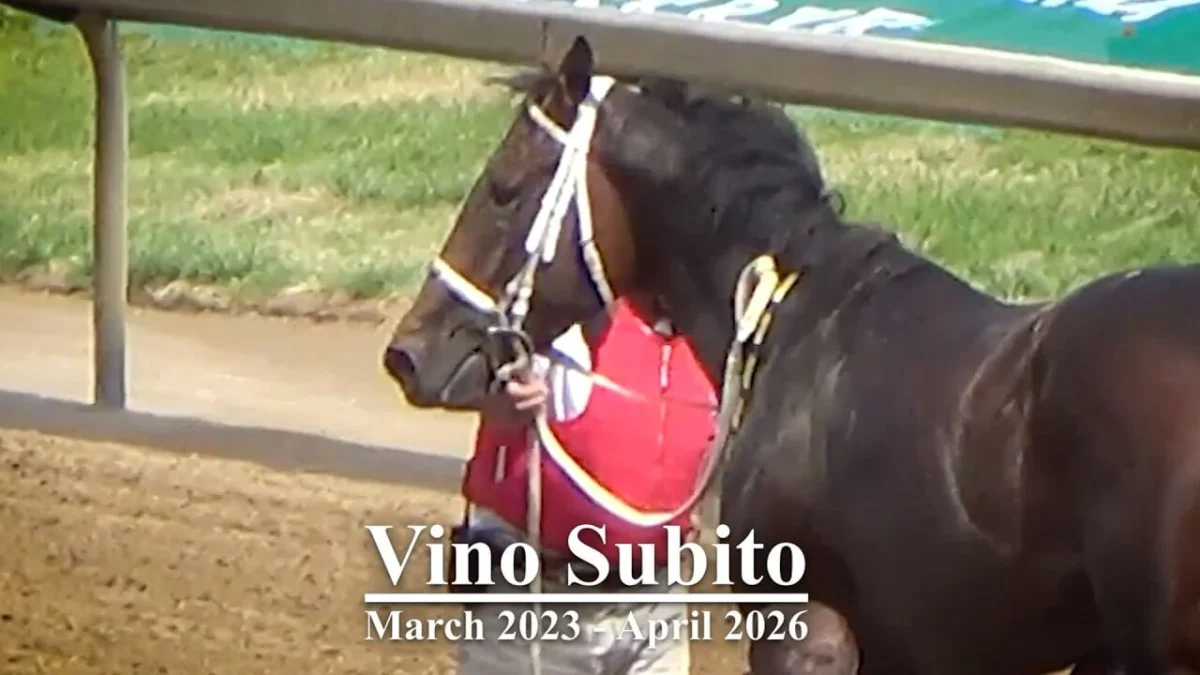
The integrity of Churchill Downs, one of the most storied institutions in American Thoroughbred racing, is once again under intense scrutiny following allegations that the organization failed to disclose the death of a three-year-old colt during the lead-up to the 152nd Kentucky Derby. The horse, Vino Subito, reportedly suffered a catastrophic injury during a race in late April 2026, but his subsequent euthanasia was not publicly announced by the track officials, leading to accusations from animal welfare advocates that the corporation prioritized brand management over transparency during its most lucrative operational window.
The Incident and Timeline of Events
The events began on April 28, 2026, during the seventh race at Churchill Downs. Vino Subito, a three-year-old colt, was competing in a standard stakes event when he suffered a severe breakdown. According to eyewitness accounts and footage captured by investigators from People for the Ethical Treatment of Animals (PETA), the horse sustained a catastrophic leg injury that required immediate intervention. Emergency track personnel and veterinary teams were deployed to the track, where they stabilized the animal before loading him into an equine ambulance for transport to an off-site medical facility.
While the injury itself was visible to those in attendance, the outcome of the medical intervention remained unknown to the public for several days. PETA representatives, who had been monitoring the track’s safety record, reportedly reached out to Churchill Downs management for updates on the colt’s condition. It was later uncovered that Vino Subito was euthanized on April 30, 2026, just two days after the injury occurred.
Despite the fatality occurring during the high-visibility "Derby Week," Churchill Downs did not issue a press release or update its public injury database regarding the horse’s death. This silence coincided with the arrival of thousands of spectators and international media outlets in Louisville for the Kentucky Derby, an event that generates hundreds of millions of dollars in economic activity for the region and the racing industry.
Transparency Concerns and PETA’s Response
The lack of immediate disclosure has sparked a formal protest from PETA, which has long been a critic of Churchill Downs’ safety protocols. In a formal letter addressed to Bill Carstanjen, the CEO of Churchill Downs Incorporated (CDI), PETA demanded a fundamental shift in how the organization handles injury reporting. The advocacy group is calling for a policy of immediate and complete public disclosure for every serious injury and fatality that occurs at both the main Churchill Downs track and its associated training facilities.
In its communication, PETA argued that the decision to withhold information regarding Vino Subito’s death was a calculated business move designed to protect the "Derby" brand from negative publicity during its peak season. The group emphasized that horses are sentient beings with complex emotional lives, noting that Vino Subito was more than just a "line item" on a financial ledger. They asserted that the industry cannot claim to prioritize animal welfare while simultaneously obscuring the fatal consequences that often accompany high-stakes racing.
A Recurring Pattern of Fatalities
The controversy surrounding Vino Subito is not an isolated incident but rather part of a broader, documented struggle with equine safety at the Louisville track. Historical data indicates that Churchill Downs has faced significant challenges in reducing fatality rates over the past several years.
In 2023, the track made international headlines when it was forced to suspend racing operations following the deaths of twelve horses in the weeks surrounding the Kentucky Derby. The suspension was a rare and drastic measure intended to allow for an independent review of the track surface and veterinary practices. Despite these interventions, the numbers remained high in subsequent seasons.
By the conclusion of 2025, data uncovered by investigators revealed a significant discrepancy between initial public reports and the actual death toll. While early reports suggested five horses had died at the track or its training facilities, further investigation confirmed that the real number was 13 by August of that year. By the end of December 2025, the total number of confirmed fatalities at Churchill Downs-affiliated properties had risen to 19. This trend has led critics to question whether the reforms implemented after the 2023 crisis were sufficient to address the underlying systemic issues.
Recent Injuries and High-Stakes Consequences
The injury to Vino Subito followed another high-profile incident just days earlier involving Gosger, a four-year-old graded-stakes winner. Gosger, who rose to prominence after a second-place finish in the 2025 Preakness Stakes, suffered a career-ending injury during a training session at Churchill Downs.
The loss of a high-caliber athlete like Gosger, combined with the fatal breakdown of a young prospect like Vino Subito, has intensified the debate over the physical toll that modern racing and training schedules take on Thoroughbreds. Veterinary experts often point to a combination of factors—including track surface consistency, genetic predispositions, and the use of certain medications—as contributors to catastrophic breakdowns. However, without transparent data from the tracks themselves, independent researchers struggle to identify the exact cause of these clusters of injuries.
Broader Implications and Corporate Expansion
The scrutiny of Churchill Downs’ reporting practices comes at a pivotal moment for the corporation. Churchill Downs Incorporated recently announced a landmark deal to acquire the intellectual property rights to the Preakness Stakes and the Black-Eyed Susan Stakes, two of the most significant events in Maryland racing. This move effectively gives CDI a dominant stake in the Triple Crown series.
This expansion has raised alarms among Maryland-based advocates and national regulators. PETA’s letter to CEO Bill Carstanjen specifically highlighted concerns that the "hide it and move on" culture allegedly present in Louisville could be exported to Maryland’s racing circuit. As Churchill Downs takes over the management and branding of the Preakness, there is mounting pressure for the organization to adopt a gold standard of transparency that aligns with the Horseracing Integrity and Safety Authority (HISA) regulations.
The Role of HISA and Regulatory Oversight
The Horseracing Integrity and Safety Authority (HISA) was established by Congress to create uniform safety and integrity standards for the American horseracing industry. Under HISA, tracks are required to report certain injuries and adhere to strict medication and surface-testing protocols.
The allegations against Churchill Downs regarding Vino Subito raise questions about whether the track is meeting the spirit, if not the letter, of these federal regulations. While tracks are required to report fatalities to HISA, there is often a delay between the reporting of an incident to regulators and the information becoming available to the general public. Advocates argue that for a sport that relies heavily on public wagering and social license, "delayed transparency" is equivalent to a lack of transparency.
Economic Impact vs. Ethical Responsibility
The Kentucky Derby is the primary driver of revenue for Churchill Downs. In 2025, the event saw record-breaking wagering handles, and the 2026 season was expected to follow a similar trajectory. The economic pressure to maintain a "clean" image during the first week of May is immense. A single publicized death can lead to calls for boycotts, increased regulatory oversight, and a decline in sponsorship revenue.
However, industry analysts suggest that the strategy of silence may ultimately backfire. In an era of instant social media and independent investigative journalism, the "discovery" of a hidden death often causes more reputational damage than an immediate, honest disclosure would have. The modern consumer, particularly the younger demographic the racing industry is desperate to attract, values corporate social responsibility and ethical transparency.
Conclusion and Future Outlook
As of mid-May 2026, Churchill Downs has not issued a formal rebuttal to the specific claims regarding the timing of Vino Subito’s euthanasia disclosure. The racing world now looks toward the remainder of the Triple Crown season with a mixture of anticipation and apprehension.
The death of Vino Subito serves as a stark reminder of the inherent risks of the sport and the ongoing tension between tradition and reform. For Churchill Downs, the challenge will be to prove to the public, the regulators, and the advocates that it can manage the most prestigious events in racing with a level of transparency that matches its storied history. Until then, the calls for accountability are likely to grow louder, with activists urging fans to reconsider their support of the Triple Crown races as long as the "culture of silence" persists.

