


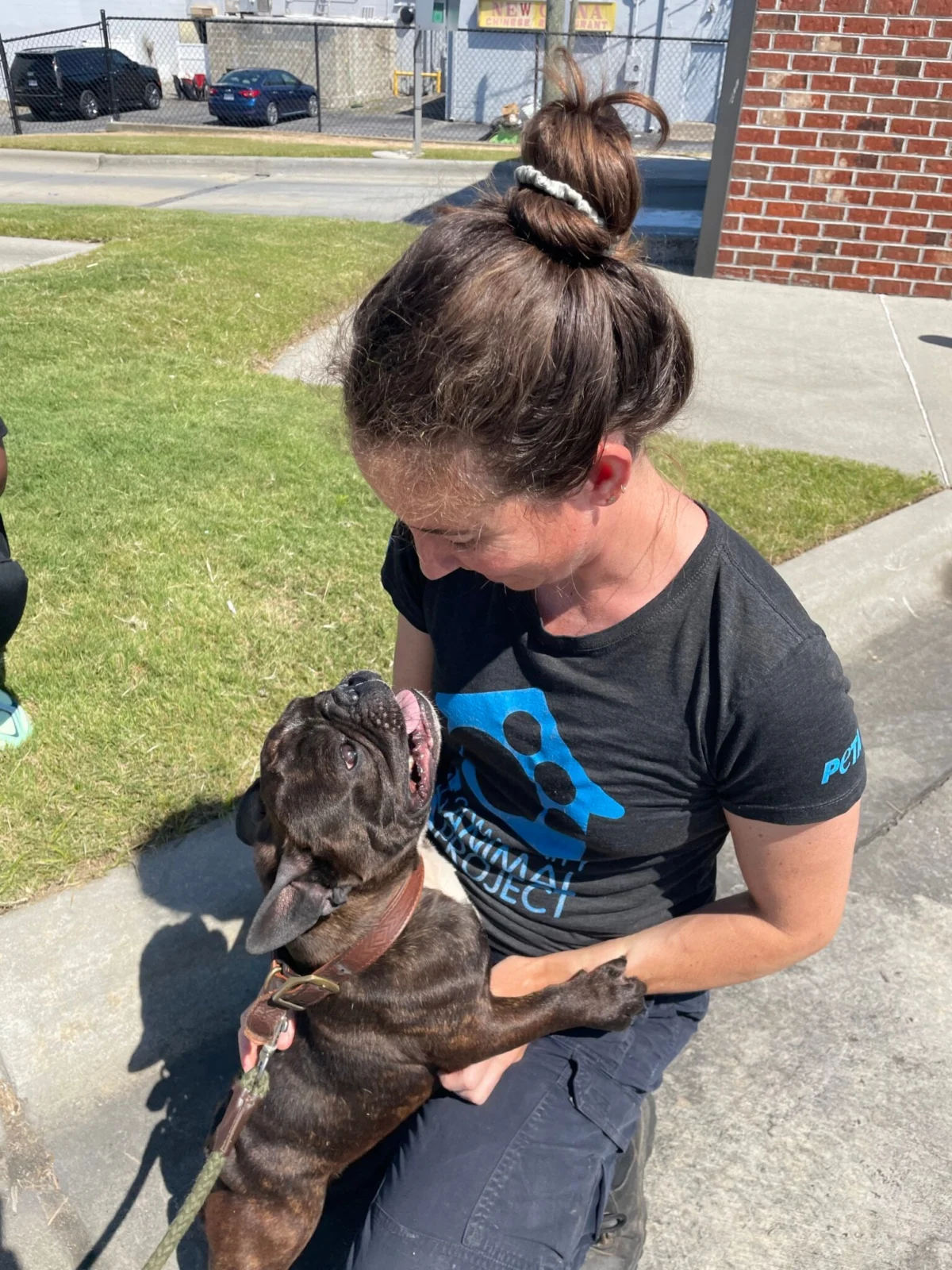
The recent rescue and rehabilitation of Pierre, a two-year-old brindle French bulldog, has brought renewed international attention to the welfare of brachycephalic breeds and the ethical implications of selective breeding practices. Pierre, who was surrendered to People for the Ethical Treatment of Animals (PETA) late last month, serves as a living example of the physiological challenges faced by dogs bred for specific aesthetic traits, specifically "smushed" faces. His journey from a series of unstable homes and restrictive crating to a specialized foster care program highlights a broader crisis within the pet industry: the tension between the high demand for "designer" breeds and the debilitating health conditions that frequently accompany them.
The Case of Pierre: A Chronology of Displacement and Rescue
Pierre’s history is a reflection of the volatility often experienced by high-demand breeds that require more care than owners initially anticipate. According to records provided by PETA, Pierre was the product of commercial breeding practices designed to emphasize the flat-faced look currently popular in the United States. He was subsequently placed with an initial owner before being moved through several households. At least one of these environments involved frequent confinement to a crate, a practice that animal welfare advocates argue can lead to muscle atrophy, psychological distress, and a lack of necessary social stimulation.
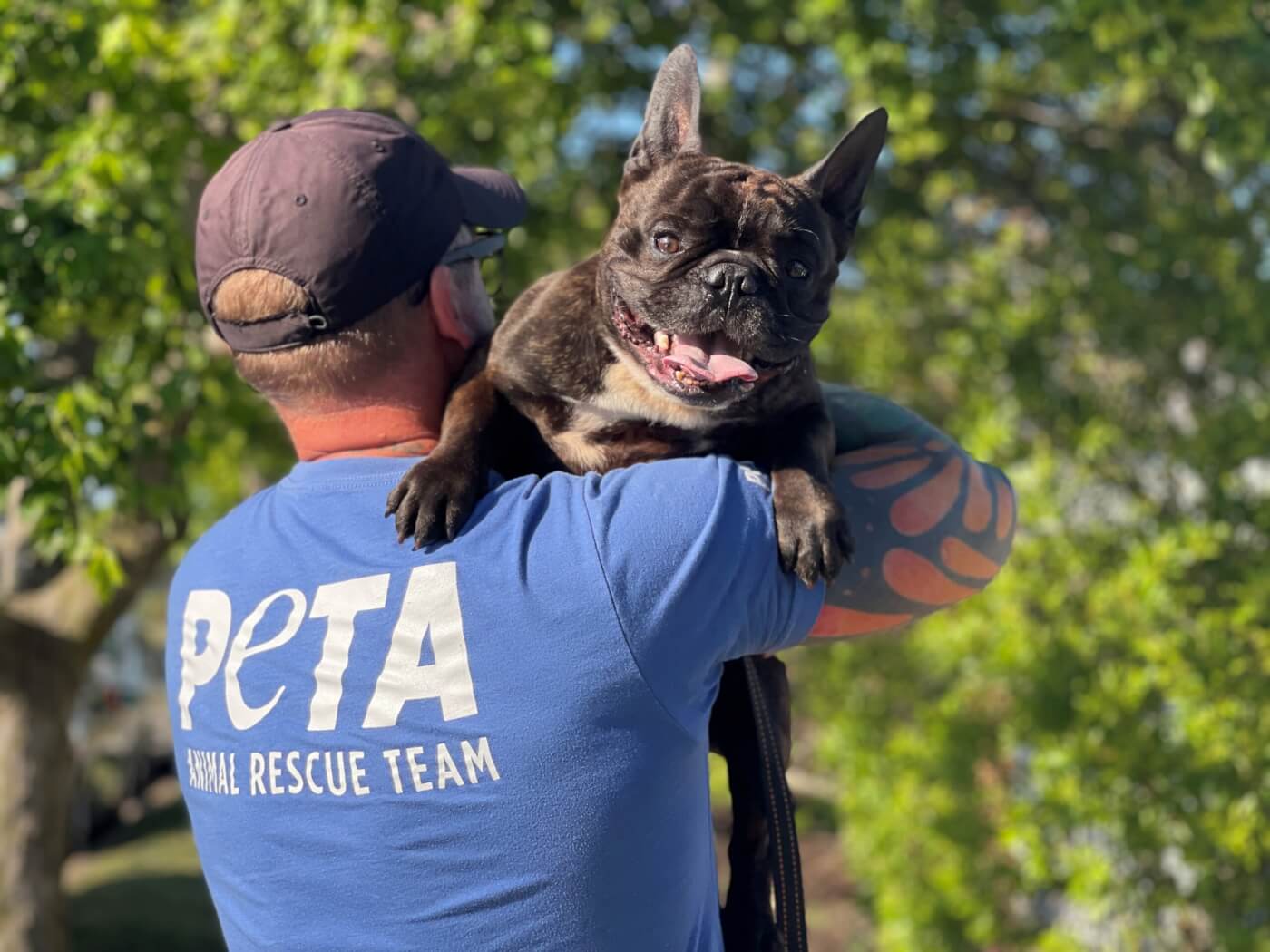
The cycle of displacement ended in late May when Pierre’s most recent owner contacted PETA’s Community Animal Project. Recognizing the dog’s immediate medical needs and the complexity of his breed-specific requirements, the organization transferred him to their shelter in Hampton Roads, Virginia. Pierre was quickly placed under the care of a licensed veterinary technician who specializes in breathing-impaired breeds (BIBs). This specialized foster care is essential for Pierre as he prepares for a series of corrective medical procedures intended to mitigate the genetic defects he inherited at birth.
Understanding Brachycephalic Obstructive Airway Syndrome (BOAS)
Pierre is classified as a breathing-impaired breed, a term used to describe dogs with shortened muzzles and flattened faces. While these features are often prized by kennel clubs and pet owners, they are the result of a condition known as Brachycephalic Obstructive Airway Syndrome (BOAS). Veterinary professionals note that the skeletal structure of these dogs has been shortened through selective breeding, but the soft tissues within the skull—such as the soft palate and tongue—have not reduced in size proportionally.
This anatomical discrepancy results in a crowded airway. Common symptoms, which are often mistakenly viewed as "cute" breed traits, include heavy panting, snorting, wheezing, and sleep apnea. In Pierre’s case, his nostrils (nares) are significantly narrowed, a condition known as stenotic nares, which forces him to exert excessive effort simply to draw breath. PETA has confirmed that Pierre will undergo surgery to widen these nasal passages, a procedure colloquially referred to as a "nose job" for dogs, which is frequently necessary to prevent total respiratory collapse or secondary heart failure in brachycephalic animals.
The Popularity Paradox: AKC Rankings vs. Health Realities
The rescue of Pierre occurs at a time when the French bulldog has reached unprecedented levels of popularity. In 2023, the American Kennel Club (AKC) ranked the French bulldog as the most popular dog breed in the United States for the second consecutive year, ending the three-decade reign of the Labrador Retriever. This surge in demand has incentivized high-volume breeding, often at the expense of the animals’ health.
Data from the Royal Veterinary College (RVC) suggests that French bulldogs are significantly more likely to suffer from a range of health issues compared to non-brachycephalic breeds. These include:
- Corneal Ulcers: Due to their protruding eyes and shallow sockets.
- Intervertebral Disc Disease (IVDD): Caused by their shortened, stocky spines.
- Skin Fold Dermatitis: Resulting from the deep wrinkles on their faces which trap moisture and bacteria.
- Heat Intolerance: Because dogs primarily cool themselves through panting, the inefficient airways of a French bulldog make them highly susceptible to heatstroke, which can be fatal within minutes.
Despite these risks, the market value for French bulldog puppies remains high, often ranging from $3,000 to $10,000 depending on color and pedigree. This financial incentive often overshadows the long-term veterinary costs, which Pierre’s case illustrates can be substantial.
Legislative Shifts and Global Responses to "Extreme" Breeding
The plight of dogs like Pierre has prompted a wave of legislative action across Europe and, more recently, in the United States. Several countries have begun to classify the breeding of dogs with extreme physical traits as a violation of animal welfare laws.
- The Netherlands: In 2014, the Dutch government banned the breeding of about 20 brachycephalic breeds unless the breeders could prove the dogs met specific health criteria, including a minimum muzzle length.
- Norway: In a landmark 2022 ruling, the Oslo District Court banned the breeding of British Bulldogs and Cavalier King Charles Spaniels, citing that the breeds’ inherent health problems violated the Norwegian Animal Welfare Act.
- United Kingdom: The British Veterinary Association (BVA) has launched several campaigns urging the public not to buy flat-faced breeds, citing a "welfare crisis" driven by social media trends and celebrity ownership.
- United States: In 2024, Ojai, California, became the first U.S. city to ban the commercial breeding of French bulldogs and other breathing-impaired breeds. The ordinance was hailed by animal rights groups as a necessary step to curb the "intentional breeding of deformity."
These legal precedents suggest a shifting tide in how society views the ethics of pet ownership and the responsibility of breeders to prioritize biological function over aesthetic appeal.
The Economic and Emotional Burden of Specialized Care
Prospective adopters of dogs like Pierre are cautioned about the significant "economic reality" of caring for a BIB. Beyond the initial adoption or purchase price, the lifetime cost of veterinary care for a French bulldog is among the highest of any canine breed. Corrective surgeries for BOAS, including the shortening of an elongated soft palate or the widening of stenotic nares, can cost between $2,000 and $5,000. Furthermore, these dogs often require specialized diets, air-conditioned environments year-round, and frequent monitoring for spinal and ocular issues.
PETA’s requirements for Pierre’s adoption reflect these concerns. The organization is seeking an "informed and truly loving guardian" who possesses either direct experience with BIBs or a thorough understanding of their medical complexities. The organization emphasizes that Pierre is not a "status symbol" but a sentient being with special needs who requires a lifelong commitment to his health and comfort.
The Ethics of "Adopt, Don’t Shop"
A central tenet of the advocacy surrounding Pierre’s rescue is the "Adopt, Don’t Shop" philosophy. PETA and other animal welfare organizations argue that as long as millions of dogs remain in shelters, the intentional breeding of more animals—especially those predisposed to suffering—is ethically indefensible.
The organization points out that for every "purebred" dog purchased from a breeder, a dog in a shelter loses an opportunity for a home. In Pierre’s case, his surrender by his previous owner highlights the fact that even highly sought-after breeds frequently end up in the rescue system when their care becomes too burdensome or expensive. By promoting the adoption of existing French bulldogs rather than the purchase of new puppies, advocates hope to reduce the market demand that fuels "puppy mills" and irresponsible breeding operations.
Future Outlook for Pierre and the Breed
As Pierre prepares for his corrective surgery and eventual placement in a permanent home, his story serves as a catalyst for a broader discussion on the future of canine health. While Pierre is reported to have a "big, sassy personality" and is social with children, cats, and other dogs, his quality of life will always be tethered to his physical limitations.

The long-term goal of many veterinary and welfare organizations is to "back-breed" these animals to a healthier standard—restoring the longer muzzles and athletic frames seen in historical records of the breed from the early 20th century. Until such changes become the industry standard, the responsibility falls on consumers to prioritize health over appearance and on organizations like PETA to provide a safety net for the victims of current breeding trends.
Pierre is currently being fostered in the Hampton Roads area, and PETA has indicated they are willing to transport him to a suitable home anywhere along the East Coast. His case remains a poignant reminder that the "chic" appearance of certain breeds often comes at a silent, breathless cost to the animals themselves. Through education, legislation, and responsible adoption, advocates hope to ensure that future generations of dogs are born with the simple, fundamental ability to breathe freely.

