


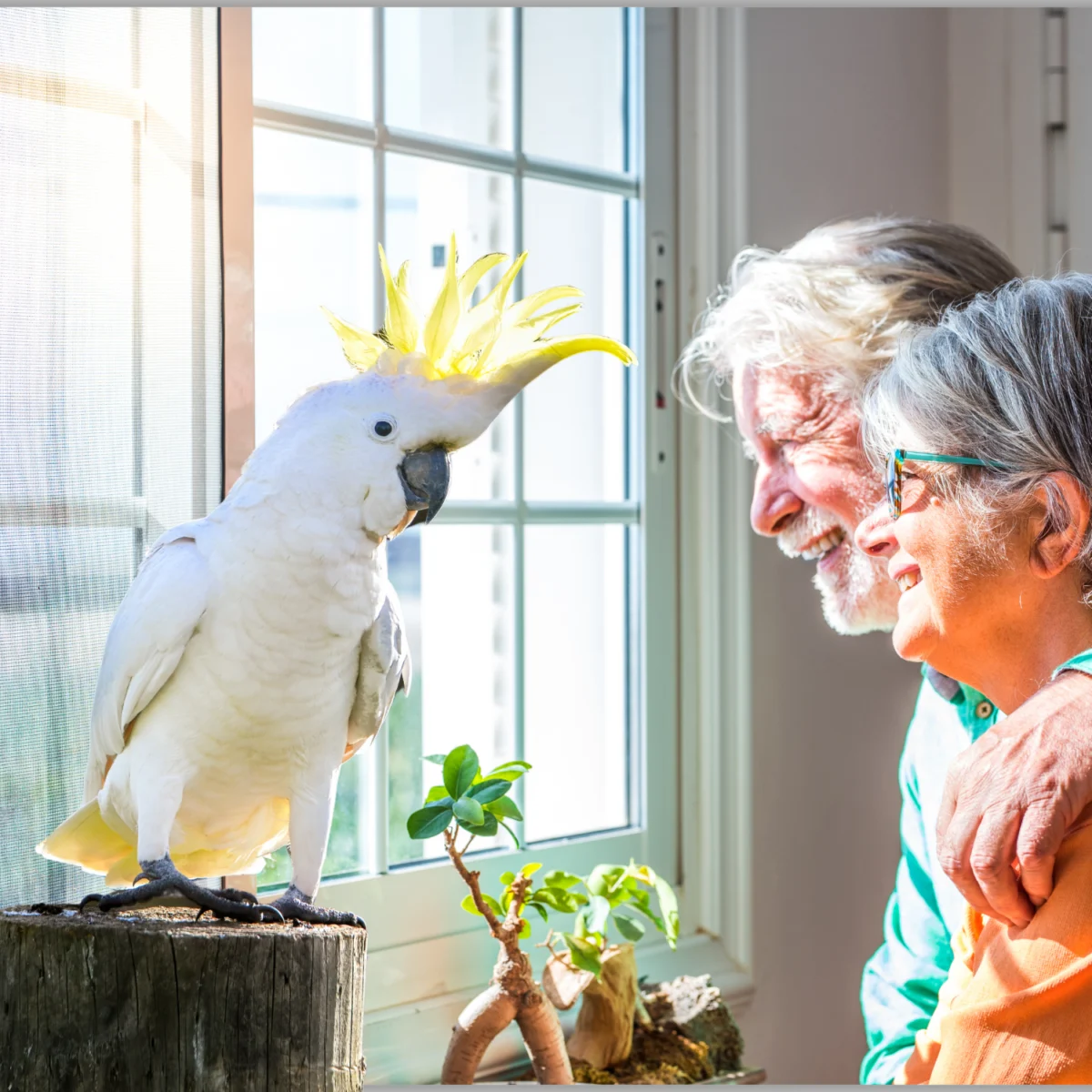
Parrots, renowned for their vibrant plumage and remarkable intelligence, are also celebrated for their extraordinary longevity, with some species living for 30, 50, or even over 80 years. This extensive lifespan transforms them from mere pets into enduring companions, forging multi-generational bonds with their human caregivers. However, this impressive longevity brings with it a profound set of responsibilities, demanding a lifelong, informed commitment from owners. Whether one welcomes a young parrot into their home or provides sanctuary to a senior bird, understanding the multifaceted factors influencing their lifespan is paramount to ensuring they receive the best possible care throughout their protracted lives. This guide delves into the specifics of parrot longevity, the intricate care required at every stage, and the crucial necessity of planning for their future, potentially beyond the lifespan of their initial human companions. It also explores the unique considerations and rewarding experiences associated with adopting a senior parrot, guiding prospective owners in making ethical and informed choices for these intelligent feathered friends.
The Spectrum of Parrot Longevity: A Species-Specific Overview
The notion that "a parrot lives a long time" is a broad generalization, as lifespans vary dramatically across species, primarily dictated by genetics, size, and metabolic rate. Smaller parrot species, characterized by their faster metabolisms and often more active lifestyles in the wild, generally have shorter lifespans compared to their larger counterparts. For instance, common pet birds like Budgie Parakeets typically live between 7 and 15 years in captivity, an improvement over their 5-8 year wild average, thanks to consistent food, shelter, and veterinary care. Lovebirds and Cockatiels fall into a similar category, with captive lifespans ranging from 15 to 25 years. These smaller birds, while requiring less space than macaws, still demand significant social interaction and mental stimulation to thrive.
Mid-sized parrots, such as Quaker Parrots, Ringneck Parrots, Conures, and Senegal Parrots, present an intermediate commitment. Quakers and Conures can live for 20-30 years, while Ringnecks and Senegals often reach 25-40 years with proper care. These species often begin to exhibit more complex behavioral patterns and can form deep bonds, making their longer lives a testament to the enduring relationship they build with their owners. Their care often involves more varied enrichment and a greater understanding of their developing personalities.
The true marvels of avian longevity are the large parrot species. Eclectus Parrots and Amazon Parrots commonly live for 40-60 years, mirroring or even exceeding human lifespans. African Grey Parrots, celebrated for their intelligence and mimicry abilities, often live 50-80 years, with anecdotal reports pushing towards a century. Macaws, the giants of the parrot world, routinely live 60-100 years, making them a multi-generational commitment. This extreme longevity in larger species is attributed to a combination of factors, including slower metabolic rates, complex social structures in the wild that foster learned behaviors and survival strategies, and a prolonged developmental period that supports higher intelligence. For these magnificent birds, ownership is not merely a pet but a profound guardianship that requires meticulous planning and dedication across decades.
| Parrot Species | Average Lifespan (Wild) | Average Lifespan (Captivity) |
|---|---|---|
| Budgie Parakeet | 5-8 years | 7-15 years |
| Lovebirds | 10-15 years | 15-20 years |
| Quaker Parrot | 15-20 years | 20-30 years |
| Ringneck Parrot | 20-30 years | 25-35 years |
| Cockatiel | 10-15 years | 15-25 years |
| Senegal Parrot | 20-30 years | 25-40 years |
| Conure | 10-20 years | 20-30 years |
| Eclectus Parrot | 30-50 years | 40-50 years |
| Amazon Parrot | 30-50 years | 40-60 years |
| Grey Parrot (African) | 40-60 years | 50-80 years |
| Macaw | 50-80 years | 60-100 years |
Pillars of Longevity: Critical Factors Influencing Parrot Health
Beyond species-specific genetics, several environmental and care-related factors critically impact a parrot’s ability to reach its full lifespan potential. These include diet, veterinary care, mental stimulation, and physical activity.
Genetics and Species Predisposition: While a well-cared-for budgie may outlive a neglected macaw, the inherent genetic blueprint of a species sets a fundamental ceiling on its lifespan. Large parrots are simply built for greater longevity. However, genetics also predispose certain species to particular health issues; for example, Amazon parrots are known for a propensity towards obesity and related liver disease, while cockatoos can be prone to feather destructive behaviors influenced by stress and potentially genetic factors. Responsible breeding practices aim to mitigate the inheritance of genetic weaknesses, contributing to healthier, longer-lived birds.
Optimal Nutrition: Fueling a Long Life: Diet is arguably one of the most significant controllable factors in a parrot’s health and longevity. Historically, many pet parrots were fed predominantly seed-based diets, which are notoriously deficient in essential vitamins (especially Vitamin A), minerals, and amino acids, while being excessively high in fat. This imbalanced diet leads to a host of debilitating conditions, including fatty liver disease (hepatic lipidosis), atherosclerosis (hardening of the arteries), obesity, and compromised immune function, all of which significantly shorten lifespan.
A balanced parrot diet, as recommended by avian veterinarians, primarily consists of high-quality formulated pellets (typically 60-80% of the diet), supplemented with a wide variety of fresh vegetables (leafy greens, peppers, carrots, broccoli), limited fruits, and occasional healthy whole grains or legumes. Access to clean, fresh water is also crucial. Mimicking the diverse foraging diets of wild parrots, which consume a vast array of seeds, nuts, fruits, flowers, and insects, helps ensure a comprehensive nutrient intake in captivity. Owners must avoid foods toxic to birds, such as avocado, chocolate, and caffeine.
Proactive Veterinary Care: The Unseen Lifeline: Birds are masters at masking illness, a survival instinct honed in the wild to avoid appearing vulnerable to predators. This innate behavior makes regular veterinary check-ups by an avian specialist indispensable. Annual wellness exams, even for seemingly healthy birds, allow for early detection of subtle health changes that might otherwise go unnoticed until the disease is advanced. These examinations typically include a thorough physical assessment, weight monitoring, blood work, fecal analysis, and nail/beak trims. Early diagnosis and intervention for conditions like infections, organ dysfunction (e.g., kidney or liver disease), nutritional deficiencies, or tumors can dramatically improve prognosis and extend a parrot’s life. Avian veterinarians also provide crucial guidance on diet, enrichment, and preventive care, acting as vital partners in a parrot’s long-term health management.
Cultivating a Thriving Environment: Extending Your Parrot’s Years
Beyond genetics, diet, and veterinary oversight, the daily environment and interaction provided by owners play a critical role in supporting a parrot’s physical and psychological well-being, directly impacting their longevity.
Mental and Social Stimulation: Beyond the Cage: Parrots are highly intelligent, complex social animals, with cognitive abilities often compared to a human toddler or preschooler, particularly in species like African Greys. In their natural habitats, they spend hours foraging, solving problems, interacting within their flock, and engaging in complex social behaviors. In captivity, a lack of adequate mental and social stimulation can lead to severe behavioral issues and chronic stress, which ultimately compromises physical health. Boredom and loneliness manifest as destructive behaviors such as feather plucking, excessive screaming, aggression, or even self-mutilation.
To combat this, owners must provide a rich, stimulating environment. This includes a varied rotation of engaging toys – foraging puzzles that encourage natural problem-solving, shreddable materials, and interactive play items. Training sessions, whether for simple tricks, recall, or target training, challenge their intellect and strengthen the human-animal bond. Social interaction is equally vital; daily one-on-one time with the owner, supervised interaction with other compatible birds, or simply being included in household activities helps satisfy their deep social needs. A mentally engaged and socially connected parrot is a happier, healthier, and ultimately, longer-lived companion.
Physical Activity: Flight, Climb, and Play: Just as important as mental stimulation is regular physical exercise. Wild parrots are incredibly active, flying vast distances, climbing extensively, and engaging in dynamic foraging behaviors that keep their bodies lean and strong. In a captive environment, restricted movement can lead to obesity, muscle atrophy, cardiovascular issues, and joint problems like arthritis – all of which significantly reduce lifespan.
Owners must actively encourage movement. Safe opportunities for flight, whether in a bird-proofed room or through harness training, promote cardiovascular health and strengthen flight muscles. For birds that do not fly, climbing gyms, varied perching arrangements, and interactive floor play can encourage mobility. Perch diversity is essential, offering different diameters, textures (natural branches, rope perches, platform perches) to prevent pressure sores and promote foot health. Daily supervised out-of-cage time, allowing the bird to explore and move in a safe environment, is non-negotiable for physical well-being. A physically active parrot maintains a healthy weight, strong bones, and robust organ function, directly contributing to a longer, more vibrant life.
Environmental Factors: Safety and Sanctuary: The physical environment itself must be optimized for safety and comfort. This includes providing an appropriately sized cage, ideally a "flight cage" that allows for short flights within. Full-spectrum UV lighting is critical for vitamin D synthesis, which is essential for calcium absorption and overall health, as well as regulating natural circadian rhythms. Air quality is paramount; parrots have highly sensitive respiratory systems, making them vulnerable to airborne toxins from non-stick cookware (PTFE fumes), aerosols, scented candles, and cleaning products. Maintaining appropriate temperature and humidity levels, particularly for tropical species, also supports respiratory and feather health. Finally, bird-proofing the home environment during out-of-cage time prevents accidents and injuries.
The Golden Years: Caring for Senior Parrots
As parrots age, much like humans, their needs evolve. Recognizing the signs of aging and adapting care accordingly is crucial for maintaining their comfort and quality of life in their senior years.
Recognizing the Signs of Aging: Owners may observe a gradual decrease in energy levels, with senior parrots napping more frequently or moving less actively. Feather condition can change, becoming duller, with slower or less complete molts. Brittle nails and overgrown beaks are also common, requiring more frequent professional grooming. Vision and hearing may decline, leading to hesitancy in movement, difficulty navigating familiar spaces, or reduced responsiveness to cues. Arthritis is a prevalent issue in older birds, causing stiffness, lameness, or difficulty perching. Behavioral changes, such as increased irritability, clinginess, or withdrawal, can also signal discomfort or cognitive decline. Early detection of these signs allows for proactive adjustments to their care.
Tailored Senior Care: Adapting the environment is key for an aging parrot. This includes providing easily accessible perches, food, and water bowls, often at lower heights to minimize strenuous climbing. Softer rope perches or flat platform perches can alleviate pressure on arthritic feet. Ramps or ladders can assist birds with mobility issues. Nutrition plays an even more critical role; senior birds may have reduced nutrient absorption or specific dietary needs related to age-related conditions. A high-quality, easily digestible diet, potentially supplemented with omega-3 fatty acids for joint and brain health, and additional hydration sources, becomes vital. Increased veterinary monitoring, with more frequent check-ups and targeted diagnostics, helps manage age-related conditions. Gentle, consistent interaction and maintaining a stable routine can provide comfort and security to a senior parrot.
The Enduring Legacy: Planning for Your Parrot’s Future
Given their extraordinary lifespans, many parrots will outlive their initial owners. This reality necessitates thoughtful and responsible future planning to ensure their continued well-being.
The Ethical Imperative of Estate Planning: The profound multi-decadal commitment inherent in parrot ownership means that planning for their future is not merely an option but an ethical imperative. Without a clear plan, parrots often face a distressing future upon their owner’s passing, frequently ending up in shelters, passed between multiple homes, or even abandoned. This can be devastating for a highly intelligent, social animal that forms deep attachments, leading to significant emotional trauma and behavioral issues.
Practical Steps for a Secure Future:
- Designated Caregiver: Identifying a trusted friend or family member willing and able to take on the responsibility is a primary step. This involves open discussions about the bird’s specific needs, temperament, and the financial commitment involved.
- Pet Trust: A legally binding pet trust is often the most secure option. This legal instrument allows for funds to be set aside for the bird’s care and designates a trustee to oversee that care according to the owner’s wishes, even after the owner’s death.
- Will Provisions: Explicitly including provisions for the parrot in a last will and testament can also help, though a trust offers more ongoing control over the funds and care.
- Rescue Organizations: Researching reputable parrot sanctuaries or rescue organizations can provide a safety net, either as a last resort or as a primary option if no suitable individual caregiver can be identified. These organizations specialize in long-term parrot care and rehoming.
Adopting a Lifelong Companion: Considerations and Commitments
The decision to bring a parrot into one’s life is a momentous one, carrying significant implications for both the bird and the prospective owner.
Adopting vs. Buying: A Different Path: When faced with the choice between adopting an older parrot or purchasing a baby, several factors come into play. Adopting a senior parrot can be a deeply rewarding experience. Older birds often come with established personalities, potentially known behaviors, and sometimes even training, which can make the transition easier than raising a baby. It also offers a second chance to a bird that may have lost its previous home. However, adopted birds may also come with "baggage"—past trauma, trust issues, or ingrained habits that require patience, understanding, and potentially professional behavioral intervention.
Conversely, acquiring a baby parrot offers the opportunity to shape its personality from a young age and embark on a full life journey together. However, baby parrots demand intense care, consistent training, and immense patience through challenging developmental stages, including hormonal adolescence. For individuals who are older or uncertain about committing to a 50+ year guardianship, adopting a senior bird can be a wonderful, responsible alternative, ensuring a loving home for a bird in need without the multi-generational commitment.
The Profound Commitment: Regardless of whether one adopts or buys, the decision to welcome a parrot into the home is a commitment that spans decades. This entails significant financial investment in quality food, enrichment toys, appropriate caging, and regular veterinary care, which can be substantial over such a long period. Emotionally, parrots require daily interaction, mental engagement, and a stable, loving environment to thrive. Prospective owners must honestly assess their time, energy, resources, and future plans. What happens if life circumstances change? What if travel becomes a priority, or health declines? Addressing these questions proactively is crucial. Responsible ownership demands a thorough understanding of these long-term implications, ensuring that the parrot’s well-being remains paramount throughout its remarkably long life.
In conclusion, a parrot’s lifespan is not merely a genetic lottery but a testament to the comprehensive care, dedicated nutrition, and profound love they receive daily. From the earliest stages of life through their golden years, informed choices, proactive veterinary care, enriching environments, and responsible future planning are paramount. The journey of parrot ownership is a unique and deeply rewarding one, demanding a commitment that often transcends human generations. By embracing this responsibility with diligence and foresight, owners can ensure their feathered companions enjoy long, vibrant, and fulfilling lives, enriching the lives of all they touch.

