


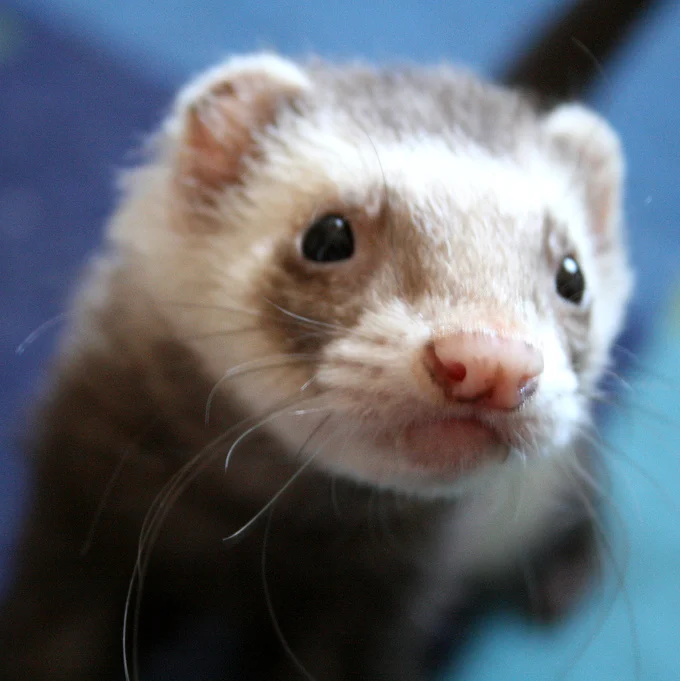
The sudden collapse of a domestic ferret (Mustela putorius furo) represents one of the most critical and time-sensitive emergencies in exotic animal practice, necessitating a rapid and systematic diagnostic approach to ensure patient survival. On March 18, 2026, Dr. Cathy Johnson-Delaney, a renowned specialist in avian and exotic animal medicine, released a comprehensive clinical assessment tool and educational module designed to assist veterinary professionals in navigating these high-stakes scenarios. Published through LafeberVet, the resource focuses on the differential diagnoses of collapse, emphasizing the prevalence of metabolic and cardiovascular diseases in the aging ferret population. This initiative, accredited by the American Association of Veterinary State Boards (AAVSB) under the Registry of Approved Continuing Education (RACE), highlights a growing need for specialized knowledge as ferrets continue to gain popularity as household pets globally.
The Clinical Presentation of Mustelid Emergencies
A "collapsed ferret" is a broad clinical description that encompasses a range of states, from profound lethargy and hind-limb weakness to complete recumbency and loss of consciousness. Because ferrets are known for their high metabolic rates and unique physiological requirements, a collapse is rarely a benign event. In the clinical setting, these patients often present with "stargazing" (episodes of staring blankly into space), ptyalism (excessive salivation), or pawing at the mouth—all of which are hallmark signs of underlying systemic distress.
According to the data presented in Dr. Johnson-Delaney’s clinical framework, the diagnostic priority for any collapsed ferret is the immediate stabilization of the patient followed by a targeted investigation into the two most common culprits: insulinoma and cardiomyopathy. The release of this educational quiz and diagnostic guide serves as a critical update for general practitioners who may encounter these exotic patients in emergency settings without the immediate availability of a specialist.
Etiology of Collapse: The Metabolic and Cardiovascular Divide
The primary challenge in managing a collapsed ferret lies in the rapid differentiation between metabolic crises and cardiovascular failure. While both can result in sudden recumbency, the treatment protocols for each are diametrically opposed, making an accurate diagnosis essential within the first few minutes of arrival at a clinic.
Insulinoma and Hypoglycemic Crisis
Insulinoma, a common neoplasm of the pancreatic beta cells, remains the leading cause of collapse in ferrets over the age of three. These tumors secrete excessive amounts of insulin regardless of the blood glucose concentration, leading to severe hypoglycemia. In a typical hypoglycemic crisis, a ferret’s blood glucose levels may drop below 60 mg/dL, with many emergency cases presenting as low as 30 mg/dL or even lower.
The clinical progression of an insulinoma-induced collapse often begins with subtle signs, such as hind-limb ataxia (weakness) and lethargy, which owners may mistake for general aging. However, as the hypoglycemia worsens, the ferret may experience seizures or enter a state of profound collapse. Dr. Johnson-Delaney’s research emphasizes that while intravenous dextrose is the immediate corrective measure, long-term management requires a nuanced balance of dietary changes, glucocorticoids, and potentially surgical intervention.
Cardiac Dysfunction: Cardiomyopathy and Arrhythmias
Conversely, collapse stemming from cardiac issues presents a different physiological profile. Ferrets are highly susceptible to Dilated Cardiomyopathy (DCM) and Hypertrophic Cardiomyopathy (HCM). In these cases, the collapse is not due to a lack of fuel (glucose) but a failure of the pump (the heart) to provide adequate oxygenated blood to the brain and tissues.
Arrhythmias, or irregular heartbeats, can also cause transient or permanent collapse. During an arrhythmic event, the cardiac output drops precipitously, leading to syncope. Unlike the hypoglycemic ferret, which may show signs of nausea or pawing at the mouth, the cardiac patient often exhibits dyspnea (difficulty breathing), pale or cyanotic mucous membranes, and a significantly elevated or depressed heart rate. The diagnostic resource released this March provides veterinarians with updated ECG interpretation guidelines specifically tailored to the mustelid heart, which differs significantly in rhythm and rate from canine or feline counterparts.
Chronology of an Emergency Diagnostic Workflow
To improve survival rates, Dr. Johnson-Delaney advocates for a standardized timeline of intervention when a collapsed ferret enters the clinic. This chronology is designed to maximize data collection while minimizing stress on the compromised animal.
- Triage and Initial Stabilization (Minutes 0–5): The patient is assessed for airway patency, breathing, and circulation (the ABCs). Oxygen therapy is initiated immediately via a mask or oxygen cage.
- Point-of-Care Testing (Minutes 5–10): A tiny drop of blood is collected for a rapid blood glucose test. This is the single most important diagnostic step. If the glucose is low, a bolus of 50% dextrose (diluted) is administered intravenously or intraosseously.
- Physical Examination and Auscultation (Minutes 10–20): Once the patient is slightly stabilized, the clinician performs a thorough auscultation of the heart and lungs to check for murmurs, gallop rhythms, or crackles indicative of pulmonary edema.
- Advanced Diagnostics (Minutes 20–60): If blood glucose is normal, the focus shifts to cardiac imaging. This includes thoracic radiographs to check for cardiomegaly (enlarged heart) and echocardiography to assess heart wall thickness and contractility.
- Stabilization and Hospitalization (Post-60 Minutes): Depending on the findings, the ferret is started on a regimen of either metabolic support or cardiac medications such as diuretics (furosemide) and ACE inhibitors.
Supporting Data on Ferret Geriatrics
The focus on geriatrics in Dr. Johnson-Delaney’s work is supported by shifting demographics in pet ownership. Statistical data from veterinary surveys suggest that the average lifespan of a domestic ferret in North America is approximately five to eight years. However, the incidence of neoplasia and organ failure increases exponentially after the age of four.
Studies indicate that up to 25% of ferrets over age four will develop some form of insulinoma, while nearly 15% will show clinical or subclinical signs of heart disease. The prevalence of these conditions makes specialized continuing education vital. The AAVSB RACE accreditation of this new quiz ensures that the training meets the highest standards of the veterinary profession, providing clinicians with the credits necessary to maintain their licenses while simultaneously improving their clinical acumen.
Official Responses and the Role of Continuing Education
The release of this resource has been met with positive feedback from the exotic animal medical community. Representatives from LafeberVet stated that the goal of providing these quizzes is to "bridge the gap between general practice and specialized exotic medicine," ensuring that every ferret receives a high standard of care regardless of the facility they are brought to.
Professional organizations have long noted that "pocket pets" and exotic mammals are often underserved in traditional veterinary curricula. By offering RACE-approved modules, Dr. Johnson-Delaney and her colleagues are addressing a critical educational deficit. "The complexity of the ferret’s endocrine and cardiovascular systems requires a dedicated study that goes beyond what is taught in a general small animal program," noted one veterinary educator in response to the publication.
Broader Impact and Clinical Implications
The implications of this educational push extend beyond the clinic walls. For ferret owners, the availability of more informed veterinary care means longer life expectancies and better quality of life for their pets. It also fosters a more proactive approach to ferret health, encouraging owners to seek regular screenings for glucose levels and cardiac function before a collapse occurs.
Furthermore, the focus on "collapse" as a clinical sign highlights the interconnectedness of ferret anatomy. For example, adrenal gland disease—another common mustelid ailment—can indirectly contribute to collapse by causing systemic weakness or complicating other metabolic processes. The holistic approach championed by Dr. Johnson-Delaney encourages veterinarians to look at the "whole ferret" rather than treating symptoms in isolation.
As the veterinary field continues to evolve, the integration of digital learning tools and interactive quizzes like the one released on March 18, 2026, represents the future of professional development. These tools allow for the rapid dissemination of life-saving information in an accessible format.
Conclusion
The diagnostic challenges of the collapsed ferret remain a formidable hurdle in veterinary medicine, but the release of targeted educational resources marks a significant step forward. By focusing on the critical distinctions between insulinoma-induced hypoglycemia and cardiac-related syncope, Dr. Cathy Johnson-Delaney and LafeberVet are providing clinicians with the roadmap necessary to navigate these emergencies. As research continues to uncover more about the unique pathologies of the ferret, the emphasis on rigorous, RACE-approved continuing education will remain the cornerstone of excellence in exotic animal practice. For the veterinary community, the message is clear: in the face of a collapsed ferret, a systematic, data-driven approach is the best defense against the ticking clock of a clinical emergency.

