


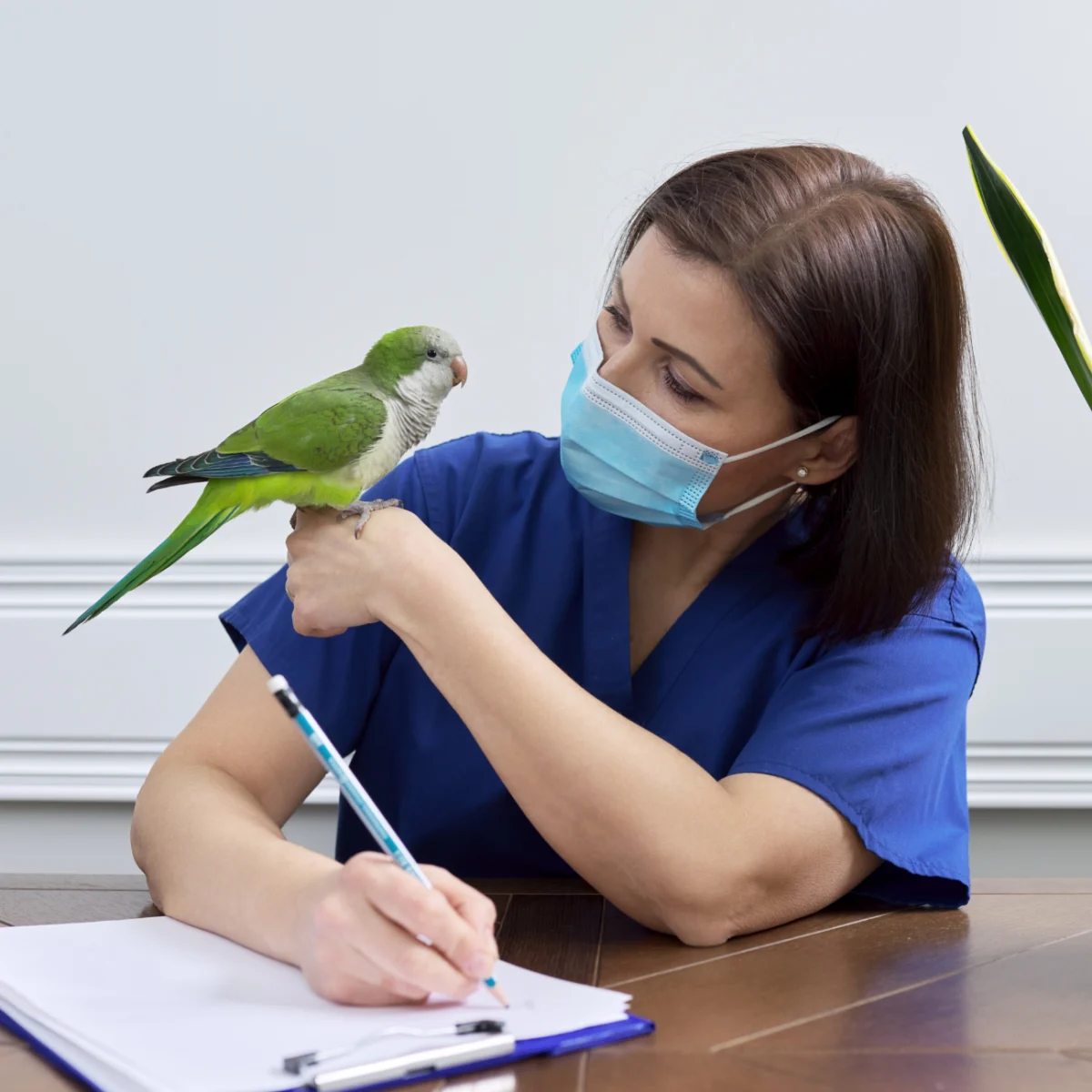
The presence of an unpleasant odor emanating from a pet bird is a common concern among avian enthusiasts, often prompting questions about avian health and hygiene. While healthy birds typically possess a subtle, sometimes earthy or musky scent that many owners find pleasant, a distinctly foul, sour, or abnormal smell is a critical indicator that warrants immediate attention. This phenomenon is not merely an aesthetic issue but frequently signals underlying dietary imbalances, hygiene deficiencies, or even serious health conditions that require prompt intervention. Understanding the multifaceted origins of these odors is paramount for maintaining the well-being and longevity of companion birds.
The Nuances of Normal vs. Problematic Avian Scents
Contrary to popular belief, a healthy bird’s natural aroma is rarely offensive. Species like parrots, in particular, are often described as having a "sunshine on feathers" scent, a result of their efficient metabolism and diligent preening habits. Preening involves the distribution of uropygial gland oil (preen oil) across feathers, which serves to waterproof, condition, and maintain feather structure. This oil has a characteristic, mild scent that is usually not bothersome.
However, a deviation from this subtle natural scent, manifesting as a strong, sour, fishy, or rotten smell, is a clear red flag. Birds are inherently clean creatures, dedicating a significant portion of their day to preening and bathing in the wild. A sudden onset of offensive odor signifies a disruption in their natural physiological processes or environmental conditions. Avian veterinarians consistently highlight that an abnormal odor is often one of the earliest, albeit subtle, symptoms of an underlying health problem, predating more overt signs of illness such as lethargy or changes in appetite. This makes vigilant observation of a bird’s scent a crucial component of responsible pet ownership.
Dietary Foundations of Avian Odor
The adage "you are what you eat" holds profound truth for birds, with their diet directly influencing their overall scent. A sub-optimal diet, frequently characterized by an over-reliance on seeds, sugary treats, or human "junk food," can severely disrupt a bird’s delicate digestive system. Seed-only diets, for instance, are notoriously deficient in essential vitamins, minerals, and amino acids, while being excessively high in fat. This nutritional imbalance can lead to:
- Dysbiosis: An imbalance in the gut microbiome, where beneficial bacteria are outnumbered by pathogenic strains. This can lead to inefficient digestion, fermentation of undigested food in the gastrointestinal tract, and the production of malodorous gases and waste products.
- Hepatic Lipidosis (Fatty Liver Disease): Common in birds on high-fat, seed-based diets. A compromised liver struggles to metabolize toxins efficiently, potentially leading to systemic odors.
- Abnormal Droppings: Poor digestion often results in loose, watery, or abnormally colored droppings, which are inherently more odorous and can cling to feathers, contributing to external smells.
Furthermore, the introduction of fresh foods that are left uneaten in the cage for extended periods poses a significant risk. These decaying food items, especially in warm, humid environments, become prime breeding grounds for dangerous bacteria such as Pseudomonas aeruginosa and various fungi. Pseudomonas infections can cause severe respiratory and systemic illness in birds, and the bacterial byproducts themselves produce a distinctive, often sickly sweet or foul odor.
The consensus among avian nutritionists and veterinarians is that a balanced diet, primarily consisting of high-quality formulated pellets (60-80%), supplemented with a variety of fresh vegetables, fruits, and small amounts of healthy proteins, is crucial for maintaining optimal gut health and, consequently, a clean-smelling bird. Regular replacement of drinking water and thorough daily cleaning of food and water bowls are also non-negotiable practices. Stagnant water can quickly become contaminated with bacteria and yeast, contributing to both internal digestive issues and external environmental odors.
Hygiene and Environmental Factors: The Cage as an Ecosystem
A bird’s immediate environment, particularly its cage, plays a pivotal role in its overall cleanliness and scent. Birds, by nature, are messy. They scatter food, splash water, and produce droppings throughout their living space. If not regularly cleaned, this accumulation of organic matter creates a warm, damp, nutrient-rich environment ideal for the proliferation of bacteria, fungi, and potentially hazardous molds, including Aspergillus.
Aspergillus species are ubiquitous fungi that can thrive in damp, decaying organic material. Inhalation of Aspergillus spores can lead to aspergillosis, a severe and often fatal respiratory disease in birds. A common sign of mold growth in a cage is a distinctive musty or earthy odor, which can then permeate the bird’s feathers and the surrounding air. Even seemingly clean cages can harbor microscopic buildup in crevices, under grates, and around feeding stations, acting as reservoirs for pathogens.
Key Environmental Contributors to Odor:
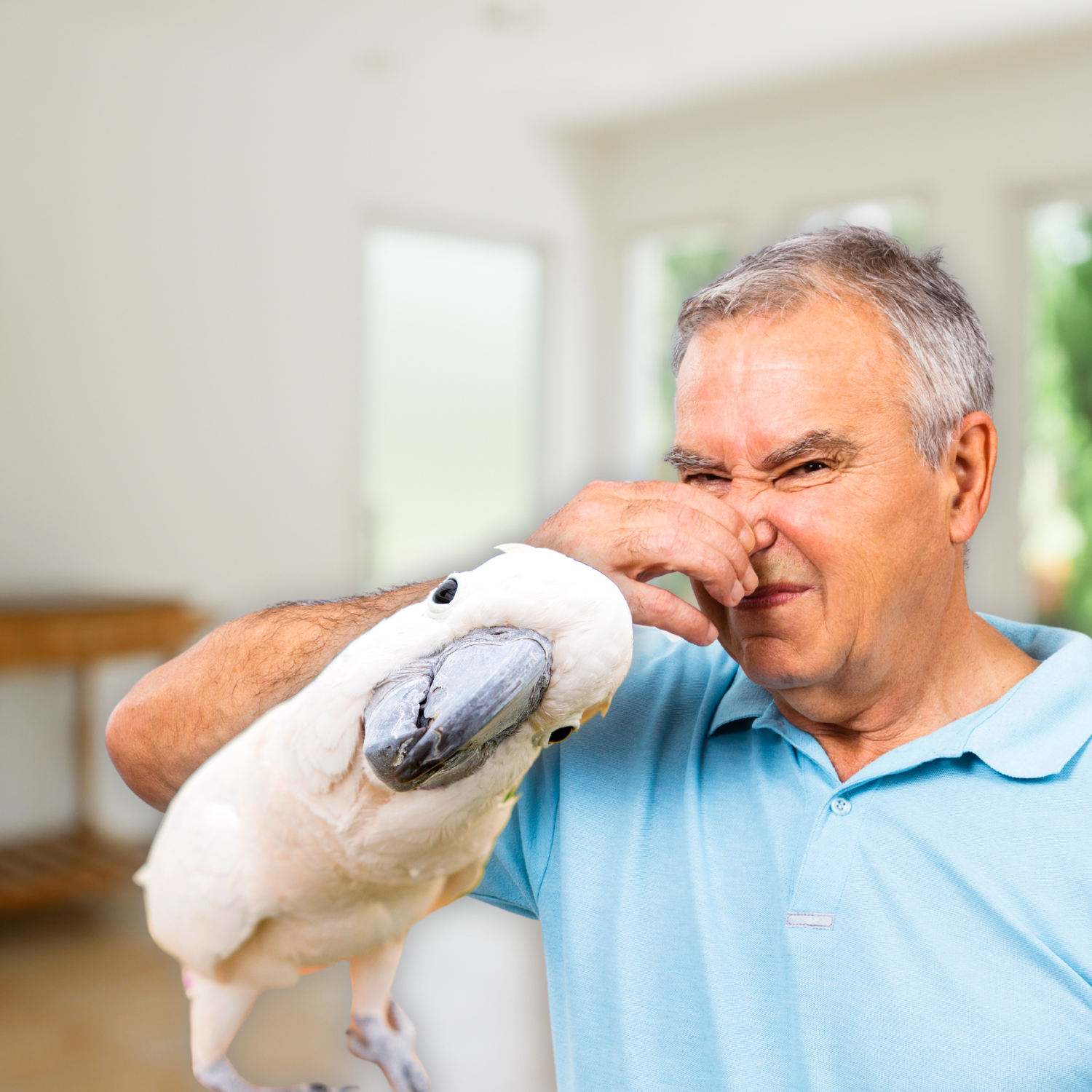
- Accumulated Droppings: Old feces decompose, releasing ammonia and other volatile organic compounds.
- Decaying Food: Unconsumed fresh foods, especially fruits and vegetables, spoil rapidly, fostering bacterial growth.
- Damp Substrates: Newspaper, bedding, or cage liners that remain wet for too long promote mold and bacterial growth.
- Poor Ventilation: Inadequate airflow allows odors and airborne pathogens to concentrate within the bird’s living space.
Beyond the cage itself, the bird’s personal hygiene is critical. While many species instinctively bathe, some companion birds may be reluctant or lack opportunities. Infrequent bathing allows natural oils, dust, and microscopic debris to accumulate on feathers and skin. This buildup can become rancid or provide a substrate for bacterial and yeast overgrowth, leading to a musty, oily, or sour smell. The preen gland, located at the base of the tail, produces oils essential for feather health. If bathing is insufficient, these oils can become sticky and harbor dirt, further contributing to odor. Warm weather, in particular, accelerates bacterial and mold growth in wet areas and can make odors more pronounced due to increased humidity and faster decomposition rates.
Underlying Health Conditions: When Odor Signals Disease
Perhaps the most critical implication of a persistent or strong bird odor is its potential as a symptom of an underlying health issue. Birds are masters of concealing illness, a survival mechanism in the wild. Therefore, any observable change, including odor, should be taken seriously.
Common Health Conditions Associated with Odor:
- Bacterial Infections: Infections of the skin (dermatitis), feather follicles (folliculitis), or respiratory tract can produce distinct foul odors, often described as rotten or putrid, especially if accompanied by discharge.
- Yeast Infections (Candidiasis): Candida albicans is a common yeast that can overgrow in the crop, gastrointestinal tract, or on the skin, particularly in immune-compromised birds or those on unbalanced diets. A yeast infection often produces a sweet, musty, or slightly sour smell.
- Liver Disease: A compromised liver struggles to filter toxins from the bloodstream. The accumulation of these toxins can lead to a systemic body odor that might be described as "sickly sweet" or metallic.
- Kidney Disease: Similar to liver disease, impaired kidney function can lead to a buildup of metabolic waste products, which can manifest as an unusual body odor.
- Crop Stasis/Sour Crop: If a bird’s crop (a pouch in the esophagus for food storage) becomes impacted or infected, food can ferment, leading to a very sour or yeasty odor from the bird’s mouth.
- Cloacal Issues: Infections or inflammation of the cloaca (the bird’s posterior opening for waste and reproduction) can cause localized foul smells.
If a bird’s odor persists despite diligent cage cleaning, dietary improvements, and regular bathing, or if it is accompanied by other symptoms such as lethargy, fluffed feathers, changes in appetite or droppings, discharge from the nares or eyes, or difficulty breathing, immediate veterinary consultation is imperative. An avian veterinarian can perform a thorough examination, including diagnostic tests like blood work, fecal analysis, bacterial cultures, and imaging, to identify the root cause and initiate appropriate treatment.
Proactive Strategies for a Fresh-Smelling Avian Companion
Achieving and maintaining a fresh-smelling bird involves a holistic approach that integrates meticulous hygiene, optimal nutrition, and consistent health monitoring.
1. Establishing a Regular Bathing Routine:
Bathing is not merely an option but a crucial aspect of avian health. It helps remove accumulated dust, dander, loose feathers, and environmental pollutants, while also hydrating the skin and promoting healthy preening.
- Misting: A fine-mist spray bottle filled with lukewarm, purified water (or a bird-safe aloe vera solution) can mimic rain and is often well-tolerated. Start gently and gradually increase duration.
- Shallow Bath Bowls: Many birds enjoy splashing in a shallow dish of water. Ensure the bowl is stable and the water is fresh daily.
- Shower Perches: For some birds, joining their owner in a gentle shower can be a positive bonding and bathing experience.
- Frequency: The ideal frequency varies by species and individual preference, ranging from daily to several times a week. Observe your bird’s preferences and adjust accordingly.
2. Implementing Daily Cage Cleaning Protocols:
A clean cage is fundamental to preventing odors and ensuring a healthy environment.
- Daily Tasks:
- Remove and thoroughly wash all food and water bowls with hot, soapy water (and rinse thoroughly) or run them through a dishwasher.
- Remove all uneaten fresh foods promptly.
- Spot clean visible droppings and debris from perches and cage surfaces.
- Change cage liner daily to prevent accumulation of waste and moisture.
- Weekly Tasks:
- Thoroughly clean the entire cage, including bars, grates, and toys, using bird-safe disinfectants (e.g., dilute bleach solution followed by thorough rinsing, or veterinary-approved avian disinfectants). Allow to dry completely before returning the bird.
- Inspect for any signs of mold, rust, or damage.
- Replace worn perches or toys that cannot be adequately sanitized.
- Monthly Tasks:
- Deep clean the entire cage and accessories, potentially dismantling it for thorough scrubbing and disinfection.
- Consider rotating toys and perches to facilitate cleaning and enrichment.
In warmer, more humid climates, cleaning frequency may need to increase significantly, as heat and moisture accelerate bacterial and fungal proliferation. Good ventilation in the bird’s room also helps disperse odors and reduces humidity.
3. Optimizing Dietary Practices:
A well-balanced diet is the cornerstone of internal health and odor control.
- Pellet-Based Diet: Transition birds from seed-heavy diets to high-quality formulated pellets as the primary food source (typically 60-80% of their diet).
- Fresh Produce: Offer a wide variety of fresh, thoroughly washed vegetables (e.g., dark leafy greens, bell peppers, carrots, broccoli) and fruits (e.g., apples, berries, melon) daily. Remove uneaten portions within a few hours to prevent spoilage.
- Limit Treats: Offer sugary or fatty treats sparingly, if at all, as they contribute to digestive upset and poor nutrient absorption.
- Hydration: Always provide fresh, clean water, changed daily, to support digestion, kidney function, and overall physiological processes.
The Role of Aloe Vera Spray: A Natural Adjunct to Avian Hygiene
In addition to fundamental care practices, specialized products can offer supplementary benefits. Bird-safe Aloe Vera sprays have gained popularity as a natural aid for feather and skin health, contributing to a bird’s overall freshness

