


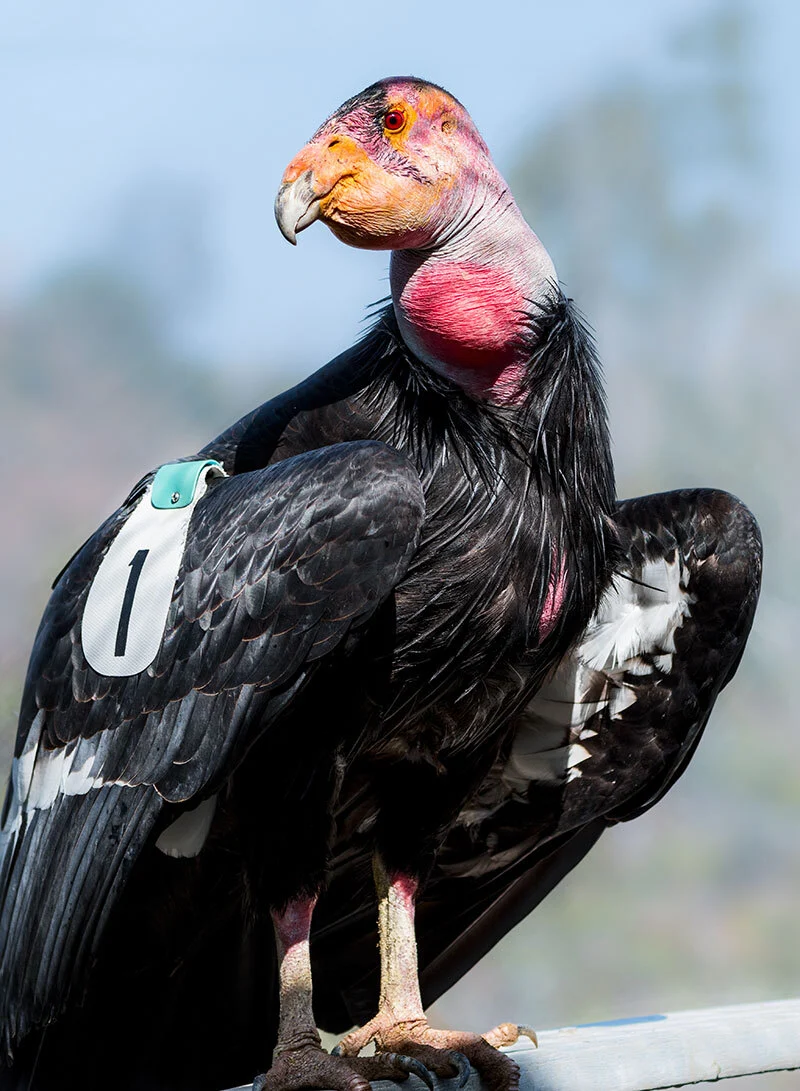
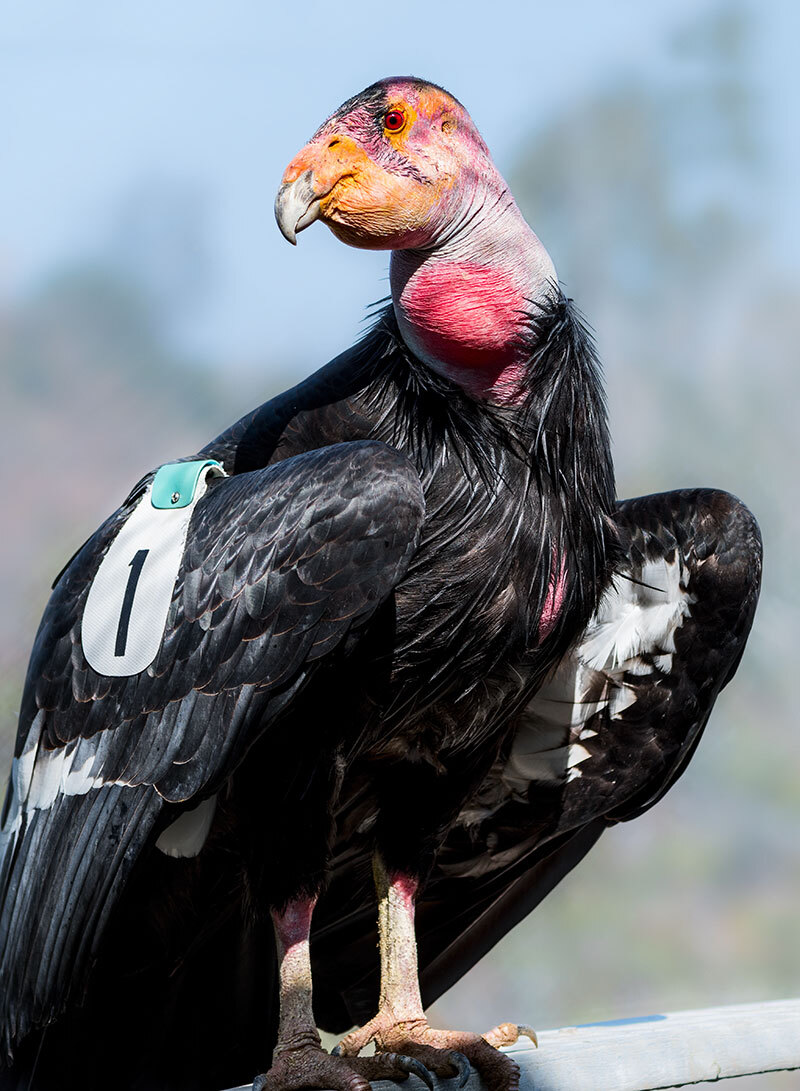
The Los Angeles Zoo is commemorating a remarkable six-decade milestone for Topa Topa, a male California condor whose extraordinary life has become inextricably linked with the ambitious and often challenging efforts to rescue his species from the brink of extinction. His journey, from a vulnerable fledgling rescued from the wild to a cornerstone of the California Condor Recovery Program, underscores the perseverance required in global conservation and the profound impact a single individual can have on the fate of an entire species. This celebration is not merely an acknowledgment of longevity but a testament to the enduring commitment of countless conservationists, scientists, and institutions dedicated to preserving biodiversity.
Sixty years ago, in a period when the California condor population was already critically imperiled, a one-year-old fledgling was discovered in a severely weakened and malnourished state. Weighing a mere 17 pounds, a dangerously low figure for a bird of his size, the young condor was brought into human care for urgent intervention. Following a rigorous ten-day rehabilitation period, during which he regained strength and received essential medical attention, the hope was to return him to his natural habitat. However, post-release monitoring revealed a concerning reality: the young condor exhibited weak foraging skills, a critical trait typically imparted by adult condors to their offspring. Without the guidance and protection of older birds, which were scarce in the fragmented wild population, his chances of long-term survival were deemed minimal. This stark assessment led to the difficult but ultimately pivotal decision to recover Topa Topa from the wild, making him a permanent resident of the Los Angeles Zoo. This moment was historically significant, as it marked the very first time a California condor had ever resided in a zoological setting, laying an unprecedented foundation for future captive care and breeding initiatives.
Topa Topa’s arrival at the L.A. Zoo in the mid-1960s coincided with a grim period for the California condor. The species, North America’s largest land bird, with an impressive wingspan of up to 10 feet, had been in decline for well over a century. By the 1960s, their numbers had dwindled dramatically, a consequence of multiple anthropogenic factors. Historical accounts suggest that prior to European colonization, hundreds, if not thousands, of condors soared over much of western North America. However, westward expansion brought a confluence of threats: lead poisoning from spent ammunition consumed by scavenging condors, habitat destruction and fragmentation, the indiscriminate shooting of birds, and the detrimental effects of pesticides like DDT, which caused eggshell thinning and reproductive failure. Superstition and fear also played a role, with some believing condors were a threat to livestock, despite their role as obligate scavengers.
By the early 1980s, the crisis reached its nadir. In 1982, the total wild population plummeted to a mere 22 individuals. The scientific community and conservation organizations faced an agonizing choice: allow the species to vanish or embark on an audacious, high-risk captive breeding program. The latter path, though controversial, gained traction, culminating in the comprehensive California Condor Recovery Program launched in 1987. This program entailed capturing all remaining wild condors to establish a genetically viable population under protected conditions. By the time the last wild condor was brought into captivity in April 1987, only 27 birds remained globally, distributed between the L.A. Zoo and the San Diego Zoo. This was an unprecedented gamble, a last-ditch effort to pull a magnificent species back from the precipice.
Topa Topa, already an established resident, became an invaluable asset in this monumental undertaking. His longevity provided a crucial learning curve for zoo staff, who were navigating uncharted territory in caring for and breeding these highly specialized birds. He transitioned from merely a survivor to a critical educational ambassador, offering the public a tangible connection to the condor’s plight and its intrinsic beauty. His imposing presence and quiet dignity became a symbol of hope, helping to garner public support and funding essential for the recovery efforts. The program’s core objective was not simply to breed condors but to prepare them for eventual reintroduction into the wild, necessitating a careful balance between human intervention and fostering natural behaviors.
A pivotal moment in Topa Topa’s legacy arrived in 1993 when he successfully helped raise his first two chicks. This achievement was significant, demonstrating his ability to contribute to the breeding pool and, importantly, his capacity to exhibit natural parental behaviors, a crucial element for producing offspring capable of surviving in the wild. Over the subsequent decades, Topa Topa’s contributions expanded exponentially. He became a central figure in the breeding program, eventually contributing to the lineage of more than 300 birds within the recovery effort. This included his direct descendants, with 100 birds currently part of the managed program and a remarkable 94 of his offspring now soaring freely in the skies over California, Arizona, Baja California, and Utah. His genetic legacy is profound, representing a significant portion of the current condor population and providing vital genetic diversity to the recovering gene pool. The meticulous efforts to prepare Topa Topa for his role as a breeding bird, ensuring that the chicks he helped raise retained their wild instincts and minimized dependence on human care, were years in the making. This dedication to natural rearing techniques, often employing puppet-rearing and minimizing human contact, proved instrumental in the program’s long-term success.
The impact of the recovery program, with Topa Topa as a silent but powerful contributor, has been nothing short of extraordinary. From a mere 27 individuals in 1987, the global California condor population has surged to 607 as of the latest count. This remarkable increase is a testament to the scientific rigor, collaborative spirit, and unwavering dedication of numerous organizations, including the U.S. Fish and Wildlife Service, the L.A. Zoo, the San Diego Zoo Wildlife Alliance, the Ventana Wildlife Society, and others. Despite this incredible rebound, the California condor remains classified as "Critically Endangered" by the International Union for Conservation of Nature (IUCN). This designation reflects the persistent threats that continue to challenge the species’ full recovery and long-term viability in the wild.
The most formidable ongoing threat to wild condors remains lead poisoning from spent ammunition fragments left in carcasses, their primary food source. Condors, as obligate scavengers, are highly susceptible to ingesting lead, which causes severe neurological damage, paralysis, and ultimately death. Efforts to mitigate this threat include educational campaigns for hunters, promoting the use of non-lead ammunition, and legislative actions such as California’s statewide ban on lead ammunition. Other challenges include collisions with power lines, ingestion of microtrash (small pieces of human-made debris), and continued habitat encroachment. These threats necessitate continuous monitoring, veterinary intervention, and adaptive management strategies by conservation teams on the ground.
Statements from inferred L.A. Zoo officials would undoubtedly highlight Topa Topa’s symbolic importance. "Topa Topa is more than just a condor; he is a living legend and a symbol of hope for conservation worldwide," a hypothetical L.A. Zoo spokesperson might remark. "His incredible journey encapsulates the very essence of what we strive for: to protect species from extinction and to inspire future generations to care for the natural world. Celebrating his 60th year with us is a moment of immense pride and a reminder of the critical, long-term commitment required for successful conservation." The zoo’s role extends beyond housing and breeding, encompassing public education, veterinary science, and ecological research, all of which benefit from Topa Topa’s extended presence and the knowledge gained from his care.
Topa Topa’s enduring presence at the L.A. Zoo offers broader implications for conservation. His story serves as a powerful case study in the efficacy of intensive captive breeding and reintroduction programs, especially for species facing imminent extinction. It demonstrates that with concerted effort, scientific expertise, and sustained public and institutional support, even the most dire conservation situations can be reversed. He personifies the concept of a "flagship species," an animal whose charismatic appeal helps garner public support and resources for broader conservation goals, often benefiting other less-known species within the same ecosystem. His life also underscores the ethical considerations and responsibilities inherent in managing endangered species, including the balance between preserving wildness and ensuring survival through human intervention.
As Topa Topa celebrates his 60th year, his legacy is not just about his individual contribution but about the collective hope he represents. He is a living bridge between a near-extinct past and a future where California condors once again dominate the skies. While the road to full recovery is still long and fraught with challenges, Topa Topa’s remarkable journey stands as a beacon of what is possible when humanity dedicates itself to the preservation of life. His impact on his species is immeasurable, transforming a weakened, 17-pound fledgling into a monumental force for conservation. The profound admiration he has earned is well-deserved, serving as an ongoing inspiration for those who champion a kinder, more sustainable future for all creatures. Thank you, Topa Topa, for your sixty years of unwavering service to your species and to the spirit of conservation.

