


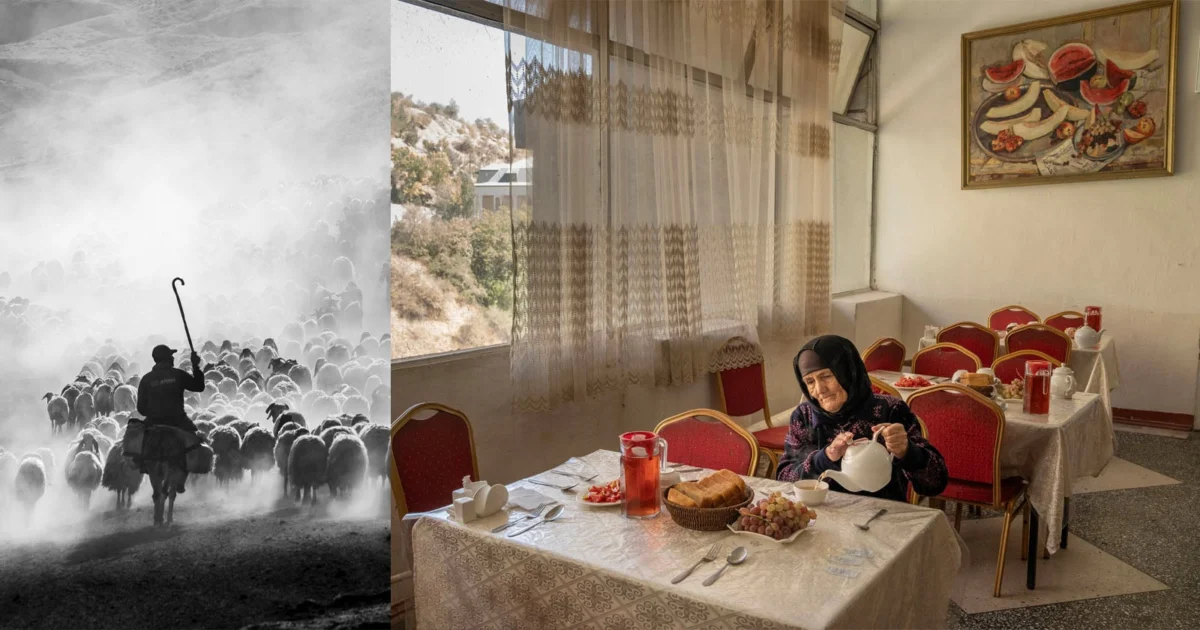
British photographer Jo Kearney has been awarded the prestigious title of Overall Winner at the 2026 World Food Photography Awards, sponsored by Bimi®. Kearney’s winning entry, titled A Woman Eats in the Canteen of the Soviet-era Sanatorium, was selected from nearly 9,000 submissions originating from more than 50 countries. Along with the title, Kearney received a grand prize of £5,000 ($6,700) during a gala ceremony held at the Mall Galleries in London on June 2. The image, which initially secured first place in the Fortnum & Mason Food at the Table category, offers a profound glimpse into the intersection of history, nutrition, and the human condition.
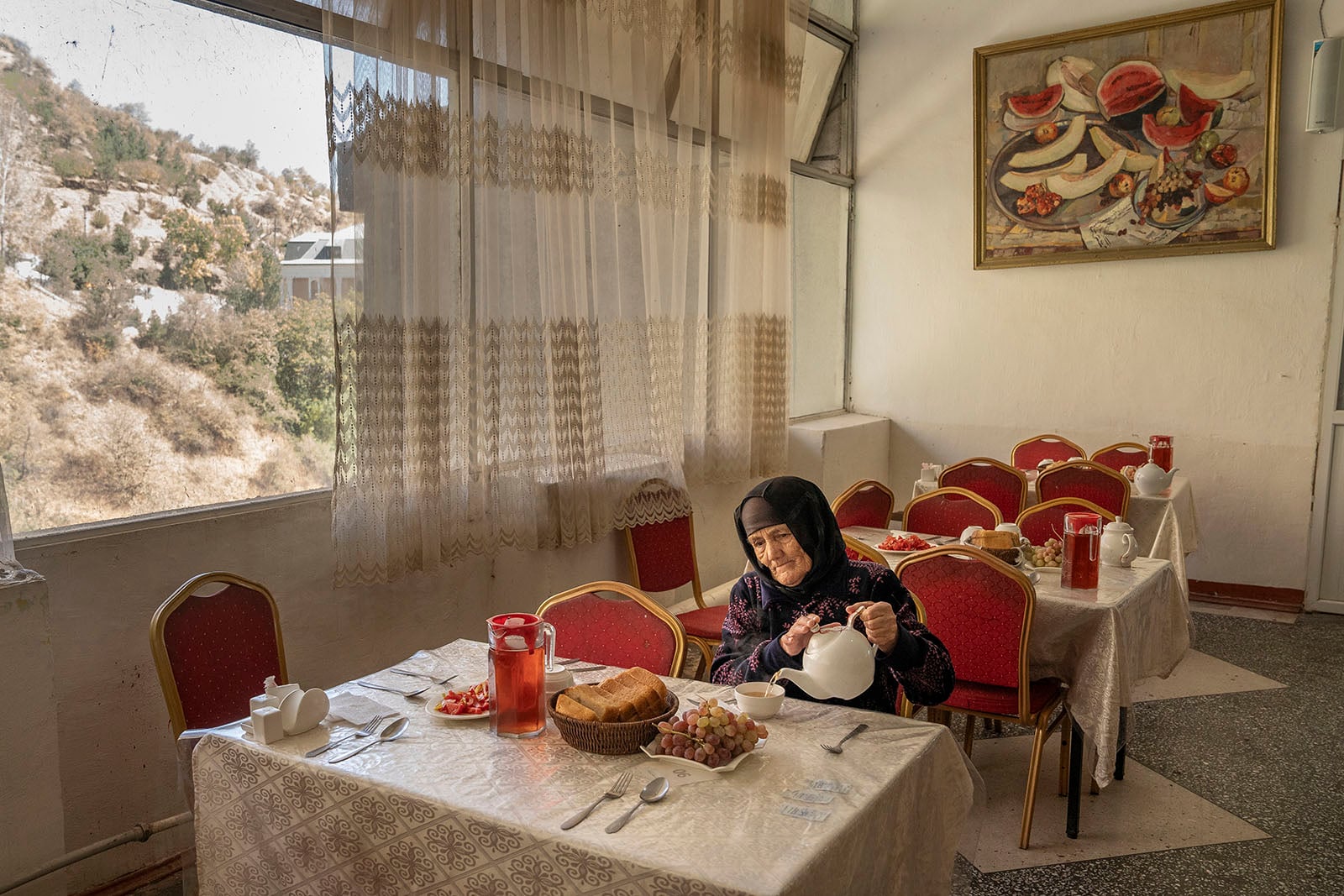
The photograph was captured at the Khoja Obi Garm sanatorium, an expansive concrete complex situated high in the mountains of Tajikistan. Built during the Soviet era, the facility is famous for its location atop radon-rich hot springs. It remains one of the few functional sanatoria of its kind, where guests continue to observe traditional restorative regimens, including steam therapy and thermal bathing. Kearney’s lens focuses on an elderly woman seated alone in the facility’s canteen. The scene is one of quiet dignity; the woman, dressed in a simple headscarf, pours tea at a table adorned with basic staples—bread, fruit, and traditional red pitchers. Through the large windows behind her, a rugged, arid landscape stretches into the distance, contrasting with the vibrant crimson of the dining chairs and the still-life painting of fruit hanging on the interior wall.
The Art of Restorative Dining
The winning image has been lauded for its emotional resonance and its ability to tell a complex story through a single frame. Caroline Kenyon, the founder of the World Food Photography Awards, noted that the photograph transcends a simple depiction of a meal. She highlighted the "crevassed face" of the subject and the "queenly" dignity with which she carries herself despite her humble attire. The sanatorium itself represents a unique cultural relic; for approximately £33 per day, guests receive lodging, medical treatments, and meals designed for health—nourishing soups, fresh fruit, and traditional Tajik fare.

The popularity of Khoja Obi Garm speaks to a enduring belief in the healing power of communal, prescribed nutrition. In an era dominated by fast-paced consumption, Kearney’s work invites the viewer to slow down and consider the ritualistic nature of eating. The visual parallels in the image—the real fruit on the table echoing the painted fruit on the wall—create a layered narrative about the permanence of food as a source of life and comfort across different eras of political and social change.
A Global Showcase of Culinary Narrative
The 2026 awards ceremony was hosted by the acclaimed chef and food writer Gennaro Contaldo, a figure synonymous with the celebration of traditional culinary arts. The event brought together a diverse assembly of photographers, journalists, and industry leaders to recognize winners across 27 distinct categories. These categories range from the commercial and stylized to the raw and documentary, illustrating the vast scope of food’s role in human society.
Dave Samuels, Brand Director of Tenderstem® Bimi® Broccolini, emphasized that the awards serve as a reminder of food’s essential role in every facet of life. Whether through harvesting, cooking, or surviving, food remains the central thread of the human experience. This year’s entries highlighted several key themes: the resilience of traditional methods in a modernizing world, the social impact of food security, and the sheer aesthetic beauty of natural ingredients.

Highlights from the 2026 Category Winners
The breadth of the competition was reflected in the diverse geographical and thematic origins of the winning photographs. Each category winner contributed a unique perspective on how food shapes our world.
Harvesting and Production
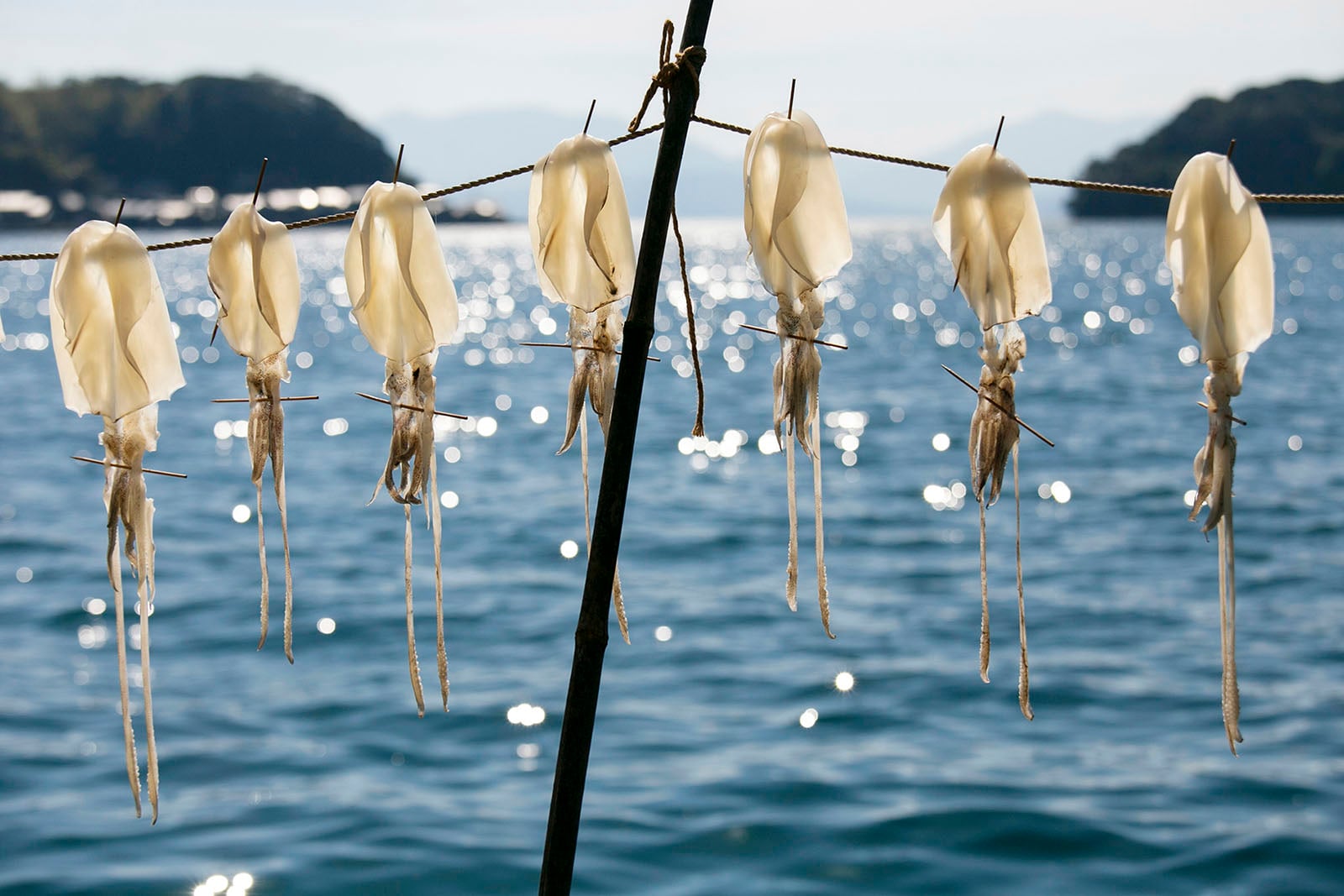
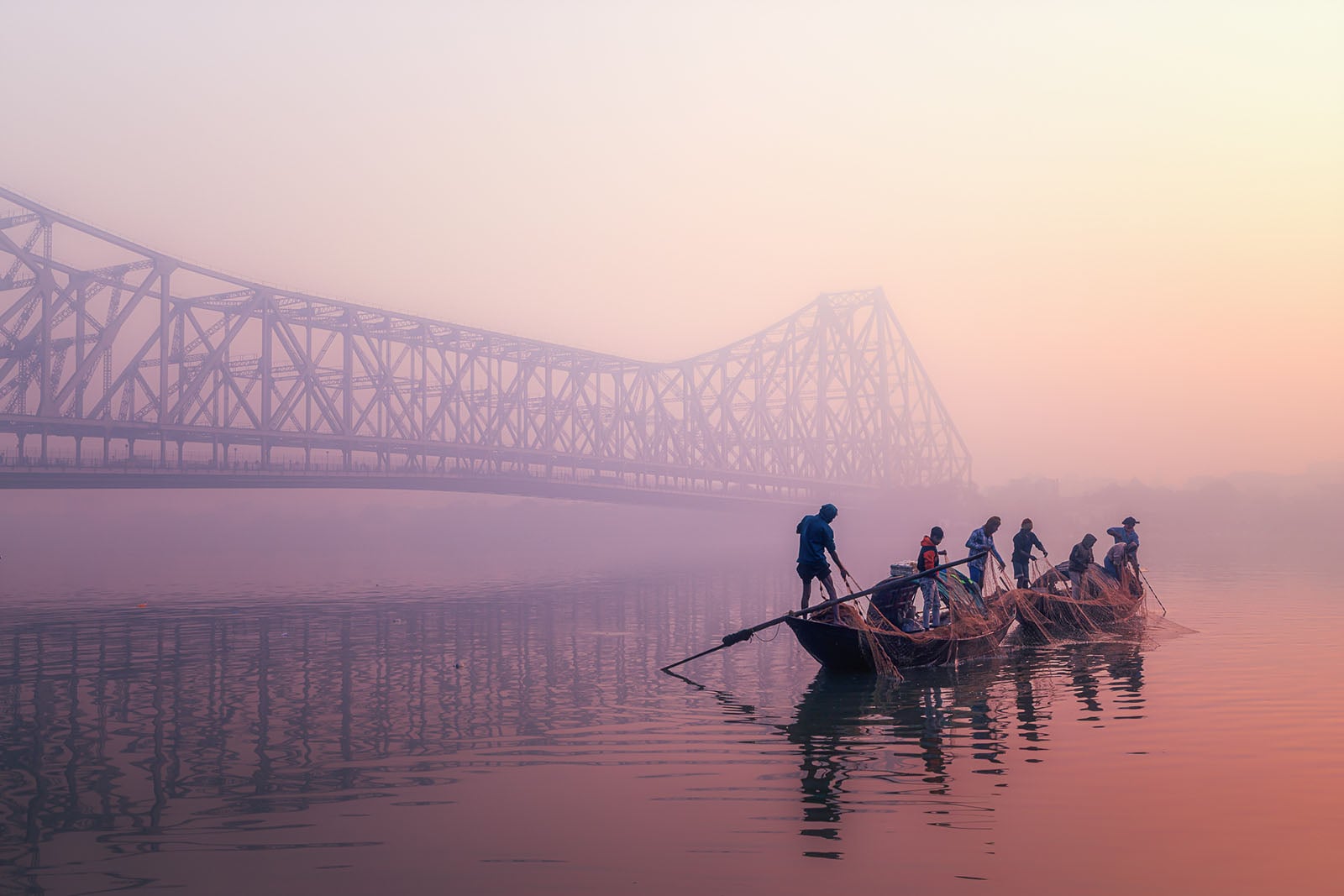
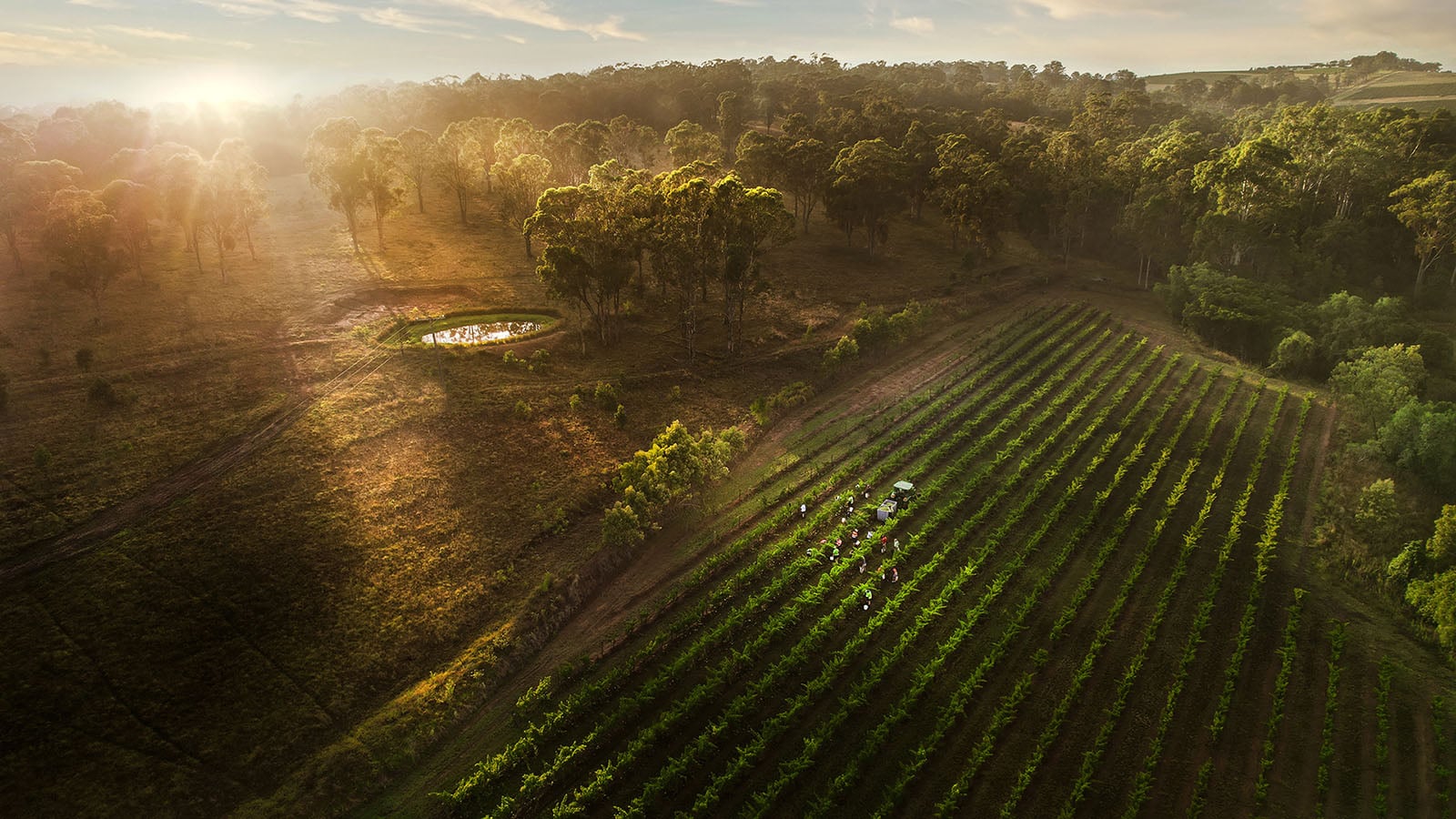
In the "Cream of the Crop" category, Albert González captured a striking image of squid drying in the sun in the fishing village of Ine, Kyoto, Japan. The rhythmic arrangement of the drying seafood against the backdrop of blue waters highlights the labor-intensive traditions of coastal communities. Similarly, the "Bring Home the Harvest" category was won by Marco Rutten for his serene depiction of Bengali fishermen at work on the Hooghly River at sunrise, where the mist and soft light elevate the daily toil of food procurement to an art form.
The Social and Political Landscape
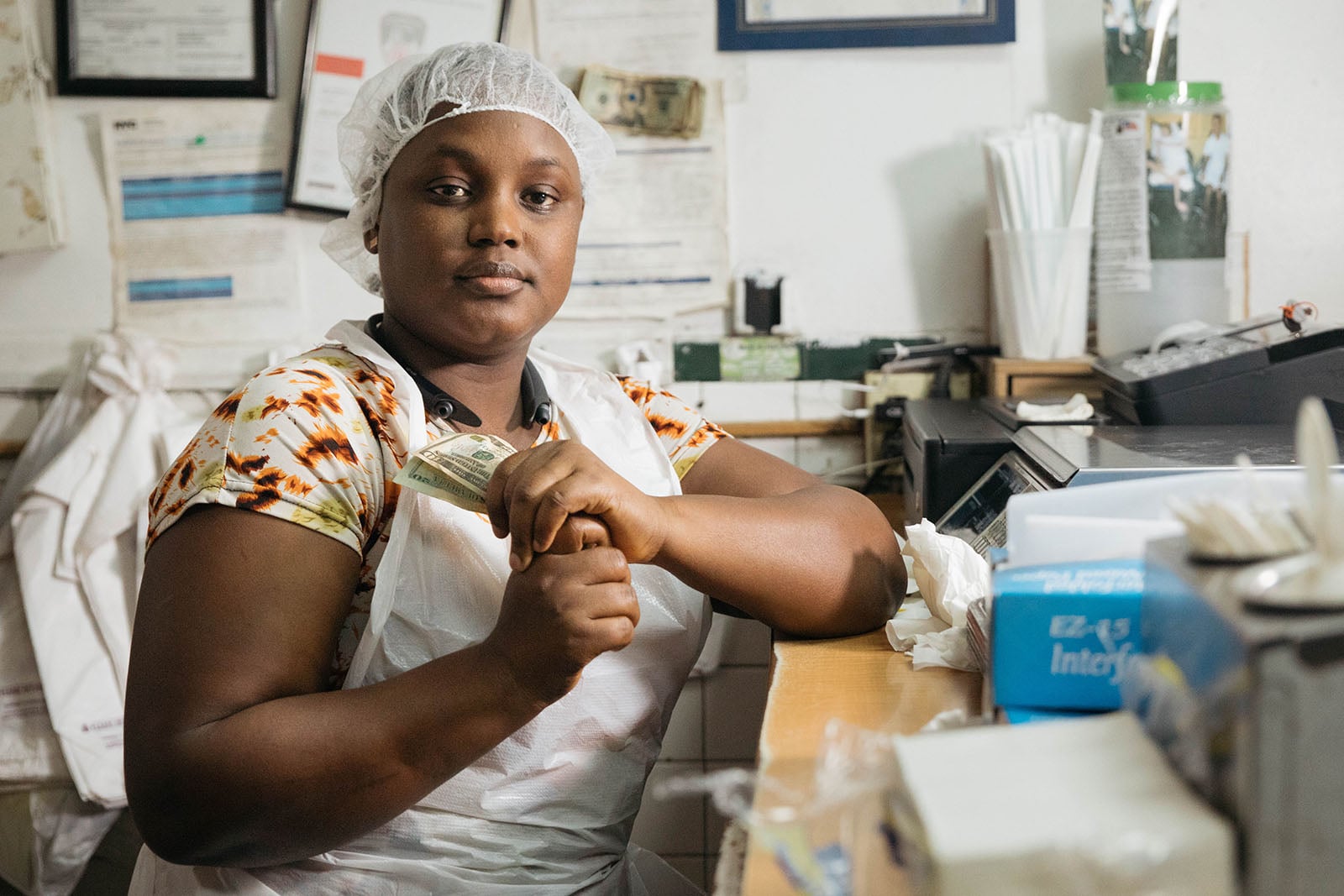
The "Politics of Food" category recognized Glenn Vanderbeke for his portrait of a female miller at the Vocational Training Center Irebero. The image depicts a woman covered in grain dust, highlighting a program that trains single women as millers, providing them with economic independence. In the "World Food Programme Food for Life" category, Mithail Afrige Chowdhury’s The Open-Air Hotel showcased a roadside stall in Dhaka, Bangladesh, which serves affordable meals to daily laborers. These images underscore the reality that for many, food is not merely a matter of taste, but a matter of survival and social justice.
Celebration and Family
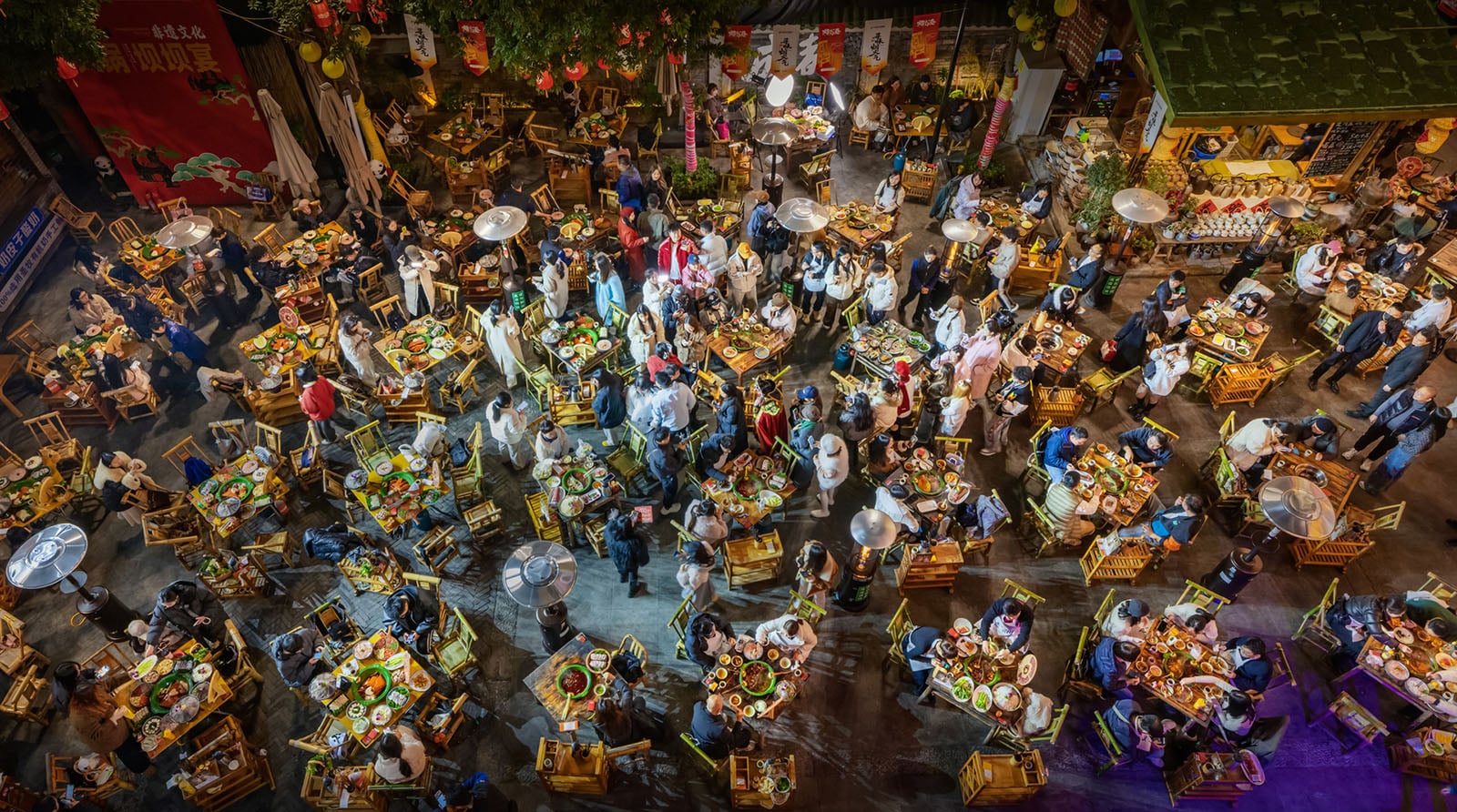
Food as a communal bond was a recurring theme. Pingyao Song won the "Champagne Taittinger Food for Celebration" category with a vibrant aerial shot of a gourmet food festival in China, depicting a sea of diners under warm lights. In "Food for the Family," Michela Balboni and Federico Borella captured a tender moment in Samarkand, Uzbekistan, showing a young boy named Asilbek reaching for hot bread fresh from the family tandoor. This category, supported by The Felix Project, emphasizes the role of food in nurturing the next generation.
Artistic Innovation and Commercial Excellence
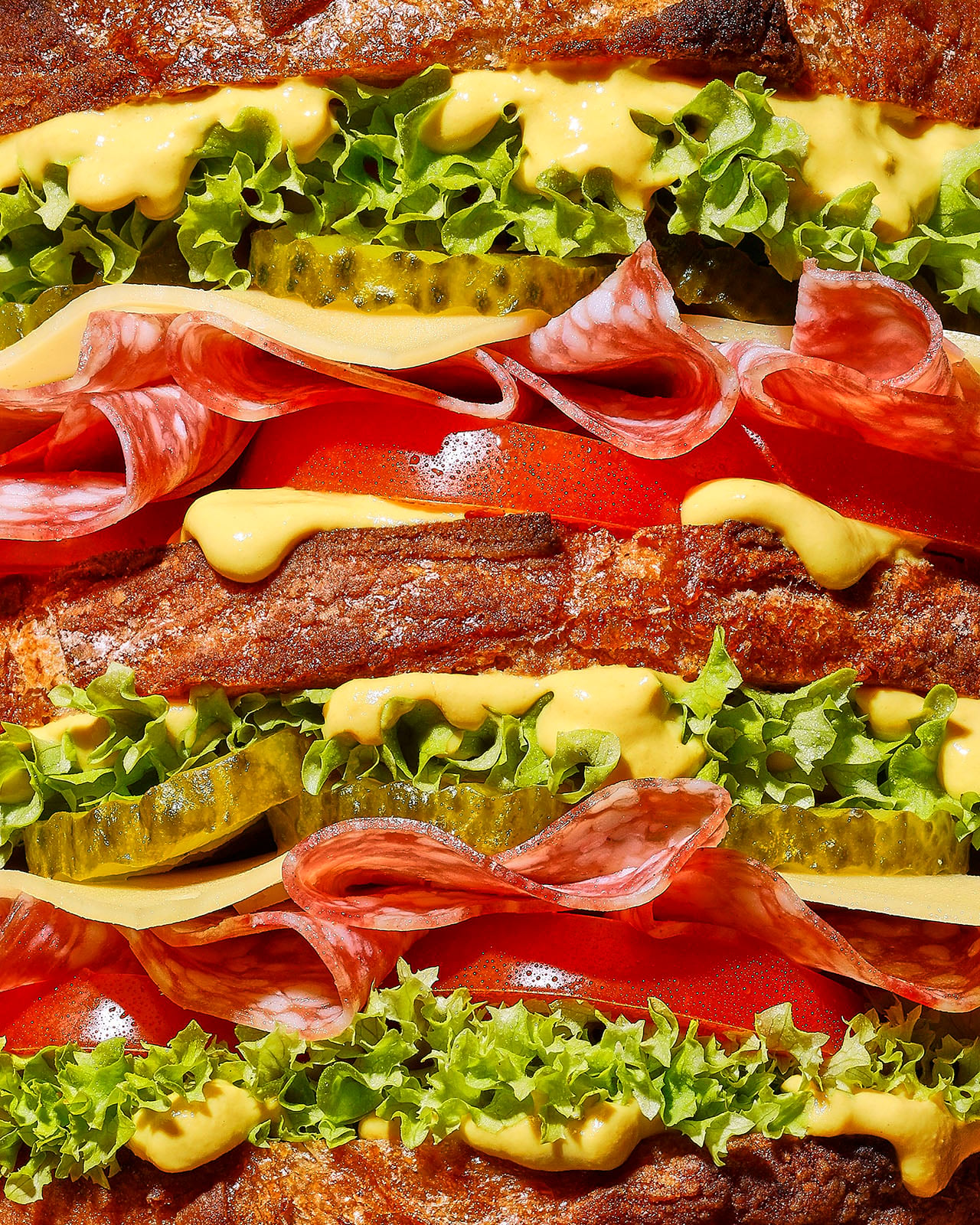
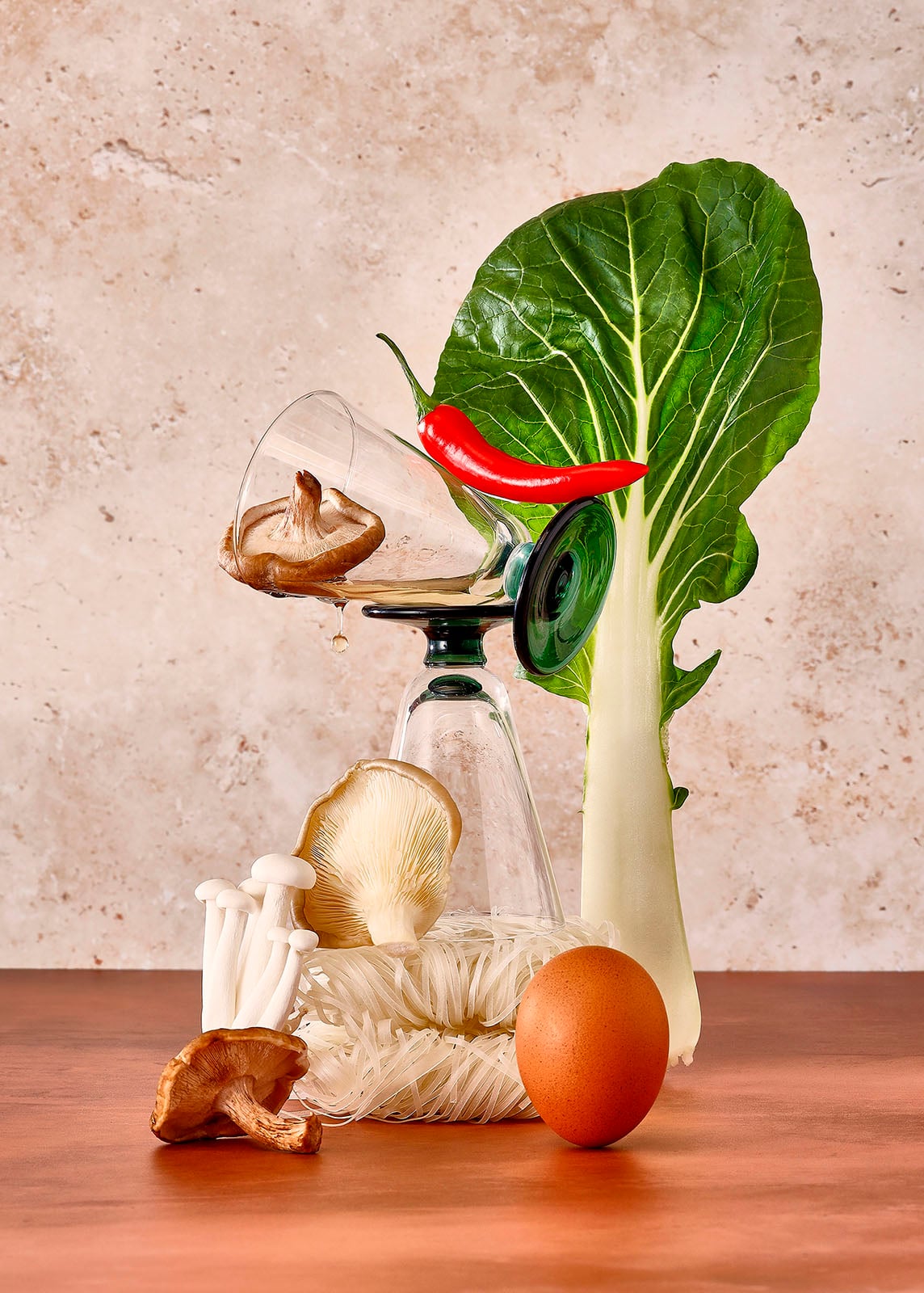
The "MPB Award for Innovation" was presented to Hussam Sleiby for Family Portrait, a creative arrangement of eggplants within a vintage frame that personifies the vegetables. In the commercial sphere, the "Hotel Art Group Food Stylist Award" went to Sarah Ghijselinck and photographer Sandra Declercq for their meticulously "constructed" lunch and raw ingredient pairings, demonstrating the high level of technical skill required in modern food styling.
Chronology of the 2026 Competition
The path to the June awards ceremony is a rigorous year-long process that ensures only the highest quality of work reaches the final stage.

- September 2025: The call for entries was officially opened to professional and amateur photographers worldwide. The competition maintained its commitment to inclusivity by offering categories for mobile photography and student work.
- January – February 2026: Submissions were closed, and the initial screening process began. A preliminary panel of judges narrowed the nearly 9,000 entries down to a longlist.
- March – April 2026: The global judging panel, consisting of industry experts from the fields of photography, culinary arts, and journalism, convened to select the finalists and category winners.
- May 2026: The shortlist was announced to the public, generating significant buzz in the arts and food communities.
- June 2, 2026: The winners were revealed at the Mall Galleries in London during the awards evening.
- June 3 – June 7, 2026: A public exhibition of all 203 finalist images was held at the Mall Galleries, offered free of charge to the public.
- June 9, 2026: A curated selection of images, hand-picked by the luxury retailer Fortnum & Mason, went on display at their flagship store on Piccadilly.
Broader Impact and Implications for Food Photography
The World Food Photography Awards have evolved into much more than a simple photography contest. They now serve as a barometer for global social trends and a platform for advocacy. By partnering with organizations like the World Food Programme and Action Against Hunger, the awards leverage visual storytelling to draw attention to global food crises and the importance of sustainable agriculture.
The 2026 winners reflect a shift in the industry away from "food porn"—highly stylized, idealized images of luxury meals—toward "food truth." This movement prioritizes the narrative of the producer, the cultural significance of the meal, and the environmental impact of food systems. Jo Kearney’s winning image is the quintessential example of this shift; it is a photograph that values the history and the humanity behind the plate as much as the food itself.
Furthermore, the inclusion of categories such as "On the Phone" and "RPS Student Food Photographer of the Year" ensures that the awards remain relevant in the digital age. They acknowledge that while high-end equipment allows for breathtaking detail, the most important element of food photography is the ability to capture a moment that resonates with a universal human experience.
Looking Ahead to 2027
As the 2026 exhibition concludes its run in London, the organizers are already preparing for the next cycle. Entries for the 2027 edition of the World Food Photography Awards are scheduled to open in September 2026. The competition continues to grow in scale and influence, providing a vital stage for photographers to document one of the few things that connects every person on the planet: the need for sustenance and the beauty found in the rituals of eating.
The success of Jo Kearney and her fellow winners serves as an inspiration for the next wave of visual storytellers. Their work reminds us that behind every dish, there is a story of a harvest, a culture, a family, or a moment of quiet reflection in a mountain sanatorium. As global food systems face increasing challenges from climate change and economic shifts, the role of the food photographer in documenting these changes becomes more critical than ever.

