


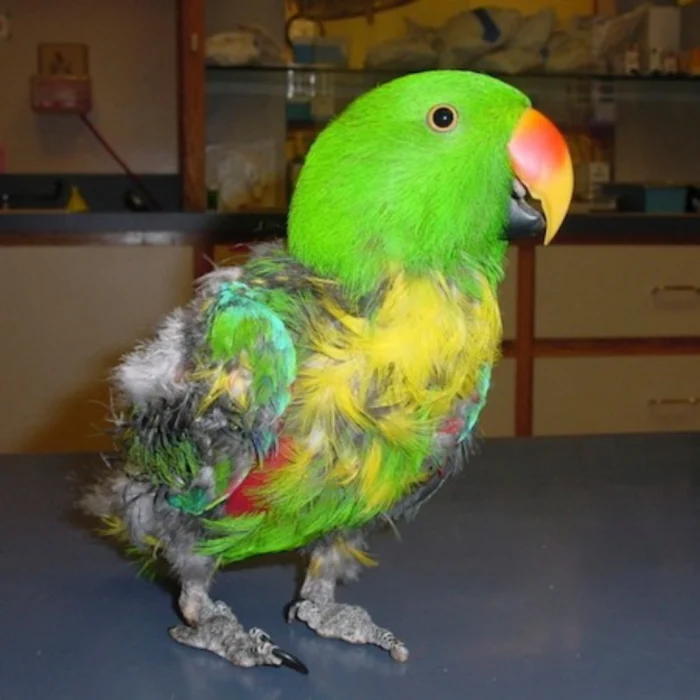
The release of the specialized webinar titled Foraging and Enrichment, presented by M. Scott Echols, DVM, DABVP (Avian Practice), marks a significant milestone in the ongoing evolution of avian clinical medicine and captive bird management. Published on March 18, 2026, through the LafeberVet platform, this educational resource provides a deep dive into the physiological and behavioral requirements of avian species, specifically focusing on the intersection of environmental complexity and biological health. The program has been officially reviewed and approved by the American Association of Veterinary State Boards (AAVSB) Registry of Approved Continuing Education (RACE), offering one hour of continuing education (CE) credit to licensed veterinarians and veterinary technicians. This accreditation underscores the increasing importance of behavioral health as a core component of veterinary practice, moving beyond traditional pathology to address the holistic needs of non-traditional pets.
The Evolution of Avian Behavioral Medicine
The historical approach to avian care often prioritized basic nutritional requirements and the treatment of acute infectious diseases. However, as the field of avian medicine has matured, practitioners have recognized that a significant portion of clinical presentations—ranging from feather-destructive behavior to chronic reproductive disorders—stem from environmental inadequacies. Dr. M. Scott Echols, a diplomat of the American Board of Veterinary Practitioners specializing in avian practice, has long been at the forefront of this shift. His work emphasizes that enrichment is not merely an optional luxury for captive birds but a biological necessity for maintaining homeostasis.
The webinar addresses a critical gap in veterinary education: the practical application of foraging and environmental enrichment in a clinical setting. Foraging, defined as the act of searching for and extracting food, occupies a vast majority of a wild bird’s waking hours. In contrast, many captive birds are provided with easily accessible food in bowls, leading to a state of "behavioral vacuum" that can manifest in self-mutilation, excessive vocalization, and aggression. By integrating these concepts into the standard of care, veterinary professionals can offer more comprehensive wellness plans to their clients.
The Science of Foraging and Contrafreeloading
A central theme of the presentation is the concept of contrafreeloading, a phenomenon observed in many animal species where individuals choose to work for food even when identical food is freely available. For avian species, this drive is particularly strong. Research in avian behavior suggests that when birds are denied the opportunity to forage, their cognitive functions can decline, and stress hormones, such as corticosterone, may become chronically elevated.
Supporting data indicates that wild psittacines (parrots) spend between 40% and 80% of their active day engaged in foraging-related activities. In a domestic environment, this time is often reduced to less than an hour. The webinar provides veterinary professionals with the tools to guide bird owners through the transition from bowl-feeding to complex foraging strategies. This transition involves a tiered approach, starting with simple challenges—such as covering food bowls with paper—and progressing to more complex mechanical puzzles that require problem-solving skills and the use of the beak and feet as tools.
Ultraviolet Radiation and Avian Physiology
A distinctive feature of this educational module is its focus on the role of light, specifically ultraviolet (UV) radiation, as a form of enrichment. While often overlooked, the quality of light in a captive bird’s environment has profound physiological implications. Birds possess tetrachromatic vision, meaning they have a fourth type of cone cell in their retina that allows them to see into the ultraviolet spectrum (specifically UVA, ranging from 320 to 400 nm).
The inclusion of keywords such as "UVB" and "radiation" highlights the importance of Vitamin D3 synthesis. UVB radiation (290–315 nm) is essential for the conversion of 7-dehydrocholesterol to pre-vitamin D3 in the skin and the uropygial (preen) gland. Without adequate exposure to UVB, birds are at high risk for metabolic bone disease, hypocalcemia, and poor reproductive success. Dr. Echols’ presentation delves into the technical aspects of providing safe artificial lighting, the decay rate of UV-producing bulbs, and the behavioral benefits of allowing birds to perceive their environment in full color.
Data suggests that birds provided with appropriate UV lighting show improved social interactions and more accurate food selection. Because many bird feathers reflect UV light, this spectrum is vital for mate recognition and social signaling. In a veterinary context, addressing lighting is as crucial as addressing diet or hygiene.
Chronology of Enrichment Standards in Veterinary Medicine
The development of this webinar is part of a broader timeline of advancements in avian welfare standards over the last two decades:
- Early 2000s: Recognition of "Environmental Enrichment" as a formal discipline within zoo medicine begins to filter down to private avian practice.
- 2010-2015: Major avian veterinary conferences begin dedicating entire tracks to behavioral medicine and "the foraging enrichment paradigm."
- 2018-2022: Peer-reviewed studies confirm the link between lack of foraging and the development of stereotypic behaviors in psittacines.
- 2024: Professional organizations like the AAVSB RACE program increase the scrutiny and quality requirements for behavioral CE, recognizing its clinical relevance.
- March 2026: The release of the Echols webinar on LafeberVet provides a standardized, accessible platform for global veterinary staff to earn accredited hours in these specialized topics.
Professional Accreditation and Educational Impact
The AAVSB RACE approval of this program is a vital detail for the veterinary community. The RACE program was established to develop and apply uniform standards for the providers and programs of continuing education in veterinary medicine. For a veterinarian to maintain their license, they must complete a specific number of CE hours annually or biennially, depending on the jurisdiction.
By approving the "Foraging and Enrichment" webinar, the AAVSB acknowledges that behavioral health and environmental management are essential competencies for modern practitioners. The requirement for a post-test—with a passing grade necessary to receive the certificate—ensures that the participants have not only viewed the material but have also retained the critical data necessary to implement these strategies in their clinics. This rigorous approach elevates the subject matter from "general interest" to "clinical science."
Implications for the Veterinary-Client Relationship
The implementation of foraging and enrichment protocols has significant implications for the business and ethics of veterinary medicine. Clients today are increasingly seeking "fear-free" and holistic approaches to pet care. When a veterinarian can provide a scientific explanation for why a bird is plucking its feathers—linking it to the lack of UVB or the absence of foraging opportunities—it builds a higher level of trust and compliance.
Furthermore, the webinar addresses the "how-to" of client communication. It is often difficult for owners to understand why they should "make it harder" for their pets to eat. The data provided in the webinar allows veterinary staff to explain the biological "why" behind these recommendations. For instance, explaining that a bird’s brain is wired to solve problems can help an owner view a foraging toy not as a chore, but as a mental health tool.
Technical Analysis of Environmental Enrichment
From a technical standpoint, the webinar categorizes enrichment into several domains:
- Social Enrichment: Interactions with humans or other birds.
- Occupational Enrichment: Foraging and exercise.
- Physical Enrichment: Perches, cages, and environmental complexity.
- Sensory Enrichment: Visual (UV light) and auditory stimuli.
- Nutritional Enrichment: Varied textures and flavors of food.
The analysis provided by Dr. Echols suggests that for enrichment to be effective, it must be varied. Animals can habituate to the same stimulus over time, leading to a return of boredom-related behaviors. Therefore, the webinar encourages a "rotational system" where different types of enrichment are introduced and removed on a schedule to maintain novelty and engagement.
Future Outlook and Broader Industry Impact
The release of this content is expected to influence the broader pet industry, including manufacturers of cages and lighting. As more veterinary professionals become educated on the specific UVB requirements and foraging needs of birds, there will be increased pressure on manufacturers to provide equipment that meets these biological standards.
Moreover, the focus on enrichment reflects a broader societal trend toward animal welfare. In many European jurisdictions, minimum standards for bird housing already include requirements for natural light and environmental complexity. The United States and other regions are seeing a similar shift in both consumer demand and professional standards.
The "Foraging and Enrichment" webinar by M. Scott Echols serves as both a practical guide for clinicians and a manifesto for the future of avian care. By grounding behavioral recommendations in hard science—such as UV wavelengths and metabolic pathways—the veterinary community is better equipped to advocate for the health and longevity of the avian patients in their care. As the industry moves toward 2027 and beyond, the integration of these enrichment strategies is likely to become a mandatory component of the annual avian wellness exam, ensuring that captive birds live lives that are not only long but also psychologically and physiologically fulfilled.

