


The pursuit of optical perfection in photography is often a battle against the fundamental laws of physics. Among the most persistent and technically challenging obstacles for lens designers is longitudinal chromatic aberration, frequently referred to by the acronym LoCA or as axial chromatic aberration. While many photographers are familiar with the purple or green outlines that appear at the edges of a frame—known as lateral chromatic aberration—LoCA is a far more insidious phenomenon that affects the very core of an image’s focus and depth. It manifests as unsightly color fringing in out-of-focus areas, appearing as magenta or red tints in front of the focal plane and green tints behind it. Understanding why this occurs, and how the world’s leading optics manufacturers are working to eliminate it, reveals the immense engineering complexity hidden within a modern camera lens.
The Physics of Light and Refraction
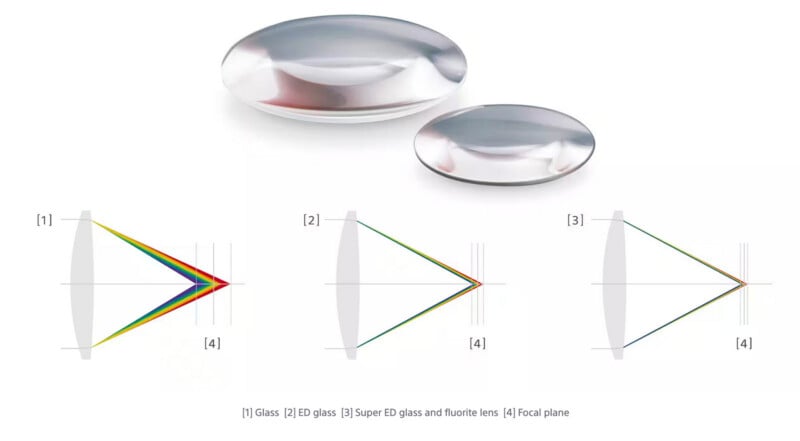
To understand longitudinal chromatic aberration, one must first look at how light behaves as it passes through glass. Visible light is composed of various wavelengths, with blue light having shorter wavelengths and red light having longer ones. When light enters a glass element, it undergoes refraction, or bending. The challenge for lens designers is that glass does not bend all wavelengths equally; shorter wavelengths (blue) typically refract more sharply than longer wavelengths (red).
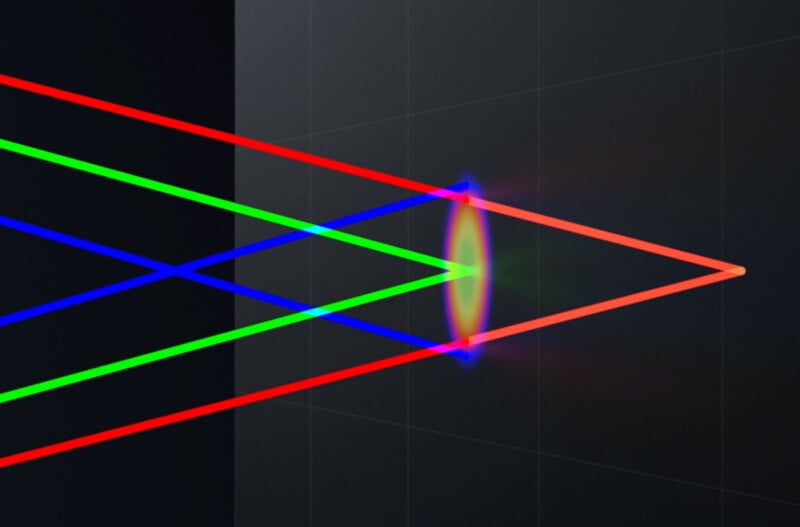
In an ideal optical system, every wavelength of light passing through the lens would converge at a single, precise point on the image sensor or film plane. When this occurs, the image is sharp and color-neutral. However, because of the varying refractive indices for different colors, these wavelengths often focus at different points along the longitudinal axis (the path light travels from the lens to the sensor). This misalignment is the root cause of LoCA. If the blue light focuses slightly in front of the sensor while the red light focuses slightly behind it, the resulting image will exhibit color "halos" around high-contrast edges, particularly in the bokeh, or blurred areas, of the photograph.
Distinguishing Longitudinal from Lateral Aberration
While both longitudinal and lateral chromatic aberrations stem from the same physical property of light dispersion, they manifest in different ways and require different solutions. Lateral chromatic aberration (transverse CA) occurs off-axis and is most visible at the edges of the frame. It usually appears as a single-color fringe—often purple or cyan—and does not change regardless of whether the subject is in focus or not. Because it is a two-dimensional misalignment, it is relatively easy to correct using modern post-processing software like Adobe Lightroom or Capture One.
In contrast, LoCA is a three-dimensional problem. It affects the entire image, including the center, and is most prominent in lenses with wide apertures (such as f/1.2, f/1.4, or f/1.8). Because LoCA changes color based on whether the fringing is in front of or behind the focal plane, it is notoriously difficult to remove in post-production without degrading the overall color accuracy or sharpness of the image. Consequently, the most effective way to address LoCA is through sophisticated optical engineering at the time of manufacture.
The Engineering Challenge: Materials and Design
Leading manufacturers like Canon, Nikon, and Fujifilm employ a variety of strategies to mitigate LoCA, ranging from the development of exotic glass materials to the implementation of advanced mechanical focus systems.
Nikon’s Multi-Focus and HRI Glass
Nikon has addressed the LoCA challenge by rethinking the mechanical movement of internal lens elements. Mark Cruz, Senior Manager of Product DCIL at Nikon Inc., highlights the company’s "multi-focus" system. Traditionally, a lens moves a single group of elements to achieve focus. However, Nikon’s system controls two separate autofocus drive units simultaneously. This allows for extremely high focusing accuracy, particularly at close distances where LoCA is most likely to appear, such as in macro photography.
Furthermore, Nikon utilizes High-Refractive-Index (HRI) glass and aspherical elements. These elements are machined with incredible precision to ensure that the surface accuracy minimizes the scattering of light. By combining convex and concave elements with specific refractive properties, Nikon engineers can "force" the different wavelengths to converge more tightly on the sensor.

Fujifilm’s ED and Super ED Solutions
For Fujifilm, the primary weapon against LoCA is the use of Extra-low Dispersion (ED) and Super ED glass. The "dispersion" of glass refers to how much it scatters light into a rainbow. ED glass is formulated to have a significantly lower dispersion rate than standard optical glass. Super ED glass takes this a step further, offering performance characteristics similar to fluorite, a mineral known for its near-perfect refractive qualities.
However, Fujifilm representatives emphasize that lens design is a balancing act. While adding more Super ED elements can reduce LoCA, it also increases the weight and cost of the lens. In the design of the XF 500mm f/5.6, for example, Fujifilm utilized five ED lenses and two Super ED lenses within a 21-element configuration. This allowed them to suppress LoCA effectively while keeping the focus group light enough for rapid autofocus performance.

Canon’s BR Optics and Synthetic Fluorite
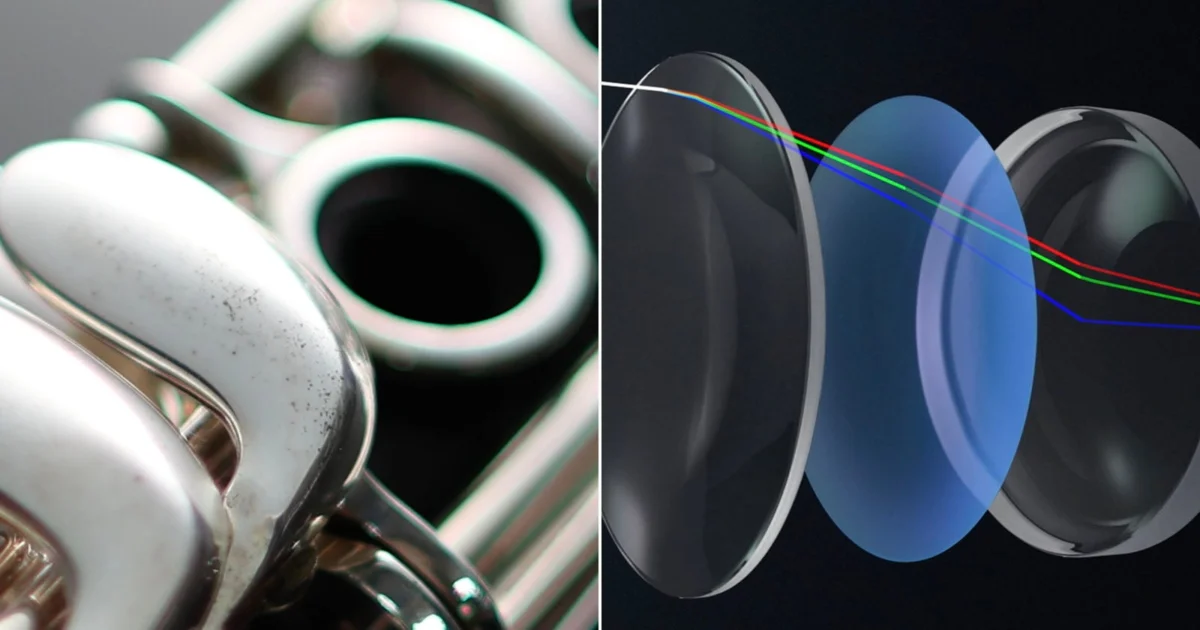
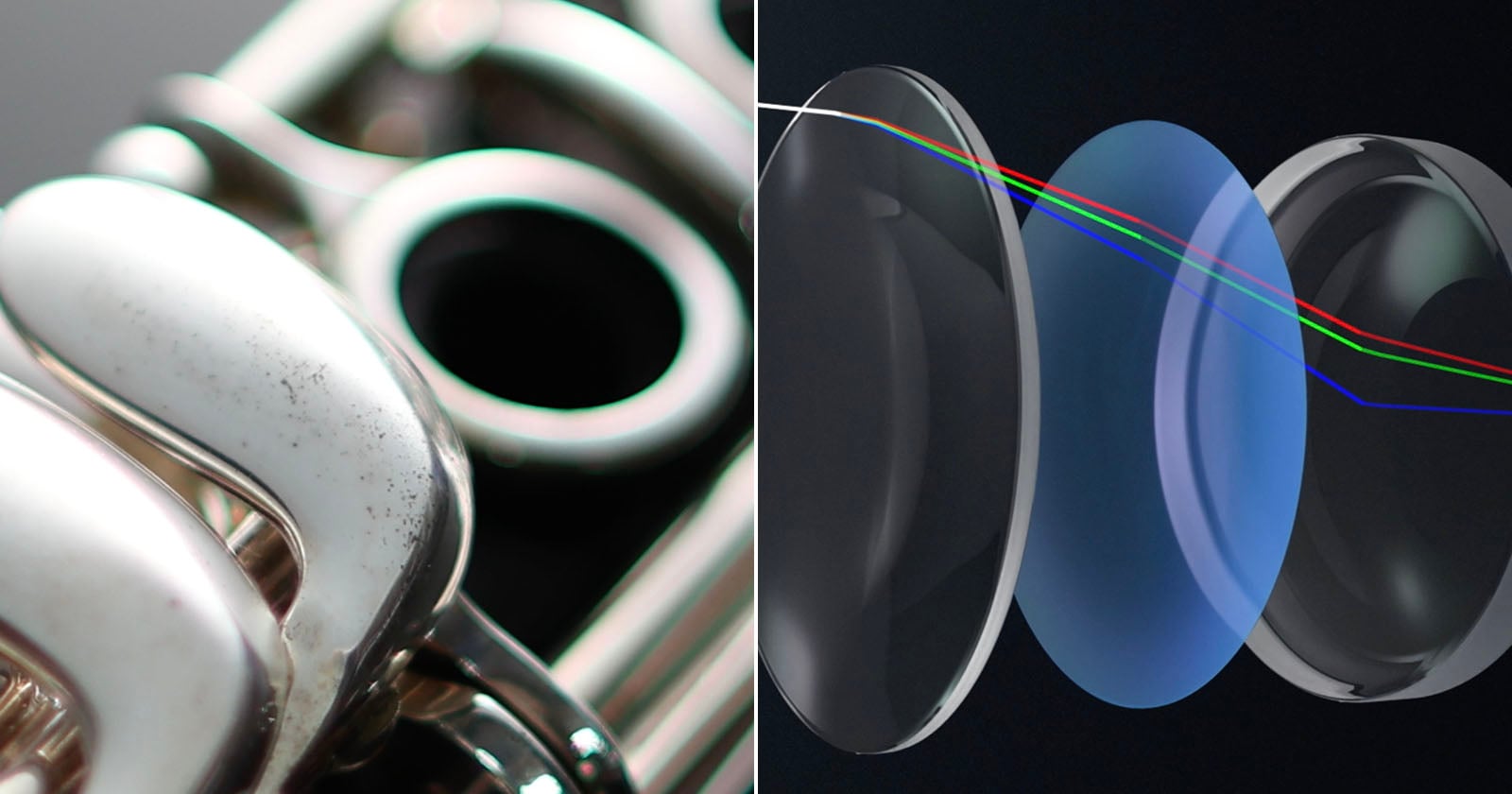
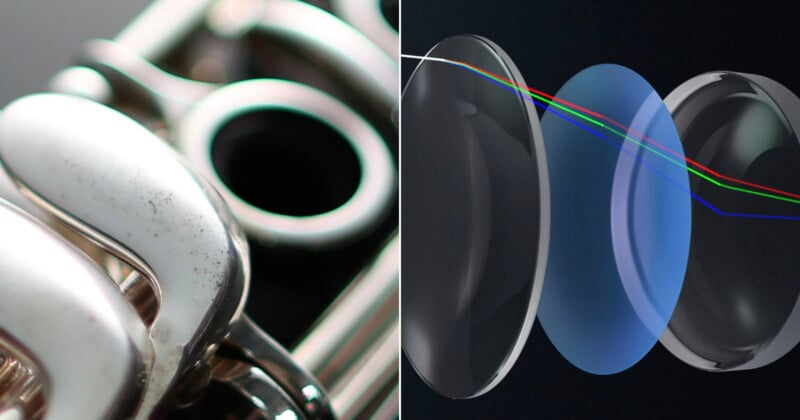
Canon has perhaps some of the most specialized technologies in the field, most notably its Blue Spectrum Refractive (BR) optics. Blue light, having the shortest wavelength, is the most difficult to control. To combat this, Canon developed an organic optical material that specifically targets blue light. This BR element is sandwiched between concave and convex glass lenses to align the blue light path with the red and green paths.
Canon also remains a leader in the production of synthetic fluorite. Since natural fluorite crystals are rarely large or pure enough for high-end lenses, Canon grows its own crystals in a vacuum. Fluorite has a very low refractive index and extremely low dispersion, making it the "gold standard" for eliminating chromatic aberration. The company’s L-series telephoto lenses often feature these elements to ensure professional-grade clarity.

The Role of Software in a Digital Age
While optical correction is preferred, the digital era has introduced a secondary layer of defense: software. Nikon’s NX Studio and Canon’s Digital Photo Professional (DPP) utilize proprietary algorithms and "Neural Network" technology to identify and suppress LoCA in RAW files. These programs use "lens profiles" that contain data on how a specific lens model behaves at various apertures and focal lengths, allowing the software to apply targeted corrections.
Despite these advancements, software remains a reactive tool. It can desaturate the green and magenta fringes, but it cannot "re-focus" the light that was missed during the exposure. This is why high-end lenses, despite the availability of software fixes, continue to command premium prices for their physical optical performance.

Historical Context and Market Implications
The battle against LoCA has intensified with the rise of high-resolution digital sensors. In the era of film, the grain of the medium often masked minor chromatic aberrations. However, modern sensors with 45, 60, or even 100 megapixels act as a microscope, revealing every optical flaw. This has forced manufacturers to innovate at a rapid pace.
The timeline of these innovations shows a clear trajectory toward specialized materials. Canon’s introduction of the BR element in 2015 with the EF 35mm f/1.4L II USM marked a significant milestone in using organic materials for optics. Similarly, the transition to mirrorless mounts (Sony E, Nikon Z, Canon RF) has allowed engineers to place large rear elements closer to the sensor, providing new opportunities to correct light paths that were previously impossible with the deep mirror boxes of DSLRs.
Analysis of Broader Impact
The implications of LoCA control extend beyond technical charts. For portrait photographers, the absence of LoCA means that the transition from sharp eyes to blurred backgrounds remains clean and natural, without distracting color shifts in the hair or clothing. For architectural and product photographers, it ensures that high-contrast edges—such as the chrome on a car or the silhouette of a building against a bright sky—remain crisp.
As camera manufacturers continue to push the boundaries of what is possible, the reduction of longitudinal chromatic aberration remains a primary benchmark of quality. While the "perfect" lens may never truly exist due to the volatile nature of light, the combination of advanced glass chemistry, precision manufacturing, and computational photography has brought the industry closer to that goal than ever before. For the end-user, this means cleaner, more lifelike images that require less time behind a computer screen and offer more creative freedom behind the shutter.

